Table of Contents >> Show >> Hide
- Start Here: Diagnose Before You Treat (Your Lawn Deserves a Proper “Check Engine” Light)
- The Most Common Causes of Brown Patches (and Exactly What to Do)
- 1) Drought stress or heat stress
- 2) Overwatering or poor drainage
- 3) Lawn fungus: Brown patch (cool-season lawns) and large patch (warm-season lawns)
- 4) Grubs and other root-feeding insects
- 5) Dog urine spots
- 6) Fertilizer burn or chemical damage
- 7) Compacted soil, heavy thatch, or dull mowing
- 8) Shade, competition, and “stuff left on the lawn”
- How to Repair Brown Patches (So They Actually Fill In)
- A Seasonal Game Plan (Because Timing Beats Wishful Thinking)
- Prevention: Keep Brown Patches From Coming Back
- Quick FAQs
- Real-World Experiences and Lessons Learned (What People Usually Discover the Hard Way)
Brown patches on a lawn are like coffee stains on a white shirt: they show up at the worst time, they’re oddly shaped,
and they make you question your life choices (like “Why did I buy grass that needs feelings?”).
The good news: most brown patches are fixable once you figure out why they’re happening.
The bad news: guessing usually makes things worsebecause the “solution” for grubs is not the same as the “solution” for
dog pee or a fungus throwing a midnight pool party on your turf.
This guide walks you through a practical, no-nonsense (okay, a little nonsense) way to diagnose the cause,
fix the damaged areas, and prevent the problem from coming back. You’ll get clear steps, real-world examples,
and a repair plan you can actually follow without needing a degree in Grassology.
Start Here: Diagnose Before You Treat (Your Lawn Deserves a Proper “Check Engine” Light)
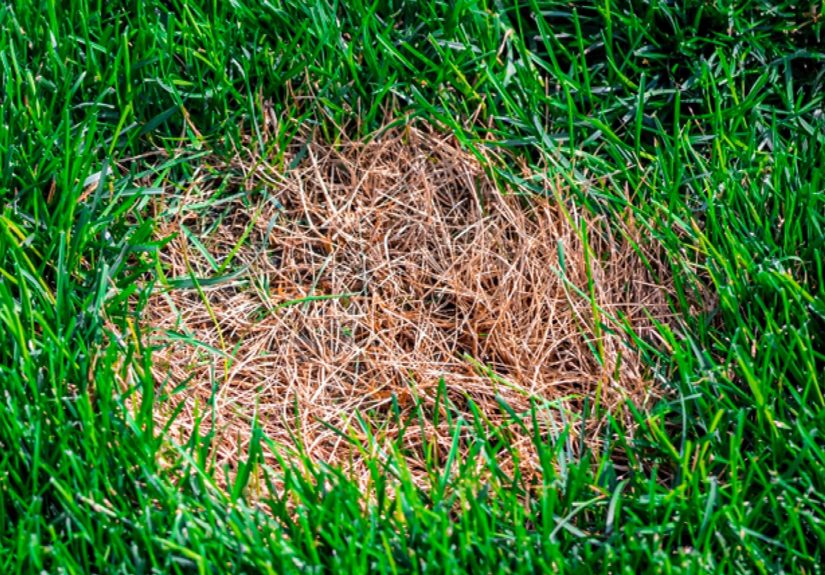
Brown patches are a symptom, not a diagnosis. Before you buy anything, do a quick lawn investigation.
You’re looking for patterns, timing, and clues in the grass blades and soil.
Step 1: Read the pattern like a lawn detective
- Perfect circles or rings often point to fungal disease (brown patch/large patch) or sometimes dog urine.
- Small dead spots with a dark green “halo” are classic dog urine burn (nitrogen overload around the edges).
- Irregular patches in hot, sunny areas suggest drought/heat stress or poor sprinkler coverage.
- Patches that spread quickly during humid weather often mean fungus.
- Grass that lifts up like a loose rug can signal grubs (roots are gone, so the sod detaches).
- Stripes, footprints, or wheel tracks can mean compaction or dull mower damage.
Step 2: Do three quick tests (takes 5–10 minutes)
-
The tug test: Grab a handful of grass in the brown area and pull gently.
If it comes up easily with little root, suspect grubs or root issues. If it’s firmly rooted, look at watering, mowing, or fungus. -
The screwdriver test: Push a screwdriver into the soil. If it’s hard to push in, your lawn may be dry or compacted.
If it sinks easily and feels soggy, drainage could be the issue. -
The blade check: Inspect grass blades at the edge of the patch.
If you see spots/lesions or a “smoke ring” look, think fungus. If tips are shredded, think dull mower blade.
The Most Common Causes of Brown Patches (and Exactly What to Do)
1) Drought stress or heat stress
If it’s been hot, dry, or windy and your brown patches show up in sunny spots or along sidewalks/driveways,
your lawn might simply be thirstyor watering unevenly.
What to do:
- Water early in the morning (not at night) so grass dries quickly and disease risk stays lower.
- Water deeply, not daily sprinkles. Many lawns do well with about 1 inch per week (rain + irrigation), adjusted for soil type and weather.
- Check sprinkler coverage using a “cup test”: place several straight-sided cups (like tuna cans) around the dry zone and run irrigation for 15 minutes. Compare amounts.
- Mow higher during heat (taller blades shade the soil, reducing stress). Never scalp the lawn in summer.
Example: If your front yard is fine but a brown patch forms near the curb, you may have a “sprinkler shadow”
where spray doesn’t reachespecially if the wind shifts or the head is clogged.
2) Overwatering or poor drainage
Too much water can suffocate roots and invite disease. If your patch is in a low spot, near downspouts,
or stays wet longer than the rest of the yard, drainage may be the villain.
What to do:
- Reduce watering frequency and avoid long evening wetness.
- Aerate compacted soil to improve air and water movement.
- Redirect downspouts and fix grading so water doesn’t pool.
- Topdress lightly with compost in thin layers to improve soil structure over time (don’t bury the grass).
3) Lawn fungus: Brown patch (cool-season lawns) and large patch (warm-season lawns)
“Brown patch” is a common summer disease in cool-season grasses (like tall fescue and perennial ryegrass),
often flaring during hot days and warm, humid nights. “Large patch” affects warm-season turf (like zoysia and St. Augustine)
and often shows up during spring/fall transitions.
Clues it’s fungus:
- Circular patches; edges may look darker or “smoky.”
- Worse after humid nights, heavy dew, or frequent irrigation.
- Leaves may show tan/brown lesions rather than just drying out evenly.
What to do (start with cultural fixes):
- Water in the morning so the lawn doesn’t stay wet overnight.
- Cut back on high-nitrogen fertilizer during outbreaks (lush growth can worsen disease pressure).
- Improve airflow by trimming surrounding plants and avoiding heavy thatch.
- Remove dew early (drag a hose across the lawn or mow when dry) if brown patch is a repeating summer problem.
- Mow at the right height with a sharp blade, and avoid mowing when the grass is wet.
When to consider fungicide: If fungus is severe, repeating yearly, or spreading fast,
a fungicide labeled for the disease and your turf type can help. Timing mattersmany treatments work best when applied early,
not after the lawn looks like it lost a boxing match. If you’re unsure, your local extension office can help confirm diagnosis.
4) Grubs and other root-feeding insects
Grubs are beetle larvae that chew grass roots. The damage often appears as expanding brown areas that don’t recover with watering.
Bonus clue: you may also see birds, skunks, or raccoons tearing up turf looking for a protein snack.
How to confirm:
- Cut three sides of a 1-foot square of sod at the edge of the patch and peel it back.
- Look for C-shaped white larvae in the soil.
- A few grubs aren’t always a crisiswhat matters is the population and whether roots are being destroyed.
What to do:
-
If you confirm grubs at damaging levels, use a labeled lawn insect control product and follow directions carefully.
(Different products target different grub stagestiming is everything.) - Water appropriately after application if the label requires it so the product reaches the root zone.
- Repair the area after the pest issue is controlled (see the repair section below).
5) Dog urine spots
Dog urine can “burn” turf due to concentrated nitrogen and salts. These spots are often small, round,
and surrounded by darker green grass (the edge gets fertilized while the center gets nuked).
What to do:
- Flush immediately with water when you notice a fresh spot (dilution helps).
- Train a designated potty zone (yes, it’s a lifestyle choice; yes, it’s worth it).
- Reseed/sod dead centers once the soil is flushed and stable.
- Consider grass types and overseeding strategies that hold up better in your region.
6) Fertilizer burn or chemical damage
Too much fertilizer, a spill, or misapplied herbicide can cause sharp-edged brown patchessometimes matching the shape of a spreader mistake.
If a patch appeared shortly after a lawn treatment, suspect chemistry.
What to do:
- Water deeply to help move excess salts through the soil (unless label directions say otherwise).
- Don’t reapply products “to fix it.” That’s how you turn one problem into a sequel trilogy.
- Once the area stops declining, repair with seed or sod depending on grass type and season.
7) Compacted soil, heavy thatch, or dull mowing
If the lawn gets heavy traffic (kids, pets, backyard gym ambitions), soil can compact and roots struggle.
Thatch buildup can also block water and oxygen. And dull mower blades tear grass like bad scissors on wrapping paper.
What to do:
- Aerate compacted areas (core aeration is often most effective).
- Dethatch if you have a thick thatch layer (verify firstsome lawns don’t need aggressive dethatching).
- Sharpen mower blades regularly.
- Adjust mowing height to your grass type and season (avoid scalping).
8) Shade, competition, and “stuff left on the lawn”
Grass under dense shade, near tree roots, or beneath that kiddie pool you “totally meant to move yesterday”
often browns out because it’s not getting enough sun, water, or oxygen.
What to do:
- Prune for light and airflow where possible.
- Switch strategies: in heavy shade, consider shade-tolerant groundcovers or mulch beds instead of fighting grass forever.
- Move items frequently (pools, furniture, trampolines) to prevent suffocation and heat damage.
How to Repair Brown Patches (So They Actually Fill In)
Once you address the cause, you still need to repair the damaged turf. The best method depends on whether your grass spreads
(warm-season grasses often spread) or relies more on seed (many cool-season lawns).
Step-by-step patch repair
- Rake out dead grass and loosen the top 1–2 inches of soil.
- Fix the soil: mix in a thin layer of compost/topsoil if the area is compacted or thin.
-
Choose seed or sod/plugs appropriately:
- Cool-season lawns (often seeded): use quality grass seed and lightly rake it in for good seed-to-soil contact.
- Warm-season lawns (often sodded/plugs): patch with sod or plugs, then keep evenly moist until established.
- Cover lightly with straw or a seed-starting mulch (optional but helpful for moisture control).
- Water correctly:
- For new seed: keep the top layer consistently moist (light, frequent watering) until germination, then transition to deeper watering.
- For sod: water to keep it moist and encourage rooting; avoid letting edges dry out.
- Stay off it until roots grab. New grass is basically a baby: adorable, fragile, and not ready for a soccer tournament.
A Seasonal Game Plan (Because Timing Beats Wishful Thinking)
Spring
- Test irrigation and fix coverage issues early.
- Aerate if soil is compacted (especially after winter traffic).
- For warm-season lawns, watch for large patch during transition and avoid excessive nitrogen too early.
Summer
- Raise mowing height and sharpen blades.
- Water early morning and avoid nightly watering.
- Watch for brown patch disease in cool-season turf during hot, humid stretches.
Fall
- Prime season for cool-season overseeding and repair.
- Continue deep, infrequent watering as needed.
- Address thatch and compaction so turf goes into winter stronger.
Winter
- Avoid piling snow, salt, or debris onto lawn edges where possible.
- Plan next season’s improvements (better drainage, shade changes, soil testing).
Prevention: Keep Brown Patches From Coming Back
- Water smart: early morning, deep and infrequent, and adjust for rainfall and soil type.
- Mow right: correct height for your grass type, sharp blade, and don’t cut more than about one-third of the blade at once.
- Feed responsibly: avoid over-fertilizing, especially with quick-release nitrogen during heat or disease pressure.
- Improve soil: aerate compacted areas, topdress with compost when needed, and consider a soil test for pH and nutrients.
- Reduce leaf wetness: manage thatch, airflow, and avoid long wet nights that favor fungal outbreaks.
- Scout regularly: early detection beats emergency treatments every time.
Quick FAQs
Is my lawn dead or just dormant?
During drought or extreme heat, many grasses go dormant and turn brown to conserve energy. Dormant grass often still has living crowns and roots
and can green up when conditions improve. If the area doesn’t respond after improved watering and cooler weatheror sod peels up easilyinvestigate grubs, disease, or soil issues.
Should I rake out brown patches?
Yesafter you’ve addressed the cause. Raking out dead material helps reseeding/sodding make good contact with soil.
If fungus is active, avoid aggressive disturbance when grass is wet.
Can I just throw seed on top and hope?
Hope is not a strategy (but it is a vibe). Successful seeding requires seed-to-soil contact, consistent moisture, and timing that matches your climate.
Take five extra minutes to prep the patch and you’ll save weeks of disappointment.
Real-World Experiences and Lessons Learned (What People Usually Discover the Hard Way)
Here’s the part most lawn guides skip: brown patches rarely come from one “big mistake.” In real yards, it’s usually a chain of small things.
A hot week hits, the sprinklers miss a corner, someone mows a little too low to “clean it up,” then humidity rolls in and fungus decides it’s
time to redecorate. The result looks dramatic, but the cause is often painfully ordinary.
One common experience is the “mystery patch that only happens in the same place every year.” When homeowners map it out, it’s frequently tied to
microclimates: the area near a fence that blocks airflow, the corner where the downspout dumps water, or the spot under a tree canopy that stays wet
long after the rest of the lawn dries. Once that pattern is clear, the fix isn’t a magic productit’s rerouting a downspout, trimming back shrubs,
or adjusting irrigation so the lawn isn’t damp all night.
Dog spots create their own special emotional arc. Many people start by blaming the dog, then blame the fertilizer, then blame the universe.
The “aha” moment usually comes when they notice the telltale green ring around a dead center. After that, the most practical routines tend to stick:
keeping a hose handy to dilute fresh urine, rotating potty zones, or maintaining a small gravel/mulch run. When reseeding those spots, people often
learn that soil preparation matters more than seed brandraking out dead grass and loosening soil makes the difference between “it filled in” and
“I fed birds for two weeks.”
Fungus-related brown patches often teach a lesson about timing. Homeowners frequently water in the evening because it “fits the schedule,”
and the lawn looks greatuntil a humid stretch hits and the grass stays wet overnight for days. Then the patches appear fast, sometimes seemingly
overnight, and panic sets in. The experience that tends to change behavior is switching watering to early morning and raising mowing height during
stressful weather. People also notice that over-fertilizing with nitrogen during peak summer can make the lawn look lush for a moment,
then much worse when disease pressure builds. In many cases, cultural changes reduce repeat outbreaks more than repeated chemical treatments.
Grub damage can be the sneakiest because it often masquerades as drought stress. People water more, the patch stays brown, and frustration rises.
The moment they peel back the turf and it lifts like carpet is when the diagnosis becomes obvious. Another “real yard” clue is wildlife activity:
if skunks, raccoons, or birds start digging, they’re not vandalizing your lawn for funthey’re hunting the buffet underneath.
Homeowners who successfully solve grub problems usually do two things: confirm the pest before treating, and match the product timing to the target stage,
rather than applying something random in a hurry.
And then there’s the most relatable experience of all: the fertilizer oops. A spilled line from a spreader or a double pass creates a crisp-edged brown
patch that looks like it was drawn with a ruler. The lesson learned is always the same: calibrate the spreader, sweep fertilizer off hard surfaces,
and don’t “even it out” by dumping more. When people respond by watering deeply right away (and then waiting before reseeding), they usually salvage
the surrounding turf and keep the damage contained.
The consistent theme across these experiences is simple: the fastest path to a green lawn isn’t buying the most stuff. It’s identifying the cause,
making one or two high-impact habit changes (watering time, mowing height, airflow, soil compaction), and repairing the patch correctly so it can regrow.
Once that routine is in place, brown patches become a rare annoyance instead of an annual tradition.