Table of Contents >> Show >> Hide
- Why Does Gray Hair Turn Yellow in the First Place?
- Trick #1: Use a Purple Shampoo (But Don’t Treat It Like Regular Shampoo)
- Trick #2: Detox the Yellow with a Clarifying or Chelating Wash (Especially If You Have Hard Water)
- Trick #3: Turn Down the Heat (and Use Heat Protectant Like It’s a Seatbelt)
- Trick #4: Protect Gray Hair from Sun, Smoke, and “Life”
- Trick #5: Add a Gloss or Toning Treatment for a Fast, Silver-Boosting Upgrade
- Quick Troubleshooting: Why Your Gray Still Looks Yellow
- Real-World Experiences: What People Actually Notice (and What Finally Works)
- Conclusion: Keep Your Gray Bright Without the Drama
Gray hair is supposed to look chic, icy, and intentionallike you’ve got a standing appointment with “Effortlessly Cool.”
And then, out of nowhere, it starts picking up a warm yellow tint that screams “I accidentally stored my hair next to a banana.”
The good news: most yellowing is fixable (or at least seriously improvable) with the right routine.
The even better news: you don’t need a chemistry degree or a second mortgage to make your silver look brighter again.
In this guide, we’ll break down why gray hair turns yellow, what actually works (and what’s just internet folklore),
and five simple tricks that can help you get rid of yellowness in gray hairwithout overdoing it and turning your head lavender.
We’ll also add a real-world “what people experience” section at the end, because advice is cute, but lived reality is the real boss fight.
Why Does Gray Hair Turn Yellow in the First Place?
Gray and white hair has less (or no) melaninthe pigment that gives hair its natural color. Without that pigment “buffer,”
gray strands can be more vulnerable to outside influences that stain, oxidize, or dull them over time.
That yellow tint is usually a mix of a few common culprits:
- Product buildup: silicones, oils, styling sprays, and dry shampoo residue can make hair look dingy.
- Hard water minerals: minerals and metals in water can deposit on hair, shifting tone toward yellow.
- Heat styling: high heat can yellow or “toast” fragile, lighter strands.
- UV exposure: sunlight can oxidize and discolor hair, especially when it’s porous or dry.
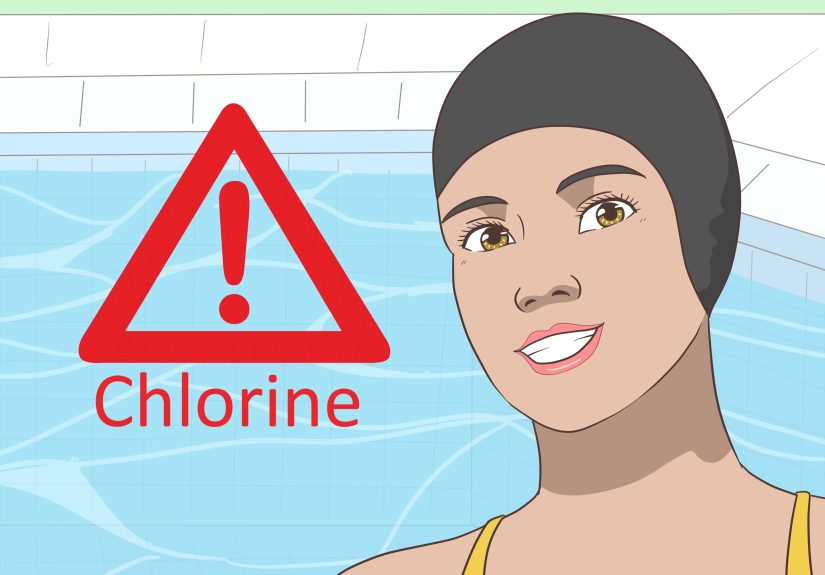
- Pool water & metals: chlorine can dry hair out; metals in pool water can contribute to discoloration.
- Smoke and pollution: environmental exposure can stain and dull hair over time.
Translation: gray hair isn’t “turning yellow because you did something wrong.”
It’s turning yellow because it’s living in the worldwhere the sun shines, water has minerals, and heat tools exist.
Let’s fix it.
Trick #1: Use a Purple Shampoo (But Don’t Treat It Like Regular Shampoo)
If gray hair had a superhero, it would be purple shampoo. Purple sits opposite yellow on the color wheel,
so violet pigments can visually neutralize warm tones and bring back that cooler silver vibe.
The key is using it strategically, not aggressively.
How to use purple shampoo the right way
- Start once a week (or every other week if your hair is dry).
- Wet hair thoroughly, then apply purple shampoo mostly to the areas that look yellow (often the front, crown, or ends).
- Let it sit 1–3 minutes at first. If your product instructions suggest longer, work up gradually.
- Rinse well, then follow with a moisturizing conditioner.
Common mistakes that cause purple shampoo fails
- Using it daily: many purple shampoos can be drying if overusedespecially on naturally gray hair.
- Leaving it on too long: that’s how you end up with a faint violet cast (cute on a sweater, less cute on your scalp line).
- Skipping conditioner: toning without hydration is like cleaning your house and then immediately setting it on fire.
Pro tip: If your hair is fragile, consider alternating between a purple shampoo and a
purple conditioner or toning mask. Conditioners/masks can tone while adding softness and shine.
Trick #2: Detox the Yellow with a Clarifying or Chelating Wash (Especially If You Have Hard Water)
If purple shampoo is your color corrector, a clarifying or chelating shampoo is your “reset button.”
Yellowing often looks worse when there’s a film of product residue or mineral buildup sitting on the hair.
Removing that layer can instantly make gray look brightersometimes even before toning.
Clarifying vs. chelating: what’s the difference?
- Clarifying shampoos focus on removing oils, styling products, and general buildup.
- Chelating shampoos are designed to grab onto minerals/metals (like those found in hard water) and help rinse them away.
How often should you clarify or chelate?
Most people do well with a clarifying wash every 2–4 weeks.
If you have hard water, swim often, or notice quick yellowing, you may benefit from a chelating wash about
once a month (or as directed on the product).
Make it even easier: reduce buildup at the source
- Install a shower filter if hard water is a known issue in your area.
- Rinse hair before swimming (wet hair absorbs less pool water), and rinse immediately after.
- Use a leave-in conditioner before exposure (sun/pool) to reduce dryness and porosity.
Think of this trick as cleaning the “canvas” before you tone. If you try to purple-shampoo over mineral buildup,
you’re basically painting over dust and hoping for a masterpiece.
Trick #3: Turn Down the Heat (and Use Heat Protectant Like It’s a Seatbelt)
Heat styling is a fast track to yellowing because gray hair can be more fragile and prone to dryness.
When hair gets dry and damaged, it can become more porousmeaning it absorbs discoloration more easily and reflects light less evenly.
That combo can make gray look dull and yellow at the same time, which is honestly rude.
Practical ways to reduce heat-related yellowing
- Drop the temperature: you don’t need “surface of the sun” heat for most styles.
- Use heat protectant every time you blow-dry, straighten, or curl.
- Try heat-free styling a couple days a week: air-dry creams, rollers, braids, or loose buns can reduce stress on strands.
- Don’t hover: keep the dryer moving and avoid repeatedly passing an iron over the same section.
If you love hot tools (no judgmentwe all have our vices), make your routine “heat-smart” instead of “heat-happy.”
Your silver tone will thank you.
Trick #4: Protect Gray Hair from Sun, Smoke, and “Life”
Gray hair can yellow from environmental exposureespecially UV light, smoke, and pollution.
Sunlight can oxidize hair and make it look warmer, while smoke can stain and dull it.
You don’t have to live indoors like a stylish vampire, but you do want a simple protection plan.
Easy protection habits that actually work
- Wear a hat when you’ll be outside for long stretches (bonus: instant cool-person energy).
- Use UV-protective hair products (many leave-ins and sprays are made for sun exposure).
- Rinse after outdoor workouts if you sweat heavilysalt + sun can leave hair feeling rough and dull.
- Avoid smoky environments when possible, and wash/clarify as needed if you’re frequently exposed.
Also: dryness makes everything worse. The more hydrated your hair is, the better it reflects lightand the less “yellow” it tends to look.
Which brings us to a sneaky truth: sometimes you don’t need more toningyou need more moisture.
Trick #5: Add a Gloss or Toning Treatment for a Fast, Silver-Boosting Upgrade
If purple shampoo is maintenance, a gloss or toner is the glow-up.
Many at-home glosses and toning treatments deposit a small amount of cool pigment and add shine.
Shine matters because gray hair can go dull easily, and dullness makes yellow tones look louder.
Your options (from simplest to “I mean business”)
- At-home toning gloss: quick in-shower treatments that boost tone and shine.
- Toning mask: a deeper conditioning step with subtle pigment.
- Salon gloss/toner: best if you want more precise correction or your hair yellows quickly.
How to choose the right toning approach
- If your hair is slightly warm: purple shampoo + mask may be enough.
- If your hair is consistently yellow: add monthly glossing or a salon toner.
- If your hair is dry and rough: prioritize conditioning first, then tone (dry hair grabs pigment unevenly).
The goal is not to “fight your hair” every wash day. The goal is to build a routine where your gray stays bright
with minimal dramalike a well-trained houseplant.
Quick Troubleshooting: Why Your Gray Still Looks Yellow
- You’re toning over buildup: clarify/chelate first, then tone.
- Your water is the problem: hard water minerals can undo your effortconsider a shower filter.
- You’re overusing purple shampoo: dryness can make hair look dull and warm; reduce frequency and add moisture.
- Heat exposure is constant: lower temps + heat protectant + fewer passes.
- UV exposure is high: hats and UV hair products can make a bigger difference than you think.
Real-World Experiences: What People Actually Notice (and What Finally Works)
Advice is great, but most people don’t experience yellowing in a neat, textbook way. It’s usually more like:
“My hair looked amazing last month… and now it’s giving scrambled eggs?”
Here are a few common real-life patterns people run intoand what tends to help the most.
1) The ‘Hard Water Mystery’ Experience: A lot of people swear they didn’t change anythingsame shampoo, same routine
but their gray suddenly looks warmer. Often, the hidden change is water: moving apartments, traveling, seasonal water shifts,
or even just a longer streak of not clarifying. In these cases, purple shampoo alone can feel like it’s “not working,”
because it’s trying to correct color through a layer of mineral film. The game-changer is usually a chelating wash
followed by a moisturizing mask. People often describe the result as their hair looking “lighter” and “cleaner” immediately,
even before toning. After that reset, purple shampoo starts acting like the hero it was born to be.
2) The ‘I Only Use Heat on Special Days’ (But Special Days Are Daily) Experience:
Many gray-haired folks don’t think they use that much heatuntil they add it up: blow-dry after every wash,
touch-ups on bangs, quick passes with a flat iron, plus a hot brush when humidity attacks.
Gray hair can yellow gradually from repeated heat exposure, and people often notice it most around the crown,
hairline, and ends. The fix that feels most realistic isn’t “never use heat again,”
but “use heat like a professional”: lower temps, a real heat protectant, and fewer repeated passes.
A lot of people say the biggest improvement isn’t just less yellowit’s more shine and softness,
which makes the whole silver tone look brighter.
3) The ‘Swimmer’s Surprise’ Experience: People who swim (or spend lots of time in pools during summer)
frequently notice discoloration, dryness, and a tone shiftsometimes yellow, sometimes dull, sometimes oddly brassy.
The common experience is: “I toned it… and it still looks off.” The routine that tends to work best is prevention + cleanup:
wet hair before the pool, use a protective leave-in, rinse immediately after, and clarify/chelate on a schedule.
Many also find that deep conditioning becomes non-negotiable, because dry hair looks warmer no matter what you do.
4) The ‘Purple Shampoo Overconfidence’ Experience:
Purple shampoo is amazing, but plenty of people learn the hard way that “if a little is good, a lot must be better” is a trap.
Overuse can dry hair out, and dry hair can look dull, rough, andironicallymore yellow in certain lighting.
Some people also end up with a faint purple cast that shows up in photos like a surprise filter.
The most common “aha” moment is switching from daily purple shampoo to a once-a-week plan,
adding a moisturizing conditioner or mask, and clarifying monthly. People often describe the result as more “polished” and less “chalky.”
5) The ‘Lighting Betrayal’ Experience: This one is sneaky: gray hair can look perfect in one bathroom mirror
and weirdly warm in another. Warm indoor bulbs, yellow-toned vanity lights, and even sunlight direction can change how your hair reads.
A lot of people find it helps to judge results in natural daylight and focus on overall shine and softnessnot just “is it icy enough.”
If you chase a super-cool tone under warm lighting, you might over-tone and end up with purple/flat-looking hair in daylight.
The best experience-based advice: aim for bright and healthy first, then tone gently.
The consistent theme across real experiences is simple: the “fix” is usually a combination of
reset (remove buildup) + tone (neutralize yellow) + protect (prevent it from coming back).
Once those three pieces are in place, most people find gray hair becomes easiernot harderto maintain.
And that’s the real flex: effortless-looking silver that doesn’t require you to become a full-time hair scientist.
Conclusion: Keep Your Gray Bright Without the Drama
To get rid of yellowness in gray hair, you don’t need a dozen productsyou need the right handful used the right way.
Start with weekly (or biweekly) purple shampoo, detox buildup with clarifying or chelating washes,
reduce heat damage, protect from sun and environmental staining, and consider a gloss or toning mask for an extra brightness boost.
Keep your hair hydrated, stay consistent, and remember: your gray doesn’t need to be “perfect.”
It just needs to look like you meant itand you absolutely did.