Table of Contents >> Show >> Hide
- What Are Flax Seeds?
- Flaxseed Oil: A More Concentrated Option
- Health Benefits of Flax Seeds and Flaxseed Oil for Diabetes
- How to Incorporate Flax Seeds and Flaxseed Oil into Your Diet
- What the Research Says
- Side Effects and Considerations
- Conclusion
- Personal Experiences with Flax Seeds and Flaxseed Oil for Diabetes
Diabetes is a chronic condition that affects millions of people worldwide, but managing it effectively is possible with the right combination of diet, exercise, and medications. Among the many natural supplements and dietary changes people are exploring, flax seeds and flaxseed oil have gained significant attention due to their potential health benefits, particularly for those living with diabetes. In this article, we’ll take a deep dive into the benefits of flax seeds and flaxseed oil for diabetes, how to incorporate them into your diet, and what the latest research says about their effects.
What Are Flax Seeds?
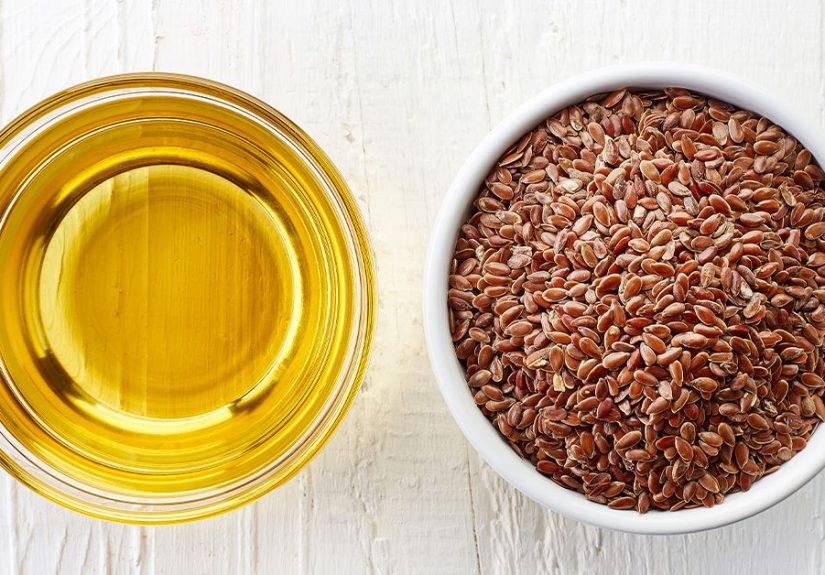
Flax seeds are tiny, golden or brown-colored seeds derived from the flax plant (Linum usitatissimum). These seeds have been a staple in human diets for centuries due to their impressive nutritional profile. Rich in fiber, healthy fats, and antioxidants, flax seeds are considered a superfood. However, it’s their high content of omega-3 fatty acids and lignans that make them particularly beneficial for people with diabetes.
The Role of Flax Seeds in Managing Diabetes
Flax seeds are a powerhouse of soluble fiber, which can help slow the absorption of sugar into the bloodstream, preventing blood sugar spikes after meals. This makes flax seeds a valuable addition to the diet of those managing type 2 diabetes. Additionally, flax seeds are rich in alpha-linolenic acid (ALA), a type of omega-3 fatty acid that has been shown to help reduce inflammation, a common issue in people with diabetes.
Flaxseed Oil: A More Concentrated Option
Flaxseed oil is another popular supplement derived from flax seeds. It is essentially the oil extracted from the seeds, offering a concentrated form of omega-3 fatty acids. Unlike flax seeds, which contain both soluble fiber and omega-3s, flaxseed oil provides a higher concentration of ALA, making it a potent option for managing inflammation and supporting heart health, both of which are crucial for individuals with diabetes.
How Flaxseed Oil Affects Blood Sugar Control
Studies have suggested that flaxseed oil may help improve insulin sensitivity, which is often impaired in people with diabetes. Insulin sensitivity refers to how effectively the body responds to insulin, and improving it can help lower blood sugar levels. Some research indicates that supplementing with flaxseed oil could assist in better glucose management and reduce the need for higher doses of insulin.
Health Benefits of Flax Seeds and Flaxseed Oil for Diabetes
There are several compelling reasons to consider adding flax seeds or flaxseed oil to your diabetes management plan. Let’s take a closer look at some of the health benefits these superfoods provide:
1. Lower Blood Sugar Levels
The soluble fiber in flax seeds can help slow down the absorption of glucose from food, leading to lower post-meal blood sugar spikes. Additionally, flaxseed oil’s omega-3 fatty acids help support better glucose metabolism. These effects combine to help improve blood sugar control over time.
2. Heart Health Support
Heart disease is a common complication for those with diabetes, making heart health a top priority. Both flax seeds and flaxseed oil are rich in omega-3 fatty acids, which are known to support heart health by reducing inflammation, lowering blood pressure, and improving cholesterol levels. This can help lower the risk of cardiovascular diseases, a concern for people with diabetes.
3. Anti-Inflammatory Properties
Inflammation is another issue that people with diabetes often face. Flax seeds and flaxseed oil are rich in lignans and omega-3s, both of which have potent anti-inflammatory effects. Chronic inflammation can contribute to insulin resistance, making it harder for the body to use insulin efficiently. By reducing inflammation, flax seeds and flaxseed oil may help improve insulin sensitivity.
4. Weight Management
Maintaining a healthy weight is an essential part of managing diabetes. The high fiber content of flax seeds helps promote satiety, making you feel fuller for longer and potentially reducing overall calorie intake. This can help with weight management, which is often a key part of diabetes treatment, especially for those with type 2 diabetes.
5. Digestive Health
Flax seeds are an excellent source of dietary fiber, which is crucial for digestive health. Fiber helps regulate bowel movements and prevents constipation, which can be a common issue for people with diabetes. Additionally, flax seeds contain mucilage, a gel-like substance that helps soothe the digestive tract and improve gut health.
How to Incorporate Flax Seeds and Flaxseed Oil into Your Diet
Adding flax seeds and flaxseed oil to your diet is easy and can be done in a variety of ways. Here are some simple ideas to help you get started:
Flax Seeds
- Sprinkle them on your salad: Add a tablespoon of ground flax seeds to your salad for a nutritional boost.
- Mix into smoothies: Blend flax seeds into your favorite smoothie for added fiber and omega-3s.
- Bake them into bread: Use ground flax seeds as an egg replacement in baking for vegan-friendly recipes.
- Add to yogurt: Stir flax seeds into yogurt or oatmeal for extra crunch and nutrition.
Flaxseed Oil
- Drizzle on salads: Use flaxseed oil as a salad dressing for a healthy dose of omega-3s.
- Mix into smoothies: Add flaxseed oil to your smoothies for a smooth, heart-healthy addition.
- Use in cooking: While flaxseed oil has a low smoking point, it can be used in low-heat cooking or added to dishes after cooking for an extra boost.
What the Research Says
Numerous studies have investigated the effects of flax seeds and flaxseed oil on diabetes management. Research has shown promising results, particularly in improving insulin sensitivity and reducing inflammation. For instance, a 2013 study published in the Journal of Clinical Nutrition found that supplementing with flaxseed oil helped improve blood sugar control in people with type 2 diabetes. Another study in 2016 indicated that flaxseed consumption was linked to a reduction in blood pressure and improved heart health in diabetic individuals.
Side Effects and Considerations
While flax seeds and flaxseed oil are generally considered safe for most people, they should be consumed in moderation. Excessive consumption of flax seeds may cause digestive discomfort due to their high fiber content. Additionally, flaxseed oil should not be used for high-heat cooking, as it has a low smoking point, which can cause it to lose its nutritional value and even produce harmful compounds.
Conclusion
Flax seeds and flaxseed oil offer numerous health benefits for people with diabetes, from improving blood sugar control to supporting heart health and reducing inflammation. By incorporating these superfoods into your diet, you can take a proactive step toward managing your diabetes naturally. However, as with any dietary supplement, it’s important to consult with your healthcare provider before making significant changes to your diet, especially if you’re on medication for diabetes.
Personal Experiences with Flax Seeds and Flaxseed Oil for Diabetes
When I first started incorporating flax seeds into my diet, I noticed an immediate change in how I felt after meals. As someone who had struggled with post-meal blood sugar spikes, the addition of flax seeds seemed to help regulate my levels more effectively. I began sprinkling them on salads, adding them to smoothies, and even incorporating them into baked goods. Over time, my blood sugar readings became more stable, and I felt more energized throughout the day.
Flaxseed oil became a staple in my kitchen when I realized how easy it was to drizzle it on my salads or mix it into smoothies. Not only did it make my meals more satisfying, but I also started to notice improvements in my heart health. My blood pressure remained stable, and I felt a general sense of well-being that I hadn’t felt in years. For anyone looking for a natural supplement to support their diabetes management, I highly recommend giving flax seeds and flaxseed oil a try. Just be sure to talk to your doctor, especially if you’re on any medications.
Overall, these natural superfoods have made a significant difference in my diabetes management, and I’m excited to continue incorporating them into my diet for long-term health benefits. If you’re struggling with diabetes, I encourage you to give flax seeds and flaxseed oil a chance they may be the game-changer you need.