Table of Contents >> Show >> Hide
- Why Dracaena Works So Well Indoors
- Best Dracaena Varieties for Indoor Growing
- How to Grow Dracaena Indoors Successfully
- How to Care for Dracaena Long Term
- How to Propagate Dracaena Indoors
- Common Dracaena Problems and How to Fix Them
- Is Dracaena Safe Around Pets?
- Indoor Grower Experiences: What Living With Dracaena Actually Feels Like
- Final Thoughts
If you have ever wanted a houseplant that looks stylish, acts low-maintenance, and only occasionally judges your life choices, dracaena is a strong contender. This leafy favorite has been decorating living rooms, offices, dorms, and “I swear I’m getting my life together” apartments for years. And for good reason: dracaena is adaptable, attractive, and forgiving enough that missing a watering once in a while usually does not trigger immediate botanical betrayal.
Dracaena is not just one plant, either. It is a group of popular indoor plants that includes favorites like the Madagascar dragon tree, corn plant, Janet Craig, Lemon Lime, and Song of India. Some are tall and dramatic. Some are compact and tidy. All of them bring that clean, architectural look that makes a room feel a little more polished, even if the laundry chair in the corner disagrees.
The trick to growing dracaena indoors is not doing more. It is doing the right things consistently. Give it the right light, avoid drowning it with love and water, use a well-draining potting mix, and keep an eye on those leaf tips. That is the real secret. Below, you will find everything you need to grow and care for dracaena indoors successfully, from light and watering to pruning, propagation, and troubleshooting the classic “why are my leaves turning brown?” panic spiral.
Why Dracaena Works So Well Indoors
Dracaena earns its indoor reputation honestly. It tolerates lower light better than many tropical houseplants, handles average home temperatures with grace, and grows slowly enough that it does not become a jungle monster by next Tuesday. It also comes in a wide range of forms and leaf colors, so you can pick one that suits your space instead of forcing a giant plant into a tiny corner and pretending that was the plan all along.
Many indoor gardeners love dracaena because it looks more demanding than it really is. A tall cane dracaena in a simple pot can make a room feel finished. A smaller dragon tree on a desk can make you look like someone who owns matching notebooks. It is a plant with presence, but not a plant that demands a daily emotional support meeting.
Best Dracaena Varieties for Indoor Growing
Madagascar Dragon Tree
Dracaena marginata is one of the most recognizable types, with narrow arching leaves and a tall, cane-like form. It is great for corners, offices, and spots that need vertical interest without taking up much floor space.
Corn Plant
Dracaena fragrans, often sold as corn plant or mass cane, has broader leaves and a fuller tropical look. It tends to feel softer and more lush than the dragon tree, making it a good fit for living rooms and bedrooms.
Janet Craig
This classic variety has dark green leaves and a tidy, elegant form. It is a favorite for low-light interiors and is often the plant equivalent of a reliable black sweater: not flashy, always useful.
Lemon Lime and Song of India
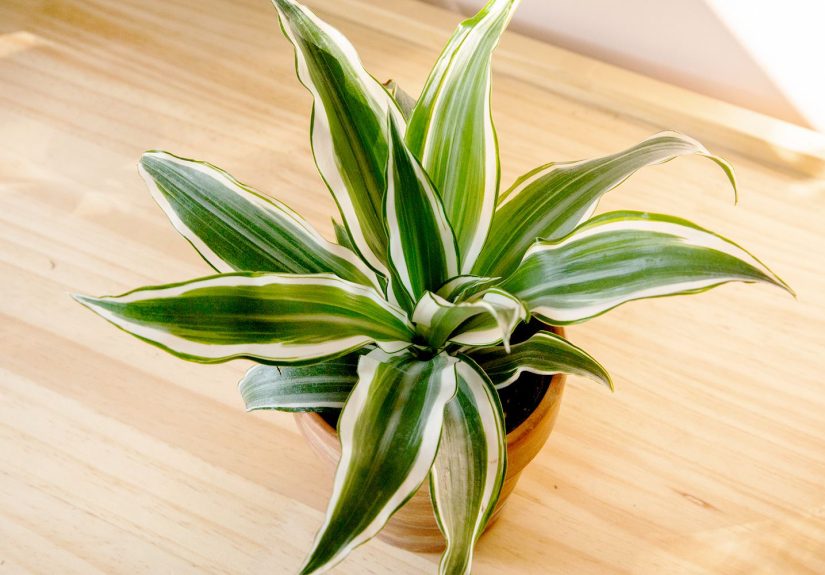
These variegated types bring more color to the party with green, yellow, and cream striping. They look fantastic in bright indoor spaces, where the leaf color shows off best.
How to Grow Dracaena Indoors Successfully
1. Give It Bright, Indirect Light
Dracaena grows best in bright, indirect light. Near an east-facing window is usually excellent. A few feet back from a south- or west-facing window can also work well, especially if sheer curtains soften the intensity. Strong direct sun, especially hot afternoon sun, can scorch the leaves. If your dracaena starts looking pale, bleached, or crispy, the sun may be a little too enthusiastic.
The good news is that dracaena tolerates medium and even lower light better than many other houseplants. The trade-off is slower growth. In lower light, your plant may stretch, look leggier, or lose some of its strong color contrast. That is not a tragedy. It is just your dracaena politely asking for a brighter seat at the table.
2. Water Less Than Your Instincts Suggest
Overwatering is the most common way people get into trouble with dracaena. This plant likes the soil to dry slightly between waterings. A good rule is to water when the top inch of soil feels dry. Then water thoroughly until excess drains from the bottom, and empty the saucer so the roots are not left sitting in soggy soil like a pair of wet socks.
In spring and summer, that may mean watering every one to two weeks, depending on light, temperature, pot size, and humidity. In winter, watering usually slows down. A dracaena in a dim room during winter can stay damp longer than you expect, which is why random “just in case” watering is often where the drama begins.
If the lower leaves yellow and drop while the soil stays wet for days, you are probably overwatering. If the leaf tips turn brown and the plant feels bone dry, you may be underwatering or dealing with dry indoor air. Dracaena does not always faint dramatically when thirsty. Sometimes it just gets crunchy at the edges and leaves you to figure out the rest.
3. Use the Right Water
Dracaena can be sensitive to fluoride, salts, and chemicals in tap water, and that sensitivity often shows up as brown leaf tips or scorched-looking margins. This is one of those annoying plant facts that makes you feel like your houseplant has opinions about municipal infrastructure.
If your dracaena keeps getting brown tips despite decent watering habits, try filtered water, distilled water, or rainwater. Also flush the soil occasionally by watering thoroughly so built-up salts can drain away. That simple switch often improves the plant’s appearance more than people expect.
4. Pick a Well-Draining Potting Mix and a Pot With Drainage
Dracaena likes a rich but airy potting mix that drains well. A standard indoor plant mix works well, especially if it does not stay heavy and soggy. The pot matters just as much as the soil. Always choose a container with drainage holes. Decorative cachepots are fine, but the inner nursery pot needs a path for excess water to escape.
If you love pretty pots with no drainage, keep them as outer covers only. A dracaena living full-time in a sealed pot is basically being set up for a root-rot subplot.
5. Keep Temperatures Comfortable and Drafts Under Control
Dracaena prefers normal indoor temperatures, generally around 60 to 75 degrees Fahrenheit. It appreciates warmth but not harsh heat, and it dislikes cold drafts. Do not place it right next to an AC vent, drafty door, radiator, or heater. A plant that lives in a constant tug-of-war between warm dry air and chilly blasts will eventually complain, usually through leaf browning, drooping, or general grumpiness.
6. Aim for Moderate Humidity
Average indoor humidity is often acceptable, but dracaena tends to look better with moderate humidity, especially in winter when indoor air gets dry. If your home feels like a toasted cracker from November through February, the plant probably notices too.
You can help by grouping plants together, using a humidifier, or placing the pot on a pebble tray with water below the pot line. Misting can offer a temporary boost, but it is not the only answer. Consistent room humidity does more than a dramatic spray bottle performance every few days.
7. Fertilize Lightly
Dracaena is not a heavy feeder. In fact, too much fertilizer can do more harm than good, especially if it adds to salt buildup in the soil. During spring and summer, use a balanced houseplant fertilizer at half strength about once a month, or go even lighter and feed only once or twice during the growing season if your plant already looks healthy.
The key theme here is restraint. Dracaena is not training for a bodybuilding competition. It just wants enough nutrition to support steady, healthy growth.
How to Care for Dracaena Long Term
Pruning and Shaping
One of the best things about dracaena is how well it responds to pruning. If the plant gets too tall, too leggy, or too bare, cut the cane back to the height you want using clean, sharp pruners. New growth usually appears below the cut, which helps the plant become fuller over time.
You can also trim off brown tips or remove older yellowing leaves to keep the plant tidy. Just do not go wild and remove half the foliage because one tip got crispy. That is not pruning. That is an emotional reaction.
Cleaning the Leaves
Dusty leaves reduce the plant’s ability to photosynthesize well and can make a healthy plant look tired. Wipe the leaves gently with a soft, damp cloth every few weeks. Your dracaena will look shinier, healthier, and slightly more expensive.
Repotting
Dracaena is a relatively slow grower indoors, so it does not need frequent repotting. Usually, repotting is only necessary when roots are circling the pot, pushing through the drainage holes, or the plant dries out unusually fast after watering. Move up just one pot size, not three. Too much extra soil can stay wet too long and create trouble around the roots.
Fresh potting mix during repotting also helps refresh the root zone, especially if fertilizer salts have built up over time.
How to Propagate Dracaena Indoors
Dracaena is refreshingly easy to propagate, which means one plant can eventually become two, three, or enough to make your windowsill look like a small private jungle.
Stem Cutting Method
Take a healthy stem cutting with several nodes using sanitized pruners. You can root the cutting in water or plant it directly in moist potting mix. Bright, indirect light and warm conditions help speed up rooting. If you root in water, transfer the cutting to soil once a healthy root system develops so it can adapt to real pot life instead of staying in a glass forever like a decorative science project.
Cane Cuttings
Longer bare stems can be cut into sections and rooted as cane cuttings. This method is especially helpful for older, leggy plants. Each section can produce new shoots and roots when kept warm and slightly moist.
Air Layering
For larger canes, air layering is another option. It takes a bit more patience, but it can be a good way to produce a new plant while still keeping the parent plant looking decent during the process.
Common Dracaena Problems and How to Fix Them
Brown Leaf Tips
This is the classic dracaena complaint. The usual suspects are fluoride or salt buildup, dry air, inconsistent watering, or too much fertilizer. Try better-quality water, increase humidity, trim back on feeding, and keep your watering routine more even.
Yellow Leaves
Some older lower leaves yellowing now and then is normal. A lot of yellow leaves at once usually points to overwatering, poor drainage, or roots sitting in wet soil too long. Let the soil dry a bit more between waterings and check that the pot drains properly.
Drooping or Leaf Drop
If your dracaena starts dropping leaves, check the soil first. Constant wetness can suffocate roots and lead to leaf drop. Sudden environmental changes, cold drafts, and very low light can also contribute.
Brown Patches or Scorched Leaves
Harsh direct sun can scorch dracaena leaves. Move the plant slightly back from the window or filter the light. Think “bright but gentle,” not “full desert spotlight.”
Pests
Spider mites, mealybugs, scale, aphids, thrips, and fungus gnats can all show up, especially if the plant is stressed. Inspect the undersides of leaves and around the leaf bases regularly. Isolate affected plants, wipe leaves clean, rinse the foliage, and treat with insecticidal soap or another appropriate indoor plant treatment. Catching pests early is much easier than waiting until your dracaena looks like it joined the wrong club.
Root Rot
Root rot usually comes from soil that stays wet too long. If the plant smells sour, the stems feel soft at the base, or the roots look dark and mushy, act quickly. Remove the plant from the pot, trim damaged roots, repot into fresh well-draining mix, and correct the watering pattern that caused the issue.
Is Dracaena Safe Around Pets?
Dracaena is not considered pet-safe. It can be toxic to cats and dogs if chewed or eaten. For pet households, place it well out of reach or choose a different houseplant altogether. A tall shelf or plant stand may solve the problem in some homes, but a determined cat often treats “out of reach” as a light suggestion.
Indoor Grower Experiences: What Living With Dracaena Actually Feels Like
One of the most common experiences people have with dracaena indoors is that it starts off as the “easy plant” and then quietly teaches them that easy does not mean invisible. It still reacts to its environment. It just does so with more subtlety than a dramatic peace lily. A new grower often brings home a beautiful dragon tree, puts it in a dark corner because the label said “low light,” waters it every Saturday out of habit, and then feels deeply betrayed when the leaves start yellowing. In reality, the plant was never trying to be difficult. It was simply tolerating conditions, not thriving in them.
Another very real dracaena experience is discovering that brown tips do not always mean disaster. Lots of indoor growers go through a brief period of panic when the leaves begin crisping at the ends. They assume the plant has a rare disease, a tragic curse, or a personal grudge. Usually, it is something far less dramatic: dry winter air, inconsistent watering, mineral-heavy tap water, or a little fertilizer buildup. Once those things are adjusted, the plant often stabilizes. Existing brown tips will not magically turn green again, but new growth usually looks much better. That is a reassuring turning point for many people.
There is also the classic office dracaena story. A plant sits in an office lobby or conference room for months looking perfectly respectable in conditions that would make fussier houseplants compose farewell letters. That kind of resilience is exactly why dracaena is so popular. It handles average indoor life well. Still, the healthiest home-grown dracaenas are usually the ones that get slightly better care than “occasional hallway lighting and mysterious communal watering.” A brighter window, a little humidity, and proper drainage can take the plant from merely surviving to genuinely handsome.
Many growers also discover that pruning dracaena is much less scary than it sounds. The first cut feels bold, almost rude. Then a few weeks later, fresh shoots appear below the cut, and suddenly the plant looks fuller and better balanced. That moment changes how people feel about the plant. Instead of treating it like a fragile museum object, they start treating it like a flexible, long-term indoor companion that can be shaped and refreshed over time.
Perhaps the most satisfying part of growing dracaena indoors is that it rewards patience. It does not explode with growth overnight, but it gradually becomes part of the room. A cane thickens. A crown fills out. A once-small plant becomes a favorite corner piece that people notice when they walk in. Dracaena is not flashy in a high-maintenance way. Its appeal is steadier than that. It makes indoor spaces feel calmer, greener, and more finished, all while asking for care that is realistic for normal, busy people. In the world of houseplants, that is a very good deal.
Final Thoughts
If you want a houseplant that looks polished without demanding a full-time support staff, dracaena is a smart choice. It thrives with bright, indirect light, moderate watering, a well-draining mix, and a little restraint. That last part matters. Most dracaena problems come from too much water, too much fertilizer, too much direct sun, or too much panic.
Keep the care simple, observe the plant instead of guessing, and adjust when the leaves tell you something useful. Dracaena may not speak, but it absolutely leaves notes. Learn to read them, and you can grow a healthy, handsome plant indoors for years.