Table of Contents >> Show >> Hide
- The short answer: Is coconut palm sugar safe for diabetes?
- What is coconut palm sugar, exactly?
- Why coconut palm sugar gets so much hype
- Why people with diabetes should still be cautious
- A practical comparison: Coconut palm sugar vs. regular sugar
- Can you eat coconut palm sugar if you have diabetes?
- How to use coconut palm sugar more safely
- Are there better sweetener options for diabetes?
- When coconut palm sugar is probably not your best move
- Common real-world experiences with coconut palm sugar and diabetes
- Final verdict
- SEO Tags
If coconut palm sugar had a publicist, that publicist would deserve a raise. It is sold as earthy, natural, less processed, and somehow more virtuous than regular white sugar. For people living with diabetes or prediabetes, that marketing can sound like a tiny tropical miracle: same sweetness, less guilt, fewer blood sugar fireworks. But nutrition rarely works like a glossy package label. Your body is not fooled by a rustic color, a coconut tree on the bag, or wellness buzzwords wearing linen pants.
So, is coconut palm sugar safe for diabetes? The honest answer is: it can fit in small amounts, but it is not a free pass. Coconut palm sugar is still sugar. It still contains digestible carbohydrates. It still counts toward your added sugar intake. And if you use it the same way you use table sugar, your blood glucose may still rise in a very familiar, very un-magical way.
That does not mean you must banish it from your kitchen like a villain in a daytime medical drama. It means you should treat it with the same respect you would give other caloric sweeteners: measure it, count it, and keep your overall eating pattern in mind. The smartest question is not “Is coconut palm sugar healthy?” but “How does it affect my blood sugar, my portions, and my daily carb goals?” That question gets you much closer to reality than any package claiming “natural sweetness.”
The short answer: Is coconut palm sugar safe for diabetes?
Yes, people with diabetes can eat coconut palm sugar in moderation, but it should not be treated as a special diabetes-friendly sweetener. It may be slightly lower on the glycemic index than regular table sugar in some references, and it contains trace amounts of minerals. But the practical difference is smaller than the marketing makes it sound.
In day-to-day life, coconut palm sugar behaves more like a cousin of regular sugar than a nutritional superhero. It can fit into a diabetes meal plan the same way other sweets can fit: occasionally, thoughtfully, and in portions that do not bulldoze your carbohydrate budget for the rest of the day.
What is coconut palm sugar, exactly?
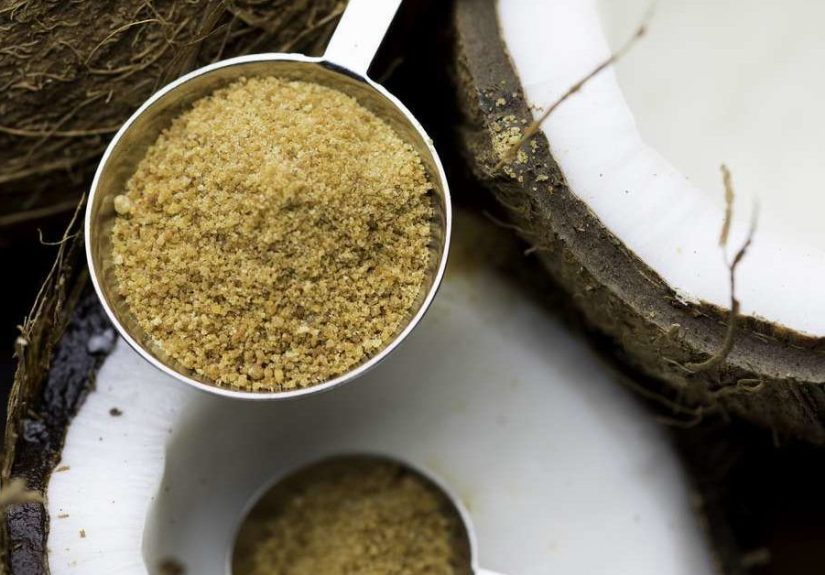
Coconut palm sugar, often called coconut sugar, is a granulated sweetener sold as a less refined alternative to white sugar. It usually has a brown color and a flavor that is a little caramel-like, with hints that make people think of brown sugar crossed with a beach vacation. It is commonly added to coffee, tea, baked goods, sauces, marinades, oatmeal, and so-called “healthier” desserts.
Its biggest selling points are simple: it sounds more natural, it looks less processed, and it comes with claims that it is gentler on blood sugar. That last point is what attracts many people with diabetes. But “sounds healthier” and “works better metabolically” are not the same sentence.
Why coconut palm sugar gets so much hype
1. It may have a slightly lower glycemic index
This is the headline claim you see most often. Some nutrition experts note that coconut sugar may raise blood sugar a bit more slowly than regular table sugar. That sounds impressive until you remember two important details: first, “a bit more slowly” does not mean “does not raise blood sugar,” and second, real meals are not eaten in a laboratory. What you eat with the sugar, how much you use, and how your body responds matter more than a marketing-friendly number on a chart.
2. It contains trace minerals
Coconut palm sugar is often praised for containing small amounts of minerals such as potassium, iron, zinc, and calcium. That sounds lovely. The catch is that the amounts are tiny. To get meaningful nutritional benefit from those minerals, you would need to eat enough coconut sugar to defeat the whole purpose of trying to manage blood sugar in the first place. That is like bragging that your cupcake contains a heroic crumb of spinach.
3. It feels less processed
Many people assume that “less processed” automatically means “better for diabetes.” Sometimes that idea holds up. Often, it does not. Coconut palm sugar may be less refined than white sugar, but your bloodstream does not hand out bonus points for rustic branding. If a sweetener adds digestible carbohydrate and extra calories, it still deserves a place in the “use thoughtfully” category.
Why people with diabetes should still be cautious
It is still an added sugar
This is the main point, and it deserves to wear a spotlight. Coconut palm sugar is still added sugar. That means it contributes sweetness, carbohydrates, and calories without becoming nutritionally special just because it sounds earthy and wholesome. If you have diabetes, the total amount you eat still matters.
It is very similar to regular sugar in real life
Even when coconut sugar is described as slightly lower on the glycemic index, experts still tend to place it in the same broad category as other caloric sweeteners. In practical terms, swapping white sugar for coconut sugar does not magically turn cookies into blood-sugar-neutral fitness equipment. You are mostly making a flavor choice, not a dramatic metabolic upgrade.
Portion size matters more than the “natural” label
A measured small amount in a recipe is one thing. A generous pour into coffee, oatmeal, yogurt, a smoothie, and then dessert later is another. People often get into trouble not because coconut sugar is uniquely dangerous, but because it wears a halo that encourages bigger portions and more frequent use.
Your overall meal pattern matters
If you eat coconut palm sugar as part of a balanced meal that includes protein, fiber, and healthy fat, the blood sugar effect may be easier to manage than if you consume it in a sweet drink or by itself in a refined dessert. Again, the sweetener is only part of the story. The rest of the plate gets a vote.
A practical comparison: Coconut palm sugar vs. regular sugar
| Question | Coconut Palm Sugar | Regular Table Sugar |
|---|---|---|
| Does it raise blood sugar? | Yes | Yes |
| Is it an added sugar? | Yes | Yes |
| Does it contain calories? | Yes | Yes |
| Does it offer major nutrition benefits? | No, only trace amounts | No |
| Can it fit into a diabetes meal plan? | Sometimes, in measured amounts | Sometimes, in measured amounts |
| Should it be treated like a “free” food? | No | No |
Can you eat coconut palm sugar if you have diabetes?
Yes, but the safest mindset is this: count it, do not crown it. Coconut palm sugar can fit into a diabetes eating plan when used in small, intentional portions. The goal is not perfection. The goal is avoiding the trap of assuming a more expensive sugar is automatically a more blood-sugar-friendly sugar.
For some people, that may mean using a small measured amount in a homemade sauce or baked good once in a while. For others, especially those trying to lower A1C, reduce post-meal spikes, or lose weight, even “healthier” sugars may simply be too easy to overuse. In that case, the better move may be cutting sweetness overall or using a low- or no-calorie sweetener that does not raise blood glucose the same way.
How to use coconut palm sugar more safely
Measure it instead of eyeballing it
The phrase “just a little” has ruined many a blood sugar log. Use measuring spoons when adding coconut palm sugar to coffee, tea, oatmeal, or recipes. What looks like a cute sprinkle can turn into a surprisingly large serving when the spoon gets ambitious.
Count it as part of your carbohydrates
If you use carb counting, coconut palm sugar belongs in the math. If you follow the plate method, it still counts as a sweet add-on that should be kept modest. Either way, it should not float through your meal plan as an invisible ingredient.
Read the label carefully
Coconut sugar often appears in packaged foods marketed as natural, paleo, clean, wholesome, or refined-sugar-free. Those words can distract from the numbers. Check the Nutrition Facts label for total sugars, added sugars, serving size, and the ingredient list. “Made with coconut sugar” is not the same thing as “low in sugar.” Not even close.
Pair sweets with protein, fiber, or fat
If you are going to have a food sweetened with coconut palm sugar, it is usually wiser to eat it as part of a meal or paired snack than as a sugary standalone event. Greek yogurt with nuts, oatmeal with seeds, or a dessert after a balanced dinner will often work better than a sweetened drink on an empty stomach.
Do not waste your sugar budget on beverages
Sweet drinks are sneaky. A little coconut palm sugar in coffee can become several servings before noon if you refill generously and often. Liquid sugar is easy to consume quickly and rarely satisfying enough to justify the glucose drama. If sweetness in drinks is your weak spot, this is usually the best place to cut back first.
Watch your own blood sugar response
Two people can eat the same sweetener and get different results. If your health care team has advised you to monitor after meals, pay attention to what happens when you use coconut palm sugar in real life. Your meter or continuous glucose monitor is far less impressed by marketing than the internet is.
Are there better sweetener options for diabetes?
Sometimes, yes. If your main goal is keeping blood sugar steadier, simply swapping white sugar for coconut palm sugar is often a small improvement at best. Bigger wins usually come from these strategies:
- Using less sweetener overall and retraining your taste buds gradually.
- Choosing fruit to add sweetness to meals such as oatmeal or yogurt.
- Using flavor boosters like cinnamon, vanilla, cocoa, nutmeg, or citrus zest.
- Trying low- or no-calorie sweeteners that generally have less impact on blood glucose.
- Avoiding heavily sweetened beverages and ultra-sugary snacks first.
That said, no sweetener choice can rescue an overall eating pattern built around frequent desserts, sweet drinks, oversized portions, and low fiber intake. Diabetes management is usually won by patterns, not by one heroic ingredient swap.
When coconut palm sugar is probably not your best move
Coconut palm sugar may be a poor fit if you are:
- Trying to bring high post-meal blood sugar spikes back under control.
- Working on weight loss and finding it easy to overeat sweets.
- Using insulin or medications where consistent carbohydrate intake matters.
- Drinking sweetened coffee, tea, or specialty beverages every day.
- Buying “healthy” packaged foods and forgetting that added sugar is still added sugar.
In those cases, the better strategy is often much less glamorous: fewer sweet drinks, simpler snacks, better portions, more fiber, more protein, more vegetables, and fewer foods that depend on any kind of sugar to be worth eating. Not sexy, but very effective. Nutrition has the audacity to be practical.
Common real-world experiences with coconut palm sugar and diabetes
In real life, coconut palm sugar usually enters the picture because someone is trying to make a smart change, not a reckless one. A person gets diagnosed with prediabetes, starts reading labels, and decides white sugar should leave the stage. Coconut palm sugar appears in the grocery store looking wholesome and morally superior. Into the cart it goes, usually with almond flour, chia seeds, and at least one container that promises “clean ingredients.” Hope is high. The pantry is rebranded. The glucose meter, however, stays emotionally detached.
One very common experience is the “healthy dessert loophole.” People use coconut palm sugar in homemade muffins, oatmeal cookies, banana bread, or granola because it feels better than using regular sugar. The food may indeed be less processed overall, and that can be a good thing. But if the recipe still contains a hefty amount of sweetener, the blood sugar response can be underwhelming in the worst possible way. Many people are surprised to learn that a homemade, organic, naturally sweetened treat can still nudge glucose up quite a bit. The body tends to be annoyingly objective like that.
Another common pattern shows up in coffee and tea. A person replaces white sugar with coconut palm sugar and assumes the change is enough. But because the flavor feels milder and more “natural,” they sometimes use more of it without noticing. One morning coffee becomes two, then three, and suddenly a meaningful chunk of the day’s added sugar intake has already happened before lunch. The lesson is not that coconut palm sugar is terrible. The lesson is that routine matters. Repeated small choices add up fast.
There are also people who do fine with it, especially when they use it strategically. They measure a small amount, include it in a meal instead of sipping it alone, and keep the rest of the day fairly balanced. They are not expecting miracles. They simply want a little sweetness without turning every snack into a theme park ride for blood sugar. This group tends to do well because they focus on dose, context, and consistency rather than labels and hype.
Many people also report that their perspective changes once they start tracking their actual response. Seeing post-meal numbers can be clarifying. Coconut palm sugar stops being an abstract “healthy sugar” and becomes what it really is: one variable in a larger eating pattern. Some decide it is worth keeping for occasional baking because they enjoy the flavor. Others realize they would rather save sweetness for something they love more. Quite a few end up lowering sweetness overall and find that, after a few weeks, foods they once considered bland suddenly taste just fine. Taste buds are adaptable, even if they can be a little dramatic during the transition.
That may be the most useful real-world takeaway of all. Success with diabetes rarely comes from finding the one magical sweetener. It comes from building habits you can repeat when life is busy, cravings show up, and marketing gets loud. Coconut palm sugar can be part of that picture, but it should never be mistaken for the whole plan.
Final verdict
Coconut palm sugar is not off-limits for people with diabetes, but it is also not a diabetes-safe loophole. It may be slightly lower on the glycemic index than regular sugar in some cases, and it contains trace minerals, but the differences are not big enough to change the basic rule: it is still added sugar and still needs portion control.
If you enjoy the taste, you can use it occasionally and in measured amounts. Just count it honestly, read labels carefully, and keep your eyes on the big picture: total carbohydrate intake, overall diet quality, meal balance, and your own blood sugar response. In other words, coconut palm sugar can visit your meal plan. It just should not move in, redecorate, and start calling itself a health food.