Table of Contents >> Show >> Hide
- What causes vomiting in pregnancy?
- Is vomiting in pregnancy normal?
- When vomiting may be more serious
- How doctors evaluate vomiting in pregnancy
- Treatments for vomiting in pregnancy
- Everyday tips that may actually help
- When to call a doctor right away
- Can vomiting in pregnancy affect the baby?
- What many real-life experiences with vomiting in pregnancy feel like
- Conclusion
- SEO Tags
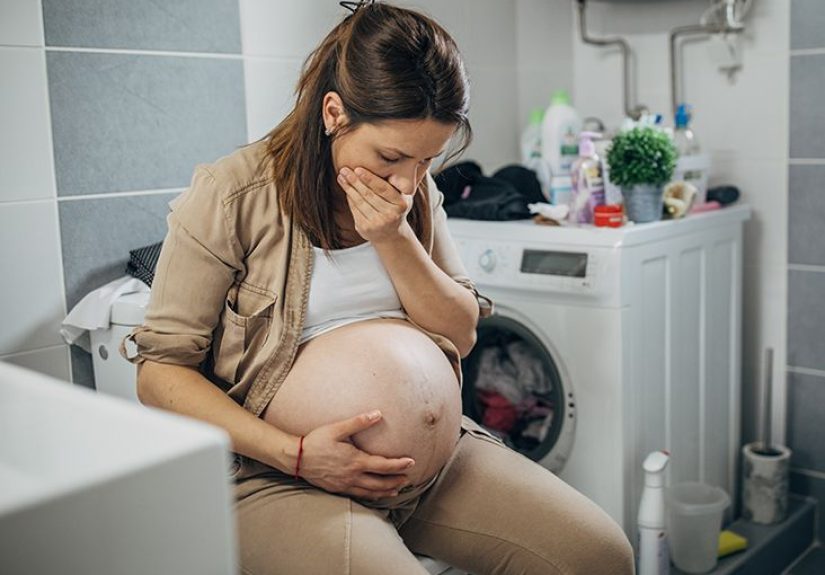
Pregnancy comes with a lot of surprises. Some are sweet, like hearing a heartbeat for the first time. Others are less magical, like gagging because someone opened a jar of pickles three rooms away. Vomiting in pregnancy is one of the most common early symptoms, and while it is often called “morning sickness,” that name is wildly optimistic. It can show up in the morning, the afternoon, at night, or right when you thought you were finally safe enough to brush your teeth in peace.
The good news is that vomiting in pregnancy is often manageable and usually improves as pregnancy moves along. The not-so-fun news is that it can range from mild and annoying to severe enough to interfere with eating, drinking, working, sleeping, and basic human joy. Knowing what causes it, what can help, and when it may be a sign of something more serious can make a hard stretch feel a lot less mysterious.
This guide breaks down the common causes of vomiting in pregnancy, the difference between typical morning sickness and hyperemesis gravidarum, treatment options that doctors commonly recommend, and practical tips for getting through the day when your stomach seems determined to stage a protest.
What causes vomiting in pregnancy?
Vomiting during pregnancy is usually linked to the physical changes that happen early on, especially in the first trimester. Experts do not point to one single cause. Instead, it is more like a messy group project involving hormones, body chemistry, and sensitivity to triggers.
Hormonal changes
One of the biggest suspects is the rapid rise in pregnancy hormones, especially human chorionic gonadotropin, or hCG. This hormone increases quickly in early pregnancy, which is also when nausea and vomiting tend to show up. Estrogen and other hormone shifts may also play a role, which helps explain why some people feel fine one day and suddenly cannot look at scrambled eggs the next.
A heightened sense of smell and taste
Many pregnant people notice that everyday smells become strangely intense. Coffee, fried foods, perfume, toothpaste, or even the inside of the refrigerator can suddenly feel like an attack. When smell sensitivity rises, vomiting often follows close behind.
Individual risk factors
Some people are more likely to have severe symptoms than others. Risk may be higher if you are carrying twins or more, had hyperemesis gravidarum in a previous pregnancy, or tend to get motion sickness. In some cases, vomiting can also be worse when an empty stomach, fatigue, stress, or certain vitamins irritate an already sensitive digestive system.
Is vomiting in pregnancy normal?
In many cases, yes. Mild to moderate nausea and vomiting are common in early pregnancy. Symptoms often begin between weeks 4 and 8 and tend to improve by the second trimester, though some people continue to have symptoms longer. “Normal,” however, does not mean “pleasant,” and it definitely does not mean you need to suffer in silence while pretending crackers count as a personality.
Typical morning sickness may include:
- Nausea that comes and goes
- Occasional vomiting
- Food aversions
- Smell-triggered gagging
- Reduced appetite but some ability to eat and drink
Even when symptoms are common, persistent vomiting should still be discussed with a prenatal care provider. Pregnancy is not the time to guess your way through dehydration with sheer optimism and a half-sipped sports drink.
When vomiting may be more serious
Hyperemesis gravidarum
Hyperemesis gravidarum, often shortened to HG, is the severe end of the nausea-and-vomiting spectrum. It is much more than ordinary morning sickness. HG can lead to dehydration, weight loss, electrolyte imbalances, weakness, dizziness, and an inability to keep enough food or fluids down.
Signs that vomiting may be severe enough to need urgent medical attention include:
- Vomiting that is persistent or happens multiple times a day
- Dark urine or urinating very little
- Dizziness, fainting, or feeling lightheaded
- Dry mouth, weakness, or confusion
- Weight loss or inability to gain weight appropriately
- Not being able to keep liquids down
- Headaches or feeling generally unwell
Some people with HG need IV fluids, prescription anti-nausea medication, lab testing, or even hospital care. Severe cases are not a sign of weakness, poor habits, or failing at pregnancy. They are a medical condition, full stop.
Other conditions can also cause vomiting
Not every episode of vomiting in pregnancy is just morning sickness. Vomiting that starts for the first time after about 9 weeks, or comes with fever, abdominal pain, abdominal tenderness, flu-like symptoms, blood in vomit, or signs of illness, should be checked. A provider may want to rule out dehydration, infection, gastrointestinal issues, thyroid-related problems, or other pregnancy complications.
How doctors evaluate vomiting in pregnancy
If symptoms are frequent or severe, a healthcare provider may ask about when the vomiting started, how often it happens, whether you can keep fluids down, and whether you have lost weight. They may also review medications, prenatal vitamins, and possible trigger foods.
Depending on the situation, evaluation may include:
- A physical exam
- Weight checks
- Urine testing for ketones or dehydration
- Blood tests to look at electrolytes
- Ultrasound in some cases, especially if severe symptoms raise concern for multiple pregnancy or other issues
This is not overkill. It is practical. Pregnancy already involves enough guesswork, like whether your favorite snack will taste delicious or betray you within five minutes.
Treatments for vomiting in pregnancy
Treatment depends on how bad symptoms are, how far along you are, and whether you are becoming dehydrated or losing weight. Mild symptoms can often be managed with food strategies and home care. More severe symptoms may need medication or medical support.
1. Small, frequent meals
An empty stomach often makes nausea worse, so eating small amounts every one to two hours may help. Instead of aiming for three large meals, think in snack-sized installments. Dry or bland foods such as toast, crackers, cereal, rice, or bananas are commonly easier to handle.
2. Avoid trigger foods and smells
Greasy, spicy, high-fat, or strongly scented foods can make vomiting worse. Cold foods are sometimes easier to tolerate because they smell less intense. If a certain smell turns your stomach instantly, trust that information and avoid it without apology.
3. Drink fluids strategically
Hydration matters, but chugging large amounts at once can backfire. Many people do better sipping throughout the day, sucking on ice chips, or taking fluids between meals instead of with them. Water, diluted juice, broth, or clear drinks may be easier to manage than heavy beverages.
4. Try a protein snack
Some pregnant people feel better when they eat a high-protein snack before bed or soon after waking. Nuts, yogurt, cottage cheese, or other gentle protein options may help keep nausea from escalating overnight or first thing in the morning.
5. Ginger
Ginger is a popular option for mild nausea. Some people use ginger tea, ginger chews, ginger capsules, or ginger candies. It is not a miracle for everyone, but it can be worth trying if your provider says it is appropriate for you.
6. Vitamin B6
Vitamin B6, also called pyridoxine, is commonly recommended as a first-line option for nausea and vomiting in pregnancy. It is considered a safe over-the-counter treatment in many cases, but dosage should still be discussed with a healthcare provider, especially if you are taking other supplements.
7. Doxylamine
Doxylamine is an antihistamine that may be used along with vitamin B6. In the United States, a doxylamine-pyridoxine combination is specifically used for nausea and vomiting in pregnancy. Because doxylamine can cause drowsiness, it is not something to start casually without checking with your provider about the right product and timing.
8. Prescription anti-nausea medicine
If symptoms keep getting in the way of eating, drinking, or functioning, a clinician may recommend prescription medication. The right option depends on your symptoms, medical history, and pregnancy stage. The goal is not to make you a hero for suffering. The goal is to help you stay nourished, hydrated, and safe.
9. IV fluids or hospital care
When vomiting leads to dehydration, electrolyte imbalance, or ongoing weight loss, medical treatment may include IV fluids, anti-nausea medicine, and monitoring. In severe cases, extra nutrition support may be needed. Hospital treatment can sound dramatic, but sometimes it is simply the quickest way to stop a downward spiral.
Everyday tips that may actually help
- Keep plain crackers or dry cereal near your bed and eat a little before getting up.
- Get out of bed slowly if sudden movement makes nausea worse.
- Eat before you become very hungry.
- Separate liquids from meals if a full stomach triggers vomiting.
- Wear loose clothing if pressure on your stomach makes symptoms worse.
- Try a different prenatal vitamin schedule if your current one seems to upset your stomach, but only after asking your provider.
- Use unscented products if smells set you off.
- Rest when possible, because exhaustion can make nausea feel louder.
When to call a doctor right away
Contact your healthcare provider promptly if you:
- Cannot keep liquids down
- Have not urinated for many hours or your urine is very dark
- Feel faint, confused, or severely weak
- Have fever, abdominal pain, or abdominal tenderness
- Notice blood in your vomit
- Are losing weight
- Have vomiting that starts later in pregnancy or suddenly gets much worse
When in doubt, call. Pregnancy is not a season for toughing it out just to win an imaginary award for endurance.
Can vomiting in pregnancy affect the baby?
Mild nausea and vomiting generally do not harm the pregnancy. The main concern is what happens when vomiting becomes severe enough to reduce fluid intake, nutrition, or weight. That is why persistent symptoms deserve attention. With proper treatment and follow-up, many people with significant vomiting, including hyperemesis gravidarum, go on to have healthy pregnancies.
What many real-life experiences with vomiting in pregnancy feel like
Talk to enough pregnant people and you quickly learn that vomiting in pregnancy is not one-size-fits-all. For some, it is a gross-but-manageable side effect. For others, it can take over the day like an unpaid full-time job.
One common experience is the “constant low-grade seasick” feeling. Some people are not vomiting every hour, but they feel queasy almost all day. They may force themselves through work meetings with crackers in a desk drawer, avoid elevators because someone’s lunch smells too powerful, and count the minutes until they can lie down. They often say the hardest part is that they look fine from the outside while feeling like they are on a boat during a storm.
Another common experience is being surprised by how random the triggers are. A favorite coffee order suddenly becomes unbearable. Toothpaste becomes a sworn enemy. The smell of cooking chicken can send someone running, while a plain bagel feels like the only trustworthy food on Earth. Many people describe building an entire daily routine around avoiding smells, carrying emergency snacks, and learning exactly where the nearest bathroom is wherever they go.
Then there is the emotional side. Vomiting in pregnancy can be isolating. People may feel guilty for not enjoying pregnancy the way they thought they would. They may worry about whether they are eating enough, wonder if the baby is okay, or feel frustrated that ordinary tasks now require Olympic-level planning. It is also common to feel embarrassed, especially if vomiting happens in public, at work, or during a commute. The reality is that this symptom is incredibly common, and needing support does not mean someone is overreacting.
For those with more severe symptoms, the experience can be physically and mentally exhausting. Someone with hyperemesis gravidarum may describe being unable to keep down water, feeling dizzy after standing, losing weight, and needing IV fluids. In those cases, treatment can be a turning point. Many people feel enormous relief when they finally get medication, hydration, or a clinician who takes their symptoms seriously instead of brushing them off as “just morning sickness.”
There are also plenty of stories of symptoms easing up in the second trimester. Many pregnant people say there is a day, sometimes gradual and sometimes dramatic, when the fog begins to lift. Food starts sounding normal again. Water stays down. The world stops smelling like a disaster zone. Not everyone gets that exact moment, but it is common enough to offer real hope during the roughest weeks.
Perhaps the most shared lesson is this: the best coping strategies are often simple, personal, and a little weird. A certain bland cereal. Ice-cold water in tiny sips. Lemon candy in a pocket. Eating before getting out of bed. Sleeping near an open window. Taking medication on schedule instead of waiting until symptoms explode. Pregnancy vomiting may be common, but each person usually ends up building their own survival kit, one small trick at a time.
Conclusion
Vomiting in pregnancy is common, but that does not mean it should be ignored or minimized. For many people, it is caused by early pregnancy changes and gets better with time, smart food habits, hydration, and safe treatment options such as vitamin B6 or doxylamine under medical guidance. For others, it can become severe enough to require medication, IV fluids, or hospital care.
The key is knowing where you fall on that spectrum. If you can still eat and drink some, home strategies may help. If you are losing weight, feeling faint, or cannot keep fluids down, it is time to call your provider. Pregnancy already asks a lot from the body. There is no reason to let uncontrolled vomiting steal more than it has to.