Table of Contents >> Show >> Hide
- Meet the Mother of Thousands
- Ideal Growing Conditions for Mother of Thousands
- Watering: Keep It on the Dry Side
- Fertilizing and Repotting
- Propagation: From One Plant to… Well, Thousands
- Toxicity: Beautiful but Not Pet-Friendly
- Is Mother of Thousands Invasive?
- Common Problems and How to Fix Them
- Real-Life Tips and Experiences With Mother of Thousands (Extra Deep Dive)
- Conclusion
If you’ve ever wanted a plant that multiplies faster than your online shopping tabs, the Mother of Thousands is your girl. This quirky succulent grows neat rows of tiny babies along the edges of its leaves, just waiting to drop off and root wherever they land. It’s fascinating, tough, and a little bit extrabasically the drama queen of the succulent world.
But with those good looks and easy growth come a few responsibilities: this plant can become invasive in warm climates and is toxic to pets and people if ingested. Treat it like a gorgeous but slightly chaotic roommate: give it boundaries, the right light, and a pot of its own, and you’ll get years of enjoyment.
Meet the Mother of Thousands
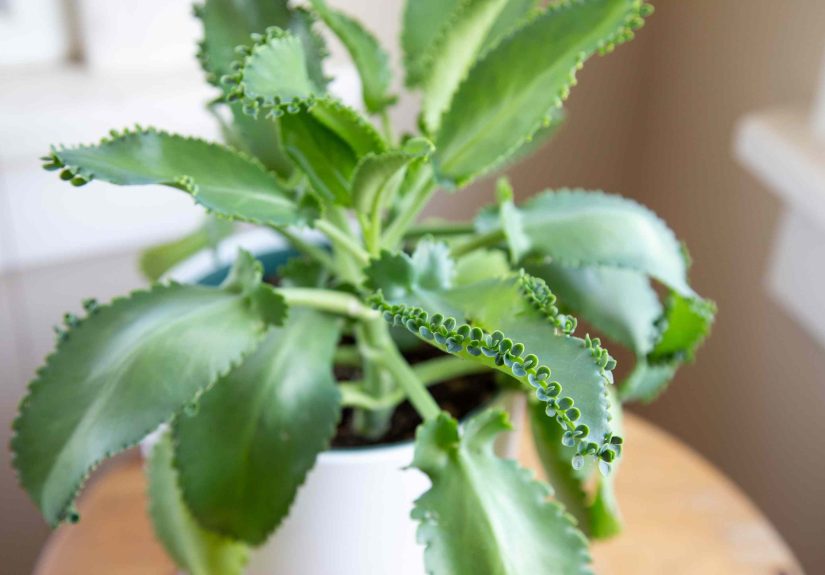
“Mother of Thousands” is the common name for a few closely related Kalanchoe species, most often Kalanchoe daigremontiana and Kalanchoe laetivirens. They’re succulents in the Crassulaceae family, native to Madagascar and well adapted to bright sun, lean soil, and long dry spells.
What makes this plant so famous isn’t just its triangular or paddle-shaped leaves, but the miniature plantlets that grow along the leaf margins. Each little baby already has tiny roots and can become a full plant with almost no effort from you. It’s like owning a plant that constantly hands you free backups “just in case.”
Mother of Thousands vs. Mother of Millions
These two are often confused cousins:
- Mother of Thousands usually has broader leaves, with dense rows of plantlets along the entire edge.
- Mother of Millions tends to have narrower, more tube-like leaves and smaller clusters of plantlets near the tips.
Care is similar, but if you’re reading this for a plant you got from a friend, just know the main difference is leaf shape and how quickly your pot fills up with babies.
Ideal Growing Conditions for Mother of Thousands
Light: Bright, but Not a Desert Blast
Mother of Thousands loves bright, indirect light. Think “sunny window with a sheer curtain,” not “plant left to bake in the full afternoon sun.” Indoors, an east- or bright west-facing window is usually perfect: morning or late-day light with some filter in the harshest hours.
Outdoors (in warm climates), it prefers bright, filtered light or light shade. Too little light leads to stretched, leggy stems and sparse leaves; too much intense sun can scorch the foliage, leaving dry, brown patches.
Quick light checklist
- Spindly, reaching stems = not enough light.
- Crispy brown patches on leaves = too much direct sun.
- Compact, upright growth with full leaves = just right.
Temperature and Humidity
Mother of Thousands prefers typical indoor temperatures between 65–80°F (18–27°C). It’s not frost-hardy and generally grows outdoors year-round only in roughly USDA zones 9–11.
Humidity isn’t a big concern: normal home humidity is fine. In very humid conditions with poor air circulation, the soil may stay wetter for longer, so you’ll need to be extra careful not to overwater.
Soil and Potting Mix
This plant is a true succulent at heart, which means it wants:
- Fast-draining soil – a commercial cactus/succulent mix or regular potting soil mixed with coarse sand or perlite.
- Drainage holes – non-negotiable; standing water is a one-way ticket to root rot.
- Snug but not cramped pot – it tolerates slight root crowding but should still have room to grow.
You can even top the soil with a thin layer of gravel to keep fallen plantlets from rooting everywhere if you’d like to limit its “population growth.”
Watering: Keep It on the Dry Side
Mother of Thousands is drought-tolerant, but not as bulletproof as some desert cacti. The sweet spot is to let the soil dry out almost completely between waterings, then water thoroughly.
How Often Should You Water?
There’s no one-size-fits-all calendar, but here are practical guidelines for indoor plants:
- Spring–summer (active growth): every 2–3 weeks, once soil is dry.
- Fall–winter (slower growth): every 3–4 weeks, sometimes longer.
- In low light or cooler rooms, water less frequently.
One surprisingly accurate trick: pick up the pot. If it feels very light, it’s probably time to water; if it still feels heavy, wait a few more days.
Signs You’re Overdoing or Underdoing Water
- Overwatering: yellowing, mushy leaves; soil smells sour; stems may collapse at the base.
- Underwatering: leaves wrinkle, curl, or feel limp; plant looks tired but not mushy.
When in doubt, lean slightly toward underwatering. It’s much easier for a succulent to recover from thirst than from rot.
Fertilizing and Repotting
Feeding Your Plant
Mother of Thousands is not a heavy feeder. Over-fertilizing can actually weaken growth and encourage leggy stems. Use a diluted, balanced, water-soluble fertilizer (for example, a 10-10-10 or similar) at half-strength:
- Once a month in spring and summer.
- Skip fertilizing in fall and winter.
If your plant is in very fresh, nutrient-rich soil, you may not need fertilizer at all the first year.
When and How to Repot
Because this plant tolerates slightly crowded roots, you usually only need to repot every 1–2 years, or when you notice roots circling the drainage holes, the plant tipping, or soil that dries out almost instantly after watering.
- Choose a pot one size larger, with drainage holes.
- Add fresh succulent mix to the bottom.
- Gently loosen the old roots and remove any rotted or dead sections.
- Set the plant slightly deeper if it has gotten tall and top-heavy.
- Backfill with soil, firm lightly, and wait a few days before watering to let any root damage heal.
Propagation: From One Plant to… Well, Thousands
Propagation is where this plant shines. Honestly, your biggest problem won’t be “Can I propagate it?” but “What do I do with all these extra plants?”
Propagating From Plantlets
The easiest method uses the plantlets that naturally form along the leaf edges:
- Place a small tray or pot of moist, well-draining mix near the mother plant.
- Gently brush or pinch off a few plantlets and set them on top of the soil.
- Press very lightly so they make contact with the soil, but don’t bury them.
- Keep the soil barely moist and in bright, indirect light.
- Within a few weeks, roots form and the babies start to grow.
Pro tip: if you don’t want spontaneous pots full of tiny clones, regularly brush plantlets off leaves and discard them instead of letting them drop into other pots or beds.
Propagating From Cuttings
Stem cuttings also root well:
- Cut a healthy, non-flowering stem with several leaves.
- Let the cut end dry and callus for 1–2 days.
- Plant the stem in dry succulent mix and water lightly after a few days.
This method is useful when your plant has become too tall and you want a fresh, more compact version.
Toxicity: Beautiful but Not Pet-Friendly
Here’s the serious part: like many Kalanchoe species, Mother of Thousands contains cardiac glycosides (bufadienolides) that can be toxic if eaten. In pets, ingestion can cause vomiting, diarrhea, lethargy, and, in large amounts, potentially dangerous heart issues.
Safety Tips
- Keep the plant out of reach of dogs, cats, and curious toddlers.
- Avoid placing it where plantlets can drop into pet food bowls or play areas.
- If a pet or child may have eaten part of the plant, contact a vet or poison control right away.
If your household is full of professional leaf-chewers (looking at you, cats), you may want to choose a non-toxic succulent instead.
Is Mother of Thousands Invasive?
In warm regions where it can live outdoors year-round, Mother of Thousands can become a serious garden escapee. Each plant sheds many viable plantlets, and they root easily in bare soil, gravel, or other pots. Some gardeners report it spreading aggressively in beds and even crowding out other plants.
How to Keep It Under Control
- Grow it primarily as a potted plant, especially in mild climates.
- Regularly remove plantlets from leaves and soil surface.
- Avoid tossing plantlets or pieces into compost piles where they might survive.
- If grown outdoors, keep it in a container rather than directly in the ground.
Common Problems and How to Fix Them
Leggy, Floppy Growth
Cause: not enough light. Move the plant to a brighter spot or add a grow light. Prune extra-tall stems and re-root the top as a new plant.
Leaf Scorch
Cause: intense midday sun, especially through hot south-facing windows. Shift the plant a bit farther from the glass or provide a sheer curtain.
Root Rot
Cause: consistently wet soil, no drainage holes, or heavy potting mix. Repot into fast-draining succulent soil and reduce watering frequency.
Too Many Babies (Plantlets Everywhere!)
Cause: honestly, that’s just what this plant does. Sweep up extra plantlets, give away baby plants to friends, or restrict your Mother of Thousands to one or two dedicated pots.
Real-Life Tips and Experiences With Mother of Thousands (Extra Deep Dive)
Once you’ve lived with a Mother of Thousands for a while, you realize it behaves almost like a tiny ecosystem in a pot. Here are some experience-based insights that go beyond the basic care checklist and help you fine-tune your approach.
Finding the “Goldilocks” Window
In many homes, the perfect spot isn’t the brightest window, but the one that gives consistent light all day without harsh, magnifying-glass sunshine. For example, an east-facing kitchen window often works beautifully: the plant enjoys bright morning light but gets a break by early afternoon. In darker apartments, placing it about a foot away from a south-facing window can soften the light just enough to prevent scorch while still preventing the plant from stretching.
If you use grow lights, aim for roughly 10–12 hours of moderate intensity rather than short blasts of high intensity. A Mother of Thousands grown this way tends to stay compact, with full leaves and dense rows of plantlets.
Watering Routines That Actually Fit Real Life
Most people don’t want to run a lab experiment every time they water their plants. A simple habit that works well is to assign “succulent check day” twice a month. On those days, poke a finger about an inch into the soil; if it feels dry and the pot feels noticeably lighter, water thoroughly until excess drains out. Then, let it drip for a few minutes in the sink before returning it to its saucer.
In very dry, heated homes, you might find you water more often in winter than expected because indoor air is parched. If the tips of the leaves wrinkle even though the soil is mostly dry, that’s your subtle cue to water a bit more generouslybut still allow full drying between waterings.
Shaping an Overenthusiastic Plant
Mother of Thousands can transition from a neat rosette to an awkward giraffe if it doesn’t get enough light or if it ages in the same pot for too long. Don’t hesitate to give it a “reset haircut.” Trim the tallest stem just above a lower leaf pair. You can root that top as a new plant and let the original stump branch into a fuller, bushier shape.
Some growers like to create multi-stemmed specimens by planting three or four rooted cuttings together in one pot. The result is a fuller, more architectural plant that looks intentional rather than accidental.
Managing the Baby Boom
At some point, you’ll look down and realize your Mother of Thousands has turned its pot into a daycare. How you handle that depends on your style:
- The minimalist approach: Regularly sweep or pinch off plantlets and toss them in the trash. This keeps the main plant the star of the show.
- The sharer approach: Root plantlets in small nursery cells or repurposed yogurt cups, then give them to friends, coworkers, or plant swaps.
- The display approach: Let plantlets root around the base to create a tiered lookone big mother surrounded by a “forest” of her offspring.
Seasonal Adjustments That Make a Big Difference
In summer, stronger natural light often means you can move the plant slightly farther from the window or provide light shade. In winter, shorter days might require sliding it closer to the glass or turning on a grow light to avoid stretching.
Heating vents are another seasonal factor. If the plant sits in a draft of hot air, the soil may dry out much faster, and leaf edges can crisp. Moving it a foot or two away from a vent or redirecting the airflow can improve its appearance dramatically without any other changes.
Mother of Thousands in Small Spaces
For apartment dwellers or office plant parents, this succulent is a surprisingly good fit. It stays reasonably compact in a 4–6 inch pot, tolerates a bit of neglect, and offers a lot of visual interest. The rows of plantlets look almost like jewelry along the leaves, making it an easy conversation starter. Just remember to place a tray underneath if it’s on a shelfotherwise, plantlets may roll off and surprise you later by rooting in nearby pots.
With a little observation and a willingness to adjust light and watering, most people find the plant quickly settles into a stable routine. It’s the kind of plant that rewards curiosity: watch how it responds over a few weeks, tweak one variable at a time, and you’ll soon understand exactly what “your” Mother of Thousands prefers in your specific home or office environment.
Conclusion
Mother of Thousands is a wonderful mix of dramatic, low-maintenance, and slightly mischievous. Give it bright, indirect light, fast-draining soil, and watering only when the soil is mostly dry, and it will reward you with sculptural foliage and an endless supply of baby plants. With a bit of caution around pets, kids, and outdoor planting in warm climates, it can be a long-lived, eye-catching houseplant that always has something interesting going on along its leaf edges.

![18 Best Types of Charts and Graphs for Data Visualization [+ How to Choose]](https://corkopencoffee.org/wp-content/uploads/2026/05/18-best-types-of-charts-and-graphs-for-data-visualization-how-to-choose-qKM1PBYG-thumb.jpg)