Table of Contents >> Show >> Hide
- Why Growing Onions in Water Works
- What You Need
- How to Grow Onions in Water: 13 Steps
- Step 1: Choose the right onion
- Step 2: Cut the onions the smart way
- Step 3: Rinse off the roots
- Step 4: Pick a container that fits snugly
- Step 5: Add only a little water
- Step 6: Place the onions root-side down
- Step 7: Put the container in bright light
- Step 8: Change the water regularly
- Step 9: Watch for new shoots
- Step 10: Trim what you need
- Step 11: Remove any weak or mushy pieces
- Step 12: Transplant to soil for better long-term growth
- Step 13: Start the cycle again
- Tips for Better Results
- Common Mistakes to Avoid
- Can You Grow Full Bulb Onions in Water?
- How Long Does It Take?
- What Can You Harvest?
- Real-World Experiences With Growing Onions in Water
- Conclusion
If you love kitchen hacks that make you feel wildly efficient, growing onions in water is one of the easiest wins around. It is cheap, beginner-friendly, oddly satisfying, and just dramatic enough to make you check the jar every six hours like a proud plant parent. The best part? You do not need a backyard, fancy tools, or a gardening résumé. A sunny windowsill, a few onion ends, and a little patience will do the trick.
Before we go any further, here is the most important truth: when people talk about growing onions in water, they are usually talking about regrowing green onions or scallions from the rooted white ends. That method works beautifully for harvesting fresh green tops. Larger bulb onions can also sprout in water for a while, but they are much better moved into soil if you want stronger, longer-lasting growth. In other words, water is the onion’s starter apartment, not always its forever home.
This guide walks you through exactly how to grow onions in water in 13 simple steps, plus what to expect, what can go wrong, and how to keep your onion experiment from turning into a slimy science project. Let us grow.
Why Growing Onions in Water Works
Onions store energy in their base, which is why they can keep growing after you cut off the tops. If the roots are still attached, the plant can absorb water and push out new green shoots. That makes onions one of the easiest kitchen scraps to regrow. It is a practical trick for reducing food waste, stretching your grocery budget, and keeping fresh onion greens within arm’s reach.
The catch is that water alone does not provide the full nutrition onions need forever. You can regrow the tops several times, but growth usually slows as the plant uses up its stored energy. For fast kitchen harvests, water works great. For bigger plants and long-term production, soil is the smarter next step.
What You Need
- Green onions, scallions, spring onions, or rooted onion bottoms
- A clear glass, jar, or small cup
- Fresh water
- Sharp knife or kitchen scissors
- A sunny windowsill or bright indoor spot
- Optional: potting mix and a container for transplanting later
How to Grow Onions in Water: 13 Steps
Step 1: Choose the right onion
If you want the easiest, most reliable results, start with green onions or scallions. Look for bunches with firm white bases and healthy roots still attached. These are the overachievers of the kitchen-scrap world. Bulb onions can sprout too, but they are less tidy and usually perform better once moved into soil.
Step 2: Cut the onions the smart way
Use the green tops in your cooking, but leave about 1 to 2 inches of the white base attached to the roots. That little stub is the regrowth zone. If you cut too close and remove the base, the onion cannot bounce back. Think of it like leaving enough battery life for the reboot.
Step 3: Rinse off the roots
Give the white bases a quick rinse under cool water to remove dirt, loose skin, or any slippery residue. This helps reduce odor and keeps the water cleaner in the first few days. Clean roots are happy roots, and happy roots do not smell like a forgotten lunchbox.
Step 4: Pick a container that fits snugly
Use a narrow glass or jar that helps the onion bases stay upright. A container that is too wide lets them flop around, which is not adorable for long. Clear containers are useful because you can easily see the water level and watch the roots grow.
Step 5: Add only a little water
Fill the container with just enough water to cover the roots and the very bottom of the white base. Do not drown the whole onion. Too much water can encourage rot. The goal is moisture at the roots, not a full onion swimming lesson.
Step 6: Place the onions root-side down
Set the onion ends into the container with the roots in the water and the cut tops facing up. Make sure the bases are upright and not jammed too tightly together. A little breathing room helps air circulate and keeps the setup cleaner.
Step 7: Put the container in bright light
Place your jar on a sunny windowsill or in another bright spot with several hours of light each day. Onions generally prefer full sun, and even indoor regrowth benefits from strong light. Without enough light, the shoots may grow pale, floppy, or slow. Nobody wants sad spaghetti onions.
Step 8: Change the water regularly
Refresh the water every 1 to 3 days, or sooner if it looks cloudy. This is one of the most important steps in the whole process. Clean water helps prevent slime, smell, and rot. If your onions start giving off swamp vibes, the water-change schedule probably needs a promotion.
Step 9: Watch for new shoots
You may see fresh green growth surprisingly fast, sometimes within a day or two. Over the next several days, the tops should get taller and brighter. The roots may also lengthen. This is the part where many people become emotionally attached to produce. It happens.
Step 10: Trim what you need
Once the green tops are several inches tall, snip off what you want for salads, eggs, noodles, baked potatoes, or any dish that benefits from a fresh onion kick. Do not cut all the way down to the base every time. Leave some green growth so the plant can keep photosynthesizing and regrowing.
Step 11: Remove any weak or mushy pieces
If one onion base turns soft, yellow, or slimy, remove it right away so it does not affect the others. Healthy onion bases should stay relatively firm. Indoor water gardening is simple, but it does not forgive neglect forever. One rotten onion can quickly become the coworker who ruins the whole group project.
Step 12: Transplant to soil for better long-term growth
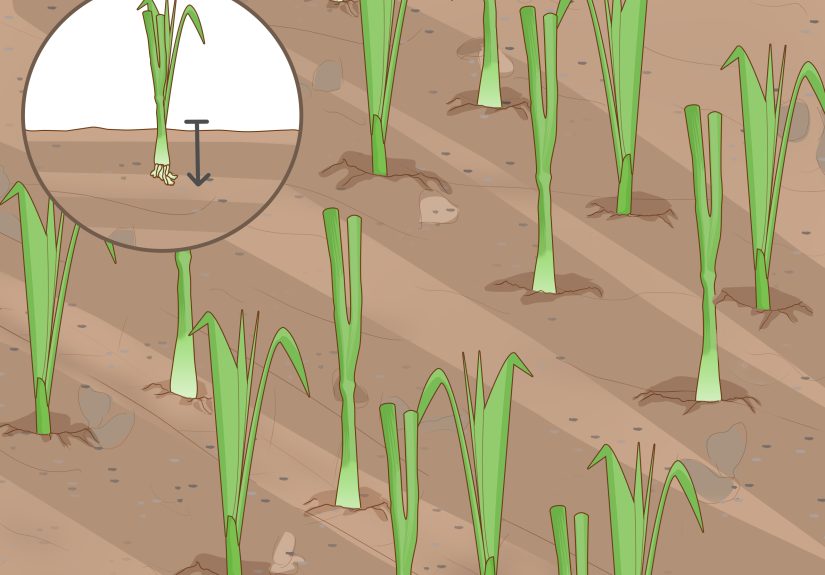
If your onions have produced several rounds of greens or reached about 4 to 5 inches tall, consider moving them to potting mix. Soil offers nutrients that plain water cannot. Plant the rooted base so the roots and lower white section are covered, keep the soil evenly moist, and place the pot in bright light. This is often the best way to keep the harvest going.
Step 13: Start the cycle again
One of the best things about this method is how easy it is to repeat. Every time you buy green onions with roots attached, you can start over. After a while, you may find yourself treating scallions less like groceries and more like a subscription service.
Tips for Better Results
Use fresh onions
The fresher the onion bases, the quicker and stronger the regrowth tends to be. Limp, dry, or damaged roots still might sprout, but they usually bring less enthusiasm to the job.
Do not overcrowd the jar
Too many onion bases in one small container can reduce airflow and increase the chance of rot. A little elbow room goes a long way.
Keep the water shallow
Only the roots need to stay submerged. If too much of the white stem sits underwater, the onion is more likely to soften and rot.
Move to soil when growth slows
If the regrowth starts getting thinner, shorter, or slower, that is your cue. Water got the onion started, but soil can take it farther.
Common Mistakes to Avoid
Using rootless onion pieces: no roots, no real comeback story.
Letting the water get cloudy: dirty water is the fastest route to bad smells and mushy bases.
Keeping the jar in dim light: low light often leads to weak green tops.
Expecting endless regrowth in water: onions can regrow impressively, but not infinitely.
Trying to grow huge bulb onions in water forever: that is asking a side hustle to do a full-time job.
Can You Grow Full Bulb Onions in Water?
Sort of, but with limits. A bulb onion can sprout in water, especially if you use the root end or a sprouted onion that has already started growing. However, water is usually a short-term setup for bulb onions. They may push out roots and green shoots, but for bigger, healthier development, they should be planted in soil. So yes, bulb onions can begin in water, but if you are dreaming of a robust onion patch from a kitchen jar alone, reality may gently tap you on the shoulder.
How Long Does It Take?
Green onions often show visible regrowth within 24 to 72 hours. In about a week, many are tall enough for a light trim. Growth speed depends on freshness, light, room temperature, and how faithfully you change the water. Onions are fairly forgiving, but they still appreciate decent working conditions.
What Can You Harvest?
When you regrow onions in water, you are mostly harvesting the green tops. These work beautifully as a garnish, stir-fry ingredient, soup topping, salad addition, or baked potato finisher. If you transplant the onions into soil, you may get more sustained green growth and, depending on the type, potentially more substantial development below the surface.
Real-World Experiences With Growing Onions in Water
One of the most common experiences people have when they first try this method is total surprise at how fast onions respond. You set a few stubby white ends into a glass before bed, wake up the next morning, and suddenly feel like a botanical genius. The change can be small at first, but it is visible enough to make the project feel rewarding almost immediately. That quick payoff is one reason this method is so popular with beginners, apartment dwellers, and anyone who enjoys low-risk gardening.
Another frequent experience is realizing that onions in water are both easy and slightly dramatic. They grow fast, but they also let you know when they are unhappy. Skip a water change, and the jar may start looking cloudy. Leave too much of the stem underwater, and one base may turn soft. Put the jar in weak light, and the greens can stretch like they are trying to escape to a sunnier zip code. In other words, the onions are not difficult, but they are honest. Their condition tells you exactly how the setup is going.
Many home growers also discover that regrowing onions in water is excellent for convenience but not magic. The first harvest often feels generous. The second is usually still good. After that, the greens may start coming back thinner or slower. This is the moment when many people learn an important gardening lesson: stored energy runs out. Water can support regrowth for a while, but it does not replace nutrients forever. That is why experienced gardeners often move their onions into potting mix once the roots are established and the shoots are strong.
There is also a practical kitchen experience that comes with this method: you waste less food. Instead of using part of a bunch of green onions and forgetting the rest in the refrigerator drawer until it becomes a limp symbol of good intentions, you can keep the rooted ends alive and harvest what you need little by little. For many people, that feels easier and more realistic than maintaining a large herb garden or planning perfect weekly grocery use. The onions sit there in plain sight, growing quietly and reminding you that dinner could use a little more flavor.
People who try this project with kids often say it works especially well because the progress is visible, fast, and easy to understand. Children can see roots sitting in water, shoots pushing upward, and the direct effect of changing the water and placing the jar in the sun. It turns a leftover kitchen scrap into a mini science lesson without needing a worksheet, a trip to the garden center, or an explosion of glitter.
Then there is the windowsill effect. Once you successfully regrow onions in water, many people start eyeing every vegetable scrap like it has hidden potential. Celery bases, romaine hearts, garlic cloves, and sprouted potatoes suddenly look less like leftovers and more like experimental roommates. The humble onion jar often becomes the gateway project that nudges people toward container gardening, herb pots, and eventually an outdoor bed full of vegetables. That is a pretty impressive career arc for something that started as dinner prep.
Perhaps the most relatable experience of all is that growing onions in water makes people feel competent. It is simple, inexpensive, useful, and visible. You do not need to be an expert gardener to succeed, and even when things go wrong, the fix is usually straightforward: more light, fresher water, or a move to soil. That combination of fast results and low pressure is rare in gardening, which is exactly why this method keeps winning fans.
Conclusion
If you want a simple way to regrow food at home, learning how to grow onions in water is a terrific place to start. It is easy, affordable, and practical, especially if you cook with green onions often. Start with rooted onion ends, keep the water fresh, give them bright light, and harvest the green tops as they grow. For longer-lasting results, transplant them into soil once they are established. Not bad for something most people were about to throw away.