Table of Contents >> Show >> Hide
- What Is an Elizabethan Ruff, Exactly?
- Before You Start: Pick the Right DIY Ruff Method
- DIY Method 1: Sewn, Historically Inspired Elizabethan Ruff
- DIY Method 2: Fast Costume Elizabethan Ruff Using a Base Collar
- Best Fabrics for an Elizabethan Ruff
- How to Make Your Ruff Look Better Instantly
- Common Mistakes to Avoid
- Which Method Should You Choose?
- Final Thoughts
- Extra Notes From the Sewing Table: Real-Life Experiences Making an Elizabethan Ruff
- SEO Tags
If you have ever looked at an Elizabethan portrait and thought, “That collar looks like a very elegant paper lantern exploded around someone’s neck,” welcome. You are seeing the ruff: one of the boldest fashion choices in history and proof that people have always loved dramatic accessories. The good news is that you do not need a royal portrait painter, a palace wardrobe budget, or the patience of a saint to make one. You just need the right method.
This guide walks you through two DIY Elizabethan ruff methods: one that is more historically inspired and sewing-friendly, and one that is fast, theatrical, and beginner-friendly. Whether you are building a Renaissance fair costume, a school play look, a Halloween queen outfit, or a fashion project that says “I enjoy being extra,” this tutorial will help you create a ruff collar that actually looks intentional instead of like your curtains got emotionally involved.
What Is an Elizabethan Ruff, Exactly?
An Elizabethan ruff is a pleated or gathered collar associated with late 16th-century and early 17th-century fashion. Early versions grew out of the small ruffle at the neckline of shirts and smocks, but the ruff eventually became a separate accessory all its own. In portraits, you will see everything from modest standing collars to full cartwheel ruffs that look capable of receiving satellite signals.
Historically, ruffs were often made from fine linen, lace, or similarly lightweight fabric and then shaped with starch. Some dramatic versions were supported with wire or a structured under-support so the collar would stand up proudly instead of collapsing like a tired pie crust. That said, if your goal is a wearable DIY version, you do not need to recreate every historical trick. You just need the right balance of fullness, structure, and confidence.
Before You Start: Pick the Right DIY Ruff Method
Before you cut anything, decide what kind of result you want:
- Choose Method 1 if you want a prettier, softer, more realistic Elizabethan ruff collar with real fabric gathers and a better finish.
- Choose Method 2 if you want a faster costume build that reads beautifully from a distance, in photos, or on stage.
In plain English: Method 1 is for the sewist, Method 2 is for the problem-solver with a glue gun and a deadline.
DIY Method 1: Sewn, Historically Inspired Elizabethan Ruff
Best for
Renaissance fairs, theater costumes, cosplay, school projects, portrait photography, and anyone who wants a ruff collar DIY approach that looks polished up close.
Materials
- Lightweight cotton lawn, voile, organza, or linen-look fabric
- Lace trim, optional
- Matching thread
- Ribbon, bias tape, or a fabric neckband
- Spray starch or liquid starch
- Sewing machine or hand-sewing needle
- Iron and ironing board
- Pins, measuring tape, and scissors
- Optional: lightweight millinery wire or horsehair braid for extra structure
How much fabric do you need?
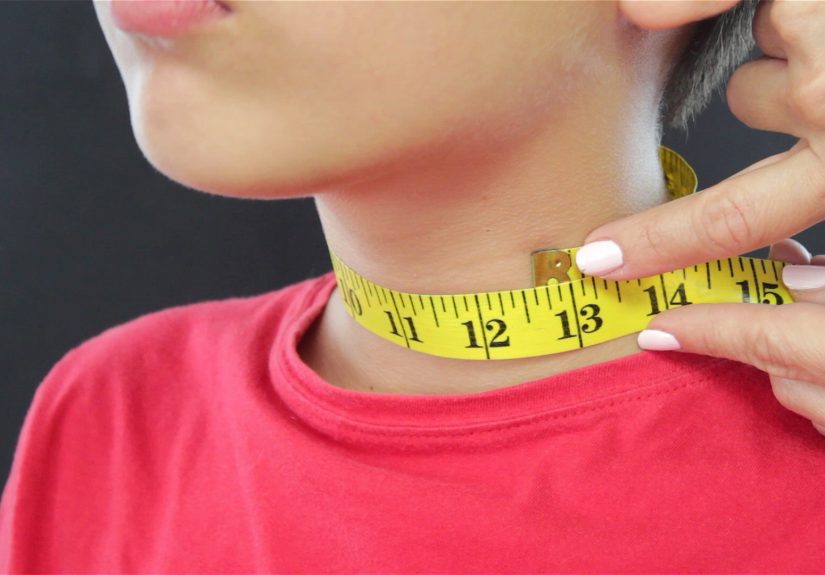
For a moderate ruff, cut a strip that is about 2.5 to 4 times your neck measurement. For a fuller, more dramatic ruff, go 4 to 6 times your neck measurement. If you want a small, neat collar, stay on the lower end. If you want “court portrait but make it theatrical,” use more length.
For width, decide how deep you want the finished ruff to be. If you want a finished depth of 3 inches and plan to fold the strip in half, cut the fabric about 7 inches wide to allow for fold and seam finishing.
Step 1: Cut and finish the fabric strip
Cut your fabric strip to the desired length and width. Finish the outer edge first. You can use a rolled hem, a narrow hem, a serger, or even lace trim if you want a more decorative Renaissance collar. A clean edge makes a huge difference. A ruff with a messy edge does not look “aged.” It looks unfinished.
Step 2: Mark sections for even gathering
Divide both the ruff strip and your neckband into equal sections, such as quarters or eighths. Mark them with pins. This is one of those small steps people skip when they are feeling confident, and then regret when the left side looks majestic and the right side looks like it lost a fight.
Step 3: Sew gathering stitches
Sew two rows of long basting stitches near the raw edge that will attach to the neckband. Leave long thread tails. If your fabric is slippery, a third row is not overkill. The goal is control. Gathers are charming; chaos is not.
Step 4: Pull the gathers
Pull the bobbin threads gently from both ends and begin distributing the fullness evenly. Match your section marks as you go. Do not yank everything from one side unless your dream ruff shape is “traffic jam.” Smooth, even gathers are what give the collar its rhythm and sculptural look.
Step 5: Attach to the neckband
Pin the gathered edge to ribbon, bias tape, or a fabric neckband. Stitch it securely in place. If you are using ribbon ties, leave extra length at both ends so you can fasten the ruff behind the neck. If you want a cleaner finish, sandwich the gathered edge between folded neckband layers before stitching.
Step 6: Add structure
For a soft ruff, a good pressing and starch may be enough. For a more dramatic standing ruff, stitch lightweight wire into the neckband or insert a slim strip of structural material where needed. You are not trying to build scaffolding for a bridge; you just want enough support to help the collar hold its curve.
Step 7: Starch, shape, and press
Mist the ruff lightly with spray starch and shape the folds with your fingers. Press carefully without crushing the volume. If you want a more formal look, arrange the pleats in repeated loops as the fabric dries. This is where the magic happens. Up until now, your project may look like gathered table linen. After shaping, it starts looking like actual Tudor drama.
Why this method works
This method creates a DIY Elizabethan ruff with believable texture, a softer drape, and better movement. It is especially good if you want the collar to photograph well, sit more comfortably, and hold up for repeated wear. It is also easier to customize for size, fullness, and style.
DIY Method 2: Fast Costume Elizabethan Ruff Using a Base Collar
Best for
Halloween, school pageants, last-minute cosplay, stage costumes, themed events, and anyone who needs maximum visual effect with minimum sewing stress.
Materials
- Poster board, foam sheet, or stiff felt
- Tulle, organza, or lightweight fabric strips
- Hot glue gun or fabric glue
- Ribbon or elastic for closure
- Scissors
- Needle and thread, optional
- Pearls, lace, or trim, optional
Step 1: Make the collar base
Cut a donut-shaped collar from poster board or foam sheet. Then cut a slit so it can open and fit around the neck. Test the fit before decorating. If the base is too tight, your queenly entrance may be interrupted by basic breathing concerns.
Step 2: Prepare the ruffle strips
Cut long strips of tulle or organza. You can stack layers for more volume. Fold each strip lengthwise if you want a cleaner, puffier finish. Then sew a loose running stitch or long machine stitch along one edge and pull to gather. If you are in a hurry, you can gather by hand while working in short sections.
Step 3: Attach the gathered strips to the base
Glue or sew the gathered fabric around the outer edge of the collar base. For more drama, add a second row behind the first. Continue layering until it looks full enough. This method is wonderfully forgiving because stage and photo costumes do not need museum accuracy; they need recognizable shape and strong silhouette.
Step 4: Add ties or elastic
Attach ribbon ties to the ends of the collar, or add elastic if you want a simpler closure. Ribbon usually looks prettier and gives you more size flexibility.
Step 5: Decorate and fluff
Add lace, faux pearls, metallic trim, or glitter if your version leans theatrical. Then fluff the ruffles with your fingers so the collar stands out instead of sitting flat. A little shaping goes a long way.
Why this method works
This fast version creates the unmistakable Elizabethan collar silhouette without requiring advanced sewing skills. It is not the most historically faithful option, but it is smart, effective, and ideal when time is short. For kids’ costumes, school theater, or a one-night event, it is often the best solution.
Best Fabrics for an Elizabethan Ruff
Not all fabrics behave the same way, and this is where many first-time makers go wrong. If you choose a fabric that is too heavy, your ruff will droop. If you choose one that is too limp, it may disappear into sad little waves.
- Cotton lawn or voile: excellent for a softer, more refined look
- Organza: crisp, airy, and great for costume structure
- Tulle: fast and dramatic, especially for theatrical builds
- Linen-look fabric: good for historical flavor, but test stiffness first
- Lace: beautiful as trim or top layer, especially over a sturdier base fabric
If you want that classic sculpted feel, lightweight fabric with some body is your best friend. Think graceful, not bulky. The goal is “royal authority,” not “portable window treatment.”
How to Make Your Ruff Look Better Instantly
Use more fullness than you think you need
A flat collar rarely reads as a true ruff. More gathered length creates more visual impact.
Press carefully
Steam and pressing help the collar look deliberate. Even costume versions benefit from shaping.
Support the neckband
If the base collapses, the whole collar loses its attitude. Reinforce the band if needed.
Finish the edge
A narrow hem, rolled edge, or lace trim makes the project look complete and far more expensive.
Common Mistakes to Avoid
- Using fabric that is too heavy: it will drag the collar down.
- Not gathering evenly: the ruff will look lopsided.
- Skipping a test fit: neck comfort matters.
- Adding too little fabric: fullness is what makes a ruff a ruff.
- Forgetting structure: starch, band support, or layering often makes the difference.
Which Method Should You Choose?
If you care most about authenticity, durability, and a nicer finish, go with Method 1. It is the better option for a true DIY ruff collar that feels polished and customizable.
If you care most about speed, simplicity, and dramatic visual effect, go with Method 2. It is ideal for costumes, theater, and projects where time is not exactly on your side and perfection has already left the building.
Final Thoughts
Making an Elizabethan ruff is one of those wonderfully satisfying costume projects that looks wildly impressive but is surprisingly manageable once you break it down. At its core, the whole project comes down to three things: lightweight fabric, controlled gathering, and enough structure to hold the shape.
So whether you build a soft, historically inspired collar or a quick stage-ready version, the result can still be dramatic, elegant, and unmistakably Renaissance. And honestly, any fashion accessory that makes you feel like you are about to sign royal decrees, reject a marriage proposal, and pose for a portrait deserves a spot in your craft rotation.
Extra Notes From the Sewing Table: Real-Life Experiences Making an Elizabethan Ruff
Anyone who has actually tried to make an Elizabethan ruff learns two things almost immediately. First, the project is more forgiving than it looks. Second, it can become hilariously dramatic for reasons that have nothing to do with Tudor history and everything to do with fabric behavior. A ruff can go from “regal masterpiece” to “confused cabbage” in about twelve seconds if you choose the wrong material or rush the shaping stage.
One of the most common experiences for beginners is underestimating how much fabric they need. On paper, three times the neck measurement sounds excessive. In real life, once the fabric is gathered and stitched down, it suddenly looks very modest. That moment usually leads to the classic realization: “Oh. So that is why historical collars looked so full.” The extra yardage is not wasted. It is what creates the lush, sculptural look people expect when they hear the words Elizabethan ruff.
Another very real experience is discovering that starch is not optional if you want shape. Plenty of first-time makers assemble a collar, hold it up proudly, and then watch it droop like it has received bad financial news. Once spray starch or a firmer finish enters the picture, the transformation is immediate. The collar starts behaving. The folds begin to read clearly. Suddenly it no longer looks like gathered trim from a curtain panel. It looks intentional.
Comfort is another surprise. People often assume a large ruff will feel impossible to wear, but a well-made one can actually be lighter than it looks. The trick is keeping the neckband secure and using fabrics with body but not too much weight. A soft organza or fine cotton version can feel much more comfortable than a bulky costume build made from thick craft fabric. That is why many costume makers do a test fit before finishing anything. A beautiful ruff is much less magical if it pokes you in the jaw all evening.
There is also the wonderfully ridiculous moment when you put the finished collar on with plain clothes just to test it, then catch your reflection and realize you look like the governor of a moon colony, a Shakespeare villain, and a pastry chef all at once. This is part of the charm. Ruff-making is one of those crafts that looks faintly absurd until the whole costume comes together. Then suddenly it is elegant, theatrical, and oddly glamorous.
For many people, the best part of making a ruff is how customizable it is. Some makers love a neat white collar with tiny, disciplined pleats. Others want layers of lace, pearls, ribbon, and enough volume to make a doorway nervous. Both approaches can work. That is what makes the project fun. It invites experimentation, and even the imperfect versions often look fantastic in photos, on stage, or at themed events.
In other words, making a ruff is rarely flawless the first time, but it is almost always memorable. You learn by touching the fabric, testing the fullness, adjusting the gathers, and shaping until the collar finally says, “Yes, now I look expensive.” And that little victory feels very, very royal.
Note: This article is prepared for web publication in clean HTML and intentionally excludes source-link markup and placeholder artifacts.