Table of Contents >> Show >> Hide
- The Quick Answer
- Why Corn Goes Bad So Fast
- 5 Key Signs Corn on the Cob Is Bad
- How to Check Corn Before You Cook It
- What Does Not Necessarily Mean the Corn Is Bad?
- How Long Does Corn on the Cob Last?
- How to Store Corn So It Stays Fresh Longer
- Can You Cut Off the Bad Part and Save the Rest?
- Fresh Corn vs. Bad Corn at a Glance
- Final Thoughts
- Extra Experience and Practical Notes From Real-Life Corn Moments
- SEO Tags
Fresh corn on the cob is one of summer’s greatest overachievers. It shows up sweet, juicy, and ready to make butter feel like a life decision. But when corn goes downhill, it does not leave quietly. Bad corn can smell funky, feel slimy, grow mold, and look about as appealing as a wet sock at a barbecue.
If you have a few ears sitting in the refrigerator and you are wondering whether they are still dinner or officially compost, this guide will help. Below, you will learn the five biggest signs that corn on the cob has gone bad, how long it usually lasts, what changes are harmless, and how to store fresh sweet corn so it stays delicious as long as possible.
The Quick Answer
Corn on the cob is usually bad if it has an off smell, a slimy or mushy texture, visible mold, badly discolored or damaged kernels, or dry, deteriorating husks and silk paired with poor kernel quality. Fresh corn should feel plump and firm, with kernels that look moist and full rather than shriveled, dented, or suspiciously tired.
Why Corn Goes Bad So Fast
Sweet corn is famous for losing quality in a hurry. Once it is picked, the sugars in the kernels begin converting to starch. That means even perfectly safe corn can start tasting less sweet and more “meh” after just a short time. Warm temperatures speed that process up, which is why corn should be refrigerated as soon as possible and ideally eaten within a day or two for the best flavor.
That does not mean every older ear is unsafe. Sometimes corn is simply past peak quality. Other times, it has crossed the line into actual spoilage. Your job is to figure out which camp your corn has joined. Think of yourself as a tiny produce detective, but with better snacks.
5 Key Signs Corn on the Cob Is Bad
1. It Smells Sour, Rancid, or Just Plain Wrong
Your nose is the first employee of the month here. Fresh corn should smell mild, slightly sweet, and clean. If you peel back the husk and get a sour, fermented, rancid, or moldy odor, that is a strong sign the corn has spoiled.
An off smell matters because spoilage microorganisms often create unpleasant odors as food breaks down. Corn is not supposed to smell like a science fair project. If it does, do not try to “cook the weird out of it.” Toss it.
Example: If the ear looks mostly normal but gives off a sour refrigerator smell the second you shuck it, skip the pot and save yourself the regret.
2. The Kernels Feel Slimy, Sticky, or Mushy
Fresh kernels should feel firm, smooth, and slightly moist. Bad corn often turns slimy, sticky, or mushy. That slippery film is one of the clearest warning signs that the corn is no longer good to eat.
Texture changes can happen as moisture shifts and spoilage develops. A little surface dampness from refrigeration is one thing. A gooey, slick, “why is this ear trying to shake hands?” feeling is something else entirely.
If the kernels collapse easily when pressed, feel mushy instead of plump, or have a tacky coating, it is time to let that corn go live its next life in the compost bin.
3. You See Mold Anywhere on the Ear
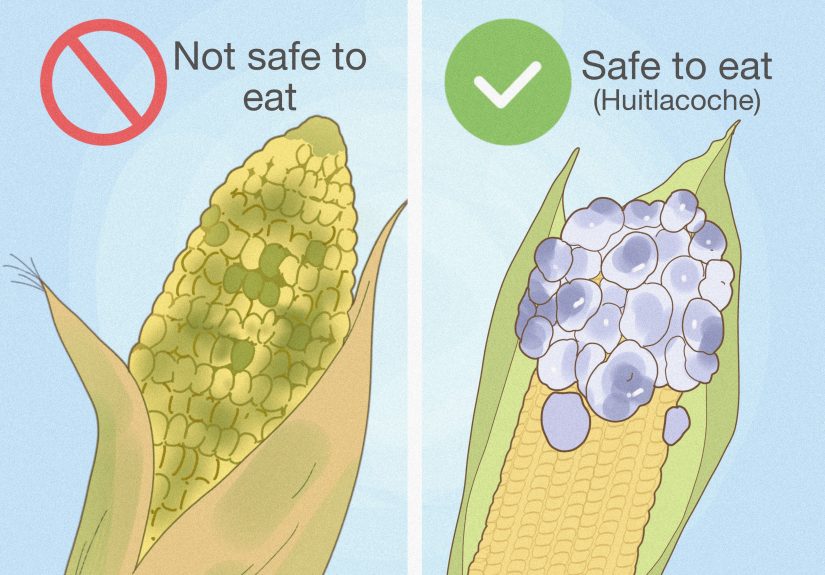
This one is the easiest ruling of the day. If you see mold on the husk, silk, or kernels, the corn is bad. Mold may look fuzzy, dusty, or patchy in colors such as white, gray, black, blue, or green. Sometimes it hides near the tip where moisture lingers around the silk.
While a small damaged area on produce can sometimes be trimmed, mold on corn on the cob is not a good gamble for home cooks. The ear has lots of tight rows and trapped moisture, which makes it harder to know how far the spoilage has spread.
Rule of thumb: Visible mold means the ear has officially retired.
4. The Kernels Look Dull, Shriveled, Brown, or Badly Damaged
Good corn kernels should look full, bright, and closely packed. Bad corn often shows visual clues before you even cook it. Watch for:
- Shriveled or dented kernels
- Brown, gray, or darkened spots
- Missing moisture and a dried-out look
- Bruised, broken, or leaking kernels
- Loose rows that no longer look tight and plump
A few irregular kernels do not automatically mean the whole ear is spoiled. Corn can have minor gaps from pollination issues and still be perfectly edible. But widespread discoloration, collapse, or damage is different. When the kernels look tired enough to ask for a nap, trust your eyes.
5. The Husk and Silk Look Seriously Degraded
Fresh corn usually has green husks and silk that looks fresh rather than black, mushy, or moldy. Over time, the husk dries out and the silk darkens. Some browning at the silk end can be normal, especially on ripe corn. But if the whole husk is papery, yellow-brown, limp, damp, or slimy, and the ear inside also looks poor, the corn is probably past its prime.
In other words, do not judge the corn by the husk alone. A slightly dry outer layer does not always mean disaster. But when the husk looks rough and the kernels are shriveled, smelly, or soft, the case is closed.
How to Check Corn Before You Cook It
If you want to avoid a bad bite and a ruined side dish, do this quick inspection:
- Look at the husk: It should not be dripping wet, slimy, or moldy.
- Check the silk: Some browning is normal, but avoid silk that looks blackened, mushy, or moldy.
- Peel back part of the husk: The kernels should be plump and mostly uniform.
- Smell the ear: Fresh corn smells mild and sweet, not sour.
- Touch the kernels: They should feel firm, not sticky or mushy.
This takes less than a minute and can save dinner from turning into a small emotional event.
What Does Not Necessarily Mean the Corn Is Bad?
Not every cosmetic issue means the corn belongs in the trash. Here are a few things that can look odd but are not always signs of spoilage:
Slightly Brown Silk
Browning on the silk is common and often normal. In fact, mature sweet corn often has drying, browning silk. The problem starts when the silk is wet, moldy, or foul-smelling.
A Few Missing or Uneven Kernels
Minor gaps in the rows can happen because of uneven pollination. That is a quality issue, not automatically a safety issue.
A Dry Outer Husk With Good Kernels Inside
The outermost husk layers can dry a little in storage. If the kernels inside are still firm, moist, and odor-free, the corn may still be fine to cook.
How Long Does Corn on the Cob Last?
For best quality, fresh corn on the cob is usually best eaten the same day you buy it or within one to two days. Some refrigerated corn in the husk may still hold acceptable quality longer, especially certain supersweet varieties, but flavor and tenderness begin dropping quickly.
Once corn is shucked or the kernels are cut off, the clock speeds up even more. Raw cut kernels last only a short time in the refrigerator before turning sour. Cooked corn lasts longer, but it should still be refrigerated promptly and checked for smell and texture before reheating.
The big takeaway is simple: sweet corn rewards speed. Buy it, chill it, cook it, enjoy it, and avoid giving it a long, dramatic stay in the back of the fridge.
How to Store Corn So It Stays Fresh Longer
If you want to keep corn fresh and avoid premature spoilage, storage matters a lot.
Keep the Husk On
The husk helps protect the kernels from drying out. Shuck the corn right before cooking, not days ahead.
Refrigerate It Right Away
Corn should be kept cold. Do not leave it sitting on the counter all afternoon while you “figure out dinner.” Warm temperatures speed quality loss.
Use a Bag for Moisture Protection
A loose plastic or produce bag helps reduce moisture loss in the refrigerator. If the corn is already shucked, sealing it in a bag becomes even more important.
Do Not Wash It Until You Use It
Extra moisture can encourage deterioration. Wash and clean the corn just before cooking.
Freeze It If You Cannot Use It Soon
If you are not going to cook it within a couple of days, freezing is the smarter move. Blanching first helps preserve flavor, texture, and quality better over time.
Can You Cut Off the Bad Part and Save the Rest?
Sometimes people want corn to pass an audit it clearly failed. Here is the practical answer:
- If there is mold, throw the whole ear away.
- If the corn has an off smell, throw it away.
- If it is slimy or mushy, throw it away.
- If there is just a small insect-damaged tip but the rest of the ear is fresh, firm, and odor-free, trimming that damaged section may be reasonable.
The difference is whether you are dealing with isolated physical damage or true spoilage. One is annoying. The other is a no-thank-you.
Fresh Corn vs. Bad Corn at a Glance
| Fresh Corn | Bad Corn |
|---|---|
| Green husk, fairly snug | Wet, slimy, papery, or moldy husk |
| Mild, slightly sweet smell | Sour, rancid, or moldy smell |
| Plump, firm kernels | Mushy, shriveled, sticky, or discolored kernels |
| Moist but not slimy texture | Slime or tacky film |
| No mold | Visible mold anywhere on the ear |
Final Thoughts
If you are trying to tell whether corn on the cob is bad, keep it simple. Start with smell, then texture, then appearance. Corn that is sour-smelling, slimy, moldy, mushy, or badly discolored has already given you its answer. Fresh corn should look lively, feel firm, and smell clean.
The best strategy is prevention: buy good ears, keep them cold, leave the husk on until cooking, and eat them soon. Sweet corn is not a long-haul refrigerator hero. It is more of a “live fast, taste amazing” type of vegetable.
And honestly, that is part of its charm.
Extra Experience and Practical Notes From Real-Life Corn Moments
Anyone who buys fresh corn regularly learns pretty quickly that corn on the cob has a personality. A dramatic one. It can look gorgeous at the market in the morning and start acting questionable by the time you remember it is still in your refrigerator drawer three days later. One of the most common real-life experiences people have is assuming that because the husk is still wrapped around the ear, the corn must be protected forever. Corn would love for you to believe that. Reality says otherwise.
A very typical situation goes like this: you buy six beautiful ears for a cookout, use four, and leave two in the fridge. A couple of days later, the husks look a little tired, the silk is darker, and panic sets in. In many cases, the corn is not automatically spoiled. When you peel it open, the kernels may still be firm and perfectly fine. This is why experience teaches you not to throw corn away based on one clue alone. You check the smell, you feel the kernels, and you look for slime or mold. Corn deserves a fair trial, but not an endless appeals process.
Another common experience is discovering that the tip of the ear looks worse than the middle. That happens a lot. The tip can dry out first, or it may have a little insect damage. Many home cooks find that trimming off a small rough section is all that is needed when the rest of the ear is fresh. On the other hand, when the damage comes with a sour smell, mushy kernels, or fuzzy mold, that is when experience tells you to stop being thrifty and start being sensible.
People also learn that old corn is not always unsafe corn, but it is often disappointing corn. This is an important distinction. Sometimes the ear is technically okay to eat, but the sweetness is gone and the kernels have become tougher because the sugars changed to starch. You boil it, butter it, take a bite, and realize the magic has left the building. That is not spoilage in the dramatic sense. It is just corn that missed its moment.
There is also the refrigerator lesson nearly everyone learns once: shucked corn dries out faster. If you remove the husk early because you want to “save time later,” later may reward you with less juicy results. Experienced cooks usually leave the husk on until the last minute, especially if they plan to cook the corn within a day or two. It is one of those small kitchen habits that makes a noticeable difference.
And then there is the smell test, which might be the most useful practical tool of all. People often second-guess what they see, but they rarely second-guess a truly bad smell. If corn smells sour, fermented, or musty, most people instinctively recoil for a reason. That instinct is worth respecting. Food should invite you in, not dare you to make a mistake.
Over time, the best experience-based rule becomes simple: fresh corn feels alive, old corn feels sad, and spoiled corn feels wrong. When in doubt, trust your senses. Your dinner plate should not require bravery.