Table of Contents >> Show >> Hide
- What Is Beer Bread (and Why It Works Without Yeast)
- The 4 Ingredients (and What Each One Actually Does)
- Equipment You Need (Spoiler: Not Much)
- 4-Ingredient Beer Bread Recipe (No Yeast, No Knead)
- Make Your Own Self-Rising Flour (If You Don’t Have It)
- Beer Style Cheat Sheet (Pick the Right Bottle for the Flavor You Want)
- Flavor Variations (Optional, but Highly Encouraged)
- Troubleshooting: Fix the Usual Beer Bread Problems
- Serving Ideas (Because Bread Deserves a Supporting Cast)
- How to Store and Freeze Beer Bread
- FAQ
- Real-World Beer Bread Experiences (The Stuff Recipes Don’t Always Say Out Loud)
- Conclusion
Sometimes you want homemade bread nownot after you’ve babysat yeast, waited for dough to rise, and questioned every life choice that led you to a sticky countertop at 11 p.m.
Enter beer bread: a quick, cozy loaf that tastes like you tried harder than you actually did. It’s one bowl, one pan, and just four ingredients. No yeast. No kneading.
No “is it proofed yet?” pacing around the kitchen like an anxious bread parent.
This guide walks you through the why, the how, and the “what went wrong?”plus simple variations, beer-style tips, and a longer real-life section at the end that captures what people
typically experience the first few times they make beer bread. Let’s bake.
What Is Beer Bread (and Why It Works Without Yeast)
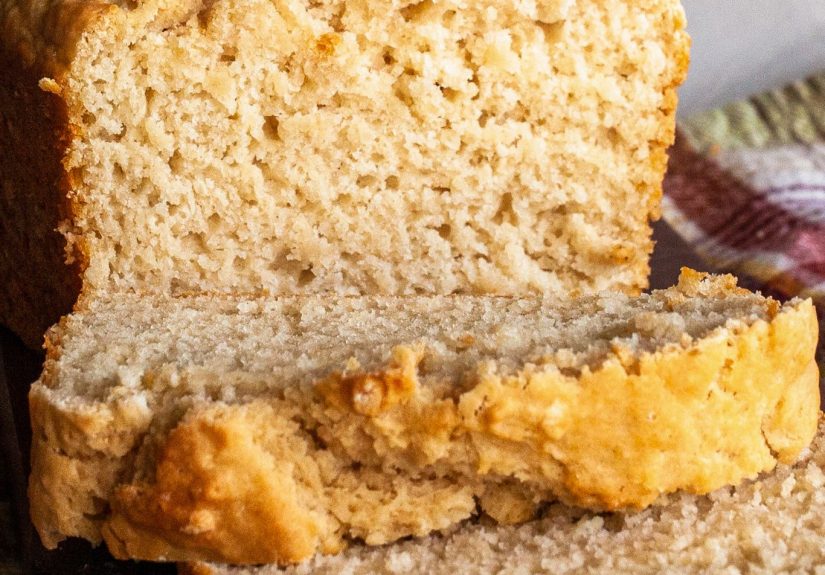
Beer bread is a quick bread, meaning it rises without yeast. Instead of waiting for fermentation to do the heavy lifting, beer bread relies on chemical leavening (usually
already mixed into self-rising flour) and the bubbly nature of beer to help create a light, tender crumb. The result is a loaf that’s moist, slightly crumbly, and boldly flavorful
with a subtle “yeasty” aroma thanks to the beer itself.
Translation: you get the vibe of a bakery loaf with the effort level of stirring pancake batter. That’s my kind of math.
The 4 Ingredients (and What Each One Actually Does)
1) Self-rising flour
Self-rising flour is the shortcut that makes “no yeast” truly effortless. It’s basically all-purpose flour with baking powder and salt already blended in. That built-in
leavening gives your loaf its liftno extra measuring required.
No self-rising flour? You can DIY it: for every 3 cups of self-rising flour you need, whisk together 3 cups all-purpose flour + 4 1/2 teaspoons baking powder + 3/4 teaspoon salt.
(That’s the classic ratio used by multiple test kitchens.)
2) Beer
Beer provides moisture, carbonation, andmost importantlyflavor. You will taste it, so choose something you’d actually drink. In general:
- Lagers/pilsners keep the loaf mild and crowd-pleasing.
- Amber ales/brown ales add toasty, malty sweetness (often a test-kitchen favorite).
- Very hoppy beers (many IPAs/APAs) can make the bread unpleasantly bitter.
You can even use hard cider for a slightly fruity twist if that’s your thing.
3) Sugar
Sugar isn’t just for sweetness; it helps balance beer’s bitterness and supports a more tender texture. Different recipes use different amounts (from a few tablespoons to 1/2 cup),
and you can adjust based on your beer choice and how sweet you want the loaf.
4) Butter
Butter brings richness and helps form that irresistible golden crust. Many versions use butter in the batter and also on topbecause sometimes restraint is overrated.
Equipment You Need (Spoiler: Not Much)
- Mixing bowl
- Whisk or wooden spoon
- 9×5-inch loaf pan (or similar)
- Measuring cups/spoons
- Nonstick spray or extra butter for greasing
4-Ingredient Beer Bread Recipe (No Yeast, No Knead)
Ingredients
- 3 cups self-rising flour
- 12 oz beer (room temp is ideal, but cold is finedon’t overthink it)
- 1/4 cup granulated sugar (see “Sweetness Dial” below)
- 1/4 cup melted butter (use about half in batter, half for topping)
Sweetness Dial (choose your setting)
- Lightly sweet: 2–3 tablespoons sugar (great with mild lagers)
- Classic: 1/4 cup sugar (balanced for most beers)
- Sweeter “party loaf”: up to 1/2 cup sugar (works best with darker, malty beers)
Step-by-step instructions
- Heat the oven: Preheat to 375°F. Grease a 9×5-inch loaf pan (spray or butter works).
- Mix dry: In a large bowl, whisk self-rising flour and sugar.
-
Add beer + butter: Pour in the beer and about 2 tablespoons of the melted butter. Stir until combined. Small lumps are fine.
(Overmixing is the fastest route to a tough loafbeer bread likes a gentle vibe.) - Pan it: Spoon the thick, sticky batter into your prepared loaf pan and smooth the top.
- Butter the top: Drizzle or brush the remaining melted butter over the surface.
-
Bake: Bake 45–55 minutes, or until the top is deeply golden and a toothpick inserted into the center comes out clean (or with a few moist crumbs).
Ovens vary, and so do loaf pansstart checking around 40–45 minutes if your pan is dark metal. -
Cool (yes, really): Let the loaf cool in the pan about 10–15 minutes, then turn out onto a rack. For the neatest slices, wait until it’s mostly cool before cutting.
If you slice immediately, it may crumble morestill delicious, just a little “rustic.”
Make Your Own Self-Rising Flour (If You Don’t Have It)
If the whole point was “four ingredients” and now you’re thinking, “Waitbaking powder and salt are extra,” you’re not wrong. This is the emergency workaround when the pantry
isn’t cooperating:
- 3 cups all-purpose flour
- 4 1/2 teaspoons baking powder
- 3/4 teaspoon salt
Whisk thoroughly and use exactly like self-rising flour.
Beer Style Cheat Sheet (Pick the Right Bottle for the Flavor You Want)
Beer bread is basically edible “choose your own adventure.” Your beer choice drives the loaf’s taste more than you’d expect.
- Light lager or pilsner: mild, slightly sweet, great for beginners and picky eaters.
- Amber ale: malty, toasty, richer flavor without being heavy.
- Brown ale: deeper caramel notes; many test kitchens like it best for classic beer bread.
- Stout: bold and dark; can be delicious but may read bitter or intense depending on the brand.
- IPA / very hoppy beers: usually a nobitterness can dominate the loaf.
- Hard cider: fruity, slightly tangy, and surprisingly excellent with soups and autumn meals.
Flavor Variations (Optional, but Highly Encouraged)
The base loaf is great, but beer bread is also a blank canvas for your snacky ambitions. These add-ins technically break the “4 ingredients” ruleso think of them as
delicious accessories, not mandatory equipment.
Cheddar-jalapeño “game day” loaf
- Fold in 1 cup shredded sharp cheddar
- Add diced pickled jalapeños (or fresh, if you like chaos)
Everything-bagel vibes
- Brush the top with butter
- Sprinkle with everything seasoning before baking
Sweet breakfast version
- Use a malty beer (amber/brown)
- Increase sugar slightly
- Serve warm with honey butter or jam
Mini muffins instead of a loaf
If you want faster baking and built-in portion control (or you’re feeding people who hover around the oven like hungry seagulls),
you can bake the batter in a muffin tin. Fill cups about 2/3 full and bake until they spring back when lightly pressed.
Troubleshooting: Fix the Usual Beer Bread Problems
“My loaf is dense.”
- Overmixing is the #1 culprit. Stir just until combined.
- Check that your self-rising flour (or baking powder) is fresh.
- Measure flour carefullypacking the cup can add extra flour and thicken the batter.
“It tastes bitter.”
- Swap the beer. Very hoppy styles often cause bitterness.
- Increase sugar slightly (a little sweetness can rebalance the flavor).
“The middle feels gummy.”
- It probably needs more bake time. Tent with foil if the top browns too quickly.
- Let it cool longer before slicingquick breads continue setting as they cool.
“It stuck to the pan.”
- Grease thoroughly, especially corners.
- Let it rest 10–15 minutes, then run a thin knife around edges before turning out.
Serving Ideas (Because Bread Deserves a Supporting Cast)
Beer bread loves anything saucy, brothy, or spreadable. Try it with:
- Chili, stew, or hearty soup
- Butter + flaky salt (simple, perfect)
- Honey butter or apple butter for a sweet-savory moment
- Toasted slices for sandwiches or breakfast
How to Store and Freeze Beer Bread
Store cooled beer bread airtight at room temperature for 2–3 days. If you want to freeze it, wrap tightly and freeze up to 3 months.
Pro move: freeze slices so you can toast one whenever the mood strikes.
FAQ
Does beer bread contain alcohol after baking?
Baking reduces alcohol, but it may not remove every trace. If you need an alcohol-free option, some recipes use plain seltzer instead of beer for lift (the flavor will be milder).
Can I use a different pan size?
Yes. Smaller pans bake longer; wider pans bake faster. The toothpick test plus a deeply golden top are your best guides.
Can I make it less sweet?
Absolutely. Drop sugar to 2–3 tablespoons for a more savory loaf, especially if you’re serving it with chili or stew.
Real-World Beer Bread Experiences (The Stuff Recipes Don’t Always Say Out Loud)
Here’s what typically happens the first time someone makes 4-ingredient beer breadbecause the recipe is simple, but the experience is oddly memorable.
First, you’ll be surprised by how unbreadlike the batter feels. It’s not dough. It’s not cake batter. It’s a thick, sticky blob that looks like it’s
daring you to knead it. Don’t. Beer bread is a quick bread in disguise, and it rewards a light touch. Most home bakers learn quickly that the moment you try to “smooth it out”
like a yeast dough, you’ve overmixed it and the loaf bakes up a little tougher. The best batches usually come from that calm, confident stir where you stop while there are still
tiny lumps and you resist the urge to “fix” them.
Then comes the smell. Beer bread has a reputation for making your kitchen smell like a cozy pub that also sells baked goodswhich is honestly an underrated business model.
If you use a malty beer (amber or brown ale), the aroma leans warm and toasty, like caramelized crust and cereal grains. If you use something hoppier, you’ll notice a sharper
edge as it bakesone reason so many people end up switching away from IPAs after a single bitter loaf. And yes: nearly everyone peeks through the oven door 14 times,
even though opening the oven is not a personality trait we’re trying to encourage today.
A very common “aha” moment: the top crust. Butter on the surface transforms the loaf into something that feels far fancier than four ingredients should allow.
It bakes into a shiny, golden finish with a crackly edgeexactly the part people fight over. In group settings, beer bread often becomes a “tear-and-share” situation,
where slices mysteriously vanish before dinner is even plated. Home bakers will tell you they planned to serve it alongside soup… and then the bread became the meal.
Another experience people tend to have: the first slice can be crumbly if you cut too soon. It’s not that you “failed.” It’s that quick breads set as they cool.
When it’s piping hot, the interior is still finishing its structure, so the knife drags and the slice breaks. If you wait (even 20–30 minutes), you usually get cleaner
slices and a more even crumb. Of course, the universe understands that waiting is hard when the loaf is warm, so the unofficial solution is:
slice one “messy” piece for immediate snacking, then pretend the rest will be for later.
People also discover how dramatically beer choice changes the result. The same recipe can taste mild and almost biscuit-like with a light lager, then suddenly turn deeper and
more “bready” with a brown ale. This is where beer bread becomes dangerously fun: it’s low-stakes experimentation. Many home bakers end up keeping a mental ranking like,
“This one is best for chili nights, this one is best toasted, and this one tasted like a campfire story.” And if you try hard cider, the surprise is how well it works
you get a slightly fruity aroma that pairs beautifully with fall soups and savory spreads.
Finally, beer bread has a very specific social effect: it makes you look like the kind of person who “just bakes bread,” casually, on a weekday.
You can do it in under an hour with pantry staples, but everyone else experiences it as kitchen wizardry. Accept the compliments.
You didn’t lieyou really did make bread. You just chose the route with fewer emotional support timers.
Conclusion
Beer bread is the answer to “I want homemade bread, but I also want my afternoon back.” With self-rising flour, beer, sugar, and butter, you get a tender loaf with a golden
crust and big flavorno yeast, no kneading, no drama. Once you’ve made it once, you’ll start riffing on it (cheese, herbs, cider, muffins), and suddenly you’ll be the person
everyone texts when soup season hits.
![18 Best Types of Charts and Graphs for Data Visualization [+ How to Choose]](https://corkopencoffee.org/wp-content/uploads/2026/05/18-best-types-of-charts-and-graphs-for-data-visualization-how-to-choose-qKM1PBYG-thumb.jpg)