Table of Contents >> Show >> Hide
- What Is Tanghulu?
- Why Tanghulu Works: A Tiny Bit of Sugar Science
- Ingredients and Equipment
- How to Make Tanghulu Step by Step
- Best Fruit for Tanghulu
- Common Tanghulu Problems and How to Fix Them
- Safety Tips You Should Absolutely Not Skip
- How to Store Tanghulu
- Why Tanghulu Became So Popular
- Kitchen Experience: What Making Tanghulu Really Feels Like
- Final Thoughts
- SEO Tags
Note: Body-only HTML as requested. Source links intentionally omitted for web publishing.
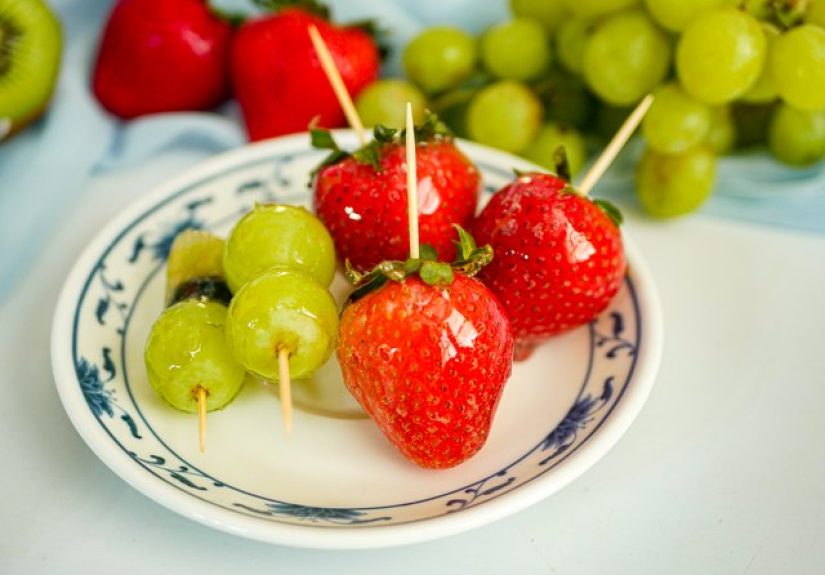
Tanghulu is one of those snacks that looks like it belongs in a fairytale and sounds like it belongs in your kitchen five minutes ago. These glossy candied fruit skewers are famous for their dramatic crunch: bite in, hear the crack, then get hit with juicy fruit hiding under a glassy sugar shell. It is sweet, tart, playful, a little chaotic, and honestly kind of addictive.
Traditionally, tanghulu is a Chinese street snack often made with hawthorn berries, but home cooks now make it with strawberries, grapes, mandarins, kiwi, blueberries, and other sturdy fruit. The magic is simple in theory: skewer fruit, boil sugar syrup to the hard-crack stage, coat quickly, and let it set. In practice, it is a tiny sugar-powered science project. One minute you are feeling like a dessert genius, and the next minute your syrup is sticky and your strawberries look confused.
This guide breaks down exactly how to make tanghulu at home, how to avoid the most common mistakes, which fruit works best, and why temperature matters so much. You will also get practical troubleshooting tips, storage advice, and real-world kitchen experience notes so your first batch has a better chance of becoming crunchy, glossy, and gloriously snackable.
What Is Tanghulu?
Tanghulu is a traditional Chinese candied fruit snack made by coating skewered fruit in a clear sugar syrup that hardens into a crisp shell. The classic version uses hawthorn berries, but in American home kitchens, strawberries, grapes, clementine segments, blueberries, and kiwi are common choices. The appeal is all about contrast: cold juicy fruit inside, thin candy shell outside, and a shattering bite that sounds suspiciously expensive.
If candy apples and fruit skewers had a glamorous child, this would be it. But tanghulu is lighter, prettier, and far less committed to upper-body strength. It is also best enjoyed fresh, because the moisture in fruit eventually softens the candy shell. In other words, tanghulu is not a make-it-on-Friday-for-Sunday kind of dessert. It is a make-it-now-and-watch-everyone-hover-near-the-counter kind of dessert.
Why Tanghulu Works: A Tiny Bit of Sugar Science
The crisp coating happens when sugar syrup reaches the hard-crack stage, which is about 300°F to 310°F. At that point, most of the water has cooked away, and the syrup cools into a hard, glassy shell instead of a sticky glaze. Below that temperature, the coating tends to stay chewy or soft. Above it, the syrup starts heading toward caramel territory, which changes the flavor and color.
This is why a candy thermometer is your best friend here. Tanghulu looks casual on social media, but the sugar is not casual. It wants precision. It wants respect. It wants you to stop guessing and use the thermometer.
Another important detail: your fruit needs to be completely dry. Any surface moisture can cause bubbling, slipping, or a patchy coating. Humidity matters too. On a very humid day, hard candy can absorb moisture from the air and soften faster, which is deeply rude but scientifically understandable.
Ingredients and Equipment
Ingredients
- 1 pound sturdy fruit such as strawberries, grapes, blueberries, or clementine segments
- 2 cups granulated sugar
- 1 cup water
- 1 tablespoon light corn syrup or 1 teaspoon lemon juice (optional, but helpful for reducing crystallization)
- Ice water, for quick setting if desired
Equipment
- Wooden skewers or bamboo skewers
- Medium heavy-bottomed saucepan
- Candy thermometer or accurate instant-read thermometer
- Parchment-lined tray or baking sheet
- Small bowl of water and a pastry brush
- Large bowl of ice water
For beginners, strawberries and grapes are the easiest place to start. They are sturdy, easy to skewer, and big enough to coat without performing tiny fruit surgery. Clementine segments are delicious too, but make sure you remove as much stringy pith as possible so the coating looks clean.
How to Make Tanghulu Step by Step
1. Wash, dry, and skewer the fruit
Rinse the fruit well, then dry it thoroughly with paper towels. Dry it again if you have to. Then dry it like you are getting paid per strawberry. Moisture is the enemy of a clean candy shell.
Skewer 2 to 4 pieces of fruit per stick, depending on size. Keep the fruit snug but not smashed together. If you are using strawberries, skewer through the center so they stay steady. If the fruit wiggles, the coating process becomes much more annoying than it needs to be.
2. Prepare your station before the sugar starts cooking
Line a tray or baking sheet with parchment paper and place it near the stove. Set up a bowl of ice water nearby if you want the shell to harden quickly. Once the syrup reaches temperature, things move fast. This is not the moment to start looking for parchment under the air fryer manual.
3. Cook the sugar syrup
In a saucepan, combine the sugar, water, and optional corn syrup or lemon juice. Heat over medium to medium-high heat until the sugar dissolves and the mixture comes to a boil. Once it is boiling, do not stir. Stirring can encourage crystallization, which turns your sleek candy shell into a grainy sugar tragedy.
If you see sugar crystals on the sides of the pan, brush them down with a wet pastry brush. Let the syrup cook until it reaches 300°F to 310°F. That is the hard-crack stage and the sweet spot for tanghulu.
4. Test before you commit the whole batch
If you are nervous, dip one piece of skewered fruit into the syrup, then into the ice water. If the shell hardens quickly and cracks like a lollipop coating, you are ready. If it stays sticky or bends, the syrup needs more time.
5. Coat the fruit quickly and carefully
Remove the pan from the heat. Tilt it slightly so the syrup pools to one side. Dip and rotate each skewer in the syrup, or spoon the syrup over the fruit if that feels easier. Let the excess drip off for a second, then place the skewer on parchment or dip it briefly in ice water to set the shell.
Work quickly. As the syrup cools, it thickens. That means your first skewer may look like a polished jewel and your last one may look like it fought a chandelier and lost. If the syrup thickens too much, gently rewarm it.
6. Let the shell set and serve right away
The coating hardens fast, usually within minutes. Serve tanghulu as soon as possible for the best crunch. This is the rare dessert that peaks early and knows it.
Best Fruit for Tanghulu
Not every fruit is built for a candy shell. Some are too wet, some are too soft, and some behave like they are personally opposed to skewers.
Best choices
- Strawberries: Beautiful, classic, and easy to coat
- Seedless grapes: Crisp, juicy, and beginner-friendly
- Blueberries: Great for mini skewers
- Clementine or mandarin segments: Bright, tart, and gorgeous
- Kiwi chunks: Good flavor contrast if cut thick enough
Use caution with
- Very ripe fruit, which can slide on the skewer
- Watery cut fruit, which can make the shell bubble or slip
- Fruit with a lot of exposed juice, unless it is dried extremely well
The best tanghulu balances sweetness with tartness. That is why strawberries, citrus, and grapes are so popular. When the fruit is mildly tart, the candy shell tastes less one-note and more exciting.
Common Tanghulu Problems and How to Fix Them
The shell is sticky instead of crunchy
Your syrup probably did not reach the hard-crack stage. Next time, cook it to 300°F to 310°F and verify your thermometer is accurate. On humid days, some candy makers bump the target slightly higher.
The sugar turned grainy or cloudy
This usually means crystallization. Avoid stirring once the syrup boils. Use a wet pastry brush to wash stray sugar crystals off the sides of the pan. A little corn syrup or lemon juice can also help keep the syrup smooth.
The coating bubbles or slides off the fruit
The fruit was likely too wet or too ripe. Dry the fruit thoroughly and choose firmer pieces next time.
The syrup turns amber and tastes like caramel
You cooked it too long. The line between perfect tanghulu and accidental caramel is not huge. Keep a close eye on the thermometer once it climbs into the high 290s.
The syrup gets too thick before all the fruit is coated
That happens. Warm it very gently to loosen it, or make a slightly smaller batch next time. Tanghulu rewards speed, preparation, and a little bit of dramatic focus.
Safety Tips You Should Absolutely Not Skip
Hot sugar syrup is far more dangerous than boiling water because it sticks to skin and holds heat. Use a stable saucepan, keep children and pets away from the stove, and never touch or taste the syrup until it has fully hardened and cooled.
Wear closed-toe shoes, keep your work area clear, and do not rush the coating step just because a video online made it look easy. If you are a younger cook, have an adult handle the syrup. Tanghulu is fun. Sugar burns are not part of the aesthetic.
How to Store Tanghulu
The honest answer? Tanghulu is best eaten immediately. The fruit slowly releases moisture, and the crisp shell softens over time. If you need to hold it briefly, keep it at cool room temperature in a dry place for a short time. Avoid the refrigerator, which introduces moisture and turns crackly magic into sticky disappointment.
If you have hardened sugar stuck to your pot or tools, do not attack it like it insulted your family. Just fill the pot with water and bring it to a boil. The sugar will dissolve, and cleanup becomes much easier.
Why Tanghulu Became So Popular
Tanghulu is wildly photogenic, which certainly does not hurt. But the real reason it keeps winning people over is the texture. Crunchy sugar shell plus juicy fruit is a fantastic combination. It is the same reason candy apples, brittle, and hard candy all have loyal fans: that clean crack signals something satisfying before the flavor even lands.
There is also a DIY thrill to it. Tanghulu feels impressive, but it is made from a short ingredient list. You are basically using fruit, sugar, water, and timing to create something that looks bakery-box fancy. That kind of kitchen sorcery is always going to have fans.
Kitchen Experience: What Making Tanghulu Really Feels Like
Making tanghulu for the first time is a very specific emotional journey. It starts with confidence. You wash your fruit, line up your skewers, and think, “This is just sugar and fruit. I have made toast. I can do this.” Then the syrup starts bubbling and suddenly you are in a high-stakes relationship with a thermometer.
The first thing most people notice is how quickly the mood changes once the syrup gets close to the target temperature. At 250°F, it looks innocent. At 280°F, it looks determined. At 300°F, it transforms into a glossy liquid that demands immediate decisions. That is when tanghulu stops being a cute snack idea and becomes a timing exercise. Not a scary one, but definitely a “focus, please” situation.
Then comes the coating step, which is where tanghulu earns its reputation for being both simple and finicky. The first skewer is usually the glamour shot. It comes out shiny, smooth, and absolutely convinced it belongs on camera. The second skewer is still attractive. The third is where you start negotiating with the syrup. By the fourth, you understand why people say to prepare everything in advance. Tanghulu is not hard in the usual sense, but it does reward people who are ready before the sugar is.
There is also a strangely satisfying sound component. You hear the syrup boil. You hear the skewer tap the side of the pot as excess sugar drips off. You hear the shell set. And when you finally bite into a finished piece, you get that famous crack, which feels like the kitchen equivalent of nailing a landing. It is the sort of snack that gives immediate feedback, and luckily the feedback is usually delicious.
Another real-life tanghulu experience is learning just how important fruit choice can be. Firm grapes behave beautifully. Strawberries look spectacular, but if they are too ripe or damp, they become tiny red drama queens. Citrus segments taste amazing, but they require more prep than people expect. That is part of the fun, though. After one batch, most home cooks already have opinions. After two batches, they have favorites. After three batches, they become the sort of person who casually says things like, “Blueberries are underrated for shell consistency.”
Tanghulu also tends to create a crowd. People hear that sugar shell crack and suddenly appear in the kitchen like they had important business there all along. It is not a dessert that sits quietly in the background. It is theatrical, glossy, and best eaten fresh, so it naturally becomes an event. Even a small batch can feel festive because everyone wants to compare fruit choices, shell thickness, and crunch level.
Perhaps the best part of the tanghulu experience is that it teaches patience without being boring. You prep carefully, wait for the right temperature, move quickly, and get a visible result almost immediately. The process feels technical, but the payoff feels playful. That combination is probably why so many people make it once for curiosity and then make it again because now they want to get really good at it.
So yes, tanghulu is trendy. Yes, it is pretty. But it is also one of those rare kitchen projects that gives you a little adrenaline, a lot of crunch, and a strong chance of saying, “Okay, I need to make that again, but better.” And honestly, that is the kind of cooking memory people keep.
Final Thoughts
If you want a dessert that is crunchy, juicy, dramatic, and wildly more fun than its short ingredient list suggests, tanghulu deserves a place in your kitchen. The keys are simple: choose firm fruit, dry it thoroughly, cook the syrup to the hard-crack stage, and work quickly once the sugar is ready. Do that, and you get a glossy shell that snaps instead of slumps.
It is not the most forgiving candy project, but it is one of the most rewarding. And once you hear that first clean crack, you will understand why homemade tanghulu has become such a beloved candied fruit obsession. Just be warned: after one good batch, plain fruit may start feeling underdressed.
![18 Best Types of Charts and Graphs for Data Visualization [+ How to Choose]](https://corkopencoffee.org/wp-content/uploads/2026/05/18-best-types-of-charts-and-graphs-for-data-visualization-how-to-choose-qKM1PBYG-thumb.jpg)