Table of Contents >> Show >> Hide
- Why Kitchen Cabinets Get Messy (And Why It’s Not a Moral Failing)
- Step 1: Do a Fast Cabinet Audit (Before You Buy Anything)
- Step 2: Create Cabinet Zones That Match How You Actually Use the Kitchen
- Step 3: Follow the “Within Reach” Rule
- Step 4: Use Organizers That Solve Real Cabinet Problems
- Shelf Risers: Double Your Space Without Remodeling
- Turntables (Lazy Susans): The MVP for Deep Shelves
- Vertical Dividers: Fix the “Cookie Sheet Jenga” Problem
- Pull-Out Bins and Baskets: Make Deep Cabinets Practical
- Door Space: The Bonus Storage You’re Probably Ignoring
- Under-Sink Cabinets: Contain the Chaos (Safely)
- Drawer Organizers: Because “The Junk Drawer” Has Feelings Too
- Step 5: Pantry-Style Cabinet Organization (Without Turning Into a Labeling Robot)
- Step 6: Safety and Common-Sense Cabinet Rules
- Step 7: Make It Stick With Tiny Maintenance Habits
- Frequently Asked Questions
- Real-Life Organizing Experiences and Lessons (The Stuff That Actually Happens)
- Conclusion
If your kitchen cabinets feel like a game of “Will this avalanche end me today?”, you’re not alone.
Cabinets get messy because they’re the busiest storage real estate in the house: you open them in a rush, you close them faster,
and somehow your measuring cups migrate like they’ve got a secret social life.
The good news: organizing kitchen cabinets isn’t about buying a cart full of acrylic bins and pretending you’re filming a home makeover show.
It’s about building a system that matches how you cook, snack, and liveso putting things away feels almost as easy as taking them out.
(Almost. We’re not performing miracles. We’re performing cabinet science.)
Why Kitchen Cabinets Get Messy (And Why It’s Not a Moral Failing)
Most cabinet chaos comes from a few predictable problems:
- No “home address” for items (so they crash wherever there’s space).
- Storing by category alone instead of by workflow (your spatula shouldn’t live three cabinets away from your stove).
- Vertical space going unused (shelves are tall; your stacks are short).
- “Someday” items (the fondue set you’ve used twice since 2017 is squatting in prime territory).
- Cabinet geometry (deep corners and high shelves are basically storage Bermuda Triangles).
The fix is simple: declutter, create zones, make the layout convenient, then add a few organizers that solve specific problems.
Convenience is the secret saucebecause a system you hate is just a very organized way to fail.
Step 1: Do a Fast Cabinet Audit (Before You Buy Anything)
Set up a “Landing Zone”
Clear a countertop, kitchen table, or a towel on the floor. This is where items go while you sort.
Keep a trash bag, a donation box, and a “relocate” bin nearby.
Use the Three-Pile Rule
- Keep: You use it and you like it.
- Donate/Sell: Still good, but not for you.
- Toss/Recycle: Broken, unsafe, stained, missing parts.
Quick Declutter Prompts (The “Be Honest With Yourself” Edition)
- Do you have five water bottles but only like two? Keep the two.
- Are your lids living separately from their containers like estranged relatives? Reunite them or release them.
- Do you own gadgets that do one task you never do? (Looking at you, banana slicer.)
- Is anything expired, stale, or suspiciously dusty? Pantry items don’t become “vintage.”
Pro tip: If you’re overwhelmed, organize one cabinet at a time. Small wins create momentumand reduce the chance you’ll abandon everything
to order takeout and call it “self-care.”
Step 2: Create Cabinet Zones That Match How You Actually Use the Kitchen
The best cabinet organization starts with zonesgrouping items by purpose and where you use them. Think of it as setting up “stations” so your hands don’t
have to run a marathon every time you make pasta.
Common Kitchen Cabinet Zones
- Everyday dishes: Plates, bowls, cups, and glasses used daily.
- Food prep: Cutting boards, mixing bowls, measuring tools, colanders, knives (safely stored).
- Cooking: Pots, pans, lids, spatulas, cooking oils, salt, pepper.
- Baking: Flour, sugar, baking pans, parchment, cookie cutters, vanilla, sprinkles (yes, sprinkles count as an essential).
- Coffee/tea: Mugs, filters, pods, sugar, syrups, teas, kettle accessories.
- Snacks/lunch: Grab-and-go foods, lunch containers, foil, sandwich bags.
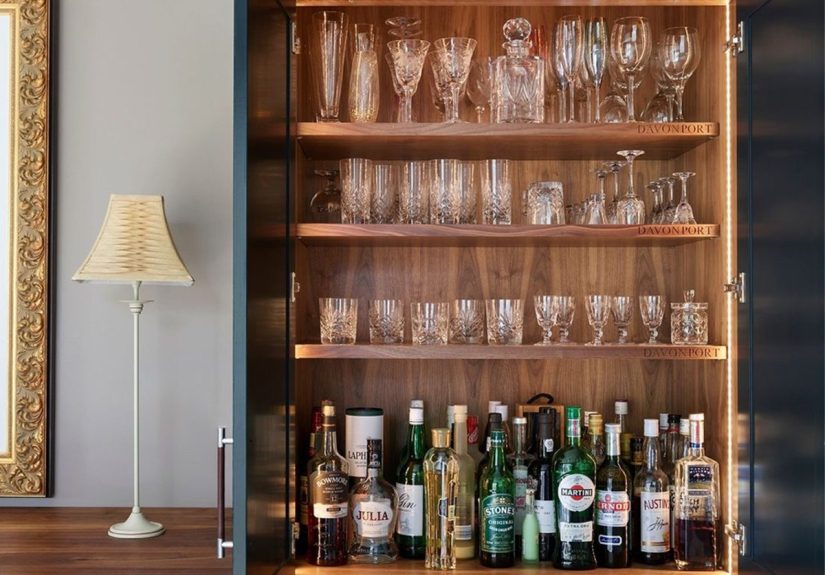
- Entertaining/rare-use: Serveware, platters, specialty glassware.
- Cleaning: Dishwasher tabs, sponges, trash bagsstored separately from food.
A Real Layout Example (So You Can Picture It)
If your sink is between your dishwasher and your main dish cabinet, put plates and bowls in the cabinet closest to the dishwasher.
Store glasses above or near that zone. Keep pots and pans close to the stove. Keep prep tools near your main prep counter.
This is less “Pinterest perfection” and more “reduce steps so cooking feels easier.”
Step 3: Follow the “Within Reach” Rule
Put the things you use most where you can grab them without thinking. Your daily items should be in the easiest-to-reach cabinets:
between waist and eye level, and not buried behind the slow cooker that comes out twice a year.
Use Frequency Levels
- Daily: Front and center, easy shelves.
- Weekly: Still accessible, but can live on upper shelves or behind daily items.
- Occasional/Seasonal: Higher shelves, deep corners, or the “top-of-cabinet” zone.
This is how you stop “stuff shuffling,” where you constantly move items around just to find the one thing you actually need.
Step 4: Use Organizers That Solve Real Cabinet Problems
Organizers work best when you choose them like tools, not decor. The goal isn’t to own more containers; it’s to make cabinets easier to use.
Shelf Risers: Double Your Space Without Remodeling
Shelf risers create a second “tier” so you can see mugs, plates, or pantry items instead of stacking them into a teetering tower.
They’re great for short cabinets or anywhere you’re losing vertical space.
Turntables (Lazy Susans): The MVP for Deep Shelves
Turntables make it easy to reach oils, sauces, vitamins, spices, or baking extracts. If you’ve ever knocked over six things to grab one,
a turntable is basically peace in circular form.
Vertical Dividers: Fix the “Cookie Sheet Jenga” Problem
Store cutting boards, baking sheets, muffin tins, and serving trays upright using vertical dividers.
Put them near your prep area so you’re not hauling sheet pans across the kitchen like a medieval shield.
Pull-Out Bins and Baskets: Make Deep Cabinets Practical
Deep cabinets hide everything. Bins (especially with handles) let you pull a whole category out at oncesnacks, baking supplies, lunch items, or spices.
If you’re not ready for fancy pull-out drawers, sturdy baskets still get the job done.
Door Space: The Bonus Storage You’re Probably Ignoring
Cabinet doors can hold slim racks for wraps, spices, or cleaning supplies (if safely stored). Just keep it lightweight and check clearance
so doors close without a dramatic “thunk.”
Under-Sink Cabinets: Contain the Chaos (Safely)
Under the sink is prime space for leaks, weird pipes, and clutter. Use a waterproof bin or caddy to corral sponges and dish soap.
Keep cleaning products in a separate, stable container. Avoid storing food here, and don’t mix “kitchen towels” with chemicals.
Drawer Organizers: Because “The Junk Drawer” Has Feelings Too
Use adjustable trays for utensils and small tools. For odd items (chip clips, lighters, takeout menus you will never read),
create one small sectionnot a whole drawer devoted to mystery.
Step 5: Pantry-Style Cabinet Organization (Without Turning Into a Labeling Robot)
If you store dry foods in cabinets, treat them like a mini pantry. The biggest wins come from visibility and simple routines,
not from decanting every grain into matching jars (unless that truly sparks joy).
Group Foods by Use
- Breakfast: Oatmeal, cereal, nut butters, coffee/tea.
- Weeknight cooking: Pasta, rice, canned tomatoes, broth, beans.
- Baking: Flour, sugar, baking powder, chocolate chips.
- Snacks: Bars, crackers, chips, nuts.
Use FIFO So Food Doesn’t Expire in the Back
FIFO means “first in, first out.” Put newer items behind older ones. This helps reduce food waste and prevents the discovery of a can
that’s old enough to apply for college.
Decanting vs. Keeping Packaging: A Practical Approach
- Decant when: Bags tear, things spill, or you buy in bulk (flour, rice, sugar). Use airtight containers.
- Keep packaging when: You need cooking instructions, or you don’t want the extra step of transferring items.
A hybrid system works well for most people: decant the messiest items, keep the rest as-is, and label only what truly needs it.
Step 6: Safety and Common-Sense Cabinet Rules
A well-organized kitchen is safernot just prettier. A few simple rules prevent accidents and reduce contamination risks.
Keep Chemicals Away From Food
Store household cleaners, pesticides, and other chemicals away from food and food-contact items. Keep products in their original containers,
follow label directions, and consider a locked cabinet if kids are around.
Put Heavy Items Low
Dutch ovens, stand mixers, and bulk pantry items should live in lower cabinets. This reduces strain and prevents awkward lifting from overhead shelves.
Protect Kids (and Visiting Tiny Humans)
If children are in the homeor visit regularlyuse safety latches for cabinets that store cleaners, sharp objects, or medications.
“Child-resistant” packaging is helpful, but it’s not the same as “child-proof.”
Keep Flammables and Clutter Away From Heat
Store paper goods, dish towels, and packaging away from the stove or other heat sources. Don’t treat the oven like bonus storage.
(It only takes one “preheat surprise” to turn a regular day into an exciting one for the fire department.)
Step 7: Make It Stick With Tiny Maintenance Habits
Organization fails when systems are too complicated. Keep it simple and repeatable.
The 5-Minute Reset
Once a day (or a few times a week), do a quick sweep: return items to their zones, toss trash, and put strays back where they belong.
One In, One Out
If a new mug enters the kitchen, an old mug leaves. Otherwise, your cabinet becomes a mug museum, and you’re the unpaid curator.
Monthly Mini-Audit
Check for expired foods, duplicates, and “why do we own this?” items. A 10-minute check beats a full weekend overhaul.
Frequently Asked Questions
How long does it take to organize kitchen cabinets?
A single cabinet can take 15–30 minutes. A full kitchen can take a few hours to a full day depending on how much you declutter.
The fastest path is one cabinet at a time, starting with the one that annoys you most.
What if I have a small kitchen with limited cabinets?
Use vertical storage (risers and dividers), prioritize multi-use items, and store rarely used appliances elsewhere if possible.
In small kitchens, the best system is usually “less stuff + better access.”
Do I need to label everything?
Not necessarily. Labels help most with pantry bins, snack zones, and shared households. If you live alone and you know where everything goes,
you can skip labels and spend that time doing something more funlike not organizing.
Real-Life Organizing Experiences and Lessons (The Stuff That Actually Happens)
Most people don’t decide to organize kitchen cabinets because it sounds like a thrilling Saturday. They do it after a moment of truth:
the lid avalanche, the “where are the measuring spoons?” panic, or the mystery jar that’s been in the back so long it feels like it’s paying rent.
What’s interesting is that the most successful cabinet makeovers usually start with one emotional goal: make the kitchen easier to use.
One common experience is the “holiday rush” reset. People realize they’re cooking more, hosting more, and suddenly the cabinets need to support real work.
The lesson here is that organization isn’t about storing everything you ownit’s about supporting the season you’re in. During busy cooking seasons,
the everyday tools should move forward: the roasting pan becomes “weekly use,” foil and parchment need to be grab-and-go, and serving platters can
temporarily take a more accessible shelf. When the season passes, the cabinet layout can shift back. A flexible system beats a rigid one.
Another classic scenario is moving into a new place. Even with fewer cabinets than you hoped for, people often notice something surprising:
when you unpack intentionallyplacing items by zone instead of by “whatever cabinet is empty”you feel organized faster.
The lesson: your first layout becomes your default. If you’re setting up from scratch, start with workflow. Put cooking tools near the stove,
prep tools near the prep area, and dishes near the dishwasher. It can feel almost too logical, but that’s the point. Logic is what makes it sustainable.
There’s also the “I bought organizers and it still looks bad” experience. This usually happens when bins are added before decluttering or zoning.
If you put a bin inside a cabinet that has no category, the bin becomes a tiny cabinet-shaped junk drawer. The lesson: containers don’t create order;
they support order. People who succeed tend to buy organizers only after they can describe what problem they’re solving:
“This shelf is too tall, so I need a riser,” or “This cabinet is deep, so I need pull-out baskets.”
Finally, a lot of people have the “my family doesn’t put things back” frustration. The fix is usually not stricter rulesit’s easier homes.
If the snack bin is labeled and lives at eye level, kids and teens can actually use it. If the lids have a dedicated slot, they don’t get shoved
into random corners. If the coffee zone has everything together, nobody has to open six doors before caffeine happens.
The lesson: design the system for the least motivated person in the house. If it works for them, it works for everyone.
Conclusion
Organizing kitchen cabinets is mostly a three-part strategy: remove what you don’t use, create zones that match your routine,
and make the easiest spots hold the most-used items. Add a few smart organizers (risers, dividers, bins, turntables) only where they fix
specific problems. Then keep it going with tiny habits like the 5-minute reset and a quick monthly check.
A well-organized cabinet doesn’t just look goodit makes cooking smoother, cleanup faster, and your kitchen feel like it’s working with you
instead of plotting against you. And that’s the kind of cabinet relationship we all deserve.