Table of Contents >> Show >> Hide
- Why Prime Rib Is So Easy to Ruin During Reheating
- Food Safety First: The Rule You Should Know Before Reheating Beef
- The Best Way to Reheat Prime Rib in the Oven
- How to Reheat Prime Rib Slices Without Drying Them Out
- How to Reheat a Larger Piece or Nearly a Whole Roast
- Can You Reheat Prime Rib in a Skillet?
- Is the Microwave a Terrible Idea?
- What About Sous Vide?
- Mistakes That Ruin Reheated Prime Rib
- How to Store Prime Rib So It Reheats Better Later
- Should You Reheat Prime Rib Whole or Sliced?
- The Best Things to Serve With Reheated Prime Rib
- Final Thoughts: The Secret Is Gentle Heat, Moisture, and Restraint
- Kitchen Experiences and Real-World Lessons From Reheating Prime Rib
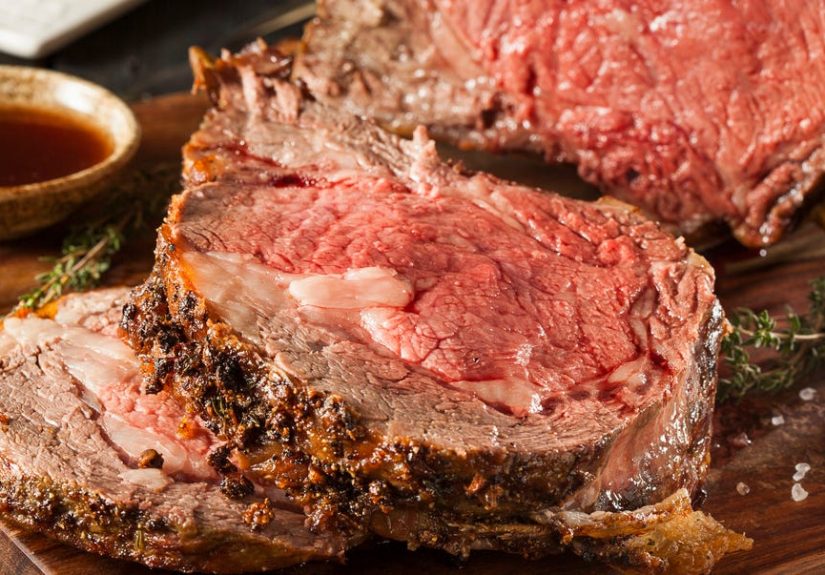
Prime rib is one of those glorious meals that makes a table go quiet for a minute. People stop chatting. Forks get serious. Someone suddenly becomes an expert on “beef integrity.” Then the next day arrives, and you are standing in the kitchen staring at leftovers that cost too much money to become sad, gray shoe leather. The good news is that reheating prime rib well is absolutely possible. The trick is not brute force. Prime rib does not want to be blasted, bullied, or nuked into submission. It wants a gentle comeback tour.
If you want to know how to reheat prime rib without drying it out, the answer is simple in theory: use low heat, add moisture, and pay attention to temperature. In practice, there are a few smart methods that work better than others depending on whether you are warming slices, a thick chunk, or nearly a whole roast. This guide breaks down the best ways to reheat prime rib, the mistakes that ruin expensive beef, and the food-safety rules you should not ignore just because the roast was legendary the night before.
Why Prime Rib Is So Easy to Ruin During Reheating
Prime rib is prized for three things: tenderness, marbling, and a rosy interior. Unfortunately, reheating attacks all three if you are careless. High heat squeezes moisture out of the meat, melts fat unevenly, and pushes a beautifully medium-rare center toward medium-well territory. That is why leftover prime rib can go from luxurious to “why is this chewing back?” in record time.
The original roast likely tasted so good because it was cooked slowly and monitored carefully. Reheating should follow the same spirit. That means no aggressive heat, no guessing, and no assuming that “hot enough” is a cooking strategy. Prime rib rewards patience. It punishes panic.
Food Safety First: The Rule You Should Know Before Reheating Beef
Before we get into chef-style reheating methods, let’s talk safety. Leftover cooked beef should be stored promptly, kept cold, and generally eaten within a few days. If you are not going to finish it soon, freeze it. When you reheat leftovers, the safest move is to use a thermometer and bring the meat up to a fully reheated temperature.
That creates the classic prime rib dilemma: the temperature that keeps medium-rare beef gorgeous is not the same temperature generally recommended for reheating leftovers. So here is the practical answer: if safety is your top priority, especially if the meat has been sitting in the refrigerator for a couple of days, reheat thoroughly and use a thermometer. If quality matters too, the best thing you can do is reheat gently, only warm the portion you plan to eat, and use moisture to protect the meat on the way up.
The Best Way to Reheat Prime Rib in the Oven
For most people, the oven is the best method for reheating prime rib. It is reliable, gentle, and ideal for larger portions. More importantly, it warms the beef gradually instead of shocking it. That is exactly what this cut needs.
Best for
Large slices, thick pieces, or a leftover chunk of roast.
How to do it
- Take the prime rib out of the refrigerator while the oven heats.
- Preheat the oven to 250°F to 300°F.
- Place the beef in a baking dish or on a rimmed pan.
- Add a few tablespoons of beef broth, stock, au jus, or pan drippings.
- Cover tightly with foil to trap steam and protect the meat.
- Heat until warmed through, checking periodically with a thermometer.
- Serve immediately, ideally with warm jus or sauce.
This method works because the broth creates a moist environment while the foil prevents the roast from drying out. Think of it as a spa day for beef. Not a boiling hot spa, though. More like a luxury retreat where the meat can recover from last night’s glory.
If you are reheating a thick piece, expect it to take longer than thin slices. Start checking early rather than late. Prime rib does not send warning texts before it overcooks.
How to Reheat Prime Rib Slices Without Drying Them Out
If your leftover prime rib is already sliced, you have an advantage: slices heat faster and more evenly. You also have a disadvantage: they can dry out faster if left uncovered. The solution is moisture plus gentle heat.
Oven-steaming method for slices
Arrange the slices in a small baking dish in a single layer. Add a little broth or jus, cover tightly with foil, and place them in a low oven. This approach lightly steams the beef instead of roasting it again. That is a very good thing.
Do not stack the slices into a beef skyscraper. Overlapping is fine, but packing them tightly makes reheating uneven. A single layer gives you better control and keeps some slices from turning perfect while others become tiny leather wallets.
Steamer method for thin slices
Another excellent option is steaming. Wrap slices in a foil pouch with a spoonful of broth or juices, then place the pouch in a steamer basket over simmering water. This is especially handy when you only want to reheat one serving. It is fast, gentle, and surprisingly good at preserving tenderness.
Steaming also works beautifully for prime rib that will be served in a sandwich, with eggs, or over mashed potatoes where juiciness matters more than rebuilding a crisp crust.
How to Reheat a Larger Piece or Nearly a Whole Roast
If you are dealing with a substantial leftover section of prime rib, the oven is still your best friend. Just scale up the process. Keep the roast covered, add a little liquid, and resist the urge to crank the temperature. A hotter oven does not save the roast. It simply shortens the distance between “still cold in the middle” and “well done on the outside.”
Place the roast fat-side up if possible so that as it warms, the fat can help baste the meat. If you saved au jus, use it here. If not, low-sodium beef broth works very well. Once the roast is warm, slice only what you plan to serve right away. Leaving the rest whole can help protect its texture for another meal.
Can You Reheat Prime Rib in a Skillet?
Yes, but this method is best for sliced prime rib and only when you are careful. A skillet can work well if you are making a quick lunch, especially if you are reheating the beef in a bit of broth or jus instead of frying it dry.
How to use the skillet method
- Heat a skillet over low heat.
- Add a splash of broth, jus, or even water in a pinch.
- Lay in the slices and cover with a lid.
- Warm gently just until heated through.
This is a great method for French dip sandwiches, steak-and-eggs plates, or rice bowls. It is not the best method if your goal is to recreate that dramatic holiday roast experience. It is more like “Tuesday lunch, but make it rich.”
Is the Microwave a Terrible Idea?
Terrible? No. Ideal? Also no. The microwave is the emergency exit, not the red carpet. It can make prime rib edible, but it can also turn one edge hot, the center cold, and the entire slice oddly tense. That is not the elegant beef experience anyone dreams about.
If you must use the microwave
- Slice the beef into even pieces.
- Place it in a microwave-safe dish.
- Add a little broth or leftover jus.
- Cover loosely.
- Heat in short intervals at medium or lower power.
- Check frequently and stop as soon as it is hot enough.
The microwave is acceptable for small portions when time is tight. Just do not wander off to answer emails, reorganize your spice drawer, or begin a new life chapter while it runs. Prime rib needs supervision.
What About Sous Vide?
If you own a sous vide setup, it can be an excellent reheating tool because water warms meat evenly and gently. Vacuum-sealed or tightly bagged prime rib can reheat without losing much moisture. It is not the most common home method, but it is one of the kindest to expensive beef.
That said, sous vide is optional, not required. A low oven with broth and foil gets most home cooks very close to the result they want without adding gadget drama to the situation.
Mistakes That Ruin Reheated Prime Rib
Using high heat
This is the biggest mistake. A hot oven sounds efficient, but it dries the outside before the center catches up.
Skipping added moisture
Prime rib reheats better with broth, stock, au jus, or pan drippings. Dry heat alone is not your friend here.
Reheating too much at once
Warm only the portion you plan to eat. Repeated reheating hurts both texture and flavor.
Guessing without a thermometer
A thermometer is the easiest way to avoid overcooking or underheating. Prime rib is too expensive for vibes alone.
Trying to recreate the original crust exactly
Fresh prime rib and reheated prime rib are cousins, not twins. Your goal is juicy, tender beef, not a perfect rerun of roast night.
How to Store Prime Rib So It Reheats Better Later
Great reheating starts with smart storage. Let the leftover beef cool, then refrigerate it in a shallow, covered container or wrap it tightly. Keep any au jus or pan drippings separately if you can. Those juices are liquid gold when it is time to reheat.
If you know you will not eat the prime rib within a few days, freeze it in portions. Smaller portions thaw faster and reheat more evenly. Wrap the beef tightly to protect it from freezer burn, and label it so it does not become one of those mysterious frozen packages everyone is afraid to identify.
Should You Reheat Prime Rib Whole or Sliced?
It depends on what you have left and how you want to serve it.
- Reheat sliced prime rib if you want faster, more even warming or you are making sandwiches, hash, salads, or steak-and-eggs.
- Reheat a larger piece whole if you want to protect moisture and carve at the last minute.
As a general rule, slices are more convenient, while larger pieces hold quality a little better. If you have options, keep part of the roast unsliced when storing leftovers. Future you will feel incredibly wise.
The Best Things to Serve With Reheated Prime Rib
Reheated prime rib shines when it has a little support. Warm jus, horseradish cream, mashed potatoes, roasted vegetables, Yorkshire pudding, toasted rolls, or buttery mushrooms all help the leftovers feel intentional instead of accidental.
And yes, prime rib leftovers also make amazing sandwiches. A lightly warmed French dip with tender slices and hot jus is one of the finest arguments for making too much prime rib on purpose.
Final Thoughts: The Secret Is Gentle Heat, Moisture, and Restraint
If you remember only one thing, remember this: the best way to reheat prime rib is slowly. Low oven heat, a little broth, a tight cover, and a thermometer will save you from most leftover beef disasters. Steaming is excellent for slices. A skillet works for quick meals. The microwave is the backup dancer, not the star.
Prime rib is not difficult to reheat well, but it does require respect. Treat it like premium beef instead of random leftovers, and it will reward you with a second meal that still feels special. That may be the best kind of kitchen magic: not making food appear, but making expensive leftovers taste like you planned the sequel all along.
Kitchen Experiences and Real-World Lessons From Reheating Prime Rib
In real kitchens, the biggest difference between disappointing leftover prime rib and excellent leftover prime rib is rarely some secret chef move. It is usually patience. People get hungry, turn the oven too high, and try to make yesterday’s roast behave like a frozen pizza. That is how beautiful beef gets bullied into mediocrity.
Holiday cooks learn this quickly. The first time someone reheats prime rib on full power in a microwave, the reaction is almost always the same: confusion, regret, and a dramatic statement that begins with, “But it was perfect yesterday.” Yes. Yesterday it was a carefully roasted centerpiece. Today it is a delicate leftover. Different mission, different strategy.
Many home cooks also discover that saving the juices matters more than they expected. A few spoonfuls of au jus or pan drippings can completely change the outcome. Reheated beef without moisture is just warm meat. Reheated beef with a little jus tastes far more like a deliberate meal. That is why experienced cooks guard leftover drippings like treasure. They are not being dramatic. They are being correct.
Another common experience is learning that slices and chunks behave differently. Thin slices can go from cool to overcooked in a blink, especially in a skillet or microwave. Larger pieces take longer but often stay juicier. After one or two attempts, most people settle into a rhythm: steam or gently warm slices for sandwiches and breakfasts, but use the oven for the good stuff you want to serve on a plate with sides.
There is also the matter of expectations. Reheated prime rib can be excellent, but it is usually best when you stop chasing the exact experience of the original roast. Leftovers thrive when you lean into what they do well. Add warm jus. Slice them for a French dip. Serve them over creamy mashed potatoes. Pair them with eggs. Fold them into a grain bowl. Once people stop trying to recreate the holiday carving board scene down to the last dramatic detail, they often enjoy the leftovers even more.
One especially useful lesson from repeat prime rib cooks is to reheat only what you plan to eat right now. This sounds obvious, yet many people warm the entire container out of habit. Then the leftovers go back into the refrigerator, a little drier and a little sadder each time. Reheating smaller portions keeps the quality noticeably better and makes the next meal easier to rescue.
And then there is the thermometer. Plenty of cooks resist it at first because they think it makes reheating feel too technical. But after one overcooked batch, the thermometer suddenly becomes the smartest tool in the kitchen. It removes guesswork, prevents unnecessary overcooking, and gives confidence. Prime rib is expensive enough that confidence is a bargain.
The most encouraging experience, though, is realizing that leftover prime rib does not have to feel like a compromise. Done well, it becomes its own event. The sandwich is richer. The breakfast hash feels fancier. The lunch bowl tastes like something from a restaurant that charges too much but somehow still feels worth it. Reheated prime rib is not just a leftover problem to solve. It is a chance to stretch one great roast into several memorable meals. And honestly, that is a pretty delicious kind of victory.