Table of Contents >> Show >> Hide
- Why Rehydrate Dried Mushrooms in the First Place?
- Step 1: Rinse the Dried Mushrooms and Soak Them in Warm or Hot Liquid
- Step 2: Lift the Mushrooms Out, Then Strain and Save the Soaking Liquid
- Step 3: Chop, Slice, and Cook the Mushrooms Like a Flavor Booster
- Common Mistakes to Avoid
- Which Dried Mushrooms Work Best?
- How Much Dried Mushroom Equals Fresh?
- Quick Example: The Easiest Weeknight Mushroom Upgrade
- Experiences Home Cooks Often Have When Rehydrating Dried Mushrooms
- Conclusion
- SEO Metadata
Dried mushrooms are the tiny, wrinkly overachievers of the pantry. They do not look like much when they come out of the bag. In fact, they often resemble something a forest squirrel forgot to file away for winter. But give them a warm bath and a little patience, and they turn into one of the smartest flavor moves in home cooking.
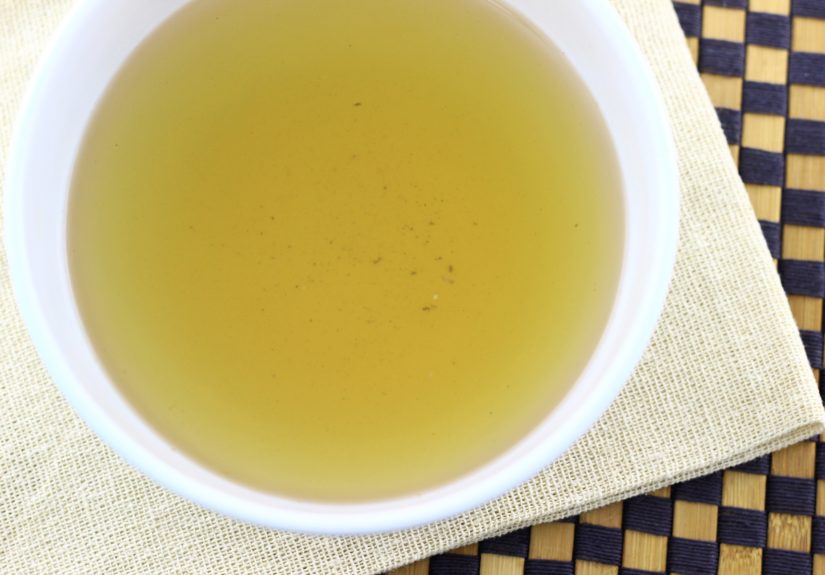
If you love deep, savory, umami-rich dishes, learning how to rehydrate dried mushrooms is a kitchen skill worth stealing immediately. Rehydrated mushrooms can be chopped into pasta sauces, folded into risotto, stirred into soups, tucked into gravies, or added to braises for that “what makes this taste so good?” effect. Better yet, the soaking liquid becomes a bonus mushroom broth, which is basically culinary gold wearing a humble disguise.
This guide breaks the process into three simple steps, plus practical tips on timing, liquid choices, common mistakes, and the best ways to use your mushrooms after they soften. Whether you are working with porcini, shiitake, morels, or a mixed wild mushroom blend, the method is easy, forgiving, and far less dramatic than it sounds.
Why Rehydrate Dried Mushrooms in the First Place?
Fresh mushrooms bring moisture and tenderness. Dried mushrooms bring concentration. As mushrooms dry, their flavor becomes more intense, earthy, and meaty. That is why a small handful of dried mushrooms can make a soup taste more complex, a gravy taste deeper, or a pan sauce taste like it suddenly got promoted.
Rehydrating dried mushrooms does two useful things at once. First, it softens the mushrooms so you can slice, chop, and cook them comfortably. Second, it creates a flavorful soaking liquid that can be used like a light mushroom stock. It is the kind of two-for-one deal that makes cooks feel smug in the best possible way.
Step 1: Rinse the Dried Mushrooms and Soak Them in Warm or Hot Liquid
Start by measuring the amount of dried mushrooms you need. Put them in a heatproof bowl. If the mushrooms look dusty, give them a quick rinse under cool running water first. This step is especially helpful with wild varieties that may carry a little grit. No one wants their creamy mushroom sauce to crunch like beach sand.
Next, cover the mushrooms with warm or hot liquid. Water works perfectly well, and it is the most common choice. But broth, stock, or even a mild splash of wine mixed with water can add extra flavor in the right recipe. The liquid should fully cover the mushrooms. If they bob around like tiny life rafts, place a small plate or spoon on top to keep them submerged.
How Long Should You Soak Dried Mushrooms?
Most dried mushrooms soften in about 15 to 30 minutes. Thin slices usually rehydrate faster. Thick shiitake caps, whole porcini pieces, and some morels may need more time. If your mushrooms still feel leathery or stiff in the center, let them keep soaking. This is not a race. Nobody gives awards for under-soaked fungi.
Warm liquid speeds things up, while room-temperature water takes longer but still works. Hot water is a favorite because it rehydrates quickly and pulls out plenty of mushroom flavor into the soaking liquid. That said, there is no need to boil the mushrooms aggressively. You are rehydrating them, not interrogating them.
Best Liquids for Rehydrating Dried Mushrooms
- Hot water: simple, reliable, and great for most recipes
- Warm broth or stock: helpful for soups, sauces, and braises
- Water with a little wine: useful for richer dishes with porcini or morels
- Room-temperature water: fine when you are not in a hurry
Step 2: Lift the Mushrooms Out, Then Strain and Save the Soaking Liquid
Once the mushrooms are soft, do not dump the whole bowl straight into your skillet. That is the fastest route to pouring grit into dinner. Instead, lift the mushrooms out by hand or with a slotted spoon and leave the sediment behind in the bowl.
Now strain the soaking liquid through a fine-mesh sieve lined with cheesecloth, a paper towel, or a coffee filter. This catches any dirt hiding in the broth. The result is a deeply flavorful mushroom liquid that can be added to risotto, soup, pan sauces, gravy, stuffing, noodles, or braised dishes.
At this point, gently squeeze the mushrooms over the bowl to remove excess liquid. They should be plump and tender, not waterlogged. If you are using shiitake mushrooms, trim and discard the woody stems before cooking. With porcini or mixed wild mushrooms, give them a quick check for any stubborn bits of grit.
Why the Soaking Liquid Matters
The soaking liquid is not an afterthought. It is part of the ingredient. Think of it as a concentrated mushroom broth with built-in umami. A few tablespoons can wake up a pan sauce. Half a cup can make rice taste more savory. A full cup can turn a decent soup into a “please write this recipe down” soup.
If you are not using the liquid immediately, cool it and refrigerate it for a short time. You can also freeze it in small portions for future cooking. It is a nice trick for weeknights when you want fast flavor without opening ten jars and pretending that counts as dinner prep.
Step 3: Chop, Slice, and Cook the Mushrooms Like a Flavor Booster
After rehydrating, the mushrooms are ready to use. Depending on the recipe, you can leave small pieces whole, slice larger caps, or chop everything finely. Finely chopped dried mushrooms are especially good in gravies, meat sauces, dumpling fillings, ramen broths, and mushroom-forward pasta dishes.
Rehydrated mushrooms often benefit from a quick sauté before joining the rest of the recipe. A little butter or olive oil in a hot pan helps drive off extra moisture and concentrates the flavor further. Add garlic, shallots, thyme, soy sauce, or a splash of cream and suddenly the kitchen smells like you know exactly what you are doing.
Best Ways to Use Rehydrated Dried Mushrooms
- Stir them into risotto with some of the strained soaking liquid
- Add them to soup, stew, or mushroom barley soup
- Fold them into pasta sauce, ragù, or cream sauce
- Mix them into stuffing, grains, or savory bread pudding
- Use them in ramen, noodle bowls, or dumpling fillings
- Blend them with fresh mushrooms for layered flavor and texture
Common Mistakes to Avoid
1. Throwing Away the Liquid
This is the classic mistake. If you toss the soaking liquid without at least considering its potential, a tiny mushroom somewhere files a formal complaint. Always strain it first, then decide how to use it.
2. Not Checking for Grit
Wild mushrooms, especially morels and some mixed blends, can carry sandy particles. Lift the mushrooms out carefully and strain the liquid well. Better safe than crunchy.
3. Under-Soaking Thick Mushrooms
If the mushrooms are still tough, they are not ready. Thick shiitakes and chunky porcini often need more time than thin slices. Let texture guide you.
4. Using Too Much Liquid in the Final Dish
The soaking liquid is flavorful, but it can be strong. Taste before pouring in a full cup. A small amount can add depth; too much can dominate a delicate dish.
5. Forgetting to Trim Tough Stems
Shiitake stems are famously woody. Save them for stock if you like, but do not expect them to become magically tender just because they took a bath.
Which Dried Mushrooms Work Best?
Porcini are famous for their intense earthy flavor and are fantastic in risotto, sauces, and gravies. Shiitake mushrooms bring savory depth and a pleasantly chewy texture, especially in broths, noodle dishes, and stir-fries. Morels are prized for their rich, nutty flavor, though they need extra attention because grit loves hiding in their honeycomb texture. Wood ear mushrooms are valued more for texture than for broth-making power, so they are great in salads, stir-fries, and soups where crunch and chew matter.
You do not need to become emotionally attached to one variety. Mixed wild mushroom blends are excellent pantry staples and work beautifully in all kinds of comfort food.
How Much Dried Mushroom Equals Fresh?
Dried mushrooms are concentrated, so a little goes a long way. Exact conversions vary by type, but in general, dried mushrooms expand noticeably after soaking. For many recipes, a modest handful of dried mushrooms can flavor an entire pot of soup or a skillet of sauce. Start conservatively, taste, and add more next time if you want a stronger mushroom presence.
Quick Example: The Easiest Weeknight Mushroom Upgrade
Imagine you are making a simple pan sauce for chicken or pasta. Soak a small handful of dried porcini in hot water while the onions cook. Lift the mushrooms out, chop them, and sauté them with garlic and butter. Add a splash of the strained soaking liquid, then stir in cream or broth. In less than 30 minutes, you have a sauce that tastes like it spent the afternoon in a French countryside kitchen instead of arriving on a Tuesday after work.
That is the real power of rehydrating dried mushrooms. It is a tiny step that makes ordinary food taste more thoughtful, more layered, and frankly more expensive.
Experiences Home Cooks Often Have When Rehydrating Dried Mushrooms
One of the most common experiences people have when learning how to rehydrate dried mushrooms is surprise. The dried pieces look small, light, and a little sad at first, so expectations stay low. Then, after soaking, they plump up dramatically and suddenly look like a legitimate ingredient instead of pantry confetti. That transformation tends to make people feel like they just unlocked a secret level in cooking.
Another common experience is discovering that the soaking liquid smells incredible. Many home cooks expect the mushrooms to be the star and the water to be disposable. Then they catch that rich, woodsy aroma and realize they have accidentally made a quick mushroom broth. This is usually the moment when dried mushrooms go from “interesting specialty item” to “why do I not keep these in the house all the time?”
There is also often a small grit-related learning curve. The first time someone pours the soaking liquid without straining it carefully, they understand immediately why cooks keep mentioning sediment. It is not a tragic mistake, but it is memorable. After that, the fine-mesh sieve, coffee filter, or paper towel becomes part of the routine, and dinner becomes much less crunchy in all the right ways.
Texture is another eye-opening part of the experience. People sometimes assume rehydrated mushrooms will feel exactly like fresh ones. They usually do not. Instead, they have a meatier, chewier, slightly more concentrated texture that works beautifully in sauces, soups, gravies, and noodle dishes. Once cooks stop expecting a perfect fresh mushroom duplicate, they start appreciating dried mushrooms for what they are: their own delicious category.
Timing also teaches a useful lesson. Many cooks start out impatient and want every mushroom soft in ten minutes flat. Sometimes that works. Sometimes thick shiitake caps or sturdy porcini chunks need longer. Over time, people learn to judge readiness by touch instead of obsessing over the clock. If the mushroom bends easily and feels tender, it is ready. If it still feels like a tiny leather coin, it needs more soaking. Very scientific. Very glamorous.
Perhaps the best experience, though, is how easily dried mushrooms elevate simple meals. A plain pot of rice tastes deeper with a splash of mushroom liquid. Store-bought broth tastes more homemade. A basic cream sauce becomes richer and more complex. Even a humble bowl of noodles can feel a little restaurant-worthy with sliced rehydrated shiitakes on top. That kind of payoff makes people feel clever, which is one of the nicer emotions to have while cooking.
Over time, many home cooks develop their own preferences. Some swear by hot water for speed. Others like warm broth for extra flavor. Some chop the mushrooms finely so they melt into sauces. Others leave them in large pieces so they stay hearty and visible. That flexibility is part of the appeal. Rehydrating dried mushrooms is not a fussy chef trick. It is a practical, adaptable kitchen habit that keeps rewarding you the more you use it.
And perhaps that is the most relatable experience of all: once people learn the method, they stop treating dried mushrooms like a mysterious pantry artifact and start using them as an everyday shortcut to better food. Not bad for something that begins life looking like forest jerky.
Conclusion
Learning how to rehydrate dried mushrooms comes down to three easy steps: soak them, strain and save the liquid, then cook them like a flavor booster. That is it. No fancy equipment, no culinary drama, and no need to pretend you attended mushroom finishing school.
Once you get comfortable with the process, dried mushrooms become one of the most useful ingredients in your kitchen. They are compact, shelf-stable, deeply flavorful, and generous enough to give you both tender mushrooms and a savory broth in one shot. For soups, sauces, gravies, risotto, stuffing, noodles, and braises, they punch far above their weight.
If your cooking could use a little more depth, more umami, and more “wow, this tastes amazing” without a lot more effort, dried mushrooms are ready for duty. They just need a bowl, some warm liquid, and a chance to become their best selves.