Table of Contents >> Show >> Hide
- What Makes Irish Soda Bread Different?
- Should Irish Soda Bread Be Served Warm?
- How to Warm Up Irish Soda Bread Without Drying It Out
- How to Slice Irish Soda Bread for Serving
- Classic Ways to Eat Irish Soda Bread
- Creative Serving Ideas for Irish Soda Bread
- What to Serve with Irish Soda Bread for Different Occasions
- How to Store Irish Soda Bread
- Common Mistakes When Serving Irish Soda Bread
- Practical Serving Plan: From Oven to Table
- of Real-Life Serving Experience: What Actually Works Best
- Conclusion
Irish soda bread is the kind of bread that walks into a room wearing muddy boots and somehow still gets invited to dinner. It is rustic, hearty, slightly tangy, and wonderfully uncomplicated. No yeast drama. No long proofing schedule. No “please feed me every six hours” sourdough personality. Just flour, baking soda, salt, buttermilk, heat, and a little kitchen confidence.
But here is the delicious question: once you have a loaf, how do you serve Irish soda bread so it tastes its best? Do you warm it up? Toast it? Smother it with butter? Pair it with stew? Turn leftovers into breakfast? The answer is yes, yes, absolutely yes, and please invite me over.
This guide explains how to serve Irish soda bread at its freshest, how to warm it without drying it into a floury doorstop, what to eat with it, how to store leftovers, and how to make every slice feel intentional. Whether you are serving it for St. Patrick’s Day, Sunday brunch, a cozy soup night, or a “bread counts as dinner, right?” evening, this article will help you turn a simple loaf into a memorable meal.
What Makes Irish Soda Bread Different?
Irish soda bread is a quick bread, which means it rises without yeast. Instead, baking soda reacts with acidic buttermilk to create lift. That chemical reaction gives the loaf its dense, tender crumb and mild tang. Traditional Irish soda bread is famously simple: flour, baking soda, salt, and buttermilk. Many American versions are richer and sweeter, often including butter, sugar, eggs, raisins, currants, or caraway seeds.
That difference matters when serving it. A traditional brown soda bread works beautifully with soups, stews, cheese, smoked fish, and savory toppings. A sweeter American-style loaf with raisins or currants leans toward breakfast, tea time, butter, jam, honey, and French toast. Think of Irish soda bread as two cousins at the same family gathering: one brought soup, the other brought marmalade.
Should Irish Soda Bread Be Served Warm?
Irish soda bread is best served warm or at room temperature. Fresh from the oven, it has a lightly crisp crust and a soft, fragrant center. Warmth wakes up the buttermilk tang, softens the crumb, and makes butter melt into all the tiny cracks like it has been waiting its whole life for this moment.
However, do not slice the loaf the second it leaves the oven. That is tempting, but a hot loaf is still finishing its structure inside. Let it cool for at least 15 to 30 minutes before cutting. If you slice too early, the crumb may turn gummy or crumble aggressively. Irish soda bread is already a little crumbly by nature; do not give it extra reasons to misbehave.
The Best Serving Temperature
The sweet spot is warm, not scorching. A slice should feel cozy in your hand, not like it is auditioning to become a hand warmer. Serve it slightly warm for butter, soups, and stews. Serve it room temperature for cheese boards, sandwiches, and picnic-style meals.
How to Warm Up Irish Soda Bread Without Drying It Out
Because Irish soda bread has less fat than many enriched breads, it can dry out if reheated too aggressively. The goal is to refresh the loaf, not punish it. Use gentle heat and a little protection.
Method 1: Warm a Whole Loaf in the Oven
To warm a whole loaf, preheat the oven to 300°F. Wrap the bread loosely in aluminum foil and heat it for 10 to 15 minutes. The foil helps hold in moisture while the oven revives the crumb. If you want a crisper crust, open the foil for the final 2 to 3 minutes.
This method is ideal when serving Irish soda bread with dinner. Place the warmed loaf on a cutting board, slice it into wedges or thick slices, and serve with softened butter. For maximum cozy points, put the butter in a small dish instead of leaving it in its paper wrapper like it just escaped the fridge.
Method 2: Toast Individual Slices
For day-old soda bread, toasting is often the best move. Slice the bread about 1/2 inch thick and toast it until the edges are crisp and the center is warm. A toaster works for neat slices, while a skillet or oven is better for irregular wedges.
Toasted Irish soda bread is excellent with salted butter, orange marmalade, berry jam, honey butter, apple butter, cream cheese, or a fried egg. Toasting also helps reduce the crumbly texture, making the slice easier to handle.
Method 3: Warm Slices in a Skillet
For a slightly richer result, warm slices in a dry skillet over medium-low heat for 1 to 2 minutes per side. For a breakfast-style treat, add a small pat of butter to the pan and toast the bread until golden. This gives the crust a nutty flavor and makes the kitchen smell like a bakery with excellent manners.
Method 4: Microwave Only in Emergencies
The microwave can soften Irish soda bread quickly, but it can also make it rubbery if overdone. If you must use it, wrap one slice in a barely damp paper towel and microwave for 8 to 12 seconds. Eat it right away. Waiting too long after microwaving bread is how sadness gets invited to breakfast.
How to Slice Irish Soda Bread for Serving
Irish soda bread is often baked as a round loaf with a cross cut into the top. For a traditional presentation, cut the round into quarters, then slice each quarter into thick pieces. This method respects the rustic shape and keeps the slices manageable.
If the loaf was baked in a loaf pan, slice it like sandwich bread, but slightly thicker. Thin slices can fall apart, especially if the bread contains raisins or has a coarse whole-grain crumb. A serrated knife is your best friend here. Do not press down too hard; let the knife saw gently through the crust.
Classic Ways to Eat Irish Soda Bread
1. With Butter
The most classic way to serve Irish soda bread is warm with butter. Salted butter is especially good because it balances the tang of the buttermilk and the earthy flavor of the bread. Irish butter, with its rich taste and golden color, is a favorite choice, but any good-quality butter will do.
For serving guests, soften the butter ahead of time. Cold butter on warm soda bread is technically edible, but it tears the slice like a tiny kitchen bulldozer. Soft butter spreads smoothly and melts into the crumb.
2. With Jam, Marmalade, or Honey
Sweet toppings are perfect for American-style Irish soda bread, especially if the loaf contains raisins or currants. Try orange marmalade, strawberry jam, blackberry preserves, apricot jam, or honey. Marmalade is especially nice because its bittersweet citrus flavor cuts through the richness of butter.
A great breakfast serving idea is toasted Irish soda bread with butter and jam beside hot coffee or black tea. It is simple, fast, and dramatically better than eating a granola bar while standing over the sink.
3. With Soups and Stews
Irish soda bread shines beside hearty food. Serve it with Irish beef stew, potato leek soup, vegetable soup, lentil soup, chicken stew, split pea soup, or seafood chowder. Its dense texture makes it excellent for dipping, scooping, and politely rescuing the last spoonfuls from the bowl.
For savory meals, choose a plainer loaf without raisins. A sweet raisin soda bread can still work with some dishes, but it may clash with strongly savory flavors. When in doubt, plain soda bread for dinner, fruit-studded soda bread for breakfast or tea.
4. With Cheese
Irish soda bread pairs well with sharp cheddar, aged white cheddar, blue cheese, goat cheese, cream cheese, and soft salted butter with herbs. For a simple appetizer board, arrange toasted soda bread slices with cheddar, sliced apples, pickles, mustard, and a small dish of chutney.
The tangy bread and sharp cheese combination is satisfying because it balances fat, acidity, salt, and texture. In other words, it tastes like you planned it, even if your plan was “open fridge, hope for magic.”
5. With Eggs and Breakfast Foods
Toasted Irish soda bread is wonderful with scrambled eggs, fried eggs, omelets, bacon, sausage, roasted tomatoes, or sautéed mushrooms. A savory slice can replace toast in almost any breakfast plate.
For a brunch idea, serve toasted soda bread with soft scrambled eggs, chives, and a little smoked salmon. For a sweeter brunch, use raisin soda bread with whipped cream cheese and jam.
Creative Serving Ideas for Irish Soda Bread
Irish Soda Bread French Toast
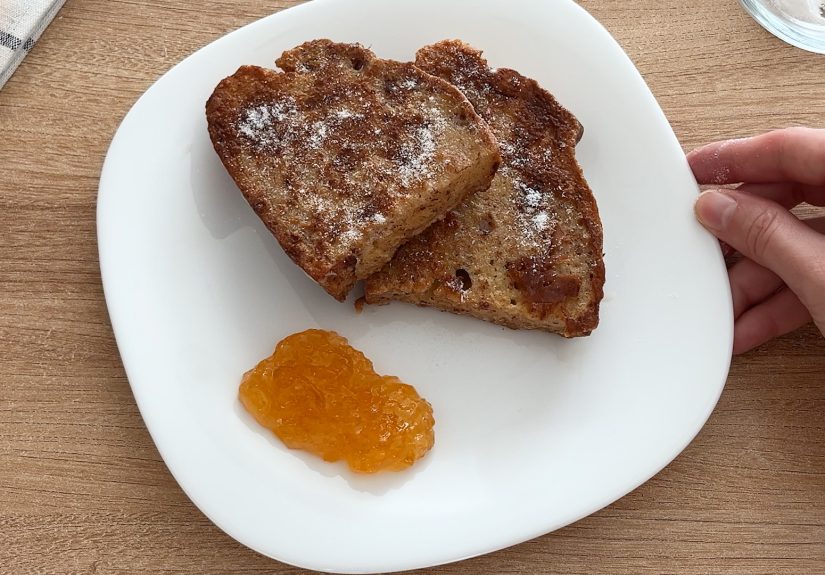
Day-old soda bread makes surprisingly good French toast. Its sturdy crumb absorbs custard without collapsing. Whisk eggs, milk, vanilla, cinnamon, and a pinch of salt, then dip thick slices briefly. Cook in butter until golden on both sides. Serve with maple syrup, berries, or powdered sugar.
This is especially good with sweeter soda bread that includes raisins or currants. The fruit caramelizes slightly in the pan, which is a fancy way of saying breakfast just got promoted.
Open-Faced Sandwiches
Plain Irish soda bread can be used for open-faced sandwiches. Toast a slice, then top it with cheddar and apple, smoked salmon and cream cheese, roast beef and mustard, egg salad, or avocado and a sprinkle of salt. Because the bread is crumbly, open-faced sandwiches usually work better than tall stacked sandwiches.
Croutons for Soup or Salad
If your loaf is getting dry, cube it and turn it into croutons. Toss cubes with olive oil, salt, pepper, and herbs, then bake at 350°F until crisp. Use them on soup, salad, or roasted vegetables. Soda bread croutons have a rustic texture that feels homemade in the best possible way.
Bread Pudding
Stale Irish soda bread can become bread pudding. Cube the bread and soak it in a mixture of eggs, milk or cream, sugar, vanilla, and warm spices. Bake until set. Add raisins, apples, chocolate chips, or orange zest depending on the flavor of the loaf.
This is a smart way to avoid waste because soda bread dries out faster than many yeast breads. Also, calling dessert “waste prevention” makes everyone feel responsible while eating seconds.
What to Serve with Irish Soda Bread for Different Occasions
For St. Patrick’s Day
Serve Irish soda bread with beef stew, lamb stew, potato soup, corned beef, cabbage, roasted carrots, or sharp cheddar. Offer both plain butter and honey butter. If you are serving a crowd, slice the bread shortly before mealtime so it does not dry out.
For Breakfast
Serve toasted slices with butter, jam, marmalade, honey, eggs, or cream cheese. Add fresh fruit and tea or coffee. A raisin soda bread loaf feels especially at home here.
For Dinner
Pair plain soda bread with soups, stews, roast chicken, pot roast, chili, or roasted vegetables. Keep the toppings simple: salted butter, herb butter, or a little cheese.
For Afternoon Tea
Serve thin, warm slices with butter, orange marmalade, berry preserves, lemon curd, or whipped cream cheese. Add black tea, herbal tea, or coffee. This is a lovely way to serve soda bread when you want something cozy but not overly sweet.
How to Store Irish Soda Bread
Irish soda bread is best eaten the day it is made. Because it is a quick bread with a dense crumb, it tends to dry out faster than soft sandwich bread. Still, proper storage can keep it enjoyable for another day or two.
Room Temperature Storage
Let the bread cool completely before storing. Wrap it tightly in plastic wrap, foil, or a clean kitchen towel, then place it in an airtight container or bread bag. Store it at room temperature for about 2 days for best quality. Some richer versions may stay pleasant a little longer, but freshness fades with time.
Freezer Storage
For longer storage, freeze Irish soda bread. Slice it first so you can thaw only what you need. Wrap individual slices or wedges tightly, place them in a freezer bag, press out extra air, label the bag, and freeze. For best quality, use frozen soda bread within 1 to 3 months.
To serve frozen slices, thaw at room temperature, then toast or warm in the oven. Do not thaw and refreeze repeatedly, because the texture will suffer. Bread may forgive many things, but freezer chaos is not one of them.
Common Mistakes When Serving Irish Soda Bread
Slicing It Too Hot
Freshly baked soda bread smells irresistible, but slicing too soon can make the interior gummy. Give it time to settle before cutting.
Serving Cold Butter
Cold butter can rip tender slices apart. Use softened butter, whipped butter, or spreadable herb butter.
Using the Wrong Pairing
Raisin soda bread with beef stew may not be everyone’s dream dinner. Match sweet loaves with breakfast and tea; match plain loaves with savory meals.
Overheating Leftovers
Too much heat dries the bread. Warm gently, toast lightly, or use leftovers in recipes like French toast, croutons, or bread pudding.
Practical Serving Plan: From Oven to Table
If you want a smooth serving experience, bake the bread early enough that it can cool for 20 to 30 minutes before dinner. While it rests, soften the butter and prepare any toppings. Slice the loaf just before serving. Place the slices in a towel-lined basket or on a wooden board to keep the presentation casual and warm.
For a dinner table, offer butter and perhaps one savory spread, such as herb butter or cheddar spread. For breakfast, offer butter, jam, marmalade, and honey. For a party, cut smaller pieces so guests can sample without committing to a bread slab the size of a paperback novel.
of Real-Life Serving Experience: What Actually Works Best
The first time many people serve Irish soda bread, they treat it like regular sandwich bread. That is understandable, but soda bread has its own personality. It is sturdier, more crumbly, more rustic, and less interested in behaving politely under a mountain of wet toppings. The best experiences usually come from respecting what the bread already does well: warmth, butter, texture, and simple pairings.
In my experience, the most reliable way to impress guests is to serve the bread warm, sliced thick, with softened salted butter. This sounds almost too basic, but it works because Irish soda bread is not trying to be a pastry. It wants to be hearty. It wants to sit next to soup. It wants to be torn apart by hand and dragged through stew like it has an important mission. When the bread is warm and the butter melts slightly, the flavor becomes fuller and the crumb feels softer.
For breakfast, toasted slices are the clear winner. Fresh soda bread is wonderful, but day-old soda bread needs a little help. Toasting brings back the crust and gives the interior a pleasant chew. Add butter and orange marmalade, and suddenly yesterday’s loaf tastes like a planned breakfast instead of a leftover rescue operation. Raisin soda bread is especially good this way because the fruit becomes sweeter and more fragrant after toasting.
For dinner, plain soda bread is more flexible than sweet soda bread. A loaf with raisins can be delicious, but it is not always the best partner for savory dishes. With beef stew, potato soup, or chicken vegetable soup, a plain buttermilk soda bread makes more sense. It does not compete with the meal. It absorbs broth, adds body, and gives everyone something satisfying to hold between spoonfuls.
One small trick that makes a big difference is serving the loaf in stages. If you slice the entire loaf too early, the cut surfaces dry out. Instead, slice half the loaf and keep the rest wrapped in a clean towel. Refill the basket when needed. This keeps the bread fresher and makes the meal feel a little more generous, as if warm bread is magically appearing from the kitchen. Nobody needs to know the magic is just a towel and timing.
Another useful lesson: do not underestimate spreads. Softened butter is classic, but herb butter can make a plain loaf feel dinner-party ready. Honey butter makes breakfast feel special. Cream cheese and jam turn toasted slices into a quick snack. Sharp cheddar and apple slices make soda bread feel like part of a rustic lunch board. The bread is simple, but that simplicity is exactly why toppings work so well.
Finally, if the loaf becomes dry, do not give up on it. Dry soda bread is not a failure; it is an ingredient. Cube it for croutons, turn it into French toast, or bake it into bread pudding. Irish soda bread has a short window of peak freshness, but with a little creativity, it can stay useful and delicious long after the first warm slice disappears.
Conclusion
Learning how to serve Irish soda bread is mostly about timing, warmth, and smart pairings. Serve it warm with butter when it is fresh, toast it the next day, pair plain loaves with soups and stews, and save sweeter versions for breakfast or tea. Store leftovers tightly wrapped, freeze slices for later, and transform dry pieces into French toast, croutons, or bread pudding.
Irish soda bread is humble, but it is not boring. It can be rustic dinner bread, cozy breakfast toast, a brunch centerpiece, or the best part of a soup night. Treat it gently, serve it generously, and always bring enough butter. Bread may be simple, but buttered bread is practically a public service.