Table of Contents >> Show >> Hide
- Why Eczema Can Look Different on Dark Skin
- Step 1: Make Sure It’s Actually Eczema (Not a Look-Alike)
- Step 2: Build a “Barrier-First” Daily Routine (This Is Your Eczema Insurance)
- Step 3: Calm Inflammation During Flares (The “Get Ahead of Itch” Plan)
- Step 4: Stop the Scratch Cycle (Because Pigment Changes Love Scratching)
- Step 5: Manage Hyperpigmentation and Hypopigmentation (Without Making Eczema Angry)
- Step 6: When Over-the-Counter Care Isn’t Enough
- Special Considerations for Dark Skin: Hair, Grooming, and “Product Buildup” Triggers
- What to Ask at a Dermatology Appointment (So You Leave With a Plan, Not a Vibe)
- Quick FAQ
- Experiences People Often Share About Treating Eczema on Dark Skin (Plus What Helps)
- Conclusion
Important note: This article is for general education, not a diagnosis. If you have severe pain, fever, rapidly spreading rash, pus/honey-colored crusting, eye swelling, or trouble breathing, seek urgent medical care. Otherwise, a primary care clinician or dermatologist (especially one experienced with skin of color) can help you tailor treatment.
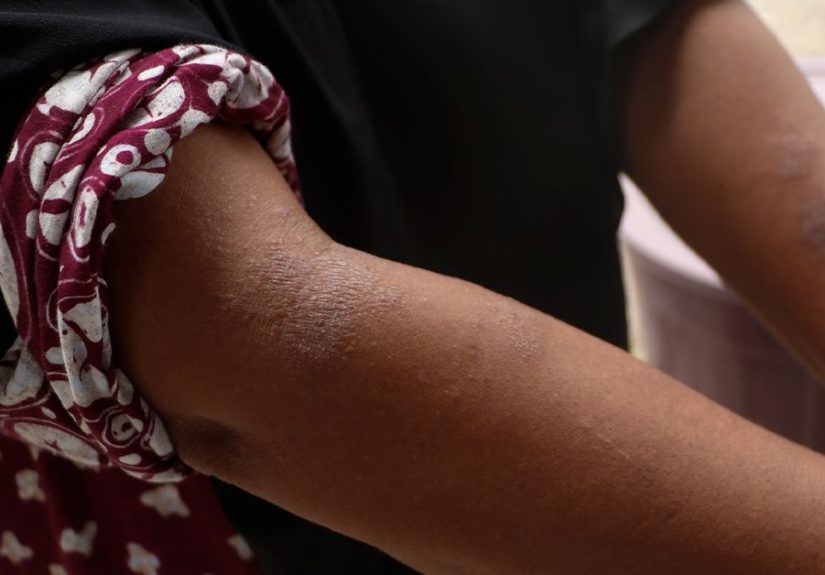
Eczema doesn’t play favoritesbut it does play tricks. On lighter skin, eczema often looks “obviously red.” On dark skin, that classic redness can be muted or missing, and the rash may show up as purple, violet, gray, ashy, or deep brown patches. That difference can lead to delayed treatment, more scratching, and a frustrating after-effect: dark spots (hyperpigmentation) or lighter patches (hypopigmentation) that linger long after the itch calms down.
The good news: the core treatment plan for eczema (also called atopic dermatitis) works across skin tones. The great news: with a few extra strategiesfocused on barrier repair and pigment protectionyou can often reduce flares and minimize discoloration. Let’s build a practical, dermatologist-style game plan.
Why Eczema Can Look Different on Dark Skin
Eczema is inflammation plus a weakened skin barrier. When the barrier is leaky, the skin dries out, gets irritated more easily, and becomes itchierso you scratch, which adds more inflammation (the eczema version of “adding gasoline to a campfire”).
On richly pigmented skin, inflammation may not read as “bright red.” Instead, you might see:
- Ashen, gray, purple, or deep brown patches instead of pink-red.
- More obvious dryness (sometimes described as “ashy” skin) with fine scaling.
- Raised bumps (papular eczema) or “goosebump-like” follicular accentuation.
- Thickened, leathery areas (lichenification) from chronic scratching.
- Post-inflammatory pigment changes that can take weeks to months to fade.
Translation: you’re not “imagining it” if your eczema doesn’t look like the textbook photo. Many textbooks simply didn’t bring enough friends with melanin to the photoshoot.
Step 1: Make Sure It’s Actually Eczema (Not a Look-Alike)
Because eczema on dark skin may not look red, it can be confused with other conditions. Consider getting evaluated if you’re unsureespecially if you’ve tried moisturizers and gentle care for 2–3 weeks with no improvement.
Common eczema clues
- Itch (often intense, especially at night)
- Dryness and rough texture
- Flare pattern (better for a while, then worse again)
- Typical locations: folds of elbows/knees, neck, wrists, hands; in kids, cheeks and outer limbs are common
- History of allergies/asthma/hay fever can increase likelihood
Look-alikes worth ruling out
- Fungal infections (tinea/ringworm) – often more sharply bordered, may worsen with steroid creams
- Psoriasis – thicker plaques, often on scalp/elbows/knees
- Contact dermatitis – triggered by a product (fragrance, hair products, detergents, nickel, etc.)
- Seborrheic dermatitis – greasy scale on scalp/face/chest
Example: If you have a circular, scaly patch on the body that keeps expanding and doesn’t respond to moisturizer, ask a clinician to check for fungus before you keep “treating eczema.”
Step 2: Build a “Barrier-First” Daily Routine (This Is Your Eczema Insurance)
If eczema treatment were a sandwich, medication is the fillingbut moisturizing is the bread. Without the bread, everything falls apart and gets messy (also true of tacos, but we’ll stay on topic).
Daily routine that dermatologists love
- Short, warm showers or baths (think “cozy,” not “lobster boil”).
- Use a gentle, fragrance-free cleanser only where you need it (armpits, groin, feet). Over-cleansing strips the barrier.
- Pat drydon’t scrub.
- Moisturize within 3 minutes of stepping out (this helps trap water in the skin).
- Moisturize again later if you feel tightness or see “ashiness.”
Moisturizer tips for dark skin (because “ashy” is real)
Many people with darker skin prefer thicker textures because they reduce visible dryness and tightness. In general:
- Ointments (petrolatum-based) seal in moisture bestespecially during flares.
- Creams (in tubs, not pumps) are a good daily middle ground.
- Lotions are often too light for eczema-prone skin.
- Look for barrier helpers like ceramides, glycerin, colloidal oatmeal, or petrolatum.
- Avoid fragrance when possible“smells like vacation” can also mean “itchy by Tuesday.”
Step 3: Calm Inflammation During Flares (The “Get Ahead of Itch” Plan)
Moisturizer repairs the barrier. But during a flare, your immune system is throwing a loud party in your skinand you need something that turns the volume down.
1) Topical corticosteroids (the classic anti-inflammatory)
Topical steroids are often first-line for flares. The key is right strength, right spot, right timenot “slather forever.” A clinician will choose potency based on the body area, severity, and age.
- Use as directed (often once or twice daily for a limited period during flares).
- Lower-potency options are typically used for the face, neck, groin, and skin folds.
- Overuse risks include thinning skin and visible lightening or discolorationeffects that may be more noticeable on darker skin.
Pro tip: If your eczema keeps returning in the same places, ask about a “proactive” plan (intermittent anti-inflammatory treatment in hotspot areas) rather than waiting until it’s a full wildfire again.
2) Steroid-sparing topicals (great for sensitive areas and long-term control)
If you’re treating delicate areas (like eyelids) or you’re trying to minimize steroid exposure, these options can help:
- Topical calcineurin inhibitors (TCIs) (e.g., tacrolimus, pimecrolimus): often used for the face and folds; may sting or burn briefly at first.
- Other non-steroid anti-inflammatories (such as PDE4 inhibitors): helpful for mild-to-moderate eczema in some people, though stinging can happen.
- Topical JAK inhibitors (prescription): used for certain cases of mild-to-moderate atopic dermatitis; they come with specific safety guidance and are typically for short-term/non-continuous use under medical supervision.
3) Wet wrap therapy (for big flares that laugh at lotion)
Wet wraps can be a powerful short-term method when eczema is severeespecially for widespread patches. It usually involves applying medication and moisturizer, then using damp and dry layers to boost hydration and reduce scratching. Because technique matters, learn it from a clinician so it’s done safely and effectively.
Step 4: Stop the Scratch Cycle (Because Pigment Changes Love Scratching)
Scratching feels good for about 3 seconds. Then eczema gets worse, the skin thickens, and pigment changes become more likely. On dark skin, that can mean darker marks that stick around like an unwanted group chat.
Itch-control strategies that actually help
- Moisturize more often during flares (dryness drives itch).
- Cold compress for 5–10 minutes when itch spikes.
- Keep nails short and consider cotton gloves at night.
- Wear soft, breathable fabrics (cotton is usually friendlier than wool).
- Reduce heat and sweat (overheating can trigger itch).
- Nighttime itch: some people are advised to use certain oral antihistamines for sleep and itch relief, but ask your clinicianespecially for kids.
Watch for infection
Eczema skin is more prone to bacterial infection. Call a clinician if you notice:
- Honey-colored crusting or increasing oozing
- Rapid spreading warmth and tenderness
- Fever or feeling unwell
Some clinicians recommend specific strategies (like bleach baths) for recurrent infection risk, but those should be individualized and done only with medical guidance.
Step 5: Manage Hyperpigmentation and Hypopigmentation (Without Making Eczema Angry)
On dark skin, pigment changes after inflammation are common. It can be emotionally draining: your eczema calms down, but the color change stays behind as a souvenir you didn’t buy.
Rule #1: Treat eczema first
Discoloration improves best when inflammation is controlled and scratching stops. If you chase pigment while eczema is still active (especially with harsh scrubs or strong acids), you can prolong the problem.
Rule #2: Add sun protection (yes, even on dark skin)
UV exposure can darken post-inflammatory marks and increase contrast between affected and unaffected skin. A daily broad-spectrum sunscreen on exposed areas can help pigment changes fade more evenly over time.
Rule #3: Choose gentle “brightening” options
If your eczema is under control and your skin tolerates it, clinicians may suggest ingredients that support more even tone, such as:
- Niacinamide (barrier-friendly and tone-supporting)
- Azelaic acid (often well-tolerated, but introduce slowly)
- Vitamin C (can irritate some eczema-prone skinpatch test)
- Prescription options for stubborn hyperpigmentation (discuss with a dermatologist)
For lighter patches (hypopigmentation), time and eczema control are often the main “treatments.” A dermatologist can evaluate whether it’s post-inflammatory change or something else that needs different care.
Step 6: When Over-the-Counter Care Isn’t Enough
If you’re moisturizing consistently and still flaring oftenor if eczema is affecting sleep, school, work, or mental healthtalk to a clinician about next steps. Options may include:
- Phototherapy (controlled light therapy, often narrowband UVB)
- Systemic treatments for moderate-to-severe disease (oral or injectable options)
- Biologics (targeted injectable therapies for certain cases)
- Patch testing if allergic contact dermatitis might be part of the picture
Example of a smart escalation: Someone with hand eczema who uses sanitizer constantly might need (1) trigger adjustments, (2) a strong barrier routine, and (3) a prescription anti-inflammatory planplus patch testing if fragrances or glove materials are contributing.
Special Considerations for Dark Skin: Hair, Grooming, and “Product Buildup” Triggers
Eczema doesn’t always stick to simple, flat patches. In skin of color, follicular patterns (bumps around hair follicles) can be more noticeable, and grooming routines may add extra triggers.
- Scalp/edges: Hair products with fragrance, essential oils, or alcohol can irritate sensitive skin.
- Beard/shaving area: Irritation from shaving and fragranced aftershaves can mimic or worsen dermatitis.
- Body oils: Some oils feel great, but fragranced blends can trigger contact dermatitis. If a “natural” oil mix flares you, it’s not a moral failureit’s chemistry.
What to Ask at a Dermatology Appointment (So You Leave With a Plan, Not a Vibe)
- “What type of eczema do you think this is?”
- “How should the rash look when it’s improving on my skin tone?”
- “Which medication goes where, and for how long?”
- “How can we prevent pigment changes and treat existing marks safely?”
- “Should we consider contact allergies or patch testing?”
Also: take photos of flares in natural light. Eczema is famous for acting up at home and behaving politely at the clinic.
Quick FAQ
Does eczema cause dark spots on Black and Brown skin?
Eczema itself is inflammation, and inflammation can trigger post-inflammatory hyperpigmentation. Scratching increases that risk. The best prevention is fast flare control plus itch management and sun protection.
Can topical steroids permanently lighten dark skin?
When used incorrectlytoo strong, too long, or on the wrong areastopical steroids can cause side effects like thinning and discoloration. Used correctly under medical guidance, they’re a standard and effective tool. If you’re worried, ask about steroid-sparing options for sensitive areas.
How long does hyperpigmentation from eczema take to fade?
It varies widely. Mild marks may fade in weeks; deeper marks can take months. The more often you flare (and the more you scratch), the longer it can take. Consistent control is the fastest “brightening treatment.”
Experiences People Often Share About Treating Eczema on Dark Skin (Plus What Helps)
Below are common experiences reported by patients and discussed by clinicians who treat eczema in skin of color. Think of it as the “real life” sectionbecause eczema rarely follows the tidy script.
1) “My eczema doesn’t look red, so people think it isn’t inflamed.”
Many people describe flares as purple-brown, gray, or just “darker than the rest of my skin.” Sometimes the main clues are texture (roughness, scaling) and symptoms (itch, warmth) rather than color. What helps: tracking itch severity, noticing swelling or scaling, and taking photos in natural light for appointments. You’re not trying to win a beauty contest; you’re collecting evidence.
2) “The itch is the worst partthen the dark marks show up.”
For a lot of people, the sequence is predictable: dryness → itch → scratching → thicker skin → dark spots. The frustrating part is that the pigmentation can outlast the flare, which can feel like the skin is “keeping receipts.” What helps: an itch plan (cold compresses, nails short, nighttime protection) and treating flares early instead of waiting until it becomes a full-body negotiation.
3) “I got told it was something else.”
Eczema can be confused with fungal infections, psoriasis, or acne-like bumpsespecially when redness isn’t obvious. Some people try multiple products before they get a clear diagnosis. What helps: asking directly, “Could this be fungus or contact dermatitis?” and requesting testing when the pattern is unusual or stubborn. Correct diagnosis saves time, money, and skin.
4) “Products marketed for ‘glow’ or ‘brightening’ made it worse.”
When hyperpigmentation is the most visible issue, it’s tempting to attack it aggressively. But strong exfoliants, fragranced essential oils, and harsh “clarifying” products can inflame eczema-prone skin. What helps: calming inflammation first, then using gentle tone-support ingredients only after the skin is stableand introducing one change at a time. Eczema hates surprise parties.
5) “My eczema shows up around hair follicles as bumps.”
Papular or follicular patterns can look like tiny raised bumps and may be mistaken for razor bumps or acne. What helps: consistent moisturizing, gentle cleansers, and clinician-guided anti-inflammatory treatment. If grooming products are involved, simplifying the routine and avoiding fragrance can be a game changer.
6) “Finding a clinician who understands dark skin changed everything.”
Many people report better outcomes when their clinician recognizes how inflammation presents on richly pigmented skin and takes pigment concerns seriously. What helps: bringing specific questions about discoloration, getting clear instructions on medication strength and duration, and asking about steroid-sparing options for sensitive areas.
Bottom line: treating eczema on dark skin is not only about stopping itchit’s also about protecting your skin’s barrier and your skin tone. You deserve a plan that addresses both.
Conclusion
Treating eczema on dark skin comes down to three pillars: repair the barrier (moisturize like it’s your job), calm inflammation (use the right prescription or OTC plan during flares), and break the itch-scratch cycle (because pigment changes love scratching). The rash may look purple, gray, or deep brown instead of red, and discoloration can lingerbut with early flare control, gentle skincare, and sun protection, many people see major improvements in both symptoms and tone.