Table of Contents >> Show >> Hide
- Why Zoo Animal Portraits Are So Compelling
- The 13 Recent Photos I Captured In The Zoo
- 1. The Tiger Who Looked Like He Knew Exactly What I Was Doing
- 2. A Giraffe Portrait That Proved Elegance Is Basically a Superpower
- 3. The Orangutan With Main-Character Energy
- 4. A Flamingo Shot That Was Equal Parts Glamour and Chaos
- 5. The Gorilla Portrait That Stopped Me Cold
- 6. An Elephant Close-Up Full of Texture and Calm
- 7. The Red Panda Who Briefly Decided To Cooperate
- 8. A Clouded Leopard Portrait With Quiet Tension
- 9. The Honey Badger Who Looked Unbothered by Literally Everything
- 10. An Owl Portrait That Felt Like a Secret
- 11. The Zebra Shot That Turned Pattern Into Personality
- 12. A Crocodile Portrait That Felt Like Prehistoric Minimalism
- 13. The Axolotl Portrait That Looked Like Fantasy, Not Reality
- What These 13 Zoo Portraits Taught Me
- 500 More Words From Behind the Lens
- Conclusion
There is something oddly magical about animal portrait photography in a zoo. Maybe it is the suspense. Maybe it is the waiting. Maybe it is the moment when a tiger turns its head, a flamingo catches the light just right, or a gorilla gives you one single look that says, “You may take one photo, human. Do not waste it.” Whatever the reason, zoo photography has a way of turning an ordinary afternoon into a full-blown emotional event with a camera strap.
I love taking animal portraits because they sit in that sweet spot between storytelling and patience. Unlike a studio portrait, nothing is controlled. Unlike a selfie, nobody is pretending not to care while secretly caring very much. Animals do exactly what they want, when they want, and your job is to be ready when personality flashes across the frame. That is what makes zoo animal photos so addictive. You are not just collecting pictures. You are chasing mood, expression, posture, light, and those tiny moments that make an image feel alive.
Good animal portraits are not about turning every zoo visit into a gear flex. They are about observation. They are about respecting the animals, studying behavior, working with available light, and finding a composition that makes the subject feel present. Sometimes that means getting close to the glass. Sometimes that means backing up and letting the habitat do part of the talking. And sometimes it means accepting that your best shot of the day is a red panda showing you 98 percent tail and 2 percent face. Art can be rude like that.
In this photo-style roundup, I am sharing the 13 recent zoo portraits that stayed with me the most. Some are dramatic. Some are funny. Some are the kind of shots that make you whisper, “Oh wow,” even though you are standing next to a group of children loudly arguing about whether zebras are white with black stripes or black with white stripes. Every photo reminded me why animal portrait photography is one of the most rewarding corners of visual storytelling.
Why Zoo Animal Portraits Are So Compelling
Animal portraits work because the eyes do most of the heavy lifting. Whether the subject is a tiger, owl, orangutan, or frog, the image becomes stronger when the viewer feels a direct connection. That connection can come from eye contact, from a strong profile, from texture in fur or feathers, or from a pose that reveals emotion without trying too hard. The best zoo photography does not scream for attention. It quietly grabs you by the face and says, “Look closer.”
Another reason these images hit so hard is contrast. Zoos let photographers study wildly different shapes, colors, and personalities in one place. You can move from the graphic lines of a zebra to the soft chaos of an orangutan’s hair, from the polished armor of a reptile to the dreamlike pastel weirdness of an axolotl. It is basically a portrait studio curated by evolution, which, to be fair, is a pretty talented art director.
There is also a bigger reason to care about animal portrait photography. A strong photo can turn curiosity into empathy. When people really look at an animal, they often start asking better questions. What does it eat? Where does it live? Why is it threatened? Why do I suddenly want to protect this creature I met through one dramatic close-up? That is the quiet power of a good portrait. It invites wonder first and awareness second.
The 13 Recent Photos I Captured In The Zoo
1. The Tiger Who Looked Like He Knew Exactly What I Was Doing
This was the kind of tiger portrait photographers dream about: still body, alert face, golden light, and eyes that looked straight through the lens. I framed tight, let the background melt away, and focused on the expression. The stripes did the graphic work, but the eyes carried the story. The final image felt less like a zoo snapshot and more like a formal portrait session with a very intimidating celebrity.
What made this shot special was restraint. I did not spray a thousand frames. I waited for the head angle to settle and the gaze to connect. One second earlier, it was just a tiger in an enclosure. One second later, it became a portrait.
2. A Giraffe Portrait That Proved Elegance Is Basically a Superpower
Giraffes have a built-in advantage in photos: structure. The long neck, the patterned coat, the eyelashes, the impossible calm. In this portrait, the giraffe leaned into the frame just enough to give me a clean side profile with soft light on the face. The result felt airy and graceful, almost like fashion photography if fashion models spent their afternoons chewing leaves.
I loved how the background stayed simple. Nothing distracted from the shape of the animal, and that let the portrait breathe. Some photos succeed because they are dramatic. This one worked because it was quiet.
3. The Orangutan With Main-Character Energy
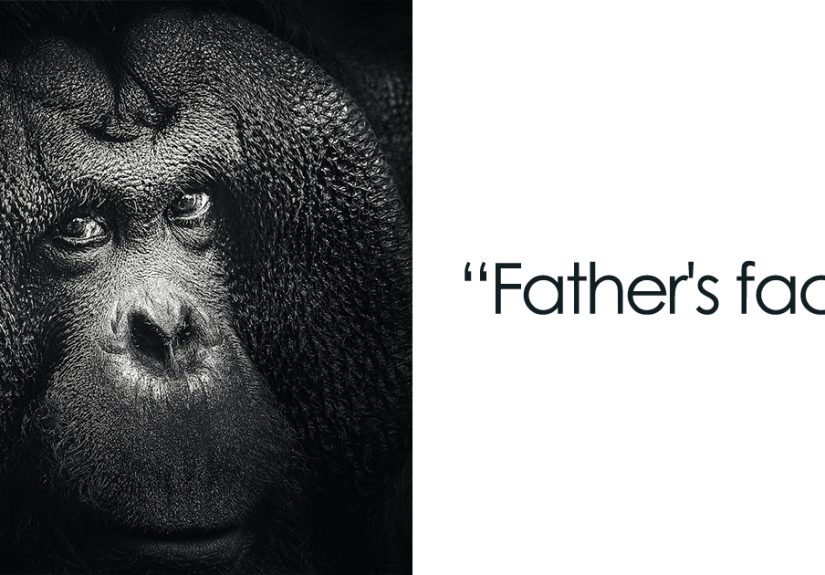
If hair could win awards, this orangutan would need a larger shelf. The portrait came together when the subject paused near a natural perch and let the light catch the copper tones in the fur. I kept the framing close enough to emphasize the face but wide enough to keep those sweeping arms and shaggy textures in the story.
What I love most about orangutan portraits is how expressive they feel. There is curiosity there. There is patience. There is also a slight vibe of, “I have seen your species make many questionable choices.” That combination makes for unforgettable images.
4. A Flamingo Shot That Was Equal Parts Glamour and Chaos
Flamingos are one of those animals that can look elegant, ridiculous, or both at the exact same time. This portrait landed in the sweet spot. The bird turned just enough for a sculptural head-and-neck composition, while the pink tones reflected softly in the water. Then one foot lifted mid-pose, which somehow made the whole image feel even more alive.
I like this frame because it balances beauty with personality. It is polished, but not stiff. Flamingos may be famous for color, but in portraits, shape is what really steals the show.
5. The Gorilla Portrait That Stopped Me Cold
Every photographer has a moment when an image becomes more than an image. This was one of mine. The gorilla sat in stillness, hands resting, gaze slightly lowered, with just enough sidelight to bring out the texture in the face. Nothing flashy happened. That was the point. The stillness was the drama.
The final portrait feels heavy in the best way. It invites a slower look. You notice the eyes, then the posture, then the emotion you almost hesitate to name. Powerful portraits do that. They do not explain. They hold space.
6. An Elephant Close-Up Full of Texture and Calm
Elephants are portrait gold because every surface tells a story. In this frame, I went tighter than usual and focused on the eye, the wrinkles, and the curve of the trunk crossing the foreground. The image was not about scale. It was about detail. Skin texture, dust, eyelashes, and the gentle arc of movement did all the storytelling for me.
This was one of those photos that reminded me not every memorable animal portrait has to be wide or dramatic. Sometimes intimacy beats spectacle.
7. The Red Panda Who Briefly Decided To Cooperate
Red pandas are adorable, photogenic, and deeply committed to making photographers work for it. They nap in branches, turn away at the last second, and somehow always know when your arm is getting tired. But on this visit, one paused on a branch, looked slightly downward, and gave me a portrait with clean lines, warm fur, and a beautifully blurred background.
The image feels soft and playful, which suits the subject. It also taught me a familiar lesson: whenever a red panda offers you three seconds of cooperation, you accept the gift and do not negotiate.
8. A Clouded Leopard Portrait With Quiet Tension
This shot worked because the cat looked relaxed while still feeling fully alert. The patterning across the coat was stunning, but I did not want the image to become only about markings. I waited until the face separated clearly from the background and the eyes carried enough intensity to anchor the frame.
The result has a low, quiet tension to it, like the animal is resting but ready. That is one of my favorite moods in animal portrait photography. It feels honest.
9. The Honey Badger Who Looked Unbothered by Literally Everything
Some animals project chaos. Honey badgers project confidence. This portrait caught the subject mid-stride, head slightly lifted, with a look that can only be described as professionally unimpressed. The contrast between the pale back and darker face gave the frame strong visual separation, and the pose added attitude.
It is one of the funniest portraits from the set, but it still works as a serious image. That is the charm of animal portraiture. Humor and beauty can exist in the same frame without arguing about it.
10. An Owl Portrait That Felt Like a Secret
This was a lower-light image, which made it more intimate. The owl stayed partly in shadow, with the eyes catching just enough light to pull the viewer in. Feathers around the face formed a natural frame, and the dark background helped the expression feel almost suspended in space.
I love bird portraits when they lean into mystery. Not everything needs to be bright and descriptive. Sometimes mood wins.
11. The Zebra Shot That Turned Pattern Into Personality
Zebras can easily become abstract in photos, and that is part of the fun. For this portrait, I used a tighter crop so the stripes built rhythm across the frame while the eye remained the emotional center. The contrast looked graphic and bold, but the eye kept the portrait human enough to feel connected.
This photo reminded me that composition matters as much as subject choice. A zebra is always a zebra, but a portrait becomes memorable when form and feeling show up at the same time.
12. A Crocodile Portrait That Felt Like Prehistoric Minimalism
This image was all about patience. The crocodile barely moved, which meant every tiny shift in angle mattered. I waited until the eye, jawline, and rough texture lined up cleanly, then took the shot. The result is stripped down and almost severe, but that simplicity makes it strong.
There is something wildly satisfying about making a portrait from an animal that looks like it has been judging humanity since before language was invented. Minimal effort from the subject. Maximum drama in the frame.
13. The Axolotl Portrait That Looked Like Fantasy, Not Reality
Axolotls never fail to look like a creature dreamed up by someone who had equal access to science and fairy tales. In this portrait, the feathery gills, soft color, and front-facing pose created an image that felt almost unreal. I slowed down, watched the movement, and waited for the face to settle into a composition that felt clean and centered.
It ended up being one of the most unusual portraits from the zoo visit. Not the loudest. Not the most dramatic. Just wonderfully strange in the exact right way.
What These 13 Zoo Portraits Taught Me
First, patience is not a side skill in zoo photography. It is the whole game. The best animal portraits almost never happen because you rushed. They happen because you watched. You noticed a pattern. You saw the animal repeat a movement, return to a perch, pause near a shaft of light, or turn toward a sound. Portrait photography at the zoo rewards attention far more than it rewards panic-clicking.
Second, respect makes better images. Not just because it is the right thing to do, but because stressed animals do not photograph well. Tapping on glass, making noise for reactions, crowding barriers, or trying to force interaction usually leads to weak photos and worse behavior from visitors. Quiet observation gives you better expressions, better timing, and a better conscience. That is a strong combo.
Third, technical perfection is overrated if the photo lacks feeling. I would rather keep an image with real expression and slightly imperfect framing than a sterile shot that says nothing. Animal portraits succeed when they reveal character. That might come through a stare, a blink, a tilt of the head, a stretch, or even a sulky pose on a branch. The mood is the point.
500 More Words From Behind the Lens
One of the reasons I keep coming back to zoo animal portrait photography is that every visit teaches me the same lesson in a different costume: slow down. I go in thinking I have a shot list and a plan, and then the animals gently ruin my schedule in the most educational way possible. The tiger is asleep when I arrive. The flamingos are facing the wrong direction. The gorilla habitat is packed with visitors. The glass has fingerprints. The light is harsh. My coffee is gone. In other words, the conditions are perfect for complaining and terrible for making art. That is usually when the best photo of the day happens.
I have learned to stop treating the zoo like a checklist and start treating it like a conversation. Not a literal conversation, obviously. If the honey badger starts giving me portfolio advice, I have larger problems. What I mean is that every enclosure has its own rhythm. Some animals repeat a path. Some settle into stillness for long stretches. Some move like tiny caffeinated blur machines with fur. The more time I spend observing before shooting, the more the patterns reveal themselves. Once I understand the rhythm, I can anticipate rather than react, and that changes everything.
I also love how zoo photography forces creativity when conditions are less than glamorous. You have glass, fencing, reflections, children in neon shirts, mystery smudges, and backgrounds that occasionally look like a committee designed them. Yet all of that becomes part of the craft. You learn to change angles, shoot wide open, wait for clean moments, and use shadows or shallow depth of field to simplify chaos. The process can be frustrating, but it is never boring. Every problem solved in the field makes the final portrait feel earned.
Some of my favorite moments are not even the finished frames. They are the seconds before them. The tiny head turn from an owl. The way a giraffe drifts into good light without any awareness that it just helped me tremendously. The split second when a red panda opens its eyes and looks directly into the lens like it knows exactly how cute it is. Those moments feel less like taking and more like receiving. The animal gives you a look, a shape, a mood, and your only job is to be ready enough not to waste the opportunity.
That is why animal portraits matter to me. They combine patience, humility, timing, and wonder in one practice. They remind me that good photography is not about controlling everything. It is about noticing what is already there. And when a portrait finally comes together, it feels like more than a technically good image. It feels like a brief connection between two very different creatures sharing one quiet, well-timed moment in the middle of a busy zoo day.
Conclusion
I love taking animal portraits because they ask for more than quick reflexes. They ask for patience, empathy, observation, and the ability to find meaning in a glance, a posture, or a patch of light. These 13 recent zoo photos reminded me that the strongest animal portrait photography is never only about sharpness or gear. It is about connection.
Whether I am photographing a tiger with cinematic intensity, a flamingo with accidental diva energy, or an axolotl that looks like it wandered in from another dimension, the goal stays the same: make an image that feels alive. That is what keeps me returning to the zoo with a camera and a suspicious amount of optimism. There is always another portrait waiting. You just have to slow down long enough to meet it.