Table of Contents >> Show >> Hide
- This Photo Series Is Bigger Than a Clickbait Caption
- Why These Portraits Work So Well
- The Cultural Story Behind the Beadwork
- Beauty Under Pressure Is Still Beauty
- Why Ethical Photography Matters Here
- What These 18 Photos Really Show
- The Fashion Angle Most Viewers Miss
- What Modern Audiences Should Take Away
- Conclusion
- Extra Reflection: The Experience Behind Images Like These
Some photo series ask to be admired. This one asks to be admired properly. There is a difference. The internet, bless its chaotic little attention span, loves a dramatic headline and a fast scroll. But portraits of Indigenous Kenyan communities deserve more than a two-second pause and a comment that says, “Wow, so exotic.” That kind of reaction is easy. Respect takes a little more effort.
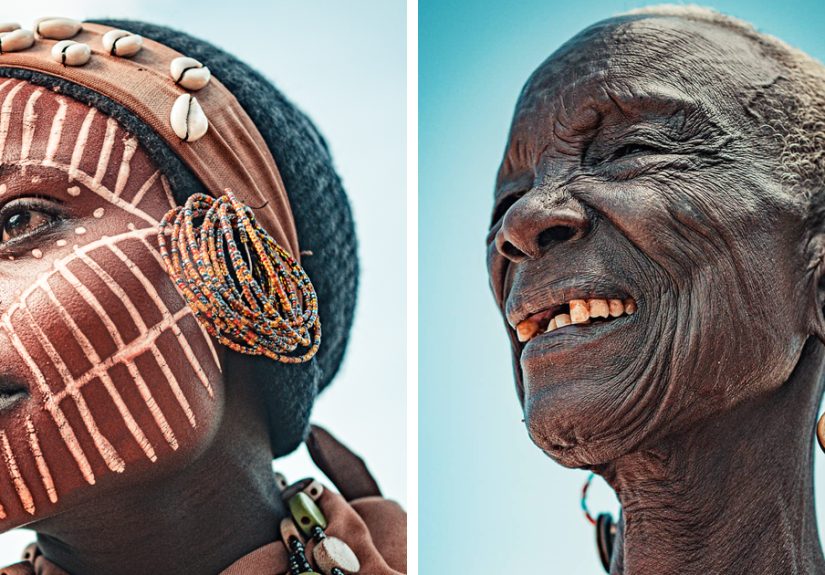
That is why this set of 18 images lands so well. The photographs associated with Omar Reda’s viral series are bold, elegant, and impossible to ignore. They do not whisper. They show up in full color, layered with beadwork, texture, posture, pride, and presence. The people in the portraits are not reduced to props in a travel fantasy. They look straight at the lens with the kind of confidence that quietly rearranges the room.
And here is the important part: the story is bigger than the headline. While the viral title talks about “a unique Kenyan tribe,” Reda’s own framing is broader, focusing on Kenyan tribes, cultural diversity, and the way fashion and adornment highlight the uniqueness of each community. That nuance matters. Kenya is not culturally flat, and these portraits feel strongest when they are read as a celebration of living identities rather than as a neat little postcard from a faraway place.
This Photo Series Is Bigger Than a Clickbait Caption
One of the smartest ways to read this project is to treat the headline like the trailer, not the movie. The images themselves suggest a richer story about heritage, dress, self-presentation, and continuity. Kenya is home to many ethnic communities, and among the best-known pastoral peoples in its northern and north-central regions are the Samburu and Turkana. The visual language seen in many portraits from projects like this one, especially elaborate beadwork, ochre, layered necklaces, and sculptural adornment, is closely associated with communities such as the Samburu.
That distinction matters because the old habit of flattening African cultures into one generic “tribal” category is lazy writing dressed up as curiosity. Real communities are specific. Their jewelry is specific. Their ceremonies are specific. Their histories are specific. Their beauty is not some vague global wallpaper. It is rooted in family, land, language, memory, and social meaning.
So the real achievement of these portraits is not that they show “something different.” Plenty of bad photography can do that. Their achievement is that they slow viewers down long enough to notice individuality inside tradition. The faces differ. The styling differs. The energy differs. Across the 18 images, beauty is not presented like a uniform. It shows up as character.
Why These Portraits Work So Well
They center presence, not pity
A lot of documentary work fails because it confuses seriousness with sadness. These portraits avoid that trap. Instead of trying to earn emotion through hardship alone, they begin with dignity. The subjects are not photographed as cautionary symbols of a disappearing world. They are photographed as people who know exactly how they want to be seen.
That matters because viewers often arrive with baggage. They expect images of Indigenous communities to either romanticize the past or dramatize struggle. This series resists both. The gaze is direct. The posture is controlled. The styling is intentional. The result is not “look how different they are.” It is “look how fully they inhabit themselves.” That is a much better sentence for any portrait to speak.
Adornment is doing real narrative work
In Kenyan pastoral communities, beadwork is not random decoration tossed on for sparkle points. It can signal social rank, age, marital status, transition, identity, and belonging. In Samburu culture especially, jewelry can function like wearable biography. Certain necklaces are associated with specific life stages. Heavy collars, layered colors, metal chains, and carefully arranged patterns are not just stylish. They communicate.
That is why these images feel so visually rich. Every strand, collar, bracelet, and hair ornament is doing double duty. It is beautiful, yes, but it is also meaningful. The photographs succeed because they recognize that fashion here is not superficial. It is social language. It tells you who someone is, where they stand, and how they move through the world.
The Cultural Story Behind the Beadwork
To understand why the portraits hit so hard, it helps to understand the communities that inspire this visual vocabulary. The Samburu, for example, are semi-nomadic pastoralists in north-central Kenya, closely related to the Maasai and historically connected to cattle-herding lifeways in arid landscapes. Livestock, mobility, and seasonal adaptation are not side details in that story. They are central.
And yet, if you only focus on survival, you miss the artistry. Beadwork traditions in Kenya have long been central to public identity. Across communities, jewelry can mark passage through important life events and reflect social standing. In Samburu material culture, even specific necklaces have meaning. Married women’s necklaces, often described in museum collections as mporro or related forms, show how adornment can hold social information without sacrificing visual drama.
That is the sweet spot these portraits understand. They do not separate beauty from anthropology, or style from community. They treat adornment as both design and declaration. In modern fashion language, you might call that “statement dressing.” In community language, it is much deeper than that. It is belonging made visible.
Beauty Under Pressure Is Still Beauty
There is another reason the series feels emotionally charged: it exists in a moment of change. Northern Kenya’s pastoral communities are not living in some untouched bubble preserved for photographers and travel brochures. They are navigating the same forces reshaping communities across the world, including modernization, urban pull, economic pressure, climate stress, education shifts, and changing gender roles.
That tension is visible even when it is not stated outright. A portrait can hold tradition and transition in the same frame. A beaded collar may carry generations of meaning, while the person wearing it is also part of a modern Kenya shaped by schools, roads, phones, conservation projects, tourism, and new forms of work. Nothing about that mix is fake. In fact, it is the most honest thing about culture: it moves.
Pastoral regions in Kenya have also been hit hard by repeated drought. Water insecurity, longer travel distances, livestock stress, and fragile grazing systems affect everyday life in arid and semi-arid lands. So when a portrait radiates pride in that context, it does not erase difficulty. It becomes even more powerful. It says that beauty is not the opposite of resilience. Sometimes it is the most visible form of resilience available.
Why Ethical Photography Matters Here
Now for the part the internet occasionally forgets while typing “stunning tribe!” with twelve fire emojis. Photographs of Indigenous communities come with baggage. Historically, images of African and Indigenous peoples were often made through colonial lenses that classified, staged, and simplified human beings into “types.” Dress and body adornment were displayed as spectacle. Context got stripped away. People became visual trophies.
That history should make every modern viewer a little less casual. Good portraiture is not just about lighting and composition. It is also about relationship, consent, accuracy, and respect. Ethical practice means people are not treated like decorative evidence for somebody else’s fantasy of authenticity. It means the photographer does not misrepresent who is being photographed, and it means the final image should leave room for the subject’s own humanity rather than locking them into stereotype.
The best contemporary work on Indigenous portraiture, in many parts of the world, emphasizes representation from the inside or at least with deeper collaboration. That does not mean an outsider cannot make meaningful work. It means the work has to earn its authority. You cannot parachute in, borrow beauty, and call it understanding. That is not documentary art. That is visual snacking.
What These 18 Photos Really Show
Look closely and the series is doing more than showing attractive people in remarkable dress. It is showing that style can be ceremonial, communal, and deeply personal at once. It is showing that color can work like memory. It is showing that jewelry can be both art object and social text. It is showing that posture can say, “I know exactly who I am,” without requiring a single caption.
It is also showing viewers something they may not expect: Indigenous beauty is not frozen in the past. It is current. It is alive. It is adapted, worn, revised, and carried forward by real people, not by history-book mannequins. The photographs do not feel dusty. They feel present tense.
That is why the word “beauty” in the headline actually works, but only if we expand what we mean by it. Beauty here is not just symmetry, color, or striking features. It is continuity. It is craftsmanship. It is social knowledge. It is survival without surrender. It is the refusal to become anonymous in a world that keeps trying to standardize everybody into the same sad beige algorithm.
The Fashion Angle Most Viewers Miss
Let’s be honest: if a major luxury brand sent models down a runway in silhouettes inspired by this level of beadwork, styling, and texture, fashion editors would lose their minds and write ten think pieces before lunch. But because the visual language comes from African Indigenous communities, many viewers still file it under “culture” and forget that culture often contains the most sophisticated design systems on earth.
These portraits remind us that fashion does not begin in Paris, Milan, or a suspiciously expensive downtown concept store with terrible lighting. Fashion has always lived in community. It lives in materials. It lives in rituals of dressing. It lives in the social meaning of shape, color, and arrangement. In that sense, the portraits are not just ethnographic-adjacent images. They are style studies. Very good ones.
And yet they do not strip the clothes and jewelry away from the people wearing them, which is what keeps the series from becoming a mood board with amnesia. The styling is inseparable from identity. That is what makes the photographs memorable rather than merely trendy.
What Modern Audiences Should Take Away
The first lesson is simple: Indigenous communities do not need to be turned into myths to be appreciated. Real life is interesting enough. The second is that beauty becomes more powerful when it is paired with context. Once you understand that beadwork can mark life stages, social roles, and belonging, the portraits gain depth immediately. They stop being “pretty pictures” and start becoming visual conversations.
The third lesson is for editors, bloggers, and everyone else who writes the internet one headline at a time. Specificity is respect. If a project is about multiple Kenyan communities, say that. If a portrait language appears linked to Samburu aesthetics, say that carefully. If you are unsure, do not bluff your way into fake authority. The world has enough confident nonsense already.
Most of all, these 18 photos remind viewers that representation matters. Who is seen, how they are seen, and what story gets attached to the image all shape public understanding. A strong portrait can challenge stereotype in a split second. A weak caption can bring the stereotype right back. The good news is that this series is strong enough to push beyond the lazy reading.
Conclusion
I Photographed A Unique Kenyan Tribe To Show Their Indigenous Beauty (18 Pics) sounds like the kind of title built for quick clicks, but the actual visual story deserves a slower, smarter read. These portraits are compelling not just because the subjects are beautiful, though they absolutely are. They are compelling because they reveal how beauty, identity, beadwork, tradition, and modern life can exist in the same frame without canceling one another out.
Read the images well, and they become more than a gallery. They become a reminder that Indigenous Kenyan style is not a costume, not a relic, and not a tourism cliché. It is a living expression of community and selfhood. That is what gives the portraits their gravity. The color pulls you in. The dignity keeps you there.
Extra Reflection: The Experience Behind Images Like These
Projects like this are never only about pressing a shutter. That is the biggest thing audiences miss when they see a polished portrait and assume the whole story is lighting, composition, and luck. Images like these are built from time. They are built from arrival, greeting, waiting, observing, asking, listening, adjusting, laughing, and sometimes standing around long enough for the scene to stop performing and start breathing.
Imagine the experience behind portraits of this kind in northern Kenya. The light comes early and fast, sharp enough to make every bead flash like a tiny signal. Before the camera gets interesting, the people do. A photographer has to notice how someone carries themselves, how jewelry sits on the shoulders, how cloth moves when the wind changes, how color shifts against earth-toned landscapes, how silence works differently in places where the land feels wider than the conversation.
Then there is the social choreography. A portrait session is never just between one photographer and one subject. It often includes family, friends, elders, curious children, and the invisible but very real presence of community permission. Sometimes a person steps into frame with total confidence, already knowing the exact pose that honors the clothing and the occasion. Sometimes the strongest moment comes after the formal pose, when a laugh breaks out, a hand adjusts a necklace, or someone glances sideways as if to say, “All right, did you get it now?”
That human exchange is what separates a respectful image from a decorative one. The best portraits feel like collaboration, not extraction. They make room for the subject’s choices. How do I want to stand? What do I want to wear? What part of myself do I want this image to carry? Those questions may not be spoken out loud every time, but they are present in the atmosphere of good work.
There is also the emotional experience of realizing that adornment is not an accessory in the Western sense. It can carry memory, kinship, and biography. A necklace may not simply “match” an outfit; it may signal life stage or social role. Beadwork may have been made by hand, learned through generations, or chosen with a kind of precision outsiders do not immediately understand. When a photographer begins to grasp that, the entire frame changes. The image stops chasing novelty and starts honoring meaning.
And then comes the strange little miracle of portraiture: the second when a person looks into the lens and the photograph stops being about culture in the abstract and becomes about one unmistakable human presence. Not “the tribe.” Not “the community.” Not “tradition” as a museum word. A person. A face. A decision to be seen in a particular way. That is often the moment viewers feel most strongly, even if they cannot explain why.
Afterward, what lingers is not only visual beauty. It is the memory of atmosphere. Dust underfoot. Morning brightness. Beads catching light. Cloth moving in the breeze. Conversation in languages the viewer may not know but can still feel the rhythm of. The patient time it takes to earn a photograph that looks effortless. That is the experience behind images like these. And maybe that is why the portraits stay with people: they do not just show beauty. They show the care required to witness it well.