Table of Contents >> Show >> Hide
- Why Frost Can Make Fall Vegetables Taste Better
- The Best Fall Veggies to Harvest After a Frost
- Fall Veggies You Should Not Leave Out Hoping for Better Flavor
- How to Harvest After a Frost Without Wrecking the Texture
- How to Judge the Right Frost Moment
- Common Mistakes Gardeners Make
- Final Thoughts
- Real-World Garden Experiences: What Harvesting After a Frost Actually Feels Like
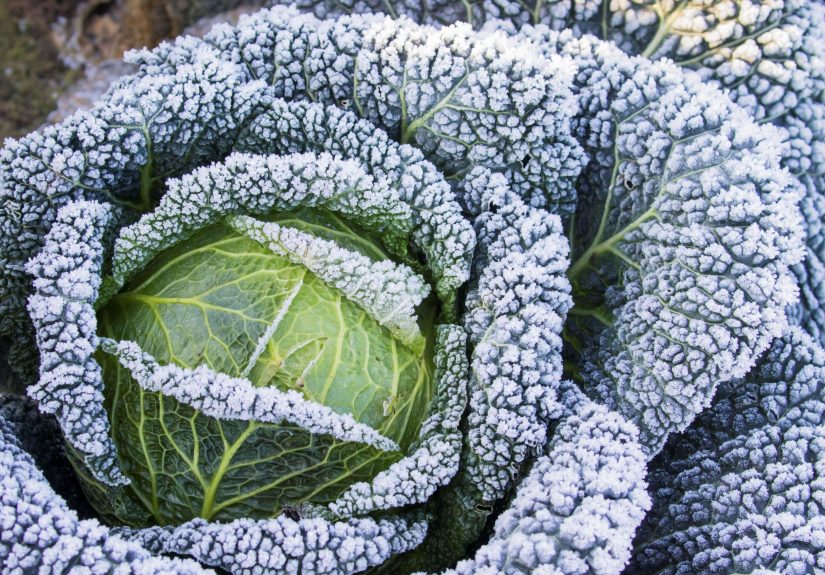
There are two kinds of gardeners in fall: the ones who panic at the first frost warning, and the ones who step outside, see a little silver sparkle on the kale, and whisper, “Excellent.” The second group is onto something. A light frost can actually improve the flavor of several fall vegetables, especially cool-season roots and leafy brassicas. In plain English, a cold snap can make certain crops taste sweeter, milder, and more interesting on the plate.
But let’s clear up one myth before it puts on a tiny knit beanie and spreads across the internet: not every fall vegetable becomes magically better after frost. Some crops absolutely benefit from it. Others merely tolerate it. And a few would like to file a formal complaint and be harvested before things get icy.
If your goal is the best flavor rather than a random gamble with the weather, timing matters. The sweet spot often comes after a light frost or a few chilly nights, not after the garden has turned into a produce crime scene. Here is how to tell which fall veggies should stay in the ground a little longer, which ones are best picked promptly, and how to harvest them for the best possible taste.
Why Frost Can Make Fall Vegetables Taste Better
When cold weather arrives, many hardy vegetables shift into survival mode. To protect their cells from freezing damage, they begin concentrating sugars or converting stored starches into sugars. That natural response acts like a built-in antifreeze. Lucky for us, it also makes the vegetable taste sweeter and less harsh.
This is especially noticeable in roots like parsnips and turnips, and in leafy crops like kale and collards. Bitterness softens. Sharp, peppery notes calm down. Flavors that were a little bossy in September suddenly become balanced and almost buttery in late fall.
That said, frost is not a free pass to ignore maturity. A carrot still has to be properly sized. A Brussels sprout still has to be firm. A cabbage still has to be tight. Frost improves flavor, but it does not fix a vegetable that was harvested too young, left too long, or damaged by a deep freeze.
The Best Fall Veggies to Harvest After a Frost
Carrots
Carrots are one of the classic post-frost stars. Cool weather helps them develop a sweeter flavor, and many gardeners swear winter carrots taste like a completely different vegetable from their summer cousins. The difference is real: they become less earthy, more candy-like, and much more appealing raw.
For best flavor, let mature carrots sit through a light frost or a few very cold nights. If the ground is still workable, you can leave them in place and harvest as needed. A thick layer of mulch also helps protect the roots and keeps the soil from freezing solid. Just do not wait so long that the ground turns into concrete or rodents decide your carrot patch is an all-inclusive resort.
Parsnips
If carrots are the popular kid of the sweet-after-frost world, parsnips are the overachiever. Parsnips famously improve after exposure to cold, often becoming sweeter and more aromatic after several frosts. Before cold weather, they can taste starchy and a bit flat. After frost, they develop a richer, nuttier sweetness that makes them excellent for roasting, pureeing, and soup.
This is one of the few vegetables where patience is not just rewarded but practically required. If you have grown parsnips, do not rush them out of the ground too early. Let fall work its frosty magic first.
Turnips and Rutabagas
Turnips and rutabagas often get a bad reputation from people who have only met them at their worst. Harvested too early or grown in warm weather, they can taste sharp, sulfurous, or just plain grumpy. After a frost, though, they mellow out. The bite softens, the sweetness rises, and the texture becomes more pleasant.
Rutabagas in particular benefit from several cold nights. Turnips also improve, especially salad turnips and fall-grown storage types. If you have been waiting for a reason to give them another chance, frost is that reason.
Beets
Beets are another root crop that often tastes better after cold weather. Their earthy flavor becomes more balanced and their natural sweetness comes forward. They may not transform as dramatically as parsnips, but a light frost can definitely nudge them in the right direction.
For the best harvest, wait until roots are a good usable size. Small beets can be tender and sweet, but beets that are left too long may become woody. Frost helps flavor, not texture repair.
Brussels Sprouts
Brussels sprouts have built an entire public-relations comeback on cool weather. Frost can make them taste sweeter and less aggressive, which is great news for anyone still emotionally recovering from badly boiled sprouts served in childhood.
Sprouts mature from the bottom of the stalk upward. Harvest the firm, bright green ones after a light frost for the best flavor. In many gardens, they can stay on the plant into very cold weather, provided temperatures do not plunge too hard for too long. Cool conditions are exactly what help Brussels sprouts become their best selves.
Kale
Kale after frost is one of fall’s great small pleasures. The leaves lose some bitterness, the sweetness comes forward, and the texture can be more appealing for sautés, soups, chips, and even raw salads if the leaves are still tender. Frost does not turn kale into cake, but it does make it noticeably friendlier.
This is why so many gardeners deliberately plant kale for fall instead of treating it like a summer crop. In cool weather, it tastes better, looks happier, and stops acting like it is personally offended by July.
Collards and Mustard Greens
Collards become sweeter after frost in much the same way kale does. Their deep, hearty flavor becomes rounder and less assertive, making them excellent for braises, soups, and simple skillet dishes with garlic. Mustard greens also mellow after a light frost, though they usually keep some of their signature peppery punch.
If you like greens with personality but do not want them yelling at your taste buds, wait for a chilly night or two before harvest.
Spinach and Swiss Chard
Spinach often grows sweeter in cold weather, and fall spinach can taste shockingly mild compared with the same crop grown in warmer temperatures. Chard can also handle frost and may taste better as the weather cools, though the improvement is often more about tenderness and reduced bitterness than a dramatic jump in sweetness.
Both are excellent choices for gardeners who want to stretch the season without needing a complicated setup.
Cabbage and Broccoli
Cabbage and broccoli belong in the post-frost conversation, but with a little nuance. They tolerate cold well, and cool weather generally improves quality. Broccoli can continue growing after light frost, and fall cabbage is often firmer and better flavored than a heat-stressed summer crop.
Still, these are not usually the poster children for “wait for frost to unlock hidden candy notes.” Think of them as vegetables that hold beautifully in cool weather and often taste best when grown into fall, rather than crops you should leave indefinitely in the path of repeated hard freezes.
Fall Veggies You Should Not Leave Out Hoping for Better Flavor
Now for the tough love portion of the article. Some vegetables do not improve after frost. They just get damaged, sad, or storage-unfriendly.
Winter Squash and Pumpkins
These should be harvested before a damaging frost. They are warm-season crops, and cold can injure their skins and shorten storage life. If you wait too long, your beautiful squash may look fine at first and then rot in storage like a betrayed Halloween decoration.
Beans, Peppers, Tomatoes, and Basil
These are not “harvest after frost for better flavor” crops. They are “harvest before frost if you want to keep any dignity” crops. Frost damages foliage and fruit quickly, and quality declines fast.
Sweet Potatoes
Sweet potatoes are a special case. Many gardeners harvest just after the first frost because the vines die back, signaling that it is time to dig. But that does not mean frost improved the tubers. In fact, the roots themselves should never freeze. This is a timing cue, not a flavor upgrade.
How to Harvest After a Frost Without Wrecking the Texture
Timing your harvest after frost is only half the job. The other half is harvesting smart.
First, do not harvest leafy greens while they are still frozen. Frozen leaves can thaw into a limp mess in your basket. Let them thaw naturally on the plant once the morning warms a little. Mid-morning is often the sweet spot.
Second, mulch root crops if you plan to leave them in the ground for winter harvests. Straw or shredded leaves help prevent the soil from freezing solid and make it far easier to dig carrots, beets, turnips, and parsnips later.
Third, know the difference between a light frost and a hard freeze. A light frost may improve flavor. A long, brutal freeze can damage even hardy crops, especially if they are unprotected. Frost is a seasoning. Deep freeze is an attitude problem.
How to Judge the Right Frost Moment
If you want a practical rule, use this one: wait for one to three light frosts for greens and Brussels sprouts, and a few cold nights or light freezes for roots like parsnips, rutabagas, turnips, and carrots. Then start tasting. The best harvest date is often not a single day on the calendar. It is the point when flavor peaks and texture is still excellent.
This is where home gardeners have an advantage over commercial growers. You do not have to pull everything at once. You can taste a carrot in late October, then another in November, then another in December, and decide for yourself when the flavor is best. Honestly, it is one of the more delicious forms of field research.
Common Mistakes Gardeners Make
The first mistake is assuming all frost is good frost. It is not. A light, brief cold snap is very different from a long hard freeze. The second mistake is waiting for sweetness in vegetables that simply are not built for it. Your peppers are not becoming better people after frost. They are becoming compost.
The third mistake is confusing cold tolerance with flavor improvement. Broccoli may survive a frost. That does not mean it should be left outside forever. Cabbage may tolerate low temperatures. That does not mean split heads are suddenly a feature.
And the fourth mistake is forgetting storage. A vegetable that tastes fantastic is still disappointing if you bruise it during harvest or bring it inside wet and muddy, then wonder why it declines. Handle roots gently, keep leafy greens cool, and cure storage crops properly when needed.
Final Thoughts
So, which fall veggies should you harvest after a frost for best flavor? The short list includes carrots, parsnips, turnips, rutabagas, beets, Brussels sprouts, kale, collards, mustard greens, spinach, and in many gardens, chard. These crops either become sweeter, milder, or simply more enjoyable after cold weather settles in.
The real secret is not just waiting for frost. It is understanding which vegetables welcome it, which merely tolerate it, and which absolutely do not. Once you start harvesting with that mindset, fall becomes less of a scramble and more of a strategy. Your meals get better. Your storage gets smarter. And your Brussels sprouts finally stop behaving like they were invented as a punishment.
Real-World Garden Experiences: What Harvesting After a Frost Actually Feels Like
In real gardens, the best lessons about frost and flavor usually happen at 7:30 in the morning while you are standing outside in a sweatshirt, questioning your life choices and holding a basket with cold fingers. The first thing most gardeners notice is not flavor. It is silence. The garden feels different after a frost. Summer’s wild, jungly energy is gone. The air is still. The leaves glitter. And the vegetables that looked ordinary a week earlier suddenly seem serious, as if they have been waiting for this exact weather to show off.
Carrots are often the first big surprise. You pull one from cold soil, brush it off on your jeans like a person in a seed catalog, bite into it, and realize it tastes sweeter than the ones you harvested in early fall. Not “slightly improved,” but genuinely better. The same thing often happens with kale. People who found it too bitter in warm weather suddenly decide they like it roasted, sautéed, chopped into soup, or massaged into salad like they have joined a very leafy wellness cult.
Brussels sprouts create another memorable moment. On the stalk, they look stubborn and vaguely medieval. After a frost, though, they begin to taste more balanced and less sharp. A gardener who once tolerated them may suddenly start planning dinner around them. That is one of the sneaky joys of fall harvesting: the vegetables do not just survive the season; they often become more useful and more delicious because of it.
There is also a practical satisfaction to post-frost harvesting. Root crops stored in the ground under mulch feel like a secret pantry. You are not just growing vegetables anymore; you are opening outdoor drawers full of carrots, turnips, and parsnips whenever you need them. It feels efficient, a little old-fashioned, and oddly luxurious. There is something deeply satisfying about digging dinner out of cold earth while the grocery store produce aisle is offering tired lettuce and expensive herbs.
Of course, the experience also teaches humility. Wait too long, and the ground freezes harder than expected. Harvest greens while they are still stiff with ice, and they can collapse into a damp heap. Ignore a weather swing, and your “I will grab those tomorrow” plan becomes a “Well, that was optimistic” moment. Fall gardening rewards attention. It is less about brute force and more about timing, observation, and the willingness to admit the weather always has the last word.
But that is exactly why these harvests are so satisfying. They feel earned. You learn which bed warms first in the morning, which patch holds frost the longest, and which carrots are worth leaving for one more week. Over time, the garden becomes less like a schedule and more like a conversation. And once you taste a parsnip after several frosts or a bowl of greens picked on a bright cold morning, it becomes very hard to go back to thinking of frost as the end of the season. In many gardens, it is the moment flavor gets really interesting.