Table of Contents >> Show >> Hide
- Quick Context: How Two Weeks Of Dolomites Hiking Actually Works
- The 13 Most Rewarding Moments
- 1) Starting Before The World Woke Up (And Feeling Smug About It)
- 2) Lago Di Braies: The Moment The Water Looked Fake
- 3) The First Rifugio Lunch: “Wait… Hiking Comes With Pasta?”
- 4) Seceda: Standing On A Ridgeline That Looks Like A Movie Set
- 5) Alpe Di Siusi: Walking Through A Meadow That Should Charge Admission
- 6) The Adolf Munkel Trail: The Day The Odle Group Stole The Show
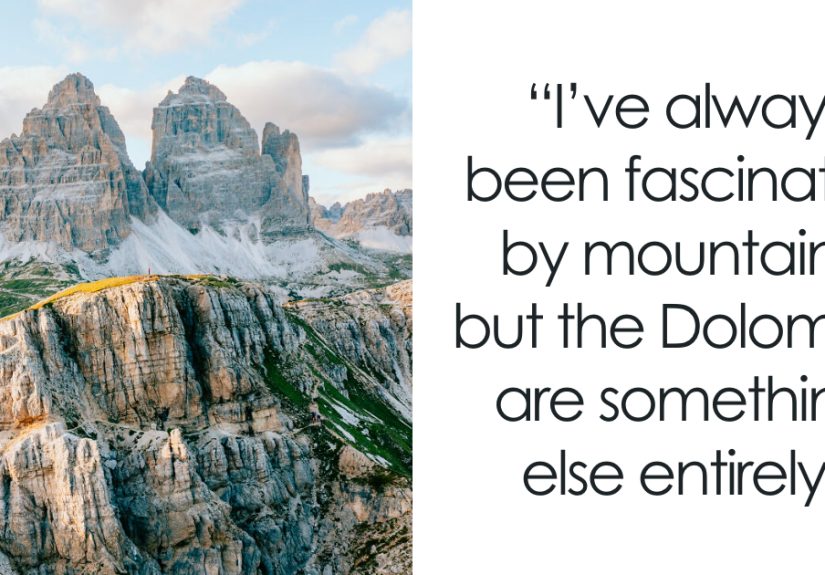
- 7) Tre Cime Di Lavaredo: When The Icon Actually Lives Up To The Hype
- 8) Cadini Di Misurina Viewpoint: The Five Minutes That Felt Like A Lifetime
- 9) Lago Di Sorapis: The Turquoise That Made Everyone Act Spiritual
- 10) Cinque Torri: Hiking Through World War I History
- 11) Lagazuoi: The Day I Walked Into The Mountain (Literally)
- 12) The Evening At A Rifugio: Strangers, Stories, And The Best Sleep Ever
- 13) The Storm Break: When The Clouds Opened And The World Looked Brand New
- What I Learned (So Your Trip Is Better Than My First Few Days)
- Conclusion
- Bonus: 500 More Words Of Two-Week Dolomites Hiking Experience (Because The Mountains Don’t Do “Short”)
Two weeks. That’s how long I wandered through Italy’s Dolomiteslong enough to stop calling every jagged peak “that one,” long enough to develop a committed relationship with apple strudel, and long enough to realize my calves had started a union.
The Dolomites aren’t just pretty. They’re unfairly prettylike someone Photoshopped the Alps, then got carried away with limestone spires, neon lakes, and meadows that look suspiciously like a Windows desktop background from 2007.
Below are the 13 most rewarding moments from my Dolomites hiking itineraryeach one either made me laugh, made me quiet, or made me stare at my life choices (usually while eating pasta at 7,000+ feet). If you’re planning hiking in the Dolomiteswhether you’re doing day hikes from towns like Ortisei or Cortina, or a hut-to-hut adventure on an Alta Viasteal these moments shamelessly.
Quick Context: How Two Weeks Of Dolomites Hiking Actually Works
If you’re new to the region, here’s the cheat code: the Dolomites are made for hikers. You can build a two-week plan around two bases (for example: Val Gardena for Seceda/Alpe di Siusi vibes and Cortina d’Ampezzo for Tre Cime/Lagazuoi/Cinque Torri), then sprinkle in a few nights at rifugi (mountain huts) to get that “I live in the mountains now” glow.
Most days look like this:
- Morning: cable car or early trailhead start, because crowds and weather both wake up later than you and they are not polite about it.
- Midday: a viewpoint that ruins your ability to enjoy normal scenery back home.
- Afternoon: espresso at a hut, plus an internal debate about whether cake is a “trail essential” (it is).
- Evening: a shower that feels like a spiritual rebirth, followed by dinner that tastes better solely because you earned it with sweat.
Now, the moments.
The 13 Most Rewarding Moments
1) Starting Before The World Woke Up (And Feeling Smug About It)
On Day 1, I discovered the Dolomites’ greatest secret: the first hour of daylight belongs to the prepared (or the traumatized). Trails that later feel like a theme park queue are suddenly quiet. You hear cowbells, wind, your own footsteps… and your brain, for once, stops doom-scrolling imaginary problems.
Why it’s rewarding: your photos get better, your stress gets smaller, and you get to enjoy the mountains before the crowds arrive with their Bluetooth speakers and their opinions.
2) Lago Di Braies: The Moment The Water Looked Fake
Yes, Lago di Braies (Pragser Wildsee) is famous. And yes, it can get busy. But when you catch it earlyespecially with soft light on the surrounding peaksthe lake turns that impossible shade of blue-green that makes you suspect someone poured Gatorade into nature.
Pro move: walk away from the main boathouse area and do the loop. The crowds thin, the reflections improve, and you get a quieter version of the same jaw-drop.
3) The First Rifugio Lunch: “Wait… Hiking Comes With Pasta?”
In many places, a hike ends with a granola bar you found in your pocket and a quiet sense of regret. In the Dolomites, hiking can come with polenta, dumplings, soup, pasta, and dessert served at altitude like it’s completely normal.
My first rifugio lunch was a revelation: warm food, cold drink, huge views, zero effort beyond putting one foot in front of the other for a few hours. I immediately became a better person (temporarily).
4) Seceda: Standing On A Ridgeline That Looks Like A Movie Set
Seceda is one of those places where you arrive and instantly understand why people won’t shut up about it. The ridgeline is dramatic in a “did the earth do this on purpose?” way: green slopes folding into jagged peaks that look sharp enough to cut the sky.
Why it’s rewarding: it’s not just a viewpoint. It’s a place that makes you linger, wander, and accidentally spend 45 minutes trying to capture “the feeling” in a photo (you won’t, but it’s cute you tried).
5) Alpe Di Siusi: Walking Through A Meadow That Should Charge Admission
Alpe di Siusi (Seiser Alm) feels like the Dolomites took a deep breath and decided to be gentle for a moment. Wide open meadows. Farm huts. Mountains framing the scene like they’re posing.
It’s rewarding because it’s a different kind of beauty: less “towering drama,” more “I could actually live here and become one with the cows.”
Bonus joy: easy-to-moderate trails make it a great recovery day when your legs are filing formal complaints.
6) The Adolf Munkel Trail: The Day The Odle Group Stole The Show
Some trails feel like they were designed by a committee. The Adolf Munkel Trail feels like it was designed by an artist with excellent taste and mild chaos. You weave through forest, open clearings, and suddenly the Odle/Geisler peaks are right therejagged, theatrical, and totally uninterested in your schedule.
Why it’s rewarding: it delivers huge views without requiring you to crawl up a vertical wall (unless you choose chaos, whichrespect).
7) Tre Cime Di Lavaredo: When The Icon Actually Lives Up To The Hype
The Tre Cime di Lavaredo loop is the Dolomites’ headliner, and it earns the applause. Those three towers are so recognizable that your brain goes, “Oh! That’s the place!” like you’re meeting a celebrity who somehow looks better in real life.
Make it more rewarding: go early, commit to the full loop, and turn around often. The trail keeps changing the angle like it’s giving you a scenic slideshow.
8) Cadini Di Misurina Viewpoint: The Five Minutes That Felt Like A Lifetime
The Cadini viewpoint is short, sharp, and wildly dramaticspiky peaks stacked like a fantasy novel cover. It’s the kind of spot where people get quiet without being told, because the view does the talking.
Why it’s rewarding: it’s a high return on effort. Minimal time, maximum “how is this real?”
9) Lago Di Sorapis: The Turquoise That Made Everyone Act Spiritual
Lago di Sorapis has that milky turquoise color that makes people whisper as if they walked into a cathedral. The hike can include narrow or exposed sections, which means you should bring attention, not just enthusiasm.
Why it’s rewarding: the lake is the classic “payoff”not just pretty, but memorable. And the surrounding cliffs make it feel like the water is being guarded by mountains with very strict rules.
10) Cinque Torri: Hiking Through World War I History
Cinque Torri is beautiful on its ownrock towers rising from green slopes like a natural sculpture garden. But what hit me most was the history: the area is tied to World War I, with open-air museum elements and remnants that make you realize these mountains have held more than hikers and postcards.
Why it’s rewarding: the landscape becomes layeredbeauty on top, history underneath. You leave with more than photos.
11) Lagazuoi: The Day I Walked Into The Mountain (Literally)
In the Lagazuoi area, the Dolomites get extra cinematic: ridges, sweeping views, anddepending on the routewartime tunnels and dramatic passages that make you feel like you’re hiking through a documentary.
Why it’s rewarding: it’s adventure with context. Bring a headlamp if your route includes darker sections, and bring a sense of humility because the exposure will remind you who’s in charge here (spoiler: not you).
12) The Evening At A Rifugio: Strangers, Stories, And The Best Sleep Ever
One night, I watched the sky turn pink over the peaks from a hut terrace while someone nearby tried to pronounce “gnocchi” with confidence and failed gloriously. Then dinner happened: hearty food, shared tables, that warm, tired feeling that makes conversation easy.
Why it’s rewarding: rifugio life is a shortcut to community. People swap trail intel, weather warnings, and snack recommendations like it’s a survival skill (it kind of is).
13) The Storm Break: When The Clouds Opened And The World Looked Brand New
At some point in two weeks, you’ll get caught in weather. It’s practically a Dolomites rite of passage. For me, it was an afternoon shift from sun to cloud to a quick downpour… and then, like the mountains were apologizing, the sky cleared and the rock glowed brighter than before.
Why it’s rewarding: you see the Dolomites change personalities in real time. Sunshine is pretty. Post-storm light is unbelievable.
What I Learned (So Your Trip Is Better Than My First Few Days)
Plan For Flexibility, Not Perfection
Weather changes fast. Trails vary in difficulty more than the map makes it look. And “quick detour” is often Italian for “surprise leg workout.” Build buffer days, keep a short list of backup hikes, and treat plans like suggestionsnot law.
Start Early, Eat Often, And Respect The Mountains
The Dolomites reward the early birds. They also reward people who carry layers, check conditions, and turn around when something feels off. The goal isn’t to “conquer” the mountains. The goal is to go home with good stories and functional knees.
Base Towns Matter More Than You Think
If you’re doing day hikes, picking a base like Ortisei (Val Gardena) or Cortina d’Ampezzo can simplify everything: access, transit, trail variety, even how early you can get on the mountain. The right base reduces friction, and less friction means more hikes and fewer logistical headaches.
Conclusion
Two weeks hiking in the Dolomites gave me 13 moments I’ll replay forever: iconic peaks that actually live up to their fame, rifugio meals that feel like cheating, quiet mornings that made me forget my phone exists, and stormy afternoons that reminded me nature doesn’t care about my itinerary.
If you’re planning your own Dolomites hiking trip, chase the big names (they’re big for a reason) but leave room for the in-between: the coffee on a terrace, the unexpected viewpoint, the friendly stranger who tells you the trail ahead is “a little steep” with the calm confidence of someone who fears nothing.
And if you come home slightly obsessed, don’t worry. That’s normal. The Dolomites do that.
Bonus: 500 More Words Of Two-Week Dolomites Hiking Experience (Because The Mountains Don’t Do “Short”)
By the end of two weeks, I stopped thinking of the Dolomites as a checklist and started thinking of them as a rhythm. Wake up. Look out the window. Decide whether today is a “big peaks” day or a “my legs are angry” day. Pack layers because the forecast is a suggestion, not a promise. Step outside and immediately smell pine and cold stone and that crisp mountain air that makes city oxygen feel like it’s been cutting corners.
I also learned that the Dolomites have a very specific sense of humor. The trail begins politelygentle grade, friendly switchbacksthen suddenly you’re climbing a rocky staircase that looks like it was built by a caffeinated goat. You’ll pass hikers who are somehow fresh-faced at 9 a.m., and you’ll hate them on principle. Then you’ll become them by Day 10, because altitude does weird things to the ego and the lungs.
Some of my favorite experiences weren’t the “big” moments at all. They were the small, repeatable ones: filling my water bottle from a cold fountain in a village; hearing cowbells in the distance like the world’s calmest soundtrack; sitting on a random boulder for five minutes because the view was too good to rush. I didn’t expect the Dolomites to slow me down, but they didmostly by making me stop every 200 yards to stare.
And then there was rifugio life. If you’ve never stayed in a mountain hut, picture summer camp for adults, except everyone’s obsessed with weather apps and blister prevention. You take off your boots like they’re cursed objects. You discover the sacred joy of “hut shoes.” You hang damp clothes like you’re offering them to the drying-room gods. Dinner is communal, which means you might talk trail strategy with a couple from Seattle, a solo hiker from Boston, and a German guy who casually mentions he ran up the pass “as a warm-up.” (I nodded like that was normal, then immediately ate more bread.)
One night, I watched the sunset turn the limestone a soft pink and realized why people call it the “Enrosadira” effect. Another morning, I woke up before my alarm because the dorm was already stirringzippers, headlamps, quiet whispersand I felt that shared excitement that only happens when everyone is headed toward something beautiful. It’s hard to explain, but the Dolomites make you feel both small and lucky at the same time.
Finally, I learned the best way to measure a Dolomites trip isn’t by miles or summits. It’s by how often you said “wow” out loud without meaning to. For me, it happened constantlyon famous trails, on unnamed side paths, and sometimes just standing still while the wind moved through the grass. Two weeks wasn’t enough to see everything, but it was enough to understand the point: the reward isn’t only the destination. It’s the repeated, ridiculous privilege of walking through a landscape that feels like a miracle you can hike into.