Table of Contents >> Show >> Hide
- What Is a Korean Corn Dog?
- Why This Korean Corn Dog Recipe Works
- Ingredients
- Best Ingredient Notes
- Equipment You Will Need
- How to Make Korean Corn Dogs
- Tips for the Crispiest Korean Corn Dog
- Easy Variations
- What to Serve with Korean Corn Dogs
- Storage and Reheating
- Common Mistakes to Avoid
- Frequently Asked Questions
- of Real Kitchen Experience with Korean Corn Dogs
- Final Thoughts
Korean corn dogs are what happens when a classic fair snack gets a glow-up, a crunchy jacket, and a little main-character energy. They are crispy, cheesy, slightly sweet, wildly fun to eat, and somehow manage to taste like a corn dog, a mozzarella stick, and your favorite late-night comfort food all at once. If regular corn dogs are the dependable jeans of the snack world, Korean corn dogs are the sequined jacket.
This Korean corn dog recipe is designed for home cooks who want the full street-food experience without turning the kitchen into a dramatic documentary about deep-frying gone wrong. You will learn how to make the batter, how to assemble the skewers, how to get that signature crunchy coating, and how to avoid the heartbreak of cheese escaping into the oil like it has somewhere better to be.
What Is a Korean Corn Dog?
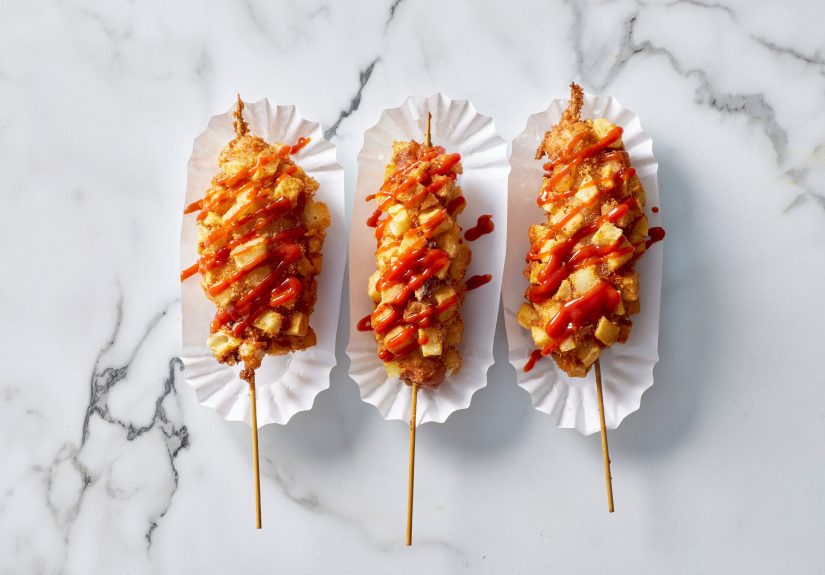
A Korean corn dog is a deep-fried skewered snack made with hot dogs, mozzarella cheese, or a combination of both. Unlike a traditional American corn dog, the outside is usually coated with a yeasty or thick flour-based batter and then rolled in crunchy toppings such as panko breadcrumbs, diced potatoes, or even crushed ramen. It is often finished with a light dusting of sugar and drizzled with ketchup and mustard.
That sweet-and-savory finish is part of the charm. The first bite gives you crispness, the second brings the fluffy interior, and then the filling shows up to remind you that joy can, in fact, come on a stick.
Why This Korean Corn Dog Recipe Works
This version keeps the flavor authentic while making the method manageable at home. The batter is thick enough to cling to the skewers, the panko creates a crisp shell, and the diced potato option gives you that iconic gamja-style look. Using half hot dog and half mozzarella also gives you the best of both worlds: savory snap from the sausage and a glorious cheese pull that feels almost legally required.
The result is crunchy on the outside, soft just under the crust, and melty in the middle. In other words, it is the kind of snack that makes people wander into the kitchen asking, “Are those for everyone?”
Ingredients
For the skewers
- 4 hot dogs, cut in half
- 8 mozzarella cheese sticks, halved or cut to match the hot dog size
- 8 wooden skewers
For the batter
- 1 cup all-purpose flour
- 2 tablespoons cornstarch
- 2 tablespoons sugar
- 1 teaspoon baking powder
- 1/2 teaspoon salt
- 1 large egg
- 3/4 cup whole milk, plus a little more if needed
For coating and frying
- 1 1/2 cups panko breadcrumbs
- 1 medium russet potato, peeled and cut into very small cubes (optional)
- 1/4 cup all-purpose flour for dusting
- Neutral frying oil, such as canola or vegetable oil
For finishing
- 2 tablespoons granulated sugar
- Ketchup
- Yellow mustard
- Optional spicy mayo or gochujang mayo
Best Ingredient Notes
Hot dogs: All-beef hot dogs work especially well because they have a stronger savory flavor and a good snap. Pork or mixed-meat franks also work.
Mozzarella: Low-moisture mozzarella is the best choice. Fresh mozzarella has too much water and can turn the inside from “melty dream” into “why is this leaking?” territory.
Panko: Panko breadcrumbs give the outside its airy crunch. Regular breadcrumbs are fine in an emergency, but panko is what makes the texture really sing.
Potatoes: If you want a potato Korean corn dog, keep the cubes tiny so they cook quickly and stick well. Think confetti, not home fries.
Equipment You Will Need
- A deep pot or Dutch oven
- A thermometer for the oil
- A tall glass or narrow container for the batter
- Tongs or chopsticks
- A wire rack or paper towels for draining
The tall glass trick is especially helpful because it lets you dip the skewer down into the batter instead of awkwardly spooning it over while questioning your life choices.
How to Make Korean Corn Dogs
1. Assemble the skewers
Thread the hot dog pieces, mozzarella pieces, or a combination of both onto wooden skewers. A popular setup is half hot dog and half cheese on each skewer. Leave enough room at the bottom to hold the stick comfortably.
Place the skewers on a tray and freeze or chill them for 15 to 20 minutes. This helps the cheese stay in place during frying and makes the whole process much easier.
2. Prepare the potato coating
If using potatoes, peel and dice the potato into very small cubes. Pat them dry with paper towels. Moisture is the enemy of crisp frying, and potatoes love sneaking moisture into the party.
3. Make the batter
In a medium bowl, whisk together the flour, cornstarch, sugar, baking powder, and salt. Add the egg and milk, then whisk until smooth. The batter should be thick, almost like a soft paste. It should cling to a spoon and slowly fall back into the bowl. If it is too thick to work with at all, add a tablespoon of milk at a time.
Transfer the batter to a tall glass or deep container. This makes dipping much easier and helps create a more even coating.
4. Set up your coating station
Put the extra flour on one plate. Place the diced potatoes, if using, in a shallow bowl. Put the panko in another shallow bowl. Line everything up assembly-line style so you can move quickly once the battering begins.
5. Heat the oil
Fill a deep pot with about 2 to 3 inches of oil and heat it to 350°F. Try to keep the temperature between 340°F and 360°F while frying. Too cool, and the coating gets greasy. Too hot, and the outside browns before the inside is ready.
6. Coat the skewers
Lightly dust each chilled skewer with flour. This small step helps the batter grab on instead of sliding off like it is avoiding responsibility.
Dip the floured skewer into the batter and rotate to coat fully. Let the excess drip off slightly. If you are using potatoes, roll the battered skewer in the potato cubes and gently press them on. Then roll the skewer in panko until fully coated.
If you are skipping potatoes, just go straight from batter to panko.
7. Fry until golden
Carefully lower 2 to 3 corn dogs into the hot oil, depending on the size of your pot. Fry for 3 to 5 minutes, turning occasionally, until deeply golden brown and crisp.
Transfer to a wire rack or paper towel-lined tray. Let them rest for a minute so the exterior stays crisp and the inside settles instead of erupting lava-like onto your chin.
8. Finish and serve
Dust lightly with sugar while still warm. Drizzle with ketchup and mustard in zigzags or serve the sauces on the side. Enjoy immediately while the cheese is stretchy and the coating still crackles.
Tips for the Crispiest Korean Corn Dog
- Dry the fillings well: Moisture weakens the batter and can cause splattering.
- Chill before frying: Cold cheese and hot oil are a much better team than warm cheese and regret.
- Use a thick batter: Thin batter slides right off and leaves you with a very sad skewer.
- Do not overcrowd the pot: Fry in batches so the oil temperature stays steady.
- Serve right away: Korean corn dogs are at their best fresh from the fryer.
Easy Variations
Potato Korean Corn Dog
Add the diced potato layer before the panko. This creates a chunkier, heartier exterior that looks dramatic and tastes amazing.
All Cheese Corn Dog
Skip the hot dogs and use only mozzarella. This version is extra gooey and extra likely to disappear first at a party.
Ramen Crust Corn Dog
Swap some or all of the panko for crushed instant ramen noodles. The texture becomes even more shattery and snack-like.
Spicy Korean Corn Dog
Add a little cayenne or gochugaru to the batter, or finish the corn dogs with spicy mayo for more heat.
What to Serve with Korean Corn Dogs
Korean corn dogs are usually the star, but they pair beautifully with quick pickles, kimchi, fries, tteokbokki, or a simple cabbage slaw. If you want a full street-food-style spread, serve them with bubble tea, Korean fried chicken, or crisp lemonade.
For dipping sauces, ketchup and mustard are the classics, but spicy mayo, honey mustard, cheese sauce, and gochujang mayo are all excellent. Basically, if it can be drizzled, squeezed, or dunked, it is welcome here.
Storage and Reheating
These are best eaten fresh, but leftovers can be refrigerated in an airtight container for up to 3 days. Reheat them in an oven or air fryer until hot and crisp. Avoid the microwave unless you are comfortable trading crunch for convenience.
You can also freeze cooked Korean corn dogs. Freeze them in a single layer first, then transfer to a freezer-safe bag. Reheat from frozen in the oven or air fryer.
Common Mistakes to Avoid
- Using wet cheese: It can burst out while frying.
- Skipping the flour dusting: Batter sticks better when the skewer is lightly floured first.
- Letting the oil get too cool: That leads to greasy coating.
- Cutting potato cubes too large: Big chunks may not cook through in time.
- Forgetting the sugar: The sweet finish is part of what makes this recipe taste like a real Korean corn dog.
Frequently Asked Questions
Does a Korean corn dog contain cornmeal?
Not always. Despite the name, many Korean corn dog recipes rely more on flour-based batter than classic American cornmeal batter. The name is more about the style than a strict ingredient rule.
Can I make Korean corn dogs without cheese?
Absolutely. Use only hot dogs if you prefer a more savory version with less melt.
Can I air-fry them?
You can reheat them in an air fryer very well, but the freshest and crispiest results still come from deep-frying. Air-frying from raw is possible, though the texture is usually less authentic.
Why do people add sugar on top?
Because the sweet-and-savory contrast is one of the snack’s signature features. It sounds unusual until you try it, and then it starts making suspicious amounts of sense.
of Real Kitchen Experience with Korean Corn Dogs
The first time you make a Korean corn dog recipe at home, the experience is equal parts cooking project and edible entertainment. You start out feeling organized and confident. You line up the hot dogs, trim the mozzarella, and tell yourself this is just a simple fried snack. Then the batter enters the chat. Suddenly, you are evaluating viscosity like a food scientist and asking whether the potato cubes are “tiny enough” or “slightly too ambitious.” It is a journey.
What makes the process memorable is how hands-on it is. This is not one of those recipes where you toss everything into a bowl, slide a tray into the oven, and wander off. Korean corn dogs ask for your attention in a fun way. You assemble, dip, roll, press, fry, and then stand by the stove waiting for that perfect deep-golden color. It feels closer to making carnival food or street food than standard weeknight dinner, and that is exactly the appeal.
There is also a very specific moment of triumph when the first successful batch comes out of the oil. The coating looks rugged and crunchy, the skewers suddenly look like something from a snack shop window, and the kitchen smells amazing. Then you dust one with sugar, add ketchup and mustard, and cut it open. If the cheese stretches, the room usually goes quiet for half a second. That is the universal sign that everyone is impressed.
Another part of the experience is learning how small details matter. The first time around, many home cooks discover that dry ingredients, cold cheese, and oil temperature are not boring technicalities. They are the whole game. A skewer that is not chilled enough may lose cheese. A batter that is too thin may slip. Oil that is too cool may leave the coating heavy instead of crisp. But once you understand those details, the recipe becomes much less intimidating and much more repeatable.
Korean corn dogs are also a great social recipe. They are the kind of snack that gets people involved. One person can skewer, another can coat, and someone else can handle sauces and toppings. Kids love choosing between all-cheese and half-hot-dog versions. Adults suddenly become very opinionated about whether sugar belongs on top. Parties become more lively when there is a tray of hot, crunchy corn dogs on the table and everyone is comparing their favorite combination.
What really sticks with people, though, is the contrast. The crisp shell, the fluffy batter underneath, the savory hot dog, the stretchy cheese, the tiny hit of sugar, the tang from mustard, the sweetness of ketchupit is a snack that keeps changing as you eat it. That is why it feels more exciting than a standard corn dog. It is playful, over-the-top in the best way, and somehow still comforting.
So yes, making Korean corn dogs at home can be a little messy. There may be breadcrumbs on the counter and at least one potato cube in a suspicious location. But the payoff is absolutely worth it. When a recipe is this crispy, cheesy, and joyfully dramatic, a little cleanup feels like a fair trade.
Final Thoughts
If you have been craving a fun homemade street-food recipe, this Korean corn dog recipe deserves a spot near the top of your list. It is crispy, cheesy, customizable, and surprisingly doable once you know the tricks. Make a batch for game day, movie night, a weekend cooking project, or simply because your regular snack routine needs more excitement.
And when someone asks why you dusted a corn dog with sugar, just smile and hand them one. The corn dog will do the explaining.