Table of Contents >> Show >> Hide
- What Is a Kuba Pillow Cover?
- Why the Geometric Pattern Matters
- Kuba Pillow Cover – Geometric as a Decor Statement
- How to Style a Kuba Pillow Cover Without Overthinking It
- Authentic vs. Kuba-Inspired Pillow Covers
- Materials, Texture, and Comfort
- Care Tips for a Geometric Kuba Pillow Cover
- Buying Tips: What Makes a Good Kuba Pillow Cover?
- Why Designers Keep Coming Back to Kuba Geometry
- Specific Styling Examples
- Experience Section: Living With a Kuba Pillow Cover – Geometric
- Conclusion
A Kuba Pillow Cover – Geometric is the kind of home accent that walks into a room quietly and somehow gets all the compliments. It is not shiny. It is not trying to be trendy. It does not need a neon sign saying, “Look at me, I have taste.” Instead, it relies on texture, rhythm, heritage, and those bold geometric patterns that make a sofa look like it finally read an interior design book.
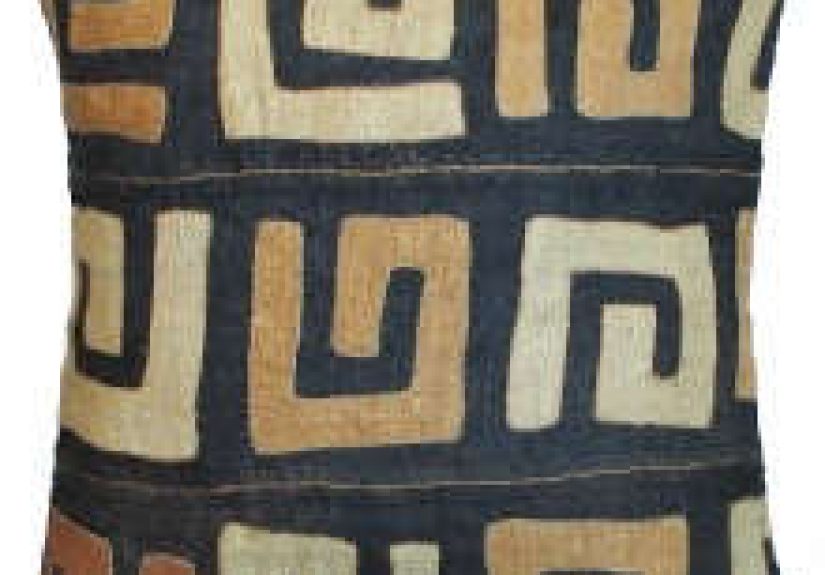
Inspired by Kuba cloth traditions from Central Africa, especially the Democratic Republic of the Congo, this pillow cover style blends handwoven character with graphic design power. Think interlocking shapes, earthy tones, natural fibers, irregular symmetry, and a tactile surface that makes flat printed pillows feel a little underdressed. Whether placed on a leather chair, layered on a linen sofa, or used as the single dramatic accent on a bed, a geometric Kuba pillow cover adds depth without making the room feel like a museum display.
The original archived product known as “Kuba Pillow Cover – Geometric” was associated with Haba Na Haba and listed as multi-colored, but the broader appeal of this design category goes far beyond one item. Today, shoppers encounter authentic vintage Kuba cloth pillows, Kuba-inspired pillow covers, raffia cushion covers, and geometric African textile pillows across curated design shops, vintage marketplaces, artisan sellers, and high-end decor platforms. The magic is the same: one small square or rectangle of fabric can change the entire mood of a room.
What Is a Kuba Pillow Cover?
A Kuba pillow cover is typically made from, or inspired by, Kuba cloth: a textile tradition known for raffia palm fiber, handwork, geometric motifs, and a surface that often feels more sculptural than ordinary fabric. Traditional Kuba textiles are not just decorative; they are connected to status, ceremony, identity, artistry, and cultural memory. In home decor, these textiles are often repurposed or reinterpreted as throw pillow covers, lumbar cushions, wall hangings, upholstery accents, or framed textile art.
Authentic Kuba cloth is usually woven from raffia palm fiber. Historically, the process involved specialized work: men wove the base cloth, while women embellished, dyed, embroidered, appliqued, or finished the textile. The result is a fabric with visible human presence. Small irregularities are not flaws; they are the whole point. If a mass-produced pillow looks like it was made by a robot after three cups of office coffee, a Kuba pillow cover looks like it has a story, a hand, and possibly better travel experience than you.
In modern interiors, the phrase Kuba pillow cover may refer to several things. Some covers are made from genuine vintage or contemporary Kuba raffia cloth. Others are printed with Kuba-inspired geometric patterns on cotton, linen, polyester, or velvet. Authentic pieces usually have more texture, natural color variation, and visible handwork. Inspired pieces are often softer, easier to clean, and more affordable. Both can be beautiful, but they are not the same product, so buyers should read descriptions carefully.
Why the Geometric Pattern Matters
The word “geometric” is doing serious work here. Kuba patterns often feature diamonds, triangles, grids, broken lines, zigzags, interlocking forms, patchwork-like blocks, and repeating shapes that seem organized and spontaneous at the same time. That tension is what makes the design exciting. It is structured, but not stiff. It is bold, but not loud. It is the textile equivalent of someone who dresses casually but somehow looks cooler than everyone else at brunch.
Unlike basic geometric prints that repeat perfectly from corner to corner, Kuba designs frequently lean into asymmetry. One section may shift direction. A motif may expand, shrink, interrupt, or overlap. This gives the cover movement. Your eye keeps traveling across the surface, discovering new details. That is why a geometric Kuba pillow cover works so well as a focal point. It gives the room pattern without the predictability of a generic chevron or stripe.
Common Visual Features
A typical geometric Kuba pillow cover may include cream, tan, black, brown, rust, ochre, muted red, or earthy gold. Some versions are multi-colored, especially if they combine several cloth fragments. The palette is usually grounded enough for neutral interiors but expressive enough to wake up a sleepy sofa. The texture may include raised embroidery, cut-pile raffia, applique, or woven variation. On authentic covers, the front may be Kuba cloth while the back is linen, cotton, leather, or another durable backing fabric.
Kuba Pillow Cover – Geometric as a Decor Statement
The main reason designers love geometric Kuba pillow covers is simple: they add instant character. A room full of smooth surfaces can feel cold, even if every item is technically “nice.” Add a handwoven raffia pillow, and suddenly the space has contrast. The roughness plays against polished wood. The pattern softens modern lines. The natural fibers bring warmth to white walls, black metal, glass coffee tables, and minimalist furniture.
This is why the Kuba pillow cover works in so many styles. In a bohemian room, it feels right at home beside rattan, plants, vintage rugs, and relaxed linen. In a modern room, it becomes the one earthy element that prevents everything from looking like a luxury airport lounge. In a farmhouse space, it adds global texture without fighting the natural wood and warm neutrals. In eclectic interiors, it joins the party and somehow gets along with everyone.
Best Rooms for a Geometric Kuba Pillow Cover
The living room is the easiest place to start. Place one large Kuba pillow cover on a sofa, then pair it with plain linen or cotton pillows in cream, charcoal, camel, or clay. On an accent chair, a single Kuba lumbar pillow can make the chair feel intentionally styled rather than randomly abandoned in the corner. In a bedroom, a rectangular geometric Kuba pillow cover looks excellent in front of larger euro shams or standard sleeping pillows.
Entry benches, reading nooks, and window seats are also perfect candidates. These smaller areas benefit from one strong decorative gesture. A Kuba pillow cover adds pattern without requiring new paint, wallpaper, or a difficult conversation with your budget.
How to Style a Kuba Pillow Cover Without Overthinking It
Styling a geometric Kuba pillow cover is easier than it looks. The trick is to let it be the star, then surround it with quieter textures. If the pillow has a busy pattern, pair it with solids. If it has a mostly neutral palette, you can add one companion pillow in rust, olive, black, ivory, or warm brown. If it is especially colorful, keep the surrounding pillows calm so the arrangement does not turn into a textile traffic jam.
On a Sofa
For a standard sofa, try one Kuba pillow cover with two solid pillows. A 20-by-20-inch cover works well on most sofas, while a larger 22-by-22-inch or 24-by-24-inch cover creates a plush designer look. If your sofa is deep, size up. Small pillows on a big sofa can look like decorative postage stamps.
On a Bed
For a bed, a long lumbar Kuba pillow cover is a strong choice. It reduces pillow clutter while still adding pattern. Place it in front of plain white, beige, gray, or earth-tone bedding. The geometric design gives the bed a collected, layered look without requiring twelve pillows that must be removed every night like a small domestic obstacle course.
With Other Patterns
Yes, you can mix a Kuba pillow cover with other patterns. The safest formula is to vary the scale. Pair a bold geometric Kuba pattern with a small stripe, subtle check, or quiet woven texture. Keep at least one color in common so the mix feels intentional. For example, a black-and-cream Kuba pillow can pair beautifully with a thin black stripe, a nubby ivory boucle, or a tan linen cushion.
Authentic vs. Kuba-Inspired Pillow Covers
Before buying, understand the difference between authentic Kuba cloth and Kuba-inspired design. An authentic Kuba pillow cover usually uses handwoven raffia textile, often vintage or artisan-made. These pieces may have irregular edges, uneven pattern placement, fading, repairs, or natural fiber stiffness. That is part of their beauty. They are often more expensive because they require skilled labor and are less common.
A Kuba-inspired pillow cover borrows the visual language of Kuba geometry but may be printed or woven on modern fabric. These versions can be softer, washable, and budget-friendly. They are practical for households with pets, kids, snack-loving adults, or anyone who believes a sofa is meant for actual sitting. The trade-off is that they may lack the depth, cultural specificity, and tactile richness of genuine raffia cloth.
How to Read a Product Description
Look for terms such as “handwoven raffia,” “authentic Kuba cloth,” “vintage Kuba textile,” “applique,” “cut pile,” “linen backing,” “zipper closure,” and “insert not included.” Many pillow covers are sold without inserts, which is normal. Also check the dimensions carefully. A 20-inch cover usually needs a 22-inch insert for a full look. A 24-inch cover may need a 26-inch insert. Down or down-alternative inserts usually create better corners than thin polyester inserts, unless you enjoy pillows shaped like tired pancakes.
Materials, Texture, and Comfort
Raffia is the defining material in many authentic Kuba textiles. It gives the surface a dry, structured, organic feel. This texture is gorgeous visually, but it may not feel as soft as velvet, cotton, or washed linen. That is why Kuba pillow covers are best used as decorative pillows rather than nap pillows. They are made for visual impact, not necessarily for face-planting after a long day.
Some covers use a softer backing fabric, such as linen or cotton, making them more comfortable and easier to handle. Higher-end covers may include hidden zippers, reinforced seams, and carefully matched textile panels. Vintage pieces may show age, fading, or small imperfections. Again, these are not automatically problems. With handmade and vintage textiles, perfection can actually look suspicious.
Care Tips for a Geometric Kuba Pillow Cover
Care depends on the material. Authentic raffia Kuba pillow covers should be handled gently. Dry cleaning is often recommended for vintage or raffia-based covers, especially when dyes, embroidery, applique, or delicate fibers are involved. Avoid soaking the textile, scrubbing the surface, or tossing it into a washing machine on a heroic “it will probably be fine” mission. It probably will not be fine.
For everyday maintenance, use light vacuuming with a clean upholstery attachment, gentle shaking outdoors, or careful spot attention with a dry cloth. Keep the cover away from constant direct sunlight to reduce fading. If you have pets, choose placement wisely. A Kuba pillow cover on a chair no one uses may remain artful for years. A Kuba pillow cover under a golden retriever may become modern archaeology by Tuesday.
Buying Tips: What Makes a Good Kuba Pillow Cover?
A good geometric Kuba pillow cover should have visual balance, strong construction, and honest product information. The front textile should be securely attached to the backing. Seams should feel stable. The zipper should open smoothly. If the cover is vintage, the seller should mention wear, repairs, fading, or textile irregularities. Clear photos are essential, especially close-ups of the texture and corners.
Pay attention to color accuracy. Natural fibers and vintage dyes can look different under warm indoor lighting, cool daylight, and product photography. Cream may appear beige. Black may read dark brown. Rust may look orange in one photo and muted clay in another. If you are matching an exact palette, order carefully. If you are styling with earth tones, small variations usually add charm.
Price Expectations
Prices vary widely. Printed Kuba-inspired pillow covers may be relatively affordable. Authentic or vintage raffia pillow covers can cost significantly more, especially when they feature detailed handwork, large dimensions, or rare patterning. Designer and antique platforms may price them higher because of curation, age, condition, and provenance. The best value is not always the cheapest option; it is the cover that fits your room, your care habits, and your expectations.
Why Designers Keep Coming Back to Kuba Geometry
Kuba geometry has staying power because it feels both ancient and modern. The patterns can sit comfortably beside mid-century furniture, contemporary art, rustic wood, sculptural lighting, or minimalist upholstery. That is not easy. Many decorative trends age quickly, but strong geometric textile design tends to remain relevant because it is based on proportion, rhythm, contrast, and handwork.
A geometric Kuba pillow cover also avoids the trap of looking overly theme-based. It does not require an entire room of matching “global decor.” In fact, it often looks better when used sparingly. One authentic piece has more impact than five copycat pillows fighting for attention. The goal is not to decorate like a showroom. The goal is to create a space that feels layered, personal, and awake.
Specific Styling Examples
Modern Neutral Living Room
Picture a cream sofa, black metal coffee table, oak sideboard, and a jute rug. Add one black-and-tan geometric Kuba pillow cover and two plain ivory linen pillows. The Kuba pattern ties the black table to the warm wood and natural rug. Suddenly, the room feels intentional instead of beige with responsibilities.
Leather Chair Corner
A caramel leather chair can look handsome but plain. Add a multi-colored geometric Kuba pillow cover with brown, cream, and rust tones. Place a small ceramic table nearby and a floor lamp with a linen shade. The result feels collected, warm, and perfect for reading, even if the book is mostly there for atmosphere.
Minimal Bedroom
Use white bedding, a natural wood headboard, and one long Kuba lumbar pillow cover. The geometric pattern becomes the main decorative feature, so you do not need loud artwork or complicated bedding layers. This is ideal for people who want a designed room but do not want to spend fifteen minutes arranging pillows every morning.
Experience Section: Living With a Kuba Pillow Cover – Geometric
The first thing you notice when living with a geometric Kuba pillow cover is that it changes how the room photographs. Even a simple sofa suddenly has dimension. In person, the effect is warmer and more tactile than a printed cushion. The raised threads, raffia texture, and irregular patterning catch light in small ways throughout the day. Morning light may highlight the tan fibers. Evening lamplight may deepen the browns and blacks. It is a small object, but it behaves like a design anchor.
In daily use, the best experience comes from treating it as a decorative layer rather than an everyday lounging pillow. Place it where it can be seen, touched occasionally, and appreciated, but not crushed constantly. On a main sofa, it works best at the end or layered in front of larger pillows. On a reading chair, it adds enough back support for short sits, but if the raffia front is textured, you may prefer to turn the softer backing toward your body when relaxing. This is not a criticism; it is just the truth of natural texture. Raffia brings beauty, not marshmallow softness.
One enjoyable part of styling a Kuba pillow cover is how easily it solves color problems. If your room has black accents, wood tones, white walls, and maybe a rust-colored vase, a Kuba cover can connect those pieces. The pattern acts like a translator between materials. Wood, leather, stone, linen, and woven baskets all seem to understand each other better when a Kuba textile is nearby. It is especially useful in rooms that feel almost finished but slightly flat.
Guests tend to notice it. Not always immediately, but eventually someone asks, “Where did you get that pillow?” That question is part of the appeal. Unlike a generic cushion from a big-box aisle, a geometric Kuba pillow cover looks specific. It suggests curation. It gives you a chance to talk about handmade textiles, African design traditions, vintage decor, or your ongoing mission to make the living room look less like a rental staging photo.
The only real caution is care. If you eat on the sofa often, have pets that claim every soft surface as a personal kingdom, or live with someone who thinks decorative pillows are gym equipment, placement matters. Use the Kuba cover in a lower-risk spot or choose a Kuba-inspired washable version instead. Authentic textiles deserve a little respect. They do not need to be hidden away, but they should not be treated like a machine-washable throw from the clearance bin.
Over time, a geometric Kuba pillow cover becomes one of those pieces that stays while other decor changes. You may swap rugs, repaint walls, replace lamps, or go through a brief and regrettable obsession with chrome, but the Kuba cover will still work. That is the sign of a strong design object. It does not depend on a trend. It has pattern, history, texture, and confidence. In a world full of disposable decor, that feels refreshingly grown-up.
Conclusion
A Kuba Pillow Cover – Geometric is more than a decorative cushion cover. It is a compact piece of pattern, texture, and cultural design influence that can make a room feel layered in seconds. Whether you choose an authentic raffia Kuba cloth pillow cover or a softer Kuba-inspired version, the look brings warmth, movement, and graphic strength to modern interiors.
The best way to use it is with restraint. Let the geometric pattern breathe. Pair it with natural materials, quiet solids, and a good insert. Respect the care needs, especially with vintage raffia textiles. Most importantly, choose a piece that feels alive. The beauty of Kuba-inspired decor is not machine-perfect symmetry; it is rhythm, variation, and the unmistakable charm of a textile that knows how to hold a room together.