Table of Contents >> Show >> Hide
- Quick refresher: What GA is (and why habits still matter)
- The lifestyle levers that actually move the needle
- 1) Quit smoking (and dodge secondhand smoke like it’s a villain)
- 2) Eat like your retina has a fan club (Mediterranean-style is a solid template)
- 3) Ask your eye doctor about AREDS2 supplements (not a DIY moment)
- 4) Move your body: what’s good for your heart is good for your eyes
- 5) Manage blood pressure, cholesterol, and diabetesbecause the eyes are not separate from the body
- 6) Protect your eyes from UV and glare (your future self loves sunglasses)
- 7) Build “retina-friendly” habits around screens and lighting
- Make your remaining vision work harder (in a good way)
- Mental and social health: the underrated “vision aid”
- Your appointment game plan: show up like a pro
- A realistic “GA-friendly” day: a sample routine
- 500+ Words of Real-World Experiences With GA Lifestyle Changes
- Conclusion: lifestyle changes that keep you living, not just coping
Geographic atrophy (GA) sounds like a fancy travel destination, but it’s actually an advanced form of dry age-related macular degeneration (AMD) that can
slowly (sometimes not-so-slowly) chip away at central vision. GA affects the maculathe “high-definition” center of your retinaso it can make reading,
recognizing faces, and driving feel like your eyes are trying to stream life on bad Wi-Fi.
Here’s the good news: lifestyle changes can’t “undo” GA, but they can still matter a lot. Think of them as protective gear and performance upgrades for
the vision you have todayplus a way to support your overall health, which is tightly connected to eye health. And even when lifestyle changes don’t
directly shrink GA, they can help you function better, stay safer, and feel more in control.
Quick refresher: What GA is (and why habits still matter)
GA happens when retinal cells and supporting tissues gradually break down, creating areas of atrophy (damage) that can expand over time. Many people first
notice missing spots in the center of vision, trouble reading small print, or needing much brighter light to see comfortably. Peripheral (side) vision is
often better preserved, which is why many people can still get aroundeven if fine-detail tasks become frustrating.
Lifestyle doesn’t replace medical care. But it can reduce additional stress on the retina, support healthy circulation, and improve resilience. In other
words: you’re not “curing” GA with kale, but you are giving your eyes and brain the best possible working conditions. And your future self will absolutely
high-five you for that.
The lifestyle levers that actually move the needle
1) Quit smoking (and dodge secondhand smoke like it’s a villain)
If GA had a “Please don’t do this” list, smoking would be printed in bold, underlined, and possibly yelled through a megaphone. Smoking is a major
modifiable risk factor for AMD progression, and it adds oxidative stress that the retina really doesn’t enjoy. If you smoke or vape nicotine, quitting is
one of the most meaningful changes you can make.
Not sure where to start? Use the “tiny steps, big wins” approach:
- Pick a quit date and tell one person who will cheer you on.
- Replace your “trigger moments” (after meals, driving, stress) with a new routine: gum, a short walk, or a 2-minute breathing reset.
- Ask a clinician about nicotine replacement or other proven supports if cravings are intense.
- Keep your environment smoke-freesecondhand smoke still counts as unwanted eye drama.
2) Eat like your retina has a fan club (Mediterranean-style is a solid template)
There’s no single “GA diet,” but patterns linked with better cardiovascular and eye outcomes tend to overlap: lots of colorful plants, healthy fats, and
fishbasically a Mediterranean-style approach. The goal is to support circulation, reduce inflammation, and provide nutrients the retina uses to function.
Practical “retina-friendly” nutrition moves:
- Go big on leafy greens (spinach, kale, collards): they’re rich in lutein and zeaxanthin, pigments that support the macula.
- Add colorful produce daily (orange peppers, berries, carrots, tomatoes): variety helps cover more antioxidants and micronutrients.
- Choose healthy fats (olive oil, nuts, seeds, avocado) instead of lots of saturated fats.
- Eat fish regularly (salmon, sardines, trout) if you can; it’s a nutrient-dense swap for many processed proteins.
- Keep blood sugar steadier by pairing carbs with protein/fiber (example: apple + peanut butter, rice + beans + veggies).
- Hydrate like a responsible humandehydration won’t cause GA, but it can make fatigue and eye discomfort feel worse.
Example you can actually use: If lunch is usually “whatever is fastest,” try a default bowl: leafy greens + beans or chicken + chopped veggies +
olive-oil dressing, with a side of fruit. It’s not glamorous, but neither is squinting at your phone at 2 a.m. because dinner was nachos again.
3) Ask your eye doctor about AREDS2 supplements (not a DIY moment)
The AREDS2 formula (a specific blend of vitamins/minerals) is widely used to reduce the risk of progression from intermediate to advanced AMD in the
populations studied. It does not prevent AMD from starting, and it’s not automatically right for everyone with GA. But many people with GA
have AMD as the underlying condition, so it’s worth a personalized discussion.
Important safety notes:
- Don’t “freestyle” supplements. High-dose nutrients can interact with medical conditions and medications.
-
If you’re a current or former smoker, formulas with beta-carotene are generally avoided; AREDS2 replaced beta-carotene with lutein/zeaxanthin for that
reason. - Bring your supplement bottles (or photos of labels) to appointments so your clinician can review what you’re taking.
4) Move your body: what’s good for your heart is good for your eyes
The retina is a high-energy tissue that depends on healthy circulation. Regular physical activity supports cardiovascular health, blood pressure, and
metabolic functionall of which matter for long-term eye health. You don’t need to become a triathlete (unless you want to). Consistency beats intensity.
Simple, realistic options:
- Walking 20–30 minutes most days (split into two 10–15 minute sessions if needed).
- Strength training 2–3 times a week (bodyweight, resistance bands, light dumbbells).
- Balance work (especially if vision changes increase fall risk): heel-to-toe walking near a wall, chair-supported leg raises.
- Indoor routines if glare or uneven sidewalks are stressful: marching in place, stationary bike, guided videos with large screens.
Specific example: If you’re nervous about walking outside at dusk due to contrast issues, switch your main walk to morning or mid-day, or use a
well-lit indoor mall. Yes, it’s a “mall walk.” No, you don’t need to buy anything. Your retina will not judge you for walking past pretzels.
5) Manage blood pressure, cholesterol, and diabetesbecause the eyes are not separate from the body
Many GA and AMD risk factors overlap with cardiovascular risk factors. High blood pressure, high cholesterol, and diabetes can affect blood vessels and
tissue health throughout the bodyincluding the delicate structures in the back of the eye. If you already have these conditions, good management is a
vision-supporting strategy, not just a “general health” strategy.
What “good management” can look like:
- Take medications as prescribed and discuss side effects rather than quitting on your own.
- Keep follow-up appointments (yes, even the boring ones).
- Use home tracking when advised: blood pressure cuffs, glucose monitors, lab check-ins.
- Prioritize sleeppoor sleep can make blood pressure and glucose harder to manage.
6) Protect your eyes from UV and glare (your future self loves sunglasses)
Sunlight and glare can worsen comfort and function even if they don’t “cause” GA progression in a simple, direct way. Many people with GA report that
glare makes everything harder: reading signs, stepping off curbs, or seeing faces in bright environments.
Everyday protection that helps:
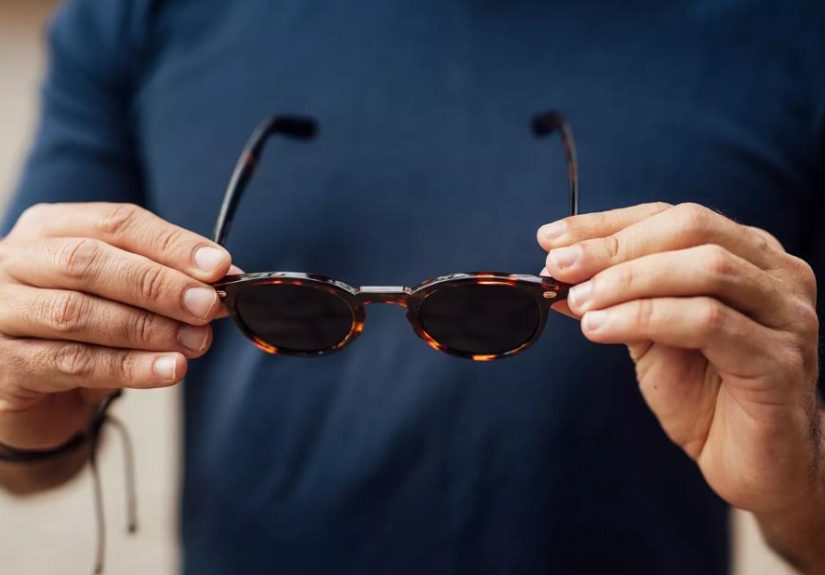
- Wear UV-blocking sunglasses outdoors (wraparound styles can reduce side glare).
- Add a hat with a brim for extra shadesimple and surprisingly effective.
- Use glare control indoors: adjustable blinds, matte finishes, task lighting.
- Try tinted lenses or filters if recommended by an eye care professional, especially for comfort in bright spaces.
7) Build “retina-friendly” habits around screens and lighting
Screens don’t cause GA, but the way we use them can make vision fatigue worse. The trick is to improve contrast and reduce strain so you can do what you
need to dowithout turning your eyeballs into exhausted office workers.
- Increase font size and turn on bold text.
- Use dark mode or light mode based on comfort (people varychoose what reduces glare and improves clarity).
- Turn on screen readers (text-to-speech) for long articles, emails, and documents.
- Use task lighting: a bright, focused lamp aimed at what you’re reading, not directly into your eyes.
- Give your eyes breaks: short pauses help reduce fatigue, especially when focusing hard.
Make your remaining vision work harder (in a good way)
Low vision rehabilitation: don’t wait until you’re “struggling enough”
Low vision rehab is not a last resortit’s a skill-building upgrade. Specialists can teach strategies like eccentric viewing (using healthier parts of the
retina), recommend magnifiers and lighting, and help you set up your home for safer movement. The earlier you learn these tools, the easier it is to adapt
as vision changes.
What low vision rehab may include:
- Training on magnifiers, high-power reading glasses, and electronic devices
- Home safety and organization strategies (contrast markings, reducing trip hazards)
- Technology setup (phone accessibility, voice assistants, reading apps)
- Support for work/school accommodations and daily tasks
Home and daily-life upgrades that feel like “cheat codes”
The best lifestyle change is the one you’ll actually use. These are high-impact, low-drama adjustments:
- Increase contrast: dark cutting board for onions, light board for herbs; dark tape on light stairs.
- Label smartly: large-print labels or tactile markers on spices, meds, and appliance dials.
- Declutter pathways: fewer obstacles = fewer falls, especially when contrast is tricky.
- Use talking tech: talking thermometers, voice assistants, audiobooks, and “read-aloud” features.
- Set “always locations”: keys, wallet, and glasses live in one spot. Your brain deserves fewer scavenger hunts.
Specific example: If cooking feels stressful because you can’t see the flame or stove markings clearly, add high-contrast knob markers and use a
timer you can hear across the room. Safety is a lifestyle change, too.
Driving, walking, and safety: plan ahead, not in panic mode
GA can affect reading road signs, seeing pedestrians in low contrast, and handling glare at sunrise/sunset. If driving is part of your life, bring it up
early with your eye care team. This isn’t about taking independence awayit’s about protecting it.
- Shift driving to daylight hours if glare and night contrast are difficult.
- Use navigation with voice directions to reduce dependence on road sign reading.
- Consider a driving evaluation if recommended.
- For walking: choose familiar, well-lit routes and use a bright flashlight in low-light conditions.
Mental and social health: the underrated “vision aid”
Vision changes can trigger grief, frustration, and anxiety. That’s not weakness; it’s a normal response to your world becoming harder to read. Addressing
mental health is part of managing GA, because stress can make symptoms feel louder, motivation lower, and adaptation harder.
- Talk about it: a counselor, support group, or trusted friend can help you process changes.
- Keep doing enjoyable activities with adjustments (audiobooks, larger print, better lighting, hobbies with tactile elements).
- Ask for accommodations at work or schoolbigger fonts and better lighting are not “special treatment.” They’re access.
- Celebrate small wins: every helpful change is proof you can adapt.
Your appointment game plan: show up like a pro
The best outcomes usually come from teamwork: you + your retina specialist/ophthalmologist + (often) a low vision rehab team. Make appointments more
useful by bringing specific observations and questions.
What to track between visits
- New or worsening “missing spots” in central vision
- Changes in reading speed, glare sensitivity, or contrast problems
- How lighting affects your function (worse in dim restaurants? better near a window?)
- Any sudden changes (those deserve urgent medical attention)
Questions worth asking
- What stage is my AMD/GA, and how fast has it changed over time?
- Is AREDS2 appropriate for me?
- Should I consider treatment options aimed at slowing GA progression?
- Can you refer me to low vision rehabilitation now (not later)?
- What warning signs should prompt an urgent visit?
A realistic “GA-friendly” day: a sample routine
You don’t need a perfect routine. You need a repeatable one. Here’s an example that blends eye-friendly habits with real life:
- Morning: Take medications/supplements if prescribed, eat a balanced breakfast (protein + fruit/veg), short walk or stretching.
- Midday: Do visually demanding tasks with the best lighting (bills, reading, screen work) and use accessibility tools.
- Afternoon: Meal with leafy greens + healthy fat; hydration; a second short activity session.
- Evening: Lower glare indoors, avoid driving at dusk if that’s a tough time, prep “always locations” for essentials.
- Night: Consistent sleep schedule. Your eyes don’t “sleep,” but your brain’s processing and overall health benefit massively.
500+ Words of Real-World Experiences With GA Lifestyle Changes
People often ask, “What does it actually feel like to make lifestyle changes for geographic atrophy?” The honest answer is: a mix of relief, awkward
trial-and-error, and small victories that add up. Many describe the first stage as a mental shiftmoving from “I’m waiting for my vision to get worse” to
“I’m building a setup that helps me live well right now.” That mindset change alone can lower stress and make adaptation feel less like defeat and more
like problem-solving.
One common experience is realizing how much lighting controls the day. Someone might notice that reading in the morning by a window feels doable, but
reading in the evening under a dim overhead light feels impossible. The lifestyle “change” becomes surprisingly specific: buying a bright task lamp,
positioning it correctly, and keeping it as part of the daily routine. People often say it feels silly at firstlike they’re turning their home into a
movie setbut then they realize they’re reading more comfortably and getting headaches less often. That’s a win.
Food changes tend to work best when they’re framed as swaps, not punishment. Many people report that a Mediterranean-style approach is easier when they
pick a few “default meals” instead of trying to reinvent everything. For example, a simple habit like adding a handful of spinach to eggs, tossing berries
into yogurt, or choosing salmon once a week feels manageable. Over time, those choices can become automatic. People often mention that the side benefits
(more energy, better cholesterol numbers, improved blood pressure) reinforce the habiteven when they can’t “feel” the eye benefit day-to-day.
Quitting smoking is frequently described as the hardest but most empowering change. The early weeks can feel like wrestling your own brain, especially
during stress. But many people say that once the cravings ease, they’re proudnot because they became perfect, but because they proved they could do
something difficult for their future. Some also notice practical improvements like less coughing or better stamina on walks, which makes exercise easier
and creates a positive loop.
Low vision tools can be emotional at first. It’s common to feel resistance: “If I use a magnifier, it means my vision is really that bad.” But many
people describe a turning point when the tool gives them something backreading a recipe, seeing a text message clearly, or enjoying a hobby again. After
that, the tool stops feeling like a symbol of loss and starts feeling like a useful gadget. In a funny way, some people become “gear people,” comparing
lamps and magnifiers the way others compare headphones.
Finally, many experience a shift in how they ask for help. At first, it can feel uncomfortable to say, “Can you read that sign for me?” or “Can you
describe what’s on the menu?” Over time, people often get more direct and practicalbecause they realize asking for help is a strategy, not a weakness.
That confidence is one of the most meaningful “lifestyle changes” of all: it reduces isolation, protects independence, and turns daily challenges into
solvable moments.
Conclusion: lifestyle changes that keep you living, not just coping
Geographic atrophy may change how you see the world, but it doesn’t get to decide how you live in it. The most impactful lifestyle changes tend to be
the ones that protect your retina from extra stress (quit smoking, eat well, stay active, manage health conditions), reduce daily struggle (lighting,
contrast, tech tools), and keep you connected (low vision rehab, support, honest conversations).
If you take one idea from this article, take this: don’t wait for things to get harder before you build supports. The sooner you set up smart habits and
practical tools, the more independence you can protectone bright lamp, one walk, and one upgraded font size at a time.