Table of Contents >> Show >> Hide
- Quick Snapshot: What You’re Buying
- Why Copper for Paella Works So Well
- Build & Materials: What “M365” Really Means in Practice
- Cooktop Compatibility: Where This Pan Shines (and Where It’s Just “Fine”)
- How to Cook Paella in the Mauviel M365: A Practical Game Plan
- What Else This Pan Is Great For (Besides Paella)
- Care & Cleaning: Keep It Gorgeous Without Making It Your Whole Personality
- Pros, Cons, and Who This Pan Is For
- FAQ: Real Questions People Ask Before Buying
- Longer-Form Cooking Experiences with the Mauviel M365 Copper Paella Pan (Extra Detail)
- Conclusion
If paella is a party, then the pan is the dance floor. And the Mauviel M365 Copper Paella Pan
is basically the “VIP section” of dance floors: wide, gleaming, and engineered to keep your rice moving in perfect rhythm.
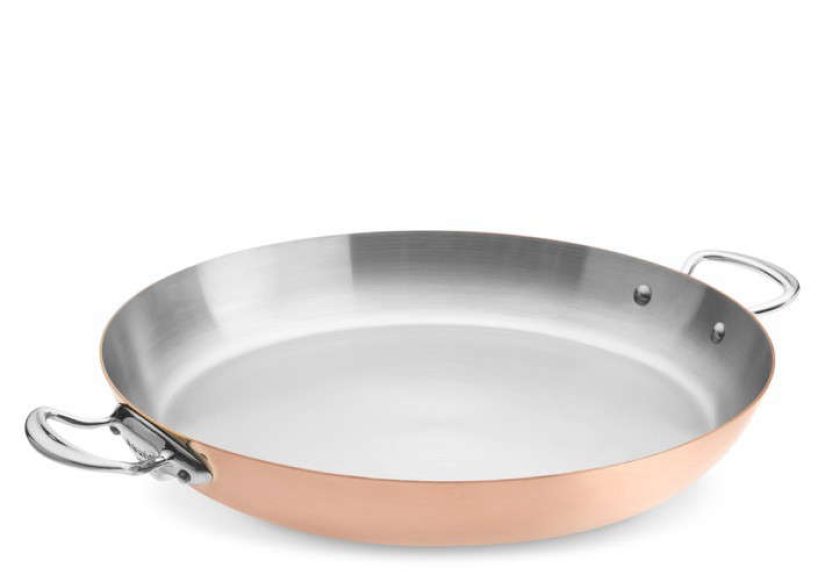
It’s a classic paellera shape (broad and shallow) executed in French copper with a practical stainless-steel cooking surfaceso you get
the fast, even heat copper is famous for, without the “oops, I accidentally made my dinner taste like a penny” problem.
This article breaks down what the M365 copper paella pan is, what it’s best at, how it behaves on different cooktops,
how to get that legendary socarrat (crispy rice crust) without summoning the smoke alarm, and how to care for copper
without turning your kitchen into a chemistry lab. Spoiler: you can keep it shiny, but you don’t have to.
Quick Snapshot: What You’re Buying
The Mauviel M365 Copper Paella Pan is designed for even heat and show-stopping presentationstove to table, no costume change required.
Key characteristics you’ll see across listings and descriptions:
- Copper exterior for fast, responsive heat control
- Stainless-steel interior lining that’s nonreactive and easier to maintain than traditional tin
- Wide, shallow profile ideal for paella-style rice cooked in a thin layer
- Loop handles riveted on for stability when the pan is loaded up with dinner for a crowd
Commonly Listed Dimensions (Typical Configuration)
Many U.S. listings describe a version around 16 inches in diameter, shallow height, and a satisfying heft
(in other words: it feels expensive because it is expensive).
Why Copper for Paella Works So Well
Paella is a heat-management dish disguised as a recipe. You’re cooking rice in a wide pan where you don’t stir much
(because stirring releases starch and pushes you toward risotto territory). That means you need heat that’s:
even across the base, responsive when you adjust the flame, and predictable
when liquids reduce.
Copper excels at conductivity and responsiveness. When you nudge the burner up or down, copper reacts quicklyhelping you keep the simmer steady,
then ramp toward the end for crust formation. This is especially helpful during the last stage of paella, when you’re trying to
dry the surface without burning the bottom.
The “Thin-Layer” Advantage
Paella wants rice spread out in a thin, even layer. That’s why paella pans are wide and shallowmore surface area means faster evaporation,
better separation of grains, and more opportunity for the bottom layer to crisp.
Build & Materials: What “M365” Really Means in Practice
Different retailers describe the M365 copper paella pan with a similar set of construction points: a copper body (often noted as heavy-gauge),
a stainless-steel interior, and sturdy riveted handles. That combination aims to balance old-school copper performance with modern convenience.
Stainless-Lined Copper: The Best of Both Worlds (Mostly)
Copper by itself is reactive with acidic foods. A stainless lining solves that, letting you cook tomatoes, wine-based broths, and lemony seafood
without flavor changesand without stressing about safety. Stainless also means you don’t have to baby the interior the way you would with tin.
The trade-off: stainless is less naturally nonstick than tin. Translation: if you blast the heat and walk away, you can still get stickage.
But with proper heat control, adequate fat, and the “don’t poke it every 12 seconds” discipline paella demands anyway, it’s a very workable surface.
Handles, Weight, and Real-World Use
Loop handles make sense on a paella pan because you’ll move it like a tray, not like a skillet. Just remember:
those handles get hot. Copper conducts heat efficiently; it does not magically stop at the rim because you asked nicely.
Plan on good oven mitts or thick towels, especially if you’re finishing in the oven or serving straight to the table.
Cooktop Compatibility: Where This Pan Shines (and Where It’s Just “Fine”)
Gas: The Copper Sweet Spot
Copper’s responsiveness is most noticeable on gas, because your flame changes immediately and the pan follows.
If you cook paella oftenand you care about dialing the simmer like a DJgas is where you’ll feel the “why copper?” moment.
Electric (Coil or Smooth-Top): Still Usable, Just Less Dramatic
You can absolutely cook with copper on electric. The main difference is that electric burners can be slower to change temperature,
so some of copper’s responsiveness gets muted. In practice, you compensate by adjusting sooner and relying on visual cues:
simmer size, liquid level, and the sound of the pan (yes, you’ll learn the rice “crackling” soundtrack).
Induction: Usually a No-Go
Most copper pans (unless they have an induction-compatible magnetic layer) won’t work on induction.
If your kitchen is induction-only, check the exact listing details carefully before you commit.
How to Cook Paella in the Mauviel M365: A Practical Game Plan
Paella is best when you cook with intention. The M365 copper paella pan helps, but it won’t save you from the two classic mistakes:
(1) using too large a pan on a too-small burner, and (2) stirring like you’re making oatmeal.
Step-by-Step: The “Crispy Without Chaos” Method
-
Prep everything first. Paella moves quickly. Chop, measure, and stage ingredients so you’re not hunting for paprika
while your sofrito turns into charcoal. -
Brown hearty proteins early. Chicken, sausage, or pork can handle higher heat up front.
Save quick-cooking seafood for later. -
Build flavor with sofrito. Onion, garlic, tomatocook it down until it’s jammy and concentrated.
This is where paella starts smelling like it has serious life goals. -
Add rice, spread evenly, then stop fussing. Once you add your cooking liquid,
distribute the rice in an even layer and let it cook mostly undisturbed.
Stirring releases starch and can make the dish gluey. -
Manage hot spots. On a home stovetop, large pans can develop hotter centers.
If needed, rotate the pan slightly during cooking (especially on electric), or use a heat diffuser if appropriate for your setup. -
Socarrat finish (the “listen and sniff” phase). When most liquid is absorbed, increase heat briefly.
You’re looking for a gentle crackle and a toasty aromanot a burnt smell.
Pull it when it smells like toasted rice, not like regret. - Rest before serving. A short rest helps grains set and flavors settle. Plus, it gives you time to bask in compliments.
What Size Paella Can You Realistically Make Indoors?
Here’s the honest truth: home burners are not giant outdoor paella rigs. If your pan is significantly larger than your burner,
you’re fighting physics. For big crowd paella, cooking on a grill or outdoor burner is often the easiest path to even heat.
Indoors, smaller batches typically produce more consistent results (and less panic).
What Else This Pan Is Great For (Besides Paella)
A wide, shallow copper pan is basically a multitool for “large-surface” cooking. If you buy it only for paella, fine.
But if you also use it for these, it starts feeling like a smarter investment:
- Arroz con mariscos variations (seafood rice, not necessarily strict Valencian paella)
- Shallow braises like chicken with olives and lemon (more surface area = better reduction)
- Sautéing big batches of mushrooms, peppers, onions, or fajita fillings without overcrowding
- Pan sauces that benefit from quick temperature control during reduction
- Entertaining: it’s genuinely a beautiful stove-to-table serving piece
Care & Cleaning: Keep It Gorgeous Without Making It Your Whole Personality
Copper tarnishes. That’s not a defect; it’s copper doing copper things. You can polish it whenever you want it to look like a magazine cover,
or you can let it develop a lived-in patina. Either way, the cooking performance doesn’t vanish because the pan isn’t mirror-bright.
Daily Cleaning (The Easy Routine)
- Hand-wash with warm water, mild dish soap, and a non-abrasive sponge.
- Dry immediately to avoid water spots and uneven tarnish.
- Skip the dishwasher unless the manufacturer explicitly says it’s safe (most copper cookware is not a dishwasher fan).
Polishing the Copper Exterior (When You Want the “Wow” Factor)
If you want it shiny, you have options:
- Commercial copper polish (fast, consistent results)
- Lemon + salt (classic, simple, and oddly satisfying)
- Vinegar + salt paste (effective for stubborn tarnish)
- Ketchup (sounds chaotic, works surprisingly wellyour pantry is full of opinions)
Important: when you polish, focus on the copper exterior. The stainless interior should be cleaned like stainless steel cookware.
Avoid harsh abrasives that can scratch surfaces or create dull patches.
Storage Tips
- Store it dry and preferably not stacked under heavy cookware (scratches happen).
- If stacking is unavoidable, use a soft pan protector or cloth between pieces.
- If you hang it, congratulations: your kitchen just leveled up aesthetically.
Pros, Cons, and Who This Pan Is For
Pros
- Excellent heat conductivity for controlled simmering and reduction
- Stainless lining for nonreactive cooking and easier maintenance than tin
- Showpiece presentationpaella is supposed to look dramatic
- Great surface area for thin-layer rice and browning
Cons
- High price (you’re paying for materials, craftsmanship, and brand heritage)
- Maintenance if you care about shine (patina is free, polish is effort)
- Size vs burner realitya big pan needs appropriate heat coverage
- Likely not induction-compatible unless specified otherwise
Best For
- Home cooks who love paella (or rice dishes) enough to want better control and better crust
- Entertainers who want a centerpiece pan that serves beautifully
- Cooks who appreciate premium cookware and will actually use itnot just admire it like a museum exhibit
FAQ: Real Questions People Ask Before Buying
Do I need a copper paella pan to make good paella?
Nobut it helps. The most important factors are pan shape (wide and shallow), even heat, and technique (minimal stirring, correct liquid levels).
Copper adds responsiveness and even heating, which can make the process smoother.
Will stainless-lined copper stick?
Stainless can stick if overheated or if food is added too early. Use adequate oil, preheat thoughtfully, and let proteins release naturally.
For paella rice, sticking on the bottom is not only normalit’s the whole point when you’re building socarrat.
How do I avoid burning the socarrat?
Treat the final stage like a controlled sprint: turn up heat briefly, listen for a gentle crackle, smell for toasted rice,
and stop before it smells burned. If your burner is small, rotate the pan slightly to reduce hot spots.
Is the patina bad?
Patina is cosmetic. Many people love the warm, aged look. If you want a bright shine, polish occasionally.
If you want to spend your time eating instead of buffing metal, let it be.
Longer-Form Cooking Experiences with the Mauviel M365 Copper Paella Pan (Extra Detail)
Cooking with a copper paella pan like the Mauviel M365 tends to change the feel of paella nightnot because it magically makes you a Valencian grandparent,
but because it encourages a calmer kind of control. The first thing most cooks notice is how quickly the pan reacts when it hits heat.
When you’re building sofrito, the shift between “gently sweating onions” and “oops, my garlic is turning into confetti” can happen fast,
which is exactly why copper’s responsiveness is useful: you can correct quickly. You turn the flame down, and the pan listens.
That sounds obvious, but if you’ve ever fought a sluggish pan that keeps barreling forward after you lower the burner, you’ll get it immediately.
The wide surface also changes your workflow. Instead of cooking in crowded batches, you can spread ingredients out.
Chicken pieces brown more evenly because they aren’t steaming in their own sadness. Vegetables soften without turning soggy.
And when you pour in stock, the liquid distributes across a broad base, which helps the rice settle into a thin layerthe stage where paella
starts looking like paella and not like “rice casserole with ambitions.”
The learning curve usually shows up at the socarrat moment. In a copper pan, the transition from simmer to crisp can happen efficiently.
That’s great, but it rewards attention. People often describe this phase as “listening cooking”you’ll hear a subtle crackle as moisture
finishes evaporating and the bottom starts to toast. The smell shifts, too: from saffron-and-stock to toasted rice and caramelized fond.
It’s the difference between a campfire marshmallow (good) and a campfire marshmallow that fell into the fire (bad).
The pan makes it possible to nail this, but it also makes it easy to overshoot if you wander off to refresh drinks.
For indoor cooks, burner size remains the reality check. If the pan is wider than your heat source, you may need to rotate it,
or accept that the center is doing more work than the edges. The good news is that copper helps smooth those gradients,
and a consistent simmer is easier to maintain once you’ve found your burner “sweet spot.” Many cooks end up doing a hybrid approach:
start on the stovetop for flavor development and simmering, then finish briefly under the broiler or in a hot oven for even top heat
(especially when the pan is loaded with seafood that you’d rather not overcook on direct flame).
The most surprisingly satisfying part, though, is the serving moment. A copper paella pan has theatrical energy.
You bring it to the table and people lean inpartly because it looks beautiful, partly because they know something crispy is hiding on the bottom.
And when you scoop down and hit that first patch of socarrat, it’s a tiny kitchen victory that feels bigger than it should.
That’s the real “experience upgrade” this pan brings: not perfection every time, but a better chance at the kind of paella that makes
everyone hover near the stove and ask, “Is it ready yet?” five minutes early.
Conclusion
The Mauviel M365 Copper Paella Pan is a premium tool for cooks who want paella to be more than “rice with stuff.”
Its copper body supports quick, even heating and responsive control, while the stainless-steel interior keeps daily use practical.
If you cook on gas (or you’re willing to learn your electric stove’s rhythm), it can make paella nights more consistent and more fun
and it looks spectacular doing it.
Buy it if you’ll use it: for paella, for big-batch sautéing, for shallow braises, and for the joy of carrying a beautiful pan to the table
like you’re starring in your own cooking show. Let it patina if you want. Polish it if you must. Either way, feed people well.