Table of Contents >> Show >> Hide
- What Melissa Gilbert Actually Wrote (and Why It Hit People Right in the Feelings)
- Meet the “Favorite Person”: Timothy Busfield, Her Partner in Real Life (and Not Just the Red-Carpet Kind)
- The Anatomy of a Modern Love Letter: Why Her Caption Worked
- Why Fans Melted: Nostalgia, Relatability, and the “Little House” Effect
- How to Write Your Own “Favorite Person” Note (Without Sounding Like a Greeting Card with Wi-Fi)
- The Bigger Picture: Public Love, Private Marriage
- Experiences Inspired by Melissa Gilbert’s “Favorite Person” Note (Extra )
Some celebrity posts feel like they were written by a publicist with a stopwatch and a mood board. This wasn’t one of them.
When Melissa Gilbertforever etched into pop culture as Little House on the Prairie’s Laura Ingallsshared a tender anniversary message calling her husband her “favorite person,” it landed because it sounded like a real marriage. Not a brand. Not a PR rollout. A marriage.
The internet is used to big romantic gestures: surprise trips, giant bouquets, and captions that say “my everything” without explaining
why or how. Gilbert went the opposite direction. She made love look wonderfully specificfull of shared routines, small joys,
and the kind of daily teamwork that doesn’t make headlines but absolutely makes a life.
What Melissa Gilbert Actually Wrote (and Why It Hit People Right in the Feelings)
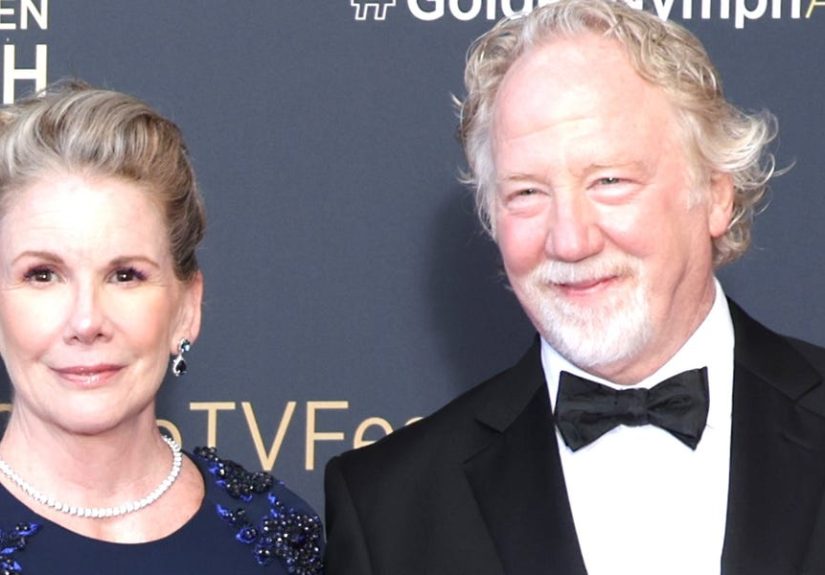
On April 24, Gilbert marked her wedding anniversary with actor Timothy Busfield and posted a photo paired with a caption
that read like a love letter written by someone who knows the difference between romance and real partnership.
Instead of a single sweeping statement, she offered a listyears of this, years of thatlike she was counting blessings out loud.
In the message, she described their years together as “true partnership” and included everyday detailsthings like hobbies, routines,
and the shared rhythm of a couple who has built a home and a life side-by-side. She ended with the line that made people pause:
she called Busfield her “favorite person,” and said he has her “favorite face” and “favorite soul.”
That last part is why it spread. “Favorite face” is oddly intimate in a wholesome waylike something you’d say when you’ve watched someone
fall asleep during a movie and you’re still charmed by the way their eyebrow does that thing. It’s not grand. It’s close.
Meet the “Favorite Person”: Timothy Busfield, Her Partner in Real Life (and Not Just the Red-Carpet Kind)
Who he isand why this pairing makes sense
Busfield is an actor and director with a long résumé (many people know him from television work, including acclaimed series),
and he and Gilbert share that “we’ve been around the industry” perspective. That matters. In Hollywood, where schedules change,
set life is exhausting, and everyone’s job involves someone yelling “five minutes!”having a partner who understands the weirdness
is basically couples therapy you don’t have to schedule.
But their relationship isn’t presented as a Hollywood bubble. In interviews and profiles over the years, the vibe is much more
“we built a life” than “we built a fantasy.” They’ve talked about collaboration, communication, and staying groundedwords that
rarely appear in the same sentence as “celebrity romance,” unless someone’s selling a wellness candle.
How they got here: a reconnection that turned into certainty
Their story includes a twist that rom-com writers would use and pretend they invented: Gilbert and Busfield crossed paths earlier
in life, but reconnected years later and quickly became serious. Gilbert has described feeling an almost immediate certainty about him
the kind of certainty that sounds cliché until you hear it from someone who is old enough to have survived several decades of learning
what does not work.
They got engaged later that year and married in April 2013. By the time she posted the “favorite person” tribute, they were celebrating
twelve years of marriagelong enough to know each other’s coffee order, sleep schedule, and what “I’m fine” really means
(spoiler: it usually means “I’m not fine, but I love you enough not to start World War III before dinner”).
The Anatomy of a Modern Love Letter: Why Her Caption Worked
1) Specificity beats poetry (every time)
Gilbert didn’t write, “Happy anniversary to my soulmate.” She wrote about life: the habits, the rituals, and the long list of
shared experiences that turn two people into a team. She mentioned things like classes, adventures, and the comforting, repetitive
stuff that makes a relationship feel like home. That’s the secret sauce: the caption wasn’t a slogan. It was a scrapbook paragraph.
The genius of the list format is that it feels honest. Nobody’s life is one uninterrupted montage of candlelight and sunsets.
But a life with someone can absolutely be years of “we tried this,” “we survived that,” and “we can’t believe we’re still laughing.”
That’s what the post captured.
2) Gratitude is a relationship maintenance tool, not just a holiday vibe
Relationship research has been pointing at the same truth for years: gratitude matters. Couples who regularly express appreciation
tend to feel closer and more satisfiednot because gratitude magically fixes everything, but because it changes what you notice.
Instead of scanning for what your partner forgot, you start seeing what they carried.
Gilbert’s caption wasn’t performative gratitude (“Look how perfect we are!”). It read more like, “Look at what we’ve built.”
That subtle shift is huge. It focuses on partnership and shared effort, not just romantic destiny.
3) The word “partnership” isn’t unsexyit’s the whole point
In a later conversation about their marriage, Gilbert emphasized that decisions are discussed and shared, and that neither partner
runs solo. That’s not just a cute quote; it’s a strategy. Many relationships struggle because life becomes a series of unilateral choices:
one person makes plans, the other person adjusts, and resentment quietly starts paying rent.
The healthiest version of “romance,” especially after years together, often looks like respect, consideration, and a steady
sense that you’re on the same side. Her message reflected that: love as teamwork, not theatrics.
Why Fans Melted: Nostalgia, Relatability, and the “Little House” Effect
Melissa Gilbert isn’t just a celebrity; she’s a comfort-food celebrity. People associate her with childhood viewing, family TV,
and a character who endured hardships with grit and heart. When someone with that cultural footprint shares a love note that feels
real, it hits differently. It’s like your favorite childhood show quietly telling you, “Heygrown-up love can be good, too.”
Also, the post arrived in a moment when many people are tired of shiny, filtered perfection. A list of ordinary joysyes, even the
slightly goofy onesfeels like permission to celebrate your relationship without pretending it’s an ad.
And let’s be honest: when you see a couple celebrating more than a decade together, you don’t just think “aw.”
You think, “Okay, what are they doing that the rest of us should maybe steal?”
How to Write Your Own “Favorite Person” Note (Without Sounding Like a Greeting Card with Wi-Fi)
You don’t need a celebrity platform to write something that matters. You just need specificity, honesty, and a tone that sounds like you.
Here’s a simple approach inspired by Gilbert’s styleminus the pressure of thousands of comments.
Step 1: Start with a number (it makes the message feel grounded)
Pick a number that fits the occasion: “3 months,” “7 years,” “100 days,” “1 tough week we got through.”
Numbers signal effort and timetwo things love is always asking for.
Step 2: List shared life, not just shared romance
Romance is great. But shared life is what makes romance sustainable. Try lines like:
- “X years of late-night grocery runs and pretending we’re not buying snacks.”
- “X years of inside jokes that would sound alarming to strangers.”
- “X years of you making the hard days feel less heavy.”
- “X years of learning how to fight fair (or at least apologize faster).”
Step 3: Say what you admire, not just what you feel
“I love you” is essentialbut “I admire you because…” often goes deeper. Admiration is like relationship glue.
It reminds your partner they’re seen for who they are, not just how they make you feel.
Step 4: Keep it safe and kind
A public post is not the place for “we’ve had our ups and downs but…” followed by a subtle roast.
If you’re sharing publicly, keep it supportive. (If you need to process conflict, that’s a private conversationor a therapist,
who is basically a professional translator for “I’m mad because I’m scared.”)
Step 5: Add one tiny sensory detail
Gilbert’s “favorite face” line works because it’s tangible. Add something like:
“the way you laugh,” “your calm voice,” “how you hold my hand in parking lots,” or “your sleepy hair that defies physics.”
Tiny details make love feel real.
The Bigger Picture: Public Love, Private Marriage
There’s always a debate about whether posting about your relationship is sweet or performative. The truth is: it depends on the post.
A caption can be a highlight reelor it can be a sincere moment of appreciation. Gilbert’s anniversary note read like appreciation.
It didn’t claim perfection. It celebrated presence.
And that’s a useful reminder for anyonefamous or not. A strong relationship isn’t built by saying the “right” romantic lines.
It’s built by repeated acts of respect, shared decision-making, and the daily choice to notice what your partner does right.
If anything, the post offers a refreshing definition of “relationship goals”: not constant fireworks, but steady warmth.
Not a fantasy, but a partnership you’d actually want to live inside.
Experiences Inspired by Melissa Gilbert’s “Favorite Person” Note (Extra )
One reason Gilbert’s message resonated is that it mirrors what many couples recognize as the “real stuff” of lovethe things you
don’t always photograph. If you’ve ever celebrated an anniversary and realized you can’t even remember the restaurant you ate at
five years ago, but you can remember the moment your partner showed up for you in a quiet way, you already understand her approach.
Couples often say the most meaningful anniversary moments aren’t the expensive ones. It’s the “I kept a note” ones.
A friend might tuck a small card into a laptop bag. A spouse might write a message on the bathroom mirror.
Someone might text a list of “ten things I love about our life” and accidentally start a tradition.
Gilbert’s post uses that same emotional technology: a simple list that proves you were paying attention.
Another experience many people relate to is the power of naming the ordinary. In long-term relationships, ordinary can start to feel invisible.
But when you say, “Thank you for making coffee,” or “Thank you for listening to me spiral and not making it worse,” you’re doing something
bigger than being politeyou’re reinforcing the idea that effort is seen. Relationship researchers often describe this as building a
“culture of appreciation,” where positive noticing becomes a habit instead of an occasional performance.
There’s also something quietly brave about publicly expressing gratitude in a world that rewards sarcasm. Some people worry that sweetness
makes them look naive. But a heartfelt note isn’t naïvetéit’s confidence. It says, “I don’t need to act too cool to care about the person
who holds my life together.” That’s not cringe. That’s grown-up.
And for those who’ve been through relationship “weather” (stress, grief, career chaos, family complications), Gilbert’s focus on partnership
may feel especially familiar. Many couples learn that the real test isn’t whether you can plan a romantic weekend; it’s whether you can
navigate decisions together without turning everything into a power struggle. People who’ve practiced that kind of teamwork often describe
a calmer relationship atmosphereless dramatic, more securebecause they’re not constantly bracing for surprise choices or silent resentment.
Finally, there’s the experience of gratitude affecting mood in a very practical way. Health experts often note that gratitude practices can
support well-beingimproving mood, sleep, and stress levelsbecause they shift attention from threat to safety. In relationships, that shift can
be contagious. When one person starts noticing what’s good, the other often softens, too. It doesn’t erase conflict, but it can change the
tone of the room. In that sense, a “favorite person” note isn’t just romanticit’s a small act of emotional housekeeping. It clears out the
clutter and reminds you what matters: you found someone you can build a life with, and you still like their face. Honestly, that’s the dream.