Table of Contents >> Show >> Hide
- What Makes a Miele Built-In Coffee System Different?
- Key Features That Drive the Buzz
- Understanding the Miele Built-In Lineup
- How It Performs in a Real Kitchen
- Pros and Cons of a Miele Built-In Coffee System
- Who Should Buy One?
- Extended Experience: What Living With a Miele Built-In Coffee System Really Feels Like
- Final Verdict
If your dream kitchen includes clean cabinetry, quiet luxury, and a coffee routine that feels a little smug in the best possible way, the Miele built-in coffee system probably already has your attention. This is not the humble drip machine that lives beside a fruit bowl and a half-dead phone charger. This is a fully integrated, bean-to-cup built-in coffee maker designed to disappear into premium cabinetry while delivering espresso, coffee, milk drinks, and even tea with the push of a button.
That combination is exactly why Miele has built such a loyal following. The brand’s built-in units are aimed at homeowners who want café-style drinks without turning their counters into a small appliance traffic jam. In the current U.S. lineup, Miele offers several 24-inch models and a larger 30-inch option, with both plumbed and non-plumbed configurations depending on the series. Some models lean into straightforward luxury, while higher-end versions pile on convenience features like multiple bean containers, automatic descaling, automatic cleaning, cup-height recognition, and personalized drink profiles.
So, is a Miele built-in coffee system worth the splurge? In many kitchens, yes. But it depends on what you want from your daily coffee ritual. If you love the idea of pressing one elegant button and receiving a hot cappuccino before your brain has finished waking up, you are the target audience. If you enjoy manually weighing beans, timing extraction to the second, and speaking lovingly to your tamper, you may still prefer a more hands-on espresso setup.
What Makes a Miele Built-In Coffee System Different?
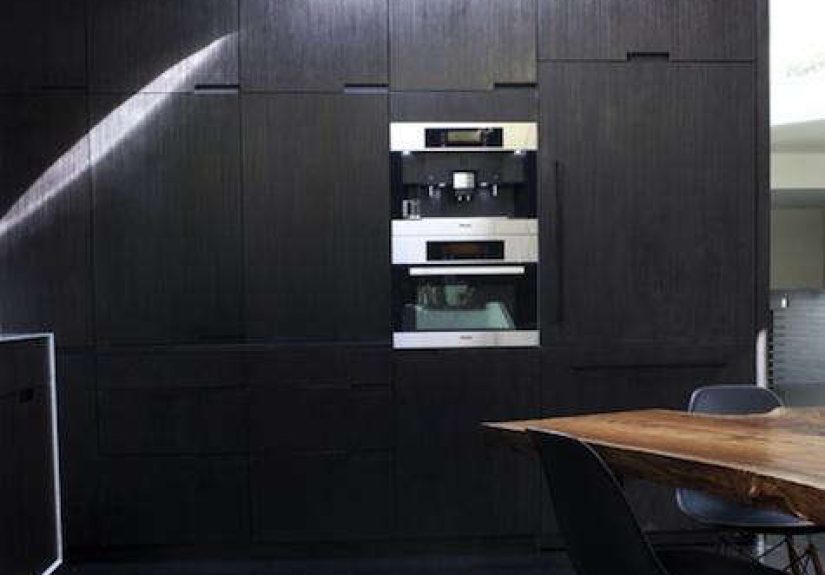
The biggest difference is right there in the name: built-in. A Miele unit is designed to be installed into cabinetry so it looks like part of the kitchen rather than an appliance that wandered onto the counter and decided to stay forever. That matters more than it sounds. In a high-end kitchen, visual consistency is part of the appeal, and Miele built-in coffee machines are made to coordinate with other wall appliances in the brand’s design families.
But looks alone do not explain the appeal. The real draw is that these machines automate a surprisingly large chunk of the coffee process. Beans are ground fresh, drink parameters can be adjusted, milk drinks are handled automatically, and many beverages can be prepared with one touch. Instead of juggling a grinder, espresso machine, milk frother, knock box, and cleaning routine that feels like a part-time job, you get one integrated system.
That makes the Miele coffee machine category especially appealing for busy households, design-focused remodels, and anyone who wants luxury convenience without giving up flavor. It is coffee for people who want control, but not homework.
Key Features That Drive the Buzz
1. Fresh Grinding for Every Cup
Miele’s built-in bean-to-cup approach is a major selling point. Fresh grinding matters because aroma fades quickly once coffee is ground. Models in the lineup emphasize freshly ground brewing, which helps preserve flavor and gives the machine a clear advantage over pod-based systems. The result is a cup that tastes fuller, fresher, and less like it was negotiated in a warehouse six months ago.
2. OneTouch for Two
This is one of those features that sounds small until you live with it. Many Miele built-in coffee systems can prepare two drinks at once. That is helpful for couples, guests, or anyone who does not enjoy being the unpaid barista during brunch. It also makes the machine feel less like a gadget and more like a useful part of the household rhythm.
3. CupSensor
On models equipped with it, Miele’s CupSensor automatically detects the height of the cup and positions the spout accordingly. That means less splashing, better crema preservation, and fewer moments where a latte macchiato turns into a countertop crime scene. It is a smart touch that sounds almost too fancy until you realize it solves a real annoyance.
4. CoffeeSelect on Higher-End Models
One of the most impressive upgrades in Miele’s premium built-in coffee systems is CoffeeSelect, which lets the machine work with three separate bean containers. That means you can keep different beans ready for different drinks or preferences. Maybe one hopper is for a dark espresso roast, another is for a smoother medium roast, and the third is for decaf so nobody has to fake enthusiasm at 10:30 p.m. This is a genuinely useful feature, not just luxury theater.
5. AutoDescale and AutoClean
Cleaning is where many coffee dreams go to die. Miele clearly understands this. Higher-end models include automatic cleaning and descaling functions that reduce the amount of manual maintenance required. You still need to care for the machine, because no coffee system has yet evolved into a self-managing life form, but these features remove a lot of the friction that usually comes with ownership.
6. Personalized User Profiles
Many current models allow up to 10 user profiles. That is excellent for households where one person wants strong espresso, another wants a milder long coffee, and someone else insists their milk foam has “a specific personality.” Profiles save drink settings so you do not have to keep tweaking strength, volume, temperature, or milk levels every time.
7. More Than Coffee
Miele also goes beyond espresso and regular coffee. Built-in units can support a broad menu of coffee specialties, milk drinks, hot milk, milk froth, and tea-related functions. That matters because not every kitchen has two coffee obsessives. Some homes have one coffee person, one tea person, and one mysterious family member who only appears when there is chai latte.
Understanding the Miele Built-In Lineup
The lineup generally separates into different experience levels rather than just different colors. In simple terms, some models are designed to deliver a premium built-in coffee experience with core features like fresh grinding, one-touch beverages, CupSensor, and guest-friendly pot functions. Other models step up into a more advanced luxury tier with CoffeeSelect, M Touch controls, MotionReact, and automatic care features.
There are also practical differences:
- 24-inch models work well in many standard luxury kitchen layouts and are often the easiest fit for remodels.
- 30-inch models make more sense when you are designing a larger appliance wall or want a stronger visual match with wider companion appliances.
- Non-plumbed models offer more installation flexibility because they do not require a direct water connection.
- DirectWater models are ideal for people who want fewer refills and a more seamless daily routine.
That means the best Miele built-in coffee system is not always the most expensive one. It is the one that matches your kitchen layout, your willingness to deal with plumbing, and how much you care about advanced drink customization.
How It Performs in a Real Kitchen
In real life, Miele’s built-in systems succeed because they reduce friction. They make coffee fast, look polished, and feel intuitive once you spend a little time with the interface. The higher-end touch displays are especially attractive if you want a modern, premium feel. On advanced models, proximity features and responsive controls make the whole experience feel a bit futuristic without crossing into “my kitchen is judging me” territory.
Flavor is another strong point. Fresh grinding, programmable settings, and specialized drink options make it easier to dial in drinks that feel personal rather than generic. If you use quality beans, the machine gives you enough control to enjoy meaningful differences in taste and strength. It is not trying to replace the craft of a prosumer espresso bar setup, but it does a very good job delivering reliable, polished results with much less effort.
The convenience side is where Miele really earns its reputation. A plumbed model is especially luxurious because it removes one more recurring task from your routine. Add in automatic cleaning support, dishwasher-safe parts on certain components, and drink profiles, and you start to understand why these systems appeal to people who want consistency more than ceremony.
Pros and Cons of a Miele Built-In Coffee System
Pros
- Beautiful integrated design for high-end kitchens
- Fresh bean-to-cup brewing with strong flavor potential
- Wide range of drinks, including milk beverages and tea functions
- Convenient dual-drink preparation
- Advanced models offer excellent automation and customization
- User profiles make shared households much easier
- Plumbed options reduce daily maintenance
Cons
- The price is firmly in luxury territory
- Installation planning matters, especially for plumbed models
- Some owners still face a learning curve with settings and maintenance
- Premium appliances create premium service expectations, so any delay feels bigger
That last point matters. Owner feedback is generally very positive, especially around coffee quality, appearance, and ease of use once the machine is up and running. At the same time, a luxury appliance has to meet luxury expectations. If something goes wrong, even one frustrating service experience feels magnified because this is not an impulse countertop gadget. It is an installed part of your kitchen.
Who Should Buy One?
A Miele built-in espresso machine makes the most sense for homeowners who are already investing in kitchen design and want coffee convenience to match the rest of the room. It is also ideal for people who entertain regularly, share a kitchen with other coffee drinkers, or simply want a daily ritual that feels polished and dependable.
You are a strong candidate if you want:
- A luxury coffee setup without countertop clutter
- One-touch espresso and milk drinks
- A machine that can serve different preferences in one household
- A model that can visually integrate with premium wall appliances
You may want to skip it if your budget is tight, you rent, you move often, or your favorite part of coffee is manually controlling every variable. Miele is about intelligent convenience, not performative barista suffering.
Extended Experience: What Living With a Miele Built-In Coffee System Really Feels Like
The experience of owning a Miele built-in coffee system is not just about what lands in the cup. It is also about how the machine changes the pace of the kitchen. In many homes, the first thing people notice is visual calm. There is no bulky machine squatting on the counter, no grinder shedding grounds like confetti, and no separate milk frother waiting to be cleaned later. The coffee system becomes part of the cabinetry, which sounds like a design detail until you live with the extra counter space every day.
Morning use is where the value becomes obvious. A good built-in Miele model makes the first drink of the day feel easy and predictable. You walk in half awake, tap a screen, choose a saved profile, and the machine does the rest. That is a small luxury, but a real one. For households with two coffee drinkers, the dual-drink function feels especially useful because nobody has to stand around waiting for the machine to finish one cappuccino before it starts the next. It quietly removes a tiny domestic annoyance, which is a very adult kind of happiness.
Over time, personalization becomes one of the most appreciated features. In a shared kitchen, drink profiles are more than a tech gimmick. They prevent the constant back-and-forth of changing strength, milk quantity, and cup size. One person can prefer a bold espresso, another can save a smoother morning coffee, and a guest can still get a latte without triggering a family debate about settings. The machine starts to feel less like an appliance and more like a household utility with manners.
The best versions of the experience come from owners who chose the right model for their habits. A household that drinks several cups a day often appreciates a DirectWater setup because not refilling a tank is one less chore. People who like variety tend to love the higher-end models with multiple bean containers because switching from espresso beans to a milder roast or decaf becomes much easier. Tea drinkers also get more out of the system than they might expect, which broadens the machine’s usefulness beyond a coffee-only audience.
There is, of course, a less glamorous side. This is still a sophisticated machine, and sophisticated machines enjoy reminding you that ownership includes maintenance. Even with automatic cleaning and descaling support, you still need to pay attention to milk-system hygiene, routine care, and occasional setup details. Some owners adapt quickly and call the machine user-friendly. Others spend their first week poking through menus like they are trying to decode an expensive spaceship. Both reactions are normal.
The emotional arc is often the same: early learning curve, then routine comfort. Once people settle in, they tend to praise the flavor, consistency, and ease of use. The machine earns trust when it repeatedly delivers drinks that taste good without demanding much effort. That reliability is a big part of the luxury appeal. You are not buying a Miele built-in coffee system because it is the cheapest route to caffeine. You are buying it because you want the kitchen to work beautifully, the coffee to taste excellent, and the daily ritual to feel smooth instead of messy. In that sense, the experience is less about coffee theater and more about everyday quality of life. And honestly, that may be the most convincing feature of all.
Final Verdict
The Miele built-in coffee system is a premium appliance for people who want design, convenience, and consistently strong coffee in one package. It is especially compelling in a luxury kitchen where integration matters just as much as performance. The best models combine fresh grinding, thoughtful automation, customizable drink settings, and a sleek built-in look that keeps the kitchen feeling organized.
It is not cheap, and it is not for everybody. But if you are building a serious kitchen and want a serious built-in coffee machine to go with it, Miele has a strong case. The brand’s better models do not just make coffee; they make coffee feel beautifully easy. And on most mornings, that is exactly the kind of luxury people actually use.