Table of Contents >> Show >> Hide
- What Is a Reactive Dog?
- Why Dogs Become Reactive
- The First Rule: Stop Rehearsing the Reaction
- Understand Threshold Before You Train
- How to Train a Reactive Dog Step by Step
- Best Strategies for Everyday Walks
- What Not to Do With a Reactive Dog
- When to Get Professional Help
- Sample Weekly Training Plan
- Realistic Expectations: What Progress Looks Like
- Experiences Related to Training a Reactive Dog
- Conclusion
- Note
- SEO Tags
If your dog loses their mind every time another dog, cyclist, stranger, skateboard, squirrel, or suspicious leaf appears, welcome to the club nobody asked to join. Living with a reactive dog can feel exhausting, embarrassing, and weirdly athletic. One minute you are taking a peaceful stroll. The next minute you are executing a panicked U-turn while clutching treats like a game-show contestant.
The good news is this: a reactive dog is not a bad dog, a stubborn dog, or a dog trying to become the neighborhood supervillain. In many cases, reactivity is an over-the-top response driven by fear, frustration, stress, or overarousal. The goal of training is not to “shut the dog down.” It is to change how the dog feels, help them stay under control, and teach them safer, calmer behaviors.
This guide breaks down how to train a reactive dog using effective, humane, reward-based strategies that work in the real world. We will cover what reactivity is, why it happens, what tools help, what mistakes to avoid, and how to build a practical training plan without turning every walk into an action movie.
What Is a Reactive Dog?
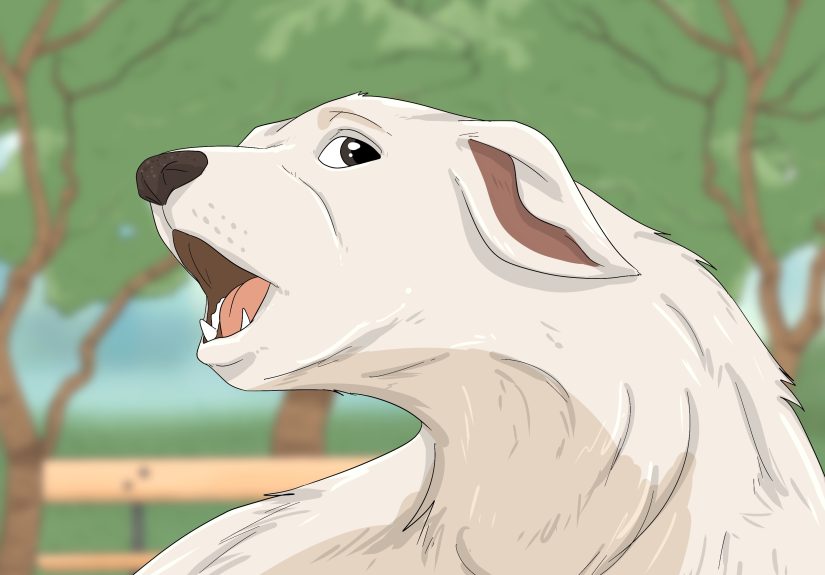
A reactive dog is a dog who overreacts to a trigger. That trigger might be other dogs, people, cars, noises, visitors, movement, or specific situations such as being on leash or behind a fence. The reaction often looks like barking, lunging, growling, whining, spinning, freezing, or hitting the end of the leash with dramatic flair.
Reactivity is not exactly the same thing as aggression, although the two can overlap. A reactive dog may be shouting, “I am scared,” “Back off,” “I am too excited,” or “I cannot handle this right now.” An aggressive dog may be more directly trying to increase distance or cause harm. The difference matters, but either way, the behavior should be taken seriously and managed carefully.
Common Signs of Dog Reactivity
Look for early warning signs before the full explosion. These may include staring, stiff posture, closed mouth, ears pinned back, lip licking, yawning when not tired, dilated pupils, raised hackles, tucked tail, weight shifted forward, or refusal to take treats. If you learn to spot these small clues, you can act before your dog goes over threshold.
Why Dogs Become Reactive
Reactive behavior usually has a reason. Sometimes it is fear based. Sometimes it is frustration, especially when a dog wants to greet but cannot. Sometimes it is tied to lack of socialization, a scary past experience, chronic stress, pain, genetics, or being repeatedly pushed into situations that feel too intense. A dog can also become more reactive when stress stacks up over time. That means one stressful event on top of another can leave them with a shorter fuse than usual.
In plain English, your dog is not being “difficult for fun.” Your dog is having a hard time. That mindset shift matters because it changes your training from punishment to problem-solving.
Common Triggers
- Other dogs on walks
- Strangers approaching too quickly
- People entering the home
- Bikes, joggers, scooters, and skateboards
- Sounds, doorbells, and neighborhood activity
- Barrier frustration behind fences, windows, or leashes
The First Rule: Stop Rehearsing the Reaction
Every time a dog barks, lunges, or explodes at a trigger, they rehearse that pattern. Repetition makes behavior stronger. So before you even think about the fancy training part, start with management. Management is not cheating. It is smart.
Avoiding overwhelming situations helps keep your dog from practicing the unwanted behavior. Walk at quieter times. Cross the street early. Use parked cars as visual barriers. Skip crowded pet stores. Block window views if your dog fence-fights with the universe. Give yourself permission to say, “No thanks, my dog doesn’t want to say hi.” That is advocacy, not rudeness.
Helpful Management Tools
- A well-fitted front-clip harness or other secure walking gear
- A standard leash instead of a retractable leash
- High-value treats your dog truly loves
- Visual barriers at home, such as curtains or frosted film
- A basket muzzle, introduced positively, if there is bite risk
If your dog has suddenly become reactive, or if the behavior is worsening, schedule a veterinary visit. Pain, illness, sensory decline, or underlying anxiety can absolutely affect behavior.
Understand Threshold Before You Train
If you remember one concept from this article, let it be this: train under threshold.
Threshold is the point where your dog notices a trigger but can still think, respond, eat treats, and recover. Over threshold is the point where the dog is too aroused, too scared, or too overwhelmed to learn. Once your dog is barking, lunging, and sounding like they are auditioning for a dramatic soap opera, it is not the moment for new lessons.
The sweet spot is where your dog can see the trigger from a safe distance and stay functional. That is where learning happens.
How to Tell If Your Dog Is Under Threshold
- They can look at the trigger and then back at you
- They can eat treats
- Their body is alert but not rigid
- They can respond to simple cues
- They recover quickly after the trigger passes
How to Train a Reactive Dog Step by Step
1. Identify the Trigger and Distance
Start by figuring out exactly what sets your dog off and how close that trigger can be before your dog reacts. Maybe your dog can handle another dog at 60 feet but not at 20. Maybe they can handle one calm person but not a fast-moving jogger. Your training plan gets better the more specific you are.
2. Build Foundation Skills at Home
Before you work around triggers, teach simple focus and movement cues in a low-stress environment. Useful skills include:
- Watch me or eye contact
- Touch to hand target
- Let’s go for turning and moving away
- Find it for sniffing treats off the ground
- U-turn for graceful emergency exits
These cues are not magic spells, but they are excellent tools when used before your dog escalates.
3. Use Desensitization and Counterconditioning
This is the gold-standard strategy for many reactive dogs. Desensitization means exposing your dog to the trigger at a low enough intensity that they can cope. Counterconditioning means pairing that trigger with something wonderful, usually high-value food.
In practice, that means your dog sees the trigger from a comfortable distance, and immediately good things happen. Chicken appears. Cheese appears. Tiny pieces of turkey appear like glorious confetti. Over time, the dog begins to associate the trigger with positive outcomes rather than panic or frustration.
Example: Dog Reactive on Walks
Let’s say your dog reacts to other dogs. You spot a dog 70 feet away. Your dog notices but stays calm enough to eat. Great. Mark that moment with a cheerful “Yes” or click, then feed several treats. When the other dog disappears, the treats stop. Dog appears, snacks happen. Dog disappears, snack bar closes. That pattern teaches your dog that another dog predicts good things.
Over many sessions, as your dog stays relaxed, you may gradually reduce distance. Gradually is the key word. Not “surprise, today we are trying a sidewalk greeting.” That is how people end up starring in a leash tango they never wanted.
4. Reinforce Calm, Not Just Obedience
Do not focus only on commands. Reward your dog for calm choices: looking away from the trigger, sniffing the ground, soft body language, checking in with you, or simply existing without launching into chaos. Those quiet moments are gold.
5. Keep Sessions Short and Successful
Five good minutes is better than 30 messy ones. End before your dog is mentally fried. Training is not a test of endurance. It is a series of manageable wins.
Best Strategies for Everyday Walks
Use Pattern Games
Simple routines can help reactive dogs feel safer because predictability lowers stress. Try walking three steps and feeding, or saying “one-two-three” and delivering a treat on three. Pattern games give your dog something familiar to do when the world feels noisy and weird.
Let Sniffing Work for You
Sniffing can help lower arousal. Tossing treats in the grass with a “find it” cue encourages your dog to disengage from the trigger and use their nose. Think of it as canine meditation, but with crumbs.
Increase Distance Early
Distance is not failure. Distance is your best friend. If your dog starts to stare, stiffen, or stop taking treats, add space immediately. Cross the street. Step behind a car. Turn into a driveway. Calm is the goal, not bravery points.
What Not to Do With a Reactive Dog
Do Not Punish the Reaction
Yelling, leash jerks, shock collars, prong collars, alpha rolls, and other aversive methods may suppress behavior in the moment, but they often increase stress, fear, and negative associations. If your dog already thinks strangers or other dogs are bad news, adding pain or intimidation can make that belief stronger.
Do Not Force Greetings
Many reactive dogs do not need to “work it out” face-to-face with the thing that worries them. Forced exposure can backfire. Your dog does not need to greet every dog, every person, or every golden retriever named Cooper.
Do Not Move Too Fast
Progress with reactive dogs is rarely linear. Some days feel amazing. Some days your dog barks at a recycling bin they have seen 147 times. That does not mean training failed. It means dogs are living beings, not vending machines.
When to Get Professional Help
Get help from a qualified trainer, certified behavior consultant, veterinary behaviorist, or veterinarian if:
- Your dog has bitten or attempted to bite
- Your dog cannot recover easily after seeing triggers
- The behavior is intense, unpredictable, or getting worse
- You suspect pain, anxiety, or a medical issue
- Your own stress level is sky-high and walks feel unsafe
In some cases, behavior medication can help reduce anxiety enough for learning to happen. Medication is not a shortcut or a failure. It can be one useful part of a full training plan for dogs who are constantly overwhelmed.
Sample Weekly Training Plan
Monday to Friday
Do two or three short sessions each day. Practice focus cues indoors, then in the yard or on a quiet street. Reward calm attention, hand targets, and smooth turns away from mild distractions.
Three Controlled Trigger Sessions Per Week
Set up sessions where your dog can observe a trigger from a comfortable distance. Mark and reward calm behavior. Stop while your dog is still successful.
Daily Enrichment
Use food puzzles, sniff walks, scatter feeding, chew time, and simple scent games. Mental enrichment helps many dogs feel more settled and less explosive.
One Rest Day
Yes, really. Reactive dogs need decompression too. A day with fewer triggers can help prevent trigger stacking and keep progress from unraveling.
Realistic Expectations: What Progress Looks Like
Training a reactive dog is often about improvement, not perfection. Success may look like this:
- Your dog notices a trigger and looks back at you
- Recovery takes 10 seconds instead of 10 minutes
- You can walk past one dog across the street without a meltdown
- Your dog can stay calmer with visitors behind a gate
- You feel more confident and less panicked on walks
That is real progress. Calm is built in layers.
Experiences Related to Training a Reactive Dog
One of the hardest parts of living with a reactive dog is that the experience is emotional, not just technical. On paper, the plan sounds simple: create distance, reward calm behavior, repeat. In real life, it often feels messier. Owners commonly describe the early stage as exhausting because they are trying to manage the dog, scan the environment, carry treats, watch body language, and pretend they are not sweating when another dog appears around the corner.
A very common experience is embarrassment. Your dog erupts, people stare, and suddenly you feel like everyone believes you raised a tiny dragon with a leash. The truth is that many reactive dog owners are working incredibly hard. They are not lazy. They are usually the people waking up early for quiet walks, practicing hand targets in the kitchen, and celebrating microscopic victories like, “He saw a jogger and only made one dramatic sound.”
Another common experience is grief. Some people imagined easy coffee-shop outings, friendly dog park visits, or casual neighborhood strolls. Then reality arrived barking. It is normal to feel disappointed when your dog is not the social butterfly you pictured. Accepting the dog in front of you, instead of the fantasy dog in your head, is often a turning point. Once owners stop chasing the idea that their dog must love every person and every dog, training gets clearer and kinder.
There is also the experience of learning to become your dog’s advocate. Many owners say their confidence improves when they stop apologizing for giving their dog space. They learn to cross the street early, say “No greeting, thank you,” and leave situations before things unravel. That shift is powerful. The dog begins to trust that the human will handle the environment, and the human begins to feel less like a helpless passenger on the leash.
People also report that progress often comes in strangely beautiful moments. A dog who used to explode at every passing dog glances over and then looks back for a treat. A dog who once panicked at visitors relaxes behind a baby gate with a stuffed food toy. A dog who could not walk past a bicycle now watches one go by from half a block away without losing control. These moments may seem small to outsiders, but for reactive dog owners, they feel enormous.
Setbacks are part of the experience too. Weather changes, sleep disruption, vet visits, houseguests, pain, and stressful neighborhoods can all affect behavior. Owners often say the most helpful mindset is to think in trends, not single incidents. One bad walk does not erase a month of progress. It just means your dog had a hard day. Maybe you did too.
Many people who stick with humane training eventually say the process improved their relationship with their dog in unexpected ways. They became better at reading subtle body language. Their timing improved. Their patience improved. Their dog learned that the handler was a source of safety instead of pressure. That trust can be deeply rewarding. No, it is not the effortless dog-owner fantasy from a commercial. But it is real, and it is often stronger.
Perhaps the most meaningful experience is this: reactive dogs can absolutely improve. Not always into carefree social butterflies, but into dogs who can cope better, recover faster, and feel safer in the world. That matters. A dog does not need to love chaos to live a good life. Sometimes success is a peaceful walk at a quiet hour, a confident U-turn, a loose leash, and a dog who finally seems to say, “I’m okay. You’ve got me.”
Conclusion
If you want to know how to train a reactive dog effectively, start with compassion, not correction. Identify triggers, manage the environment, work under threshold, reward calm behavior, and use desensitization and counterconditioning to change how your dog feels. Keep sessions short, progress gradually, and do not hesitate to call in a qualified professional when the behavior is severe or safety is a concern.
Reactive dogs are not hopeless. They are overwhelmed. With patience, structure, and the right strategies, many dogs can learn to move through the world with far less stress and far more confidence. And honestly, that is a better ending than trying to win a staring contest with a skateboard from 12 feet away.
Note
This article is for educational purposes only and is not a substitute for individualized advice from a veterinarian, certified trainer, or veterinary behaviorist. If your dog has a bite history, shows sudden behavior changes, or seems painful, seek professional help before trying to train through the problem on your own.
![18 Best Types of Charts and Graphs for Data Visualization [+ How to Choose]](https://corkopencoffee.org/wp-content/uploads/2026/05/18-best-types-of-charts-and-graphs-for-data-visualization-how-to-choose-qKM1PBYG-thumb.jpg)