Table of Contents >> Show >> Hide
- Step 1: Confirm It’s Allergies (and Not “Office Flu Season”)
- Step 2: Do the Fast, Low-Drama Fixes You Control
- Step 3: Fix the Environment (Because Your Nose Is Not the Problem)
- Step 4: Talk to Your Workplace Without Sounding Like You’re Starting a War
- Step 5: Build a Smart Symptom-Control Plan (Without Accidentally Napping at Your Desk)
- Step 6: Know the Red Flags (When It’s More Than “Just Allergies”)
- Step 7: Build a Simple “After Work” Reset Routine
- Real-World Experiences: “Allergies at Work” Scenarios People Commonly Report (and What Helped)
- Conclusion
If your workday comes with a side of sneezing, watery eyes, and a nose that’s basically running a marathon,
you’re not alone. Workplace allergies are incredibly commonand also incredibly annoying. The good news:
you usually have more options than “suffer quietly” or “move into a bubble.”
This guide walks you through practical, realistic steps to reduce allergy symptoms at workwhether your trigger is
dust, mold, cleaning sprays, pollen drifting in every time the door opens, or that coworker who believes cologne should
arrive five minutes before they do.
Quick note: This is general information, not personal medical advice. If you have trouble breathing, wheezing, facial swelling, hives, or severe symptoms, seek medical care right away.
Step 1: Confirm It’s Allergies (and Not “Office Flu Season”)
A lot of things can mimic allergiescolds, dry air, irritant exposures, or even “I haven’t drank water since Tuesday.”
Allergies tend to follow patterns. If symptoms reliably flare at your desk or in a specific room (conference room #3, we see you),
that’s a big clue.
Clues it’s allergies
- Sneezing fits, itchy eyes, itchy nose, clear runny nose
- Symptoms improve on weekends/vacation (or at least away from the building)
- Triggers: dusting, HVAC turning on, cleaning day, rain/humidity (mold), pollen season
- Symptoms last for weeks, not just 3–7 days
Clues it might be something else
- Fever, body aches, thick discolored mucus, or sudden sore throat
- Symptoms start after a known irritant exposure (paint fumes, strong chemicals) and include burning eyes/throat
- Shortness of breath or chest tightness (needs medical evaluationespecially if new)
Try a 7-day “work allergy detective” mini-log
Keep it simple: note the time symptoms start, where you are, what changed (cleaning, fragrance, weather, construction),
and what helped. This log becomes gold when you talk to a clinician or your workplace.
Step 2: Do the Fast, Low-Drama Fixes You Control
You can’t remodel the HVAC system from your swivel chair (probably), but you can reduce your exposure in small ways
that add up.
Create a “clean zone” at your desk
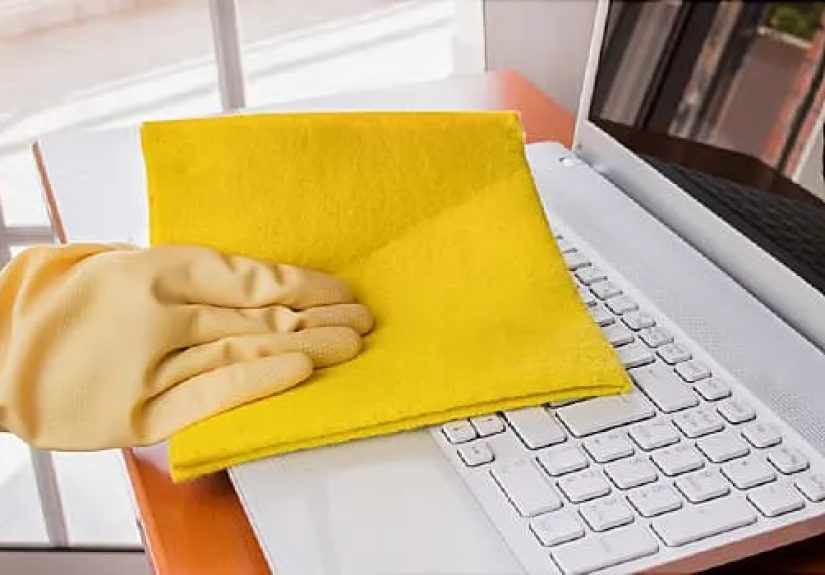
- Wipe surfaces with fragrance-free wipes (desk, keyboard, mouse). Dust is a delivery vehicle for allergens.
- Keep soft items minimal (blankets, extra throw pillows). Soft fabric collects dust like it’s getting paid.
- Store food properly and toss trash daily. Pests can worsen allergy triggers in buildings.
- Don’t block vents with boxes or jackets. It can mess with airflow and make the whole area feel stale.
Manage what you bring in from outdoors
- Outer layer strategy: If pollen is your nemesis, consider keeping a “work cardigan/jacket” and taking off the outdoor layer when you arrive.
- Hair and face rinse: If you commute through heavy pollen, a quick face wash (or at least a rinse) can help.
- Glasses over contacts during bad eye-allergy days can reduce irritation for some people.
Consider a mask… strategically
Not forever. Not dramatically. Just when triggers spikelike during vacuuming, dusting, or nearby construction. A well-fitting mask
can reduce exposure to particles (dust, pollen, some mold spores). If you try it, treat it like a tool, not a personality.
Step 3: Fix the Environment (Because Your Nose Is Not the Problem)
Workplace allergy symptoms often come from indoor air quality issues: ventilation, moisture, dust, fragrances, and chemical irritants.
The key idea is simple: control sources, improve ventilation, and use filtration.
Common workplace triggers (and what to look for)
- Dust and dirty vents: visible dust buildup, “it’s always dusty no matter what,” symptoms worse when HVAC runs
- Moisture and mold: musty odors, past leaks, ceiling stains, damp carpet, condensation around vents/windows
- Cleaning products: symptoms spike during/after cleaning; strong fragrance; throat/eye burning
- Fragrance exposure: perfume/cologne, plug-in air fresheners, scented soaps/lotions
- Renovation/construction: drywall dust, paint fumes, new carpet smell
- Pests: droppings, sightings, food left out; pest allergens can linger
Mold: what helps most (and what’s usually a distraction)
If you suspect mold, the priority is addressing water/moistureleaks, damp areas, humidity problemsand cleaning/remediation.
Routine “air testing” isn’t always the most useful first move. A practical building inspection and fixing dampness tends to be the biggest win.
Ventilation and airflow: small changes that matter
- Report “stuffy” areas and temperature/humidity extremes to facilities. Comfort issues often overlap with air-quality problems.
- Keep returns and supply vents clear so the system can actually do its job.
- Ask about HVAC filter upgrades if the building can accommodate them. Better filtration can reduce airborne particles.
Portable air purifier at your desk: worth it?
Sometimes. A well-sized purifier with a true HEPA filter can help reduce particle levels in your immediate space. But it’s a supplementnot a fix for a wet wall, a musty carpet,
or a scent cannon plugged into the outlet like it pays rent.
- Choose a unit sized for your room/area (bigger isn’t just louderit’s usually more effective).
- Replace filters on schedule (dirty filters don’t filter; they just vibe).
- Avoid “ozone” or “ionizer-heavy” products marketed as air cleaners for occupied spaces.
- Ask permission if your workplace has equipment rules.
Step 4: Talk to Your Workplace Without Sounding Like You’re Starting a War
A good approach is calm, specific, and solution-oriented. You’re not complaining that “air exists.” You’re reporting a workplace health issue
that affects your ability to workalong with practical steps to fix it.
Who to contact
- Your supervisor (to document the impact on work)
- Facilities/building management (for HVAC, leaks, cleaning schedules)
- HR (for accommodations, policy changes, and formal documentation)
- Safety committee / occupational health (if available)
What to say (copy/paste-friendly script)
“I’m having recurring allergy symptoms that worsen in the office, especially [location/time]. I’ve tracked it for [X] days and noticed it flares after
[cleaning/when HVAC runs/after rain/in conference room]. Could we look into [checking for leaks/dampness, ensuring vents are clear, reviewing cleaning products,
improving ventilation/filtration]? I’m happy to share my symptom log and work with you on practical solutions.”
Reasonable accommodations to consider
Depending on your job and workplace, options may include:
- Moving your desk away from a trigger area (near a damp wall, a printer zone, a high-traffic fragrance hallway)
- Work-from-home days during peak symptoms or while remediation happens
- Adjusting cleaning schedules (clean after hours; use fragrance-free products when possible)
- Implementing a fragrance-aware policy or “scent-reduced” expectations in shared spaces
- Providing a private workspace or improved ventilation in your area
In the U.S., allergies or chemical sensitivities can qualify for workplace protections in some situations, especially if they substantially limit a major life activity.
The details are case-by-caseso it helps to document symptoms, triggers, and the work impact, and to discuss it with HR and your healthcare provider if needed.
Step 5: Build a Smart Symptom-Control Plan (Without Accidentally Napping at Your Desk)
Medication and self-care can make a huge difference, especially when paired with reducing exposure. If you’re trying over-the-counter options,
aim for a plannot random pharmacy roulette.
Common treatment categories (general info)
- Second-generation antihistamines (often “non-drowsy”): helpful for sneezing, itch, runny nose. Some people still feel sleepy, so test on a low-stakes day.
- Intranasal corticosteroid sprays: often the most effective single option for ongoing nasal symptoms, but they work best with consistent use.
- Antihistamine nasal sprays: can work faster for some people; sometimes used with nasal steroids for tougher symptoms (often under clinician guidance).
- Eye drops for allergy eyes: helpful if your eyes are doing the “water feature” thing.
- Saline nasal rinse/spray: helps clear allergens and mucus; can be a good add-on.
A practical “workday-safe” approach
- If symptoms are seasonal or frequent: consider consistent daily management during your bad weeks (rather than waiting until you’re miserable).
- If symptoms spike at specific moments: pair exposure-control (mask during cleaning, move away from fragrance) with targeted relief.
- If you get drowsy: avoid sedating products before driving or safety-sensitive tasks. If you’re unsure, ask a pharmacist or clinician.
When to see an allergist or clinician
- Symptoms are frequent, persistent, or affecting sleep and productivity
- You suspect work-related asthma (wheeze, chest tightness, shortness of breath)
- You’ve tried basics and still feel awful
- You want testing to identify specific triggers
Longer-term option: immunotherapy (allergy shots)
If avoiding triggers is hard and symptoms remain stubborn, allergen immunotherapy (often called “allergy shots”) can reduce sensitivity over time for many people.
It’s a longer commitment, but it’s aimed at changing how your immune system reactsnot just putting a temporary lid on symptoms.
Step 6: Know the Red Flags (When It’s More Than “Just Allergies”)
Most workplace allergy issues are manageable, but some symptoms need prompt attention.
Get medical help urgently if you have
- Difficulty breathing, wheezing, or chest tightness that’s new or worsening
- Swelling of lips/tongue/face, hives, or signs of anaphylaxis
- Severe dizziness or fainting
Consider work-related asthma/irritant exposure if
- You’re short of breath mainly at work or after specific exposures (cleaning chemicals, fumes, dust)
- You improve away from work and worsen shortly after returning
- You need your rescue inhaler more at work (if you have one)
If this sounds like you, don’t “power through.” A clinician can evaluate whether this is allergic rhinitis, asthma, irritant-induced symptoms,
or something else entirely. Getting the label right helps you get the right fix.
Step 7: Build a Simple “After Work” Reset Routine
If your office environment is a trigger, a quick reset after work can reduce how much allergen you carry home (and how much you marinate in it all evening).
- Change clothes when you get home (especially during pollen season).
- Rinse face/eyes, and consider a saline rinse if that helps you.
- Hydratedry air plus mouth breathing is a miserable combo.
- If you use nasal sprays, use them consistently as directed during your worst weeks.
Real-World Experiences: “Allergies at Work” Scenarios People Commonly Report (and What Helped)
Below are experience-based scenarioscomposites of situations many employees describe when dealing with workplace allergies.
Names are fictional, details are blended, and the sneezes are unfortunately believable.
1) The Perfume Cloud in the Elevator
“Maya” noticed her symptoms weren’t constantshe could be fine for hours, then suddenly her eyes burned and she started sneezing like a cartoon character.
The pattern: it happened right after the morning elevator rush and again after lunch. The trigger wasn’t pollen; it was fragrance exposure in shared spaces.
What helped wasn’t a dramatic confrontation. She talked to HR and suggested a simple, non-judgmental message: “For health reasons, please avoid strong scents in shared areas.”
She also moved her desk away from the main hallway where people passed close by, and she kept fragrance-free wipes for her desk.
The result wasn’t a perfectly scent-free universe (we don’t live in one), but the “peak exposure moments” droppedand so did her symptoms.
2) The Conference Room That Smelled Like “Wet Cardboard”
“Jordan” only felt bad during meetingsstuffy nose, watery eyes, and a headache that showed up like it had a calendar invite.
He finally connected it to one specific conference room that had a faint musty smell and a ceiling tile stain.
Instead of asking for “mold testing” as a first step, he reported the observable issue: the stain, the odor, and symptom pattern tied to that room.
Facilities found a minor leak and damp materials that needed remediation. Meetings moved to a different room while repairs happened.
The biggest lesson: focusing on moisture and visible building issues often gets faster action than arguing about lab results.
3) The “It’s Renovation Season” Dust Festival
“Sam” worked near an area being remodeled. Even with plastic sheeting, fine dust traveledlanding on his desk, irritating his nose, and making his throat scratchy.
He started by doing what he could: wiping surfaces daily, keeping his work area uncluttered, and using a well-fitting mask during the dustiest times.
Then he asked for two workplace changes that were surprisingly reasonable: improved containment during work hours and scheduling the messiest tasks after hours when possible.
He also requested to temporarily relocate farther from the renovation zone. Small changes mattered because they reduced daily exposure.
When the renovation ended, so did most of the symptomswhich was the ultimate “diagnostic test.”
4) The Cleaning Crew’s “Fresh Scent” That Wasn’t Fresh to Anyone with Allergies
“Alyssa” felt fine most daysexcept Tuesdays. Every Tuesday afternoon her eyes watered and she started coughing lightly.
Turns out Tuesday was the deep-clean day, and the products were heavily fragranced. She didn’t demand the impossible.
She asked for: (1) cleaning her area after hours, (2) using lower-fragrance or fragrance-free options where feasible, and (3) making sure trash was removed promptly.
HR framed it as an indoor air quality comfort issue, not a personal feud with Lemon-Spring-Breeze-Explosion™.
Over time, they swapped a few products and adjusted timing. Her Tuesday symptoms improved without anyone losing their identity.
5) The “Office Plants Are Cute” Problem
“Chris” loved the office vibeuntil the plants arrived. Watered planters and damp soil can contribute to musty odors and, in some cases, mold growth.
His symptoms were subtle at first: congestion and itchy eyes that got worse near the plant wall.
The fix wasn’t banning all greenery forever. Facilities adjusted maintenance: proper watering schedules, removing standing water, and relocating the most problematic plants away from workstations.
Chris also moved seating so he wasn’t right next to the dampest area. The big takeaway: many “allergy triggers” are maintenance issues,
and maintenance issues can often be solved without turning the office into a sterile cube farm.
Across these scenarios, the pattern is consistent: the best results come from a two-track plan
(1) reduce exposure in the environment and (2) manage symptoms with a consistent, work-friendly routine.
You don’t need to do everything at once. Start with the most obvious trigger, make one or two changes, and build momentum.
Conclusion
If allergies are making work miserable, treat it like any other workplace problem: identify the cause, reduce exposure, and use the right tools.
Start with quick desk-level fixes, then escalate to building-level solutions (ventilation, moisture control, fragrance reduction) with calm documentation.
Pair that with a sensible symptom plan, and you can often turn “daily misery” into “occasionally annoying,” which is a huge quality-of-life upgrade.