Table of Contents >> Show >> Hide
- Why Polymer Clay Earrings Feel So Special
- What Makes My Polymer Clay Earrings One of a Kind
- How Polymer Clay Earrings Are Made
- Popular Styles for Polymer Clay Earrings
- Why Handmade Earrings Matter More Than Ever
- How to Style One-of-a-Kind Polymer Clay Earrings
- Caring for Polymer Clay Earrings
- The Joy of Making Earrings That No One Else Has
- My Experience Making One-of-a-Kind Earrings From Polymer Clay
- Conclusion
Some people collect earrings. I make them. Specifically, I make one-of-a-kind earrings from polymer clay, which is a fancy way of saying I spend an unreasonable amount of time turning tiny slabs of colorful clay into wearable art and then acting shocked when strangers say, “Wait, you made those?” Yes. Yes, I did. And now I will happily talk about it for far too long.
Polymer clay earrings have earned a loyal following for good reason. They are lightweight, colorful, surprisingly durable when cured properly, and endlessly customizable. You can make bold statement earrings, minimalist studs, modern geometric dangles, floral designs, abstract swirls, marbled finishes, or pieces that look like they belong in a tiny wearable museum. In other words, polymer clay does not believe in boring jewelry.
This article explores what makes polymer clay earrings so special, how they are made, why handmade pairs feel more personal than mass-produced accessories, and what I have learned from creating earrings that are imperfect in the best possible way. If you love handmade jewelry, unique accessories, and the idea of wearing something no one else on earth owns, pull up a chair. Preferably one that is not already covered in clay dust.
Why Polymer Clay Earrings Feel So Special
The magic of polymer clay starts with its flexibility, both literally and creatively. Before baking, it is soft enough to shape, roll, stamp, carve, layer, and texture. After curing, it becomes firm and wearable. That transformation is part of what makes the material so satisfying for artists and so appealing for buyers.
Unlike metals that require torches or glass that requires kilns, polymer clay gives makers a more approachable way to create jewelry with professional-looking results. It can be mixed into custom colors, blended for gradients, shaped into clean modern forms, or turned into designs that feel playful and organic. A pair of earrings can look sleek and architectural one day, then whimsical and fruit-inspired the next. Polymer clay does not care about genre. It is here for range.
Another reason one-of-a-kind earrings stand out is their weight. Big earrings often come with a hidden cost: sore ears and quiet regret. Polymer clay solves that problem beautifully. Many statement designs remain comfortable enough for all-day wear, which means you can serve drama without your earlobes filing a formal complaint.
What Makes My Polymer Clay Earrings One of a Kind
“One of a kind” is more than a cute phrase for handmade product listings. In polymer clay jewelry, it often describes the real nature of the medium. Even when a maker starts with the same cutter, the same color palette, and the same design plan, no two pieces turn out exactly alike. Slight shifts in texture, marbling, hand mixing, surface details, and finishing create subtle differences that make each pair distinct.
Color Mixing Creates Original Results
One of the biggest joys of working with polymer clay is color mixing. You can combine shades to create muted earth tones, bright candy colors, moody jewel tones, soft pastels, or rich neutrals. A terracotta base mixed with cream and a hint of rust can feel warm and modern. Add black-and-white marbling and suddenly the same design becomes bold and artsy. No factory finish can quite match the charm of hand-mixed color.
Texture Adds Personality
Texture is where handmade earrings start speaking with their own voice. Some pieces are smooth and polished, while others carry subtle pressed patterns, hand-cut ridges, terrazzo flecks, floral impressions, or organic edges. These details give polymer clay earrings dimension and character. They also make them feel human, which is a compliment in a world full of things that look suspiciously identical.
Small Variations Make Handmade Jewelry Better
Mass-produced jewelry is trained to be identical. Handmade jewelry is allowed to have personality. That tiny difference in a curve, that slightly varied swirl, that little touch of asymmetry that somehow makes the pair feel more alive those are not flaws to hide. They are the fingerprints of the process. When I make polymer clay earrings, I am not chasing clone-level perfection. I am aiming for artistry, balance, and charm.
How Polymer Clay Earrings Are Made
Behind every finished pair is a process that involves design decisions, patience, and at least one moment where you wonder whether the oven is a friend or a villain. Making polymer clay jewelry is part craft, part experimentation, and part trusting the process even when your worktable looks like a confetti tornado hit it.
Step 1: Conditioning the Clay
Before anything cute happens, the clay needs to be conditioned. This means kneading, rolling, and working it until it becomes smooth and pliable. Proper conditioning helps improve consistency and reduces problems like cracking or weak spots later. It is not the glamorous part of jewelry making, but neither is washing makeup brushes and we still pretend that is self-care.
Step 2: Shaping and Designing
Once the clay is ready, it can be rolled into sheets and cut into shapes. Some makers use geometric cutters for clean lines, while others hand-cut pieces for a more organic look. This is where the fun really begins. You can layer arches, circles, half-moons, teardrops, and abstract forms into endless combinations. You can stamp patterns, add tiny sculpted details, or blend colors into marbled designs that look like wearable modern art.
Step 3: Baking and Curing
Polymer clay earrings become durable through oven curing. Temperature and timing matter because underbaked clay may stay weak, while overheating can damage the finish. Careful makers watch this step closely, often using an oven thermometer for consistency. Once cured properly, the clay becomes much stronger and ready for finishing.
Step 4: Sanding, Buffing, and Finishing
After baking, the pieces can be refined. Edges may be sanded, surfaces buffed, and some designs finished with resin or gloss for shine. Others are left matte for a soft, velvety look. Neither choice is wrong. A glossy pair can feel polished and bold, while a matte pair can look understated and modern. It all depends on the design mood and whether the earrings are saying “gallery opening” or “cool brunch with excellent coffee.”
Step 5: Assembly
The final step is turning shaped clay into wearable earrings. Jump rings, posts, hoops, and hooks connect the components and give the design movement. Hardware matters more than people realize. A beautiful clay piece paired with poor findings is like serving cake on a paper towel. Technically possible, emotionally disappointing.
Popular Styles for Polymer Clay Earrings
The best thing about polymer clay earrings handmade is that there is no single correct style. The material can adapt to trends while still leaving room for originality.
Modern Minimalist Earrings
These designs often use arches, circles, bars, and soft neutral tones. They pair beautifully with everyday outfits and appeal to people who want artistic jewelry without too much flash. Think clean lines, muted colors, and that effortless “I just happen to be stylish” energy.
Bold Statement Earrings
Large abstract shapes, vivid colors, dramatic dangles, and layered pieces all fit into this category. Because polymer clay is lightweight, statement earrings can be oversized without becoming uncomfortable. That is very good news for anyone who enjoys accessories that arrive before they do.
Floral and Nature-Inspired Designs
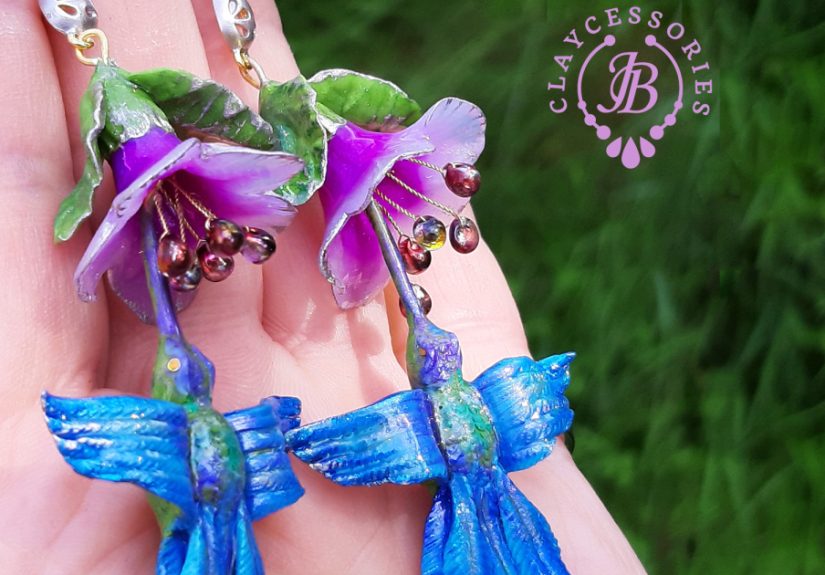
Flowers, leaves, fruit shapes, mushrooms, moons, and botanical textures remain popular because polymer clay handles detail beautifully. These earrings often feel playful, romantic, or slightly whimsical, which is ideal if your jewelry preferences live somewhere between garden party and tiny enchanted forest.
Terrazzo, Marble, and Abstract Art Styles
Mixed-color chips, swirls, and painterly patterns create pieces that feel contemporary and creative. These styles highlight the material itself and often make every pair naturally unique. The beauty is in the variation, which means there is less pressure to force the clay into robotic precision.
Why Handmade Earrings Matter More Than Ever
There is something meaningful about wearing jewelry made by hand. In a sea of fast fashion and bulk production, handmade accessories offer a more personal connection. You are not just buying an object. You are buying time, design decisions, craftsmanship, and a story.
When someone wears a pair of handcrafted polymer clay earrings, they are wearing evidence of human creativity. Every stage reflects intention, from color selection to composition to finishing details. That effort shows. It is why handmade earrings often feel warmer, more expressive, and more memorable than pieces pulled from a generic retail rack under lighting bright enough to expose your pores.
For makers, the process is equally meaningful. Creating jewelry by hand invites experimentation and self-expression. A new pair can begin with a sketch, a color mood, a scrap of leftover clay, or a random burst of inspiration during breakfast. Suddenly a pair of earrings exists that did not exist that morning. That is a small but wonderful kind of magic.
How to Style One-of-a-Kind Polymer Clay Earrings
One reason these earrings have become so loved is that they are easy to style. They can lean artsy, boho, modern, playful, or polished depending on the design.
For Everyday Looks
Simple arches, studs, and neutral dangles work beautifully with jeans, sweaters, button-down shirts, and casual dresses. They add personality without trying too hard, which is the fashion equivalent of being funny at a party without hijacking the microphone.
For Work or Creative Settings
Abstract patterns, muted marbling, and geometric shapes can elevate a work outfit while still feeling wearable. They are especially great for creative professionals who want accessories that look intentional but not costume-like.
For Events and Gifting
Polymer clay earrings also make wonderful gifts because they can be tailored to someone’s taste. Whether the recipient loves florals, minimalist neutrals, quirky food jewelry, celestial motifs, or bold statement pieces, handmade designs can feel more thoughtful than off-the-shelf options. They say, “I know your style,” which is much sweeter than saying, “This was near the checkout counter.”
Caring for Polymer Clay Earrings
Although cured polymer clay is durable, it still deserves basic care. Store earrings in a dry place, avoid tossing them loose into overcrowded bags, and clean them gently when needed. If a design includes resin, metal hardware, or delicate details, treating it thoughtfully will help it last longer.
That does not mean the earrings are fragile drama queens. Properly made polymer clay jewelry can hold up well to regular wear. But like most handmade things, it appreciates a little respect. So maybe do not squash your favorite pair beneath a water bottle, six lip products, old receipts, and a granola bar fossil at the bottom of your tote.
The Joy of Making Earrings That No One Else Has
The best part of creating unique polymer clay earrings is knowing that each pair has its own identity. Even when I revisit the same design concept, I never get an exact duplicate. A swirl shifts. A texture lands differently. A color blend surprises me. The final pair becomes something new.
That unpredictability keeps the process exciting. It also keeps the work honest. Handmade art is not about controlling every molecule into submission. It is about collaborating with the material, making thoughtful choices, and leaving just enough room for the piece to become itself.
My one-of-a-kind earrings from polymer clay are not special because they are perfect. They are special because they carry intention, experimentation, and creativity in every detail. They are lightweight but expressive, playful but polished, artistic but wearable. Most of all, they feel personal both to make and to wear.
And honestly, that may be the biggest charm of all. Anyone can buy earrings. Not everyone gets to wear a tiny original artwork that started as a block of clay and a very determined idea.
My Experience Making One-of-a-Kind Earrings From Polymer Clay
When I first started making polymer clay earrings, I thought I would approach it in a very calm, methodical, sophisticated way. I imagined myself working in a spotless studio, carefully arranging color palettes, and producing elegant little masterpieces while soft instrumental music played in the background. What actually happened was this: I covered my table in clay, got lint on everything, forgot which cutter I had just used, and became emotionally invested in whether a tiny peach-colored arch looked “balanced.” So yes, the artist journey began exactly as nature intended.
Still, I was hooked almost immediately. There is something deeply satisfying about taking a plain block of clay and turning it into a pair of earrings that feels stylish, personal, and genuinely fun to wear. Every stage has its own little thrill. Conditioning the clay feels like warming up for something good. Mixing colors feels like stealing secrets from a paint box. Cutting shapes is oddly satisfying, especially when the edges come out clean and crisp. Even baking, which is the most nerve-racking step, has its charm. You put soft little pieces into the oven and pull out actual jewelry. It feels slightly illegal, like you have discovered a cheat code for accessories.
Over time, I learned that the best pieces usually happen when I stop trying to force perfection. Some of my favorite earrings started as experiments. A marbled pattern that looked questionable on the tile suddenly became gorgeous after baking. A weird leftover color mix turned into the exact earthy neutral I had been trying to create for weeks. A shape I almost threw away became the star of a finished pair once I added texture and a gold hoop. Polymer clay has a way of rewarding curiosity.
I also learned to appreciate the little quirks that make handmade jewelry feel alive. No matter how carefully I measure or plan, every pair ends up with tiny differences. At first, I fought that. Now, I love it. Those subtle variations make the earrings feel human. They remind me that something real was made here, by hand, with attention and patience and probably at least one cup of coffee sitting nearby.
The most rewarding part is seeing someone respond to a finished pair. When a person picks up the earrings, turns them in the light, smiles at the colors, and says, “These are so me,” that is the moment everything clicks. The hours of designing, rolling, baking, sanding, assembling, and second-guessing suddenly make perfect sense. The earrings are no longer just a craft project. They become part of someone’s style, mood, or memory.
That is why I keep making them. Not because every batch is flawless. Definitely not because I enjoy searching for runaway jump rings on the floor. I keep making them because polymer clay gives me room to create pieces that feel joyful, expressive, and impossible to duplicate exactly. Each pair tells a slightly different story. And in a world packed with mass-produced stuff, that kind of originality feels pretty wonderful.
Conclusion
My one-of-a-kind earrings from polymer clay are more than cute accessories. They are small pieces of wearable art shaped by color, texture, creativity, and a hands-on process that makes every pair feel personal. From minimalist arches to bold statement designs, polymer clay offers the freedom to create earrings that are lightweight, stylish, and impossible to mass-produce with the same soul. That is what keeps this craft so exciting. Every pair begins with possibility and ends with something that feels original. And honestly, that is a lovely thing to wear on your ears.