Table of Contents >> Show >> Hide
- What “Nails Covered” Actually Means
- Are Nail Caps Safe and Humane?
- Cats vs. Dogs: Same Idea, Different Goals
- How Long Do Pet Nail Caps Last?
- How to Apply Nail Caps Without Losing Your Mind
- Common Mistakes That Make Nail Caps Fail
- Best Use Cases for “My Pets Got Their Nails Covered” Households
- A Practical Plan That Actually Works
- 500-Word Experience Section: A Realistic Owner-Style Story
- Final Takeaway
If you’ve ever heard the tiny click-click-click of claws on hardwood at 2 a.m., or watched your couch become a “limited edition shredded art installation,” this article is for you. “My pets got their nails covered” might sound like a beauty salon update, but for a lot of pet parents, nail covers (also called nail caps) are part of a smart, humane plan for protecting furniture, floors, skin, and peace of mind.
The short version: nail caps can be a helpful tool for some cats and dogs, but they work best when paired with training, nail care, and realistic expectations. They are not magic. They are not a substitute for behavior support. They are often a practical bridge between “I love my pet” and “I also love not replacing my sofa every year.”
In this guide, we’ll break down what nail caps are, how they work, when they help, common mistakes, safety tips, and what I’d recommend if your household includes both a scratch-happy cat and a floor-skating dog.
What “Nails Covered” Actually Means
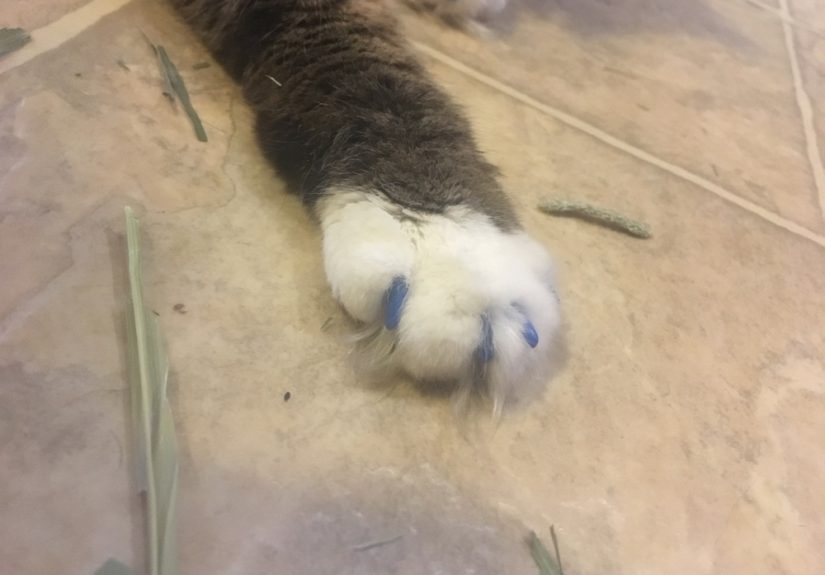
Pet nail covers are small caps (usually vinyl or soft plastic) that fit over the nail and are attached with pet-safe adhesive. They don’t remove the nail, and they don’t stop the normal impulse to scratch. Instead, they blunt the sharp point so the motion causes far less damage.
That’s a key distinction. Your cat can still stretch, knead, and go through scratching motions. Your dog can still walk, play, and exist as a dog-shaped tornado. The goal is damage control, not personality removal.
Why pet owners use nail caps
- To reduce scratches on furniture, doors, walls, and flooring
- To protect skin (especially for kids, seniors, or people with fragile skin)
- To support pets during behavior training or redirection
- To help some dogs with specific scratching-related issues (such as self-trauma from scratching)
- To add traction support in certain situations for dogs on slippery floors (case-dependent)
In other words: nail caps are less “fashion accessory,” more “home-management strategy with bonus sparkle options.”
Are Nail Caps Safe and Humane?
For many pets, yeswhen used correctly. Properly fitted nail caps are generally considered a humane alternative to declawing for cats, and many pet owners use them successfully on dogs as well. The biggest problem isn’t usually the concept itself; it’s poor sizing, rushed application, or forcing a terrified pet through the process.
What makes them humane (when used properly)
- No surgical alteration of the paw
- No removal of the nail
- No need to stop natural scratching behavior entirely
- Temporary and replaceable
- Can be combined with training and environmental changes
That said, “humane” depends on how the human behaves. If application turns into a wrestling match with a panicked pet, the stress may outweigh the benefit. A calm, gradual approach matters just as much as the product itself.
When to pause and ask your vet first
- Your pet has nail infections, broken nails, bleeding, or paw pain
- Your pet has severe anxiety around paw handling
- Your pet is constantly chewing at the caps
- You’re unsure about sizing or application technique
- Your dog has mobility issues and you’re considering caps for traction (you may need a different product type)
Bottom line: nail caps can be safe and useful, but they’re not a “slap ’em on and hope for the best” situation.
Cats vs. Dogs: Same Idea, Different Goals
People often lump cat nail caps and dog nail caps into one category, but owners usually buy them for different reasons.
For cats: furniture protection and scratch management
Cat owners usually reach for nail caps when scratching is damaging furniture or causing skin scratches. Nail caps are often used alongside:
- Regular nail trims
- Scratching posts and pads
- Positive reinforcement training
- Furniture protectors
- Environmental enrichment (play, climbing, routine)
This is important because scratching is normal cat behavior. Cats scratch to stretch, mark, and maintain their claws. If you only block the damage but don’t provide appropriate scratching options, your cat may still go looking for “that one irresistible couch corner.” (You know the one.)
For dogs: floor protection, scratch reduction, and special cases
Dog owners may use nail caps to reduce floor scratches, soften the impact of jumping/scratching, or help with certain grooming and skin-related situations. Some rehabilitation and sports medicine discussions also mention nail traction products (including certain nail caps) as one option among several for dogs on slippery surfaces.
But here’s the truth: dogs are not just “big cats with opinions.” Some dogs tolerate nail caps beautifully. Others remove them like they’re training for a tiny escape-room championship. Success depends on the dog’s activity level, chewing habits, nail shape, and how well they were introduced to the process.
How Long Do Pet Nail Caps Last?
Most owners can expect nail caps to last about 4 to 6 weeks, though real life varies. Some cats keep them longer. Some pets fling one off on day three and act very proud about it. Growth rate, grooming behavior, activity level, and fit all affect longevity.
What affects wear time
- Fit and sizing: Too loose = caps pop off. Too tight = discomfort risk.
- Application technique: Too much or too little adhesive can reduce hold.
- Pet behavior: Groomers, chewers, and rough players may lose caps faster.
- Nail growth: Faster-growing nails = faster replacement cycle.
- First-time adjustment period: New wearers often lose a few early.
A good rule is to check nails regularly and replace caps as needed instead of waiting until the whole set disappears like socks in a dryer.
How to Apply Nail Caps Without Losing Your Mind
Application is simple in theory: trim nail, add adhesive to cap, slide cap on, let it set. In practice, the real challenge is your pet’s opinion about this plan.
Step 1: Start with paw-handling practice
If your pet hates paw handling, don’t begin with full application day. Begin with short sessions: touch shoulder, move down the leg, touch paw, reward. Repeat. For dogs especially, fear-free nail handling makes a huge difference in long-term success. A cooperative pet is safer than a restrained pet.
Step 2: Trim nails first
Most nail caps fit best after a fresh trim. You only need to trim the tipnever rush near the quick. If you’re not confident trimming, ask your veterinarian or groomer for a demo. This is one of those “five minutes of instruction can save everyone drama” moments.
Step 3: Choose the correct size
Sizing matters more than color. (Yes, the glitter ones are cute. No, cute does not override physics.) Follow the brand’s sizing guide carefully. A cap that is too large can twist or fall off; one that is too small can be uncomfortable and inappropriate.
Step 4: Use a small amount of adhesive
Add a modest amount of adhesive inside the cap, then slide it onto the nail. You want coverage and holdnot overflow. Excess glue creates mess, stress, and regret.
Step 5: Reward immediately
Treats, praise, a favorite meal, a lick mat, or playtime can help your pet associate the experience with something positive. For cats, timing matters: a snack right after application can redirect attention away from “what is on my feet and why.”
Step 6: Observe, don’t obsess
Watch for normal walking, no visible distress, and no intense chewing. A few minutes of “What fresh nonsense is this?” behavior can be normal. Persistent distress is not.
Common Mistakes That Make Nail Caps Fail
1) Using caps instead of training
Nail caps protect surfaces, but they don’t teach your cat where to scratch. If you skip scratch-post setup and redirection, you’re treating the symptom, not the habit.
2) Giving only one scratching option
Cats can be wonderfully specific. One cat loves vertical sisal. Another wants horizontal cardboard. Another wants a sturdy post right next to the couch because of course they do. Variety is not indulgentit’s strategic.
3) Placing the scratcher in the wrong spot
If your cat scratches near the entryway or the sofa, place the scratcher there first. “Across the house in the guest room” is not a meaningful compromise from your cat’s perspective.
4) Forcing the pet during application
Holding a pet down to “get it over with” can create fear around future grooming. Slow progress is still progress. Fast panic is a setback.
5) Ignoring chewing or repeated cap loss
If your dog chews them off repeatedly or your cat removes them right away every time, reassess fit, technique, timing, and whether nail caps are the best tool for that pet.
Best Use Cases for “My Pets Got Their Nails Covered” Households
Nail caps can be especially helpful in households where one solution won’t cut it. Think:
- Multi-pet homes: one cat scratches furniture while one dog scratches doors
- Homes with hardwood floors: dog nails leave visible marks
- Families with children or seniors: reducing accidental scratches matters
- Pet introductions: temporary extra protection while everyone adjusts
- Rental homes: damage prevention becomes a financial issue, not just a cosmetic one
In these situations, nail caps often work best as a temporary management tool while you build better long-term habits: trimming routines, scratching stations, mats/runners, enrichment, and training.
A Practical Plan That Actually Works
If you want a realistic, low-chaos approach, try this combo plan:
For cats
- Trim claws on a schedule (or get help)
- Use nail caps on front claws if needed
- Provide 2–4 scratching surfaces (vertical + horizontal)
- Place scratchers near problem areas
- Reward scratching the right surfaces
- Use furniture protectors temporarily
For dogs
- Maintain regular nail care (trim or grind)
- Use nail caps when needed for scratch/floor protection
- Introduce slowly with rewards and calm handling
- Evaluate traction needs (rugs/runners, paw products, or vet rehab advice)
- Check caps regularly for loss, chewing, or discomfort
That’s the difference between a smart grooming solution and a package of abandoned nail caps in a junk drawer next to three mystery batteries and a takeout soy sauce packet.
500-Word Experience Section: A Realistic Owner-Style Story
Example experience narrative (publishable first-person style):
I decided to try nail caps after one week that included a scratched coffee table, a snagged sweater, and my dog doing full-speed hallway zoomies that sounded like someone shaking a bucket of screws. I wasn’t looking for a miracle. I was looking for a little less damage and a little more control.
My cat was the first test subject. She is sweet, dramatic, and deeply suspicious of any plan I create. I started with paw handling for a few days instead of jumping straight into application. Just a quick touch, a treat, and done. By day three, she stopped looking at me like I was plotting a felony. I trimmed the tips of her front nails, used the size guide carefully, and applied the caps one paw at a time. The first paw went great. The second paw turned into interpretive dance. We took a break, reset, and finished later.
For the first ten minutes, she walked like she was wearing tiny moon boots. Then she ate a snack, glared at me for theatrical effect, and went back to her usual routine. The biggest surprise was that she still used her scratching post immediately. Same scratching behavior, less damage. That was exactly what I wanted. She did groom at the caps a little during the first day, and one cap came off early, but replacing a single cap was much easier than doing a full set.
My dog was a different story because his issue wasn’t furniture scratchingit was floor scratching and occasional wild greetings. I used nail caps mainly to soften the nail impact and protect the hardwood. He tolerated paw handling better than the cat, but he also noticed the caps faster and tried to inspect them with his teeth. I learned quickly that distraction and reward timing matter. A frozen lick mat during and after application made a huge difference. So did doing fewer nails per session instead of insisting on all four paws in one heroic attempt.
What worked best in our house was treating nail caps as part of a system, not the whole system. I added a runner rug in the hallway, kept up with nail trims, and upgraded the cat’s scratching setup with a sturdier post near the couch. Once I did that, the nail caps stopped feeling like a desperate fix and started feeling like a useful maintenance tool.
The honest review? Nail caps are not magic, and they are not for every pet. But for my pets, they bought me time, saved my furniture, reduced accidental scratches, and lowered my stress while I worked on better routines. Also, I’d be lying if I said I didn’t enjoy the tiny colored caps. If your house currently sounds like tap-dancing raccoons, nail caps might be worth tryingjust bring patience, treats, and a sense of humor.
Final Takeaway
“My Pets Got Their Nails Covered” can be a cute sentence, but it also describes a genuinely useful, humane strategy for many homes. Nail caps are best used as a temporary or ongoing management tool alongside nail care, training, enrichment, and smart setup changes. If your goal is to protect your home and respect your pet’s natural behavior, that combination is the sweet spot.
And remember: if your pet strongly resists nail handling, don’t turn grooming into a showdown. A veterinarian or experienced groomer can help you build a safer, calmer routine. Your couchand your petwill thank you.