Table of Contents >> Show >> Hide
- What Is the Naji Decorative Pillow?
- Why the Naji Decorative Pillow Looks More Expensive Than It Has Any Right To
- Best Places to Use the Naji Decorative Pillow
- How to Style the Naji Decorative Pillow Without Overdoing It
- Material, Construction, and Everyday Use
- How to Care for a Decorative Pillow Like Naji
- Is the Naji Decorative Pillow Worth It?
- Longer Experience: What It Feels Like to Decorate With a Pillow Like Naji
- Conclusion
- SEO Tags
Some home upgrades require a budget, a ladder, and an emotional support snack. The Naji Decorative Pillow is not one of them. This is the kind of accent piece that can make a sofa look intentional, a bed look styled, and a reading chair look like it has finally found its purpose in life. In a world crowded with bland throw pillows that seem designed by a committee of oatmeal enthusiasts, Naji feels more personal, more collected, and much more interesting.
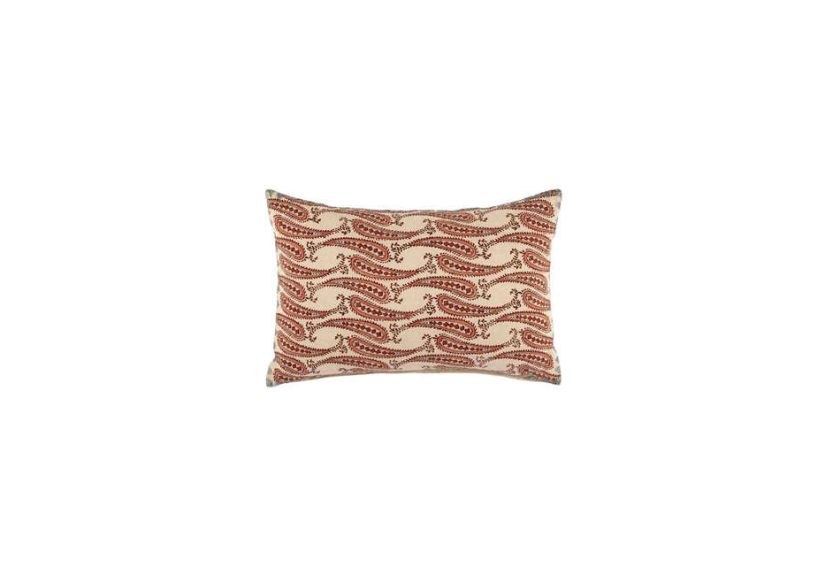
Originally associated with John Robshaw and known for its handcrafted details, the Naji Decorative Pillow has the sort of design story that makes décor lovers perk up immediately. It combines artisan-inspired pattern, a practical rectangular format, and the kind of texture that gives a room dimension instead of just taking up space. That matters because decorative pillows are not just fluff with good publicists. They are one of the easiest ways to introduce pattern, soften a room, and create a layered, lived-in look without replacing your sofa, repainting the walls, or pretending you enjoy assembling furniture.
This guide takes a close look at what makes the Naji Decorative Pillow special, how to style it in real rooms, what to know about material and care, and why a single well-chosen pillow can do more heavy lifting than people give it credit for. Then, because a good pillow deserves a little extra stage time, you’ll also find a longer section on real-life experiences and practical decorating moments inspired by living with a piece like this.
What Is the Naji Decorative Pillow?
The Naji Decorative Pillow is best understood as a high-character accent pillow with an artisan look. Its appeal is not based on gimmicks or trendy slogans stitched in cursive. It stands out because it blends decorative pattern with craftsmanship. The rectangular shape gives it a slightly more tailored feel than a standard square throw pillow, which makes it useful for both styling and comfort. It can sit neatly in front of larger pillows on a bed, anchor the middle of a sofa arrangement, or bring a bit of order to an accent chair that has been looking emotionally unavailable.
What gives Naji its charm is the mix of visual detail and tactile appeal. Handcrafted decorative pillows tend to feel warmer and more collected than mass-produced options because they show subtle variation. That slightly imperfect, richly textured look is often exactly what designers want when a room feels too polished, too flat, or too “show home that nobody actually lives in.”
Another important point is proportion. A rectangular pillow can be easier to style than a bulky square when you want a layered look that still feels practical. On a sofa, it helps break up repetition. On a bed, it acts like a finishing stroke. On a bench, it says, “Yes, this corner was designed on purpose,” even if the corner came together during a fifteen-minute cleanup sprint before guests arrived.
Why the Naji Decorative Pillow Looks More Expensive Than It Has Any Right To
Good decorative pillows do not scream for attention. They create interest through pattern, scale, edging, material, and placement. Naji checks those boxes in a way that feels collected rather than chaotic. That matters because many rooms go wrong in one of two directions: either they are so neutral they look afraid of joy, or they are so over-accessorized that the sofa disappears under a mountain of “statement” pieces all trying to give the same speech.
The Naji Decorative Pillow works because it balances decorative detail with restraint. Its artisan-inspired print gives it personality. Its size keeps it versatile. Its finished edges and concealed closure make it feel refined. And its textile blend offers enough texture to read as special without becoming too fussy for everyday use.
It Brings Pattern Without Starting a Fight
One reason people hesitate to buy patterned pillows is fear. Real fear. Pattern can feel risky when everything else in the room is solid. But one well-scaled accent pillow often works better than a pile of random prints. A piece like Naji can bridge colors already in the room and give the eye somewhere to land. Instead of feeling loud, it can make the whole space feel more cohesive.
It Adds Texture, Which Is the Secret Sauce of Great Rooms
Texture is what keeps a room from feeling flat. Even when your palette is quiet, textural contrast creates richness. A decorative pillow with visible stitching, woven character, or handcrafted print introduces that contrast immediately. Pair a pillow like Naji with linen upholstery, a soft throw, wood tones, or a nubby rug, and suddenly the room has layers. Not drama. Layers. Much better for daily life.
It Has That “Collected, Not Clicked in a Panic at Midnight” Energy
There is a difference between a room that looks assembled and a room that looks curated. The first one says, “I needed five items and bought five items.” The second says, “I’ve lived, edited, swapped, and chosen.” Decorative accents with artisan qualities help create that second feeling. Naji fits especially well in homes that lean eclectic, global, transitional, bohemian, organic modern, or relaxed traditional.
Best Places to Use the Naji Decorative Pillow
The beauty of a pillow like this is flexibility. It is decorative, yes, but not so precious that it only works in one corner of one room next to a candle nobody lights.
On a Sofa
This is the most obvious home for the Naji Decorative Pillow, and probably the strongest one. A rectangular accent pillow can sit in the center of a sofa arrangement or slightly off-center for a more casual look. If your sofa already has two larger square pillows, Naji can act as the smaller front layer that makes the arrangement feel finished.
On a Bed
On a bed, a pillow like Naji works beautifully in front of sleeping pillows and Euro shams. It adds polish without creating that annoying bedtime ritual where you have to remove eleven decorative items just to find your blanket. The rectangular shape is especially useful here because it reads as decorative but stays streamlined.
On an Accent Chair or Reading Nook
A single pillow on a chair can completely change how intentional the chair looks. Naji’s size and visual character make it a smart choice for an occasional chair, window seat, or small bench. It can also soften leather seating, which often benefits from the warmth of textile contrast.
In Seasonal Rotations
If you like to refresh a room without redecorating from scratch, decorative pillows are the easiest legal form of interior design cheating. A pillow like Naji can transition nicely across seasons. Pair it with lighter neutrals and airy textures in spring and summer, then add richer throws, darker woods, and warm-toned accents in fall and winter.
How to Style the Naji Decorative Pillow Without Overdoing It
The trick with decorative pillows is simple: enough to look styled, not so many that your furniture becomes ceremonial. A pillow like Naji works best when you give it breathing room.
Use It as the Accent, Not the Backup Singer
If Naji has the most pattern in the grouping, let the surrounding pillows stay quieter. Use solids, subtle stripes, or low-contrast textures around it. This keeps the arrangement balanced and makes the patterned pillow feel intentional.
Mix Shapes and Scales
Designers often recommend varying pillow sizes and shapes because repetition can look stiff. A rectangular pillow like Naji pairs well with larger square pillows behind it. That creates depth and helps the sofa or bed feel more layered. Think of it as building an outfit: you need the jacket and the accessories, not five jackets all at once.
Follow a Loose Rule of Three
Odd-numbered groupings often feel more natural. On a sofa, that might mean two larger pillows and Naji in front. On a bed, it could mean standard pillows, Euro shams, and one rectangular accent. This approach looks polished without becoming too symmetrical or too stiff.
Let Color Echo Elsewhere in the Room
A decorative pillow works hardest when it picks up a color already present in art, a rug, or a throw. That creates visual rhythm. If Naji includes muted blues, earthy neutrals, or soft warm tones, repeat one of those somewhere else in the room so the pillow feels connected rather than random.
Material, Construction, and Everyday Use
One reason the Naji Decorative Pillow feels elevated is that it is not trying to pass off shiny synthetic fabric as luxury. A linen-cotton blend gives a pillow a relaxed but refined feel. Linen contributes texture and breathability. Cotton adds softness and everyday familiarity. Together, they create a cover that feels substantial without becoming stiff.
Craft details matter too. Hidden zippers create a cleaner finish. Hand-stitched edging makes a pillow look more tailored and thoughtful. Hand-applied print work gives the surface more life than a flat, machine-perfect pattern usually can. Those are the small details that separate “nice pillow” from “Where did you get that?”
If you are lucky enough to find the Naji Decorative Pillow through resale, vintage décor listings, or secondhand marketplaces, construction details are worth checking closely. Look for clean seams, intact edging, smooth zipper operation, and fabric that still feels strong rather than brittle. Decorative pillows are not immortal. Even the beautiful ones eventually show whether they have been lovingly used or aggressively flattened by movie-night crowds.
How to Care for a Decorative Pillow Like Naji
Decorative pillows often fall into one of two categories: surprisingly practical or absurdly high-maintenance. Naji lands closer to practical, which is great news for people who enjoy pretty things but also occasionally spill coffee, invite children over, or possess elbows.
As with many removable decorative pillow covers, the safest first move is always to remove the insert before cleaning. Delicate cycle washing, cold water, mild detergent, and low-heat drying are generally the right direction for a crafted textile cover like this. Bleach is a hard no. Rough washing is also a no. Treating a handcrafted pillow like a gym sock is how heartbreak begins.
For regular upkeep, a quick shake, light fluff, and spot treatment when needed can go a long way. If the pillow is being used in a high-traffic family room, rotating it occasionally helps wear stay more even. And if you are using an insert, choosing one that fills the cover generously will help the pillow keep its shape and look far more expensive.
Is the Naji Decorative Pillow Worth It?
If your decorating style leans toward collected, layered, and character-rich interiors, the answer is yes. The Naji Decorative Pillow is not the kind of purchase that disappears into a room. It adds pattern, shape, craft, and warmth in one compact package. That makes it more than a soft accessory. It becomes a visual anchor.
It is especially worth considering if you are trying to upgrade a room without replacing big-ticket items. A new sofa is a commitment. New paint is a project. A decorative pillow with real texture and design intelligence is a smaller move with surprisingly outsized results.
And because Naji has an artisan look rather than a trendy one, it is the sort of piece that can outlast micro-trends. It does not depend on one season’s “it” color or one year’s obsession with ultra-minimal everything. It feels warm, storied, and versatile. In other words, it behaves like good décor should.
Longer Experience: What It Feels Like to Decorate With a Pillow Like Naji
Living with a decorative pillow like Naji is a funny little lesson in how small things change a room more than you expect. At first, it seems like one pillow. Just one. Harmless. Decorative. A stylish rectangle with opinions. Then you place it on the sofa, step back, and suddenly the whole room looks less accidental. The couch seems sharper. The throw blanket looks like it belongs there. Even the coffee table books start acting like they were selected by a person with a point of view.
The first thing I notice about a pillow in this style is that it changes the mood without changing the function of the room. The sofa is still the nap zone. The chair is still where laundry occasionally lands before pretending to be décor. But a patterned, well-made accent pillow adds confidence. It creates the feeling that the room has been edited. Not in a cold, untouchable way, but in a warm, “someone actually thought this through” way.
It also changes how I layer the rest of the space. With a pillow like Naji in place, I do not need four more loud accents competing for attention. I can use quieter companions: maybe a textured neutral pillow, maybe a soft throw, maybe a subtle woven basket nearby. The room starts to feel balanced. That is one of the best experiences with a standout decorative pillow: it helps you stop overdecorating. It does enough on its own.
On a bed, the experience is different but equally satisfying. A rectangular pillow in front of standard pillows makes the whole setup feel polished in about three seconds. It is the decorative equivalent of putting on shoes that match the outfit instead of the random pair by the door. The bed still feels comfortable and usable, but it looks more finished. That matters on busy mornings when you want the room to look tidy fast and do not have the patience for a luxury hotel pillow arrangement that requires an engineering degree.
I also think a pillow like this ages well in a room. Some décor pieces feel exciting for one week and then strangely loud forever. Naji-style pillows do the opposite. They settle in. They become part of the room’s visual language. Over time, you notice how often they quietly rescue the space: when the light is flat, when the season changes, when guests come over, when the rest of the room is behaving like a collection of unrelated objects. The pillow ties things together.
There is also a tactile side to the experience that should not be ignored. Textured, thoughtfully made pillows invite interaction. You straighten them. You lean against them. You move them from sofa to chair to bed and back again. They become useful, not just decorative. That is a big reason people stay attached to certain home accents. The best ones are not museum pieces. They participate in daily life.
And then there is the emotional part, which sounds dramatic until you realize how much time people spend at home. A room that feels layered and welcoming is easier to relax in. A pillow with pattern, craft, and personality can make a neutral room feel warmer or a plain room feel more personal. It is a small shift, but it is real. Sometimes the difference between “fine” and “I love this room” is not a renovation. It is one excellent pillow that finally gives the space a pulse.
So yes, the experience of decorating with the Naji Decorative Pillow is partly visual, partly practical, and partly psychological. It helps a room look better, feel softer, and seem more complete. That is a lot to ask from a rectangle full of fluff, but the good ones always overachieve.
Conclusion
The Naji Decorative Pillow proves that a single accent can do serious design work. With its artisan-inspired pattern, rectangular profile, textured fabric blend, and crafted finish, it brings charm and structure to sofas, beds, chairs, and layered seasonal décor. It is the kind of decorative pillow that helps a room feel thoughtful instead of merely furnished. If you come across one, especially in excellent condition, it is the sort of piece that can refresh a space without forcing you into a full decorating spiral. And honestly, any item that makes a room look better in under sixty seconds deserves a little applause.