Table of Contents >> Show >> Hide
- What Makes a Great Noodle Bowl?
- How to Choose the Best Noodles
- The Flavor Formula: Broth, Sauce, and Toppings
- Noodle Bowl Recipe: Sesame-Ginger Chicken and Veggie Bowl
- Easy Variations for Every Kind of Noodle Mood
- Common Noodle Bowl Mistakes to Avoid
- What to Serve with a Noodle Bowl
- How to Store and Reheat
- Why This Noodle Bowl Recipe Works for Real Life
- Experience and Kitchen Notes: Living the Noodle Bowl Life
- SEO Tags
If dinner has been feeling a little too “chicken again?” lately, a noodle bowl is here to rescue your evening with the confidence of a meal that knows it looks good under overhead lighting. A great noodle bowl recipe hits that sweet spot between comforting and fresh: chewy noodles, a savory broth or glossy sauce, crisp vegetables, a punchy topping, and enough personality to make leftovers feel like a reward instead of a compromise.
The best part is that noodle bowls are flexible without becoming chaotic. You do not need a passport, a culinary degree, or a mysterious pantry item you bought once and have been side-eyeing ever since. You just need a smart formula. In this guide, you will get a foolproof noodle bowl recipe, tips for choosing the right noodles, ideas for proteins and vegetables, common mistakes to avoid, and practical ways to make the bowl your own. This is the kind of dinner that can go brothy, saucy, spicy, vegetarian, weeknight-fast, or “I am impressing people with surprisingly little effort.”
What Makes a Great Noodle Bowl?
A truly satisfying noodle bowl is all about balance. It needs texture, contrast, and layers of flavor. Soft noodles alone are pleasant, sure, but they become memorable when paired with crunchy vegetables, something rich or umami-forward, something bright like lime or vinegar, and a finishing element such as herbs, sesame seeds, peanuts, or chili crisp. That is when a simple bowl turns into a meal you aggressively think about at 3 p.m.
Most noodle bowls are built around five simple parts: noodles, a broth or sauce, protein, vegetables, and toppings. Once you understand those pieces, you can swap ingredients based on what is in your fridge without turning dinner into a science experiment. This flexibility is one reason noodle bowls are so popular for meal prep, weeknight cooking, and using up leftovers in a way that feels intentional instead of suspicious.
How to Choose the Best Noodles
Ramen Noodles
Ramen noodles are springy, satisfying, and ideal for broth-based bowls. Fresh ramen has the best chew, but dried ramen works beautifully too. If you are using instant ramen, toss the seasoning packet aside unless you enjoy sodium with the emotional intensity of a tidal wave.
Rice Noodles
Rice noodles are light, slippery, and perfect for both hot and cold noodle bowls. Thin vermicelli is excellent for refreshing bowls packed with herbs and crunchy vegetables, while wider rice noodles work well in richer sauces and stir-fried styles.
Udon Noodles
Udon noodles are thick, plush, and delightfully chewy. They are the sweatpants of the noodle world: comfortable, reliable, and impossible not to love. Use them when you want your noodle bowl to feel especially cozy.
Soba Noodles
Soba noodles bring an earthy flavor that pairs well with sesame, soy, ginger, scallions, and crisp vegetables. They are especially good in lighter broths or chilled bowls with a tangy dressing.
The Flavor Formula: Broth, Sauce, and Toppings
Some noodle bowls lean brothy and soothing. Others are coated in a bold sauce. This recipe lands in the middle with a savory ginger-miso broth that lightly clings to the noodles instead of leaving them adrift like little carb lifeboats. It is rich enough to feel comforting but not so heavy that you need to cancel your evening plans.
The core flavor builders are garlic, fresh ginger, broth, soy sauce, miso, sesame oil, and a little rice vinegar for brightness. A small amount of honey or brown sugar smooths out the edges. Chili crisp or sriracha is optional, but highly encouraged if your ideal dinner comes with a little attitude.
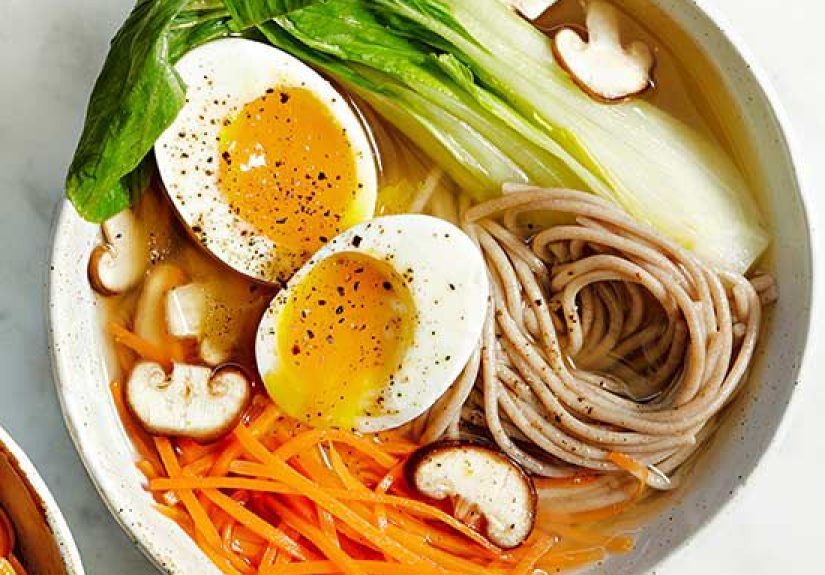
Toppings are not decorative. They matter. A soft-boiled egg adds richness. Scallions bring freshness. Toasted sesame seeds add nuttiness. Fresh cilantro or basil wakes up the whole bowl. Crushed peanuts give crunch. A squeeze of lime keeps everything lively. Skip all toppings, and your bowl may still be good, but it will not be living its fullest life.
Noodle Bowl Recipe: Sesame-Ginger Chicken and Veggie Bowl
This easy noodle bowl recipe serves four and is designed for real life. It is flexible, deeply flavorful, and quick enough for a weeknight. You can swap the chicken for tofu, shrimp, or even leftover rotisserie chicken if you are cooking with one eye on the clock.
Ingredients
- 8 ounces ramen, soba, or rice noodles
- 1 tablespoon neutral oil
- 1 pound boneless skinless chicken thighs, thinly sliced
- 1 teaspoon kosher salt
- 1/2 teaspoon black pepper
- 2 teaspoons toasted sesame oil
- 3 cloves garlic, minced
- 1 tablespoon fresh ginger, grated
- 4 cups low-sodium chicken broth or vegetable broth
- 2 tablespoons soy sauce or tamari
- 1 1/2 tablespoons white or yellow miso paste
- 1 tablespoon rice vinegar
- 2 teaspoons honey or brown sugar
- 1 cup mushrooms, sliced
- 2 cups baby bok choy, chopped
- 1 cup shredded carrots
- 1 cup shelled edamame
- 2 soft-boiled eggs, halved, optional
- 2 scallions, thinly sliced
- 1 tablespoon toasted sesame seeds
- Lime wedges, for serving
- Chili crisp, sriracha, or red pepper flakes, optional
- Fresh cilantro or basil, optional
Directions
- Cook the noodles. Bring a pot of water to a boil and cook the noodles according to package directions until just tender. Drain, rinse briefly if needed, and set aside. Do not overcook them unless you enjoy noodles with the emotional structure of wet confetti.
- Cook the chicken. Season the sliced chicken with salt and pepper. Heat the neutral oil in a large pot or Dutch oven over medium-high heat. Add the chicken and cook for 4 to 5 minutes, stirring occasionally, until lightly browned and cooked through. Transfer to a plate.
- Build the flavor base. Lower the heat to medium. Add sesame oil, garlic, and ginger to the same pot. Cook for about 30 seconds, just until fragrant. This is not the time to wander off and check your phone. Garlic burns fast and holds grudges.
- Make the broth. Add the broth, soy sauce, miso, rice vinegar, and honey. Whisk until the miso dissolves. Bring the mixture to a gentle simmer.
- Add the vegetables. Stir in the mushrooms, bok choy, carrots, and edamame. Simmer for 3 to 4 minutes, until the vegetables are tender-crisp and still bright.
- Return the chicken. Add the cooked chicken back to the pot and simmer for 1 minute to warm through.
- Assemble the bowls. Divide the noodles among four bowls. Ladle the hot broth, vegetables, and chicken over the noodles. Top with soft-boiled eggs, scallions, sesame seeds, herbs, and a squeeze of lime.
- Finish and serve. Add chili crisp or sriracha if you like heat. Serve immediately while everything is hot, fragrant, and dramatically better than takeout you regretted ordering last week.
Easy Variations for Every Kind of Noodle Mood
Make It Vegetarian
Swap the chicken for pan-seared tofu or extra edamame, and use vegetable broth. Mushrooms, especially shiitake or cremini, add savory depth and make the bowl feel hearty enough for dinner.
Make It Spicier
Add chili crisp, gochujang, sambal oelek, or a spoonful of chili garlic sauce. Start small. You can always add more, but it is hard to negotiate with a bowl that has gone full volcano.
Make It Colder
Turn this into a chilled noodle bowl by skipping the broth and whisking together peanut butter, soy sauce, rice vinegar, sesame oil, lime juice, and a little warm water for a creamy dressing. Add cucumbers, shredded cabbage, herbs, and chilled noodles for a refreshing summer dinner.
Make It Faster
Use pre-shredded carrots, bagged slaw, frozen edamame, and rotisserie chicken. That trims prep significantly without sacrificing flavor. Noodle bowls are very forgiving when smart shortcuts are involved.
Common Noodle Bowl Mistakes to Avoid
Overcooking the noodles: This is the number one mistake. Noodles keep softening after cooking, especially once they hit hot broth. Stop cooking them when they are just tender.
Under-seasoning the broth: Broth should taste slightly stronger than you think because it has to flavor the noodles and vegetables too. A splash of soy sauce, a dab of miso, or a squeeze of lime can make the bowl wake right up.
Adding everything at once: Delicate greens and crunchy toppings should not go into the pot early. Build in stages so you get contrast instead of one beige, exhausted mixture.
Skipping acid: A little rice vinegar or lime juice keeps the bowl from tasting flat. Rich ingredients need brightness to stay balanced.
Storing noodles in broth: If you are meal prepping, keep cooked noodles separate from the broth. Otherwise, tomorrow’s lunch may resemble noodle-flavored pudding, and nobody deserves that.
What to Serve with a Noodle Bowl
A noodle bowl can absolutely stand alone, but if you want to round out the meal, keep the sides simple. Try cucumber salad, steamed dumplings, roasted broccoli, quick pickled vegetables, or crispy wontons. For drinks, sparkling water with lime, iced green tea, or a citrusy mocktail works beautifully.
If you are serving guests, set out toppings in small bowls and let everyone customize their own dinner. It feels generous, looks colorful, and quietly reduces complaints from picky eaters who act like cilantro personally offended them.
How to Store and Reheat
Store leftover broth, protein, and vegetables together in an airtight container in the refrigerator for up to three days. Keep the noodles in a separate container with a tiny drizzle of oil to help prevent sticking. Reheat the broth mixture gently on the stove or in the microwave, then add the noodles just before serving.
If you are making lunch bowls ahead of time, pack fresh toppings like scallions, herbs, lime wedges, and sesame seeds separately. Small details matter, and they keep the meal from tasting like it gave up overnight.
Why This Noodle Bowl Recipe Works for Real Life
This noodle bowl recipe succeeds because it is adaptable, balanced, and not absurdly fussy. It works when you are craving comfort, trying to use up produce, feeding a family, or making one beautifully oversized bowl for yourself after a long day. It scales up well, welcomes substitutions, and offers enough flavor to feel special without demanding a whole afternoon of prep.
It also solves one of the biggest home-cooking problems: wanting a meal that tastes layered and fresh without dirtying every pan in the house. A noodle bowl can be cozy and bright, practical and pretty, simple and surprisingly restaurant-worthy. That is a rare dinner superpower.
Experience and Kitchen Notes: Living the Noodle Bowl Life
The first time you make a really good noodle bowl at home, there is a specific moment of surprise. It usually happens right after the first bite, when you realize this tastes like something you would happily order in a restaurant, except now you are standing in your kitchen wearing socks that do not match and feeling unusually powerful. That is the charm of a noodle bowl recipe. It delivers maximum comfort with relatively modest effort, and it has a way of making ordinary evenings feel slightly upgraded.
What I love most about noodle bowls is how they fit different moods. On cold nights, a steaming bowl with mushrooms, broth, and chewy noodles feels like edible central heating. On warm evenings, a chilled noodle bowl with herbs, cucumbers, and a sesame-lime dressing tastes fresh, bright, and incredibly satisfying without feeling heavy. It is one of the few meals that can swing between cozy and refreshing without losing its identity.
Noodle bowls are also a confidence-building recipe for home cooks. They teach you how to balance salty, sweet, spicy, rich, and acidic flavors in a way that is easy to taste and adjust. Too flat? Add lime. Too sharp? Add a little honey. Needs depth? Stir in miso or soy sauce. Once you get used to those small adjustments, you start cooking with more instinct and less panic. That is a lovely upgrade for any kitchen routine.
There is also something deeply practical about the whole format. Leftover roast chicken becomes lunch. Half a bag of carrots finally finds a purpose. A lonely bunch of scallions is suddenly important again. Noodle bowls are generous to the cook because they welcome odds and ends without tasting patched together. Instead, they often taste more vibrant because of that variety. It is the culinary version of making a stylish outfit out of pieces you already owned.
And then there is the texture. A good noodle bowl gives you soft noodles, crisp vegetables, a silky broth or sauce, and crunchy toppings in every bite. That contrast is what makes it exciting to eat. It is not just about flavor; it is about rhythm. Slurp, crunch, sip, repeat. Dinner becomes interactive in the best way.
If you make noodle bowls regularly, you start developing favorites. Maybe you become loyal to rice noodles and herbs. Maybe you discover that soft-boiled eggs improve your emotional stability. Maybe you realize chili crisp belongs on almost everything. That is part of the joy. A noodle bowl recipe is not just one dinner. It is a flexible habit, a useful template, and sometimes a tiny act of self-care disguised as carbohydrates.
So yes, this is a recipe. But it is also an approach. Keep noodles in the pantry, keep a few punchy sauces around, and keep your refrigerator stocked with vegetables that can handle a quick sauté or a cold toss. Suddenly, dinner stops being a daily crisis and starts feeling like a small creative win. That is a pretty excellent legacy for one humble bowl of noodles.