Table of Contents >> Show >> Hide
Occupational therapy (OT) is a specialized healthcare profession that focuses on helping individuals of all ages to achieve independence in their daily activities. Whether it’s recovering from a stroke, managing chronic conditions, or learning essential life skills after an injury, occupational therapy plays a crucial role in enhancing quality of life. In this article, we’ll explore what occupational therapy is, who it treats, and the benefits it provides to various populations. We will also look at how OT can make a difference in a person’s day-to-day functionality and how treatment plans are tailored to individual needs.
What is Occupational Therapy?
At its core, occupational therapy is designed to help individuals develop, recover, or maintain the skills necessary for performing everyday tasks, also known as “occupations.” These tasks can range from basic activities such as dressing, eating, and bathing, to more complex ones like working, driving, or managing finances. The goal of OT is to improve or restore a person’s ability to participate fully in their life.
OT professionals, known as occupational therapists, work with clients in a variety of settings, including hospitals, rehabilitation centers, schools, nursing homes, and private clinics. They employ a variety of methods, exercises, adaptive techniques, and specialized equipment to help individuals become more functional and independent in their environments.
Who Benefits from Occupational Therapy?
Occupational therapy is not limited to a specific group of people; it benefits individuals of all ages, from children to elderly adults. Here are some of the groups that can benefit the most from OT:
1. Children with Developmental Delays
For children, occupational therapy focuses on helping them develop the physical, cognitive, and social skills needed for academic success and personal development. Children with developmental delays, autism spectrum disorder (ASD), or other conditions may struggle with tasks like handwriting, buttoning their shirts, or coordinating movements. OT helps these children develop the skills they need to succeed in school and at home.
2. Adults Recovering from Injury or Surgery
For adults recovering from surgeries or injuries, occupational therapy is often an essential part of rehabilitation. Whether recovering from a hip replacement, stroke, or traumatic brain injury, OT helps individuals regain lost motor skills and improve their ability to perform daily activities. This might include strength training, joint mobility exercises, and learning how to adapt their environment to aid their recovery process.
3. Elderly Individuals with Age-Related Challenges
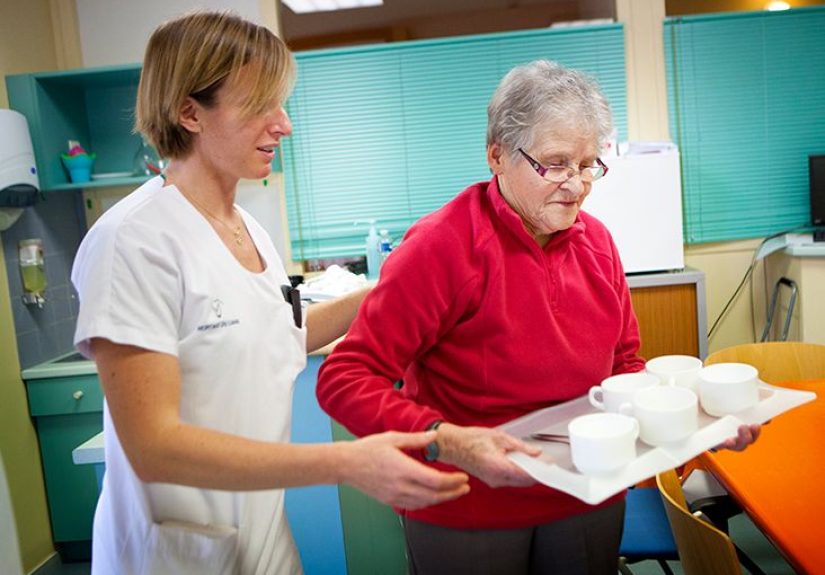
As people age, they often face challenges related to mobility, memory, and overall functionality. For seniors, occupational therapy can help them maintain independence and avoid unnecessary accidents. OT can address conditions such as arthritis, dementia, and other age-related physical and cognitive impairments. Occupational therapists work with elderly individuals to improve balance, memory, and cognitive skills, and they may also provide recommendations for home modifications to ensure safety.
4. Individuals with Chronic Illnesses
Chronic illnesses such as multiple sclerosis, Parkinson’s disease, and chronic pain conditions can significantly impact a person’s ability to function. OT professionals work with individuals living with these conditions to help them manage symptoms and improve their quality of life. This can include techniques for pain management, strategies for maintaining mobility, and adapting daily tasks to the person’s current abilities.
5. People with Mental Health Conditions
Occupational therapy also plays a role in mental health care. People suffering from mental health conditions such as depression, anxiety, and schizophrenia can benefit from OT. Therapists help individuals develop coping skills, manage stress, and participate in therapeutic activities that promote mental and emotional well-being. OT can help individuals engage in meaningful tasks that boost self-esteem and improve overall mental health.
How Does Occupational Therapy Work?
Occupational therapists take a comprehensive approach to treatment. The first step in the process typically involves an initial assessment to determine the individual’s abilities, challenges, and goals. This may include interviews, standardized tests, and observations. Once a thorough evaluation is completed, the therapist develops a personalized treatment plan that includes specific goals and strategies to help the person regain independence in daily activities.
Occupational therapy interventions may include:
- Therapeutic Exercises: These exercises target specific areas of the body to improve strength, coordination, and range of motion.
- Adaptive Equipment: Occupational therapists often recommend tools or devices that help individuals perform daily tasks more easily. This could include grab bars, specialized utensils, or adaptive driving equipment.
- Environmental Modifications: In some cases, OT may involve making changes to the home or workplace environment to make it safer and more accessible for the person.
- Cognitive Rehabilitation: For those recovering from a brain injury or dealing with cognitive decline, OT may focus on improving memory, problem-solving, and organizational skills.
- Task Training: Occupational therapists help clients relearn or develop strategies to perform daily tasks like cooking, bathing, or dressing.
The Benefits of Occupational Therapy
Occupational therapy offers numerous benefits to individuals, particularly in terms of improving quality of life. Some of the key advantages of OT include:
- Increased Independence: By learning new strategies or utilizing adaptive equipment, individuals can perform more daily tasks on their own, which enhances self-sufficiency.
- Improved Functionality: Whether it’s regaining mobility after surgery or learning to manage a chronic illness, OT helps individuals improve their physical and cognitive abilities.
- Prevention of Future Injuries: OT also emphasizes injury prevention by teaching proper techniques for movement and posture, which can help reduce the risk of falls and other injuries.
- Enhanced Mental Well-Being: Engaging in meaningful activities can promote emotional health and contribute to a sense of accomplishment and self-worth.
- Better Adaptation to Changing Needs: For individuals with chronic conditions or those aging, OT helps them adapt to their evolving needs by offering continuous support and modifications to their environment.
Conclusion
Occupational therapy is a highly versatile and impactful healthcare profession that caters to individuals from all walks of life. Whether a child with developmental challenges, an adult recovering from injury, or a senior managing the effects of aging, OT helps people achieve greater independence and quality of life. By focusing on functional tasks and tailored treatment plans, occupational therapists work with clients to develop skills, improve physical and mental well-being, and ensure a safer and more comfortable lifestyle.
Experience with Occupational Therapy
One of the most profound experiences shared by many individuals who have gone through occupational therapy is the sense of regaining control over their lives. For example, a stroke survivor may initially feel overwhelmed and helpless when faced with tasks like brushing their teeth or preparing a meal. Through OT, this individual might gradually learn adaptive strategies, such as using a one-handed technique for holding a toothbrush or installing a non-slip mat in the kitchen for better safety. These small, incremental changes can significantly improve confidence and restore a sense of normalcy.
In another case, a child with autism may struggle with tasks that require fine motor skills, like holding a pencil or using scissors. Through targeted OT interventions, the child can develop these skills in a supportive, non-judgmental environment, improving not only their academic performance but also their social interactions. As a result, these children gain greater independence, allowing them to navigate their world with more ease.
Occupational therapy is not just about physical recoveryit’s about empowering individuals to live their lives with dignity, confidence, and self-sufficiency. No matter the age or condition, OT professionals work diligently to help clients overcome barriers and achieve their personal goals. With its broad applications, from pediatrics to geriatrics, occupational therapy remains an essential part of healthcare and rehabilitation.