Table of Contents >> Show >> Hide
- Quick answer: the 3 most common places to find tahini
- Aisle-by-aisle “tahini map” (aka: where it’s most likely hiding)
- 1) Nut & seed butter aisle
- 2) International foods aisle (Mediterranean/Middle Eastern/Greek)
- 3) Kosher/Jewish foods section
- 4) Condiments, sauces, and salad dressings
- 5) Natural/organic or “health foods” aisle
- 6) Specialty stores and bulk sections
- 7) The refrigerated section (usually not… but here’s the nuance)
- What does tahini look like on the shelf?
- How to pick a good tahini (without writing a dissertation in aisle 6)
- How to use tahini once you finally bring it home
- Storage and stirring: keep tahini tasty (and your wrists uninjured)
- If you still can’t find tahini, do this (in order)
- FAQs
- Conclusion
- Grocery Store Tahini Tales: 5 Real-World (Totally Relatable) Experiences
You came for tahini. The grocery store replied with 47 kinds of peanut butter, three suspiciously identical “sesame” products,
and an aisle that somehow loops back into itself like a low-budget sci-fi movie. Don’t worrytahini isn’t rare. It’s just
mischievous. Stores stock it in a few predictable spots, and once you know the patterns, you’ll find it fast (and feel
mildly superior while doing it).
This guide walks you through the most common places tahini hides, what it looks like on the shelf, how to pick a good jar,
and what to do if your store’s layout was designed by a committee of squirrels.
Quick answer: the 3 most common places to find tahini
- Nut & seed butter aisle (near peanut butter/almond butter)
- International/Mediterranean/Middle Eastern section (often near olives, artichokes, or imported condiments)
- Condiments & sauces area (sometimes near salad dressings, marinades, or specialty spreads)
If you want the fastest route: go to the nut butter aisle first, then the international foods,
then condiments/sauces. If your store has a kosher/Jewish foods section or a
natural/organic aisle, those are also excellent places to check.
Aisle-by-aisle “tahini map” (aka: where it’s most likely hiding)
1) Nut & seed butter aisle
Tahini is basically sesame seed butter, so many stores file it with the other spreadable “butter-ish” things. Look near:
peanut butter, almond butter, sunflower seed butter, and sometimes honey or jam. Pro tip: check the top shelf
and the bottom shelftahini is often stocked like a shy introvert: present, but not front and center.
2) International foods aisle (Mediterranean/Middle Eastern/Greek)
If your store groups global ingredients together, tahini may be with Mediterranean and Middle Eastern itemsthink chickpeas,
olive oil, olives, roasted red peppers, grape leaves, harissa, and pita-adjacent goodies. Some stores lump multiple cuisines
together, so don’t be surprised if you’re standing between sushi rice and taco shells while hunting sesame paste.
3) Kosher/Jewish foods section
Many supermarkets keep a small kosher section, and tahini can show up thereespecially in areas where brands that cater to
kosher shoppers are common. If you see matzo, gefilte fish, or kosher-certified pantry staples, scan that shelf. It’s an
underrated tahini hotspot.
4) Condiments, sauces, and salad dressings
Tahini isn’t ketchup, but it behaves like a condiment in the kitchenwhisk it into dressings, drizzle it on bowls, or turn it
into a sauce. Some stores stock it near specialty condiments, marinades, or “fancy spreads.” If you find tahini sauce in a
bottle, the plain tahini might be nearbyor it might be three aisles away because grocery stores love character development.
5) Natural/organic or “health foods” aisle
If your store has a dedicated natural foods area, tahini may be shelved with other minimally processed staples. This is also
where you might find organic tahini, unsweetened seed butters, and specialty dietary items.
6) Specialty stores and bulk sections
At Middle Eastern markets, Mediterranean groceries, and many co-ops, tahini is usually easy to spot because the category is
popular and gets its own space. Some stores also stock sesame seeds and sesame products in bulkless common for tahini itself,
but worth a glance if your market has an extensive bulk setup.
7) The refrigerated section (usually not… but here’s the nuance)
Most jars of tahini are shelf-stable, so you typically won’t find them next to prepared hummus in the fridge.
That said, grocery stores sometimes place shelf-stable items near related products (endcaps and “meal solution” displays are
prime suspects). If you see hummus, pita, and falafel mix staged together, do a quick scan for tahini nearbyjust don’t make
the refrigerated aisle your first stop.
What does tahini look like on the shelf?
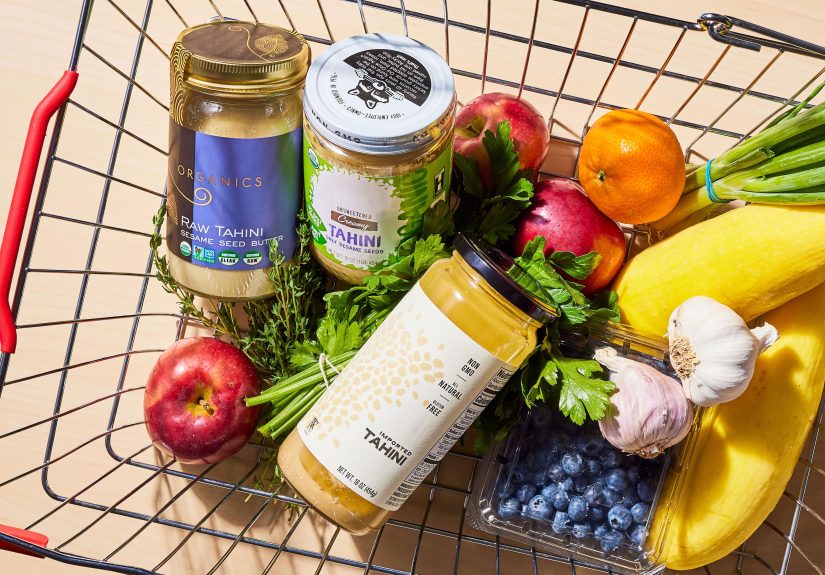
Tahini usually comes in a jar (glass or plastic) and looks like beige-to-tan sesame paste. Some brands come in
a squeeze bottlea modern convenience that saves you from arm-day stirring sessions.
Labels to look for:
- “Tahini” or “Tahina”
- “Sesame paste” or “Sesame butter”
- Sometimes: “Whole seed tahini”, “hulled”, “organic”, or “roasted”
Don’t confuse it with:
- Tahini sauce (already thinned/seasonedgreat, but different)
- Toasted sesame oil (liquid, intense, and absolutely not a paste)
- Asian sesame paste (often darker and stronger; delicious, but not always interchangeable)
- Black sesame paste (usually sweet-leaning and dramatically darker)
How to pick a good tahini (without writing a dissertation in aisle 6)
You can absolutely grab “any jar that says tahini” and be fine. But if you want to choose like someone who casually owns a
lemon zester, here’s what matters:
Texture: smooth beats gritty
Good tahini should be creamy and smooth. Some separation is normal (oil rises to the top), but the paste should recombine
without turning into a cement block of regret.
Flavor: nutty, pleasantly bitternot harsh
Tahini naturally has a gentle bitterness (sesame has opinions). You want earthy, nutty richnessnot a mouth-drying, overly
astringent bite.
Ingredients: simpler is usually better
Many great tahinis are basically sesame seeds and maybe a little oil. If you’re using tahini for savory cooking, you generally
don’t want sweeteners or extra flavors unless the label clearly indicates it’s a prepared sauce.
Packaging: jars vs squeeze bottles
Jars are classic and widely available. Squeeze bottles can be easierespecially if you hate
stirring separated oils with the passion of a thousand suns.
How to use tahini once you finally bring it home
Tahini is famous for hummus, but it’s not a one-hit wonder. Think of it as the ingredient that makes food taste like it got a
promotion.
Fast, practical uses
- Classic tahini sauce: whisk with lemon juice, garlic, salt, and water until silky
- Salad dressing shortcut: tahini + lemon + water + a spoon of Dijon
- Grain bowls: drizzle on rice, quinoa, roasted veggies, chickpeas
- Sandwich upgrade: spread instead of mayo, especially with roasted veg
- Soup “cheat code”: stir a spoonful into lentil or veggie soups for richness
- Dessert cameo: tahini + chocolate is a surprisingly iconic duo
If your first taste of plain tahini seems intense, don’t panic. Tahini shines when balanced with acid (lemon), salt, and a
little water to loosen it. It’s a team playerjust needs the right teammates.
Storage and stirring: keep tahini tasty (and your wrists uninjured)
Tahini is high in natural oils, so separation is normal. Stir before using. For storage, you’ll see different preferences:
many people keep it in the pantry if they use it regularly, while refrigeration can extend freshness but may make it thicker
and harder to stir. If it’s stubborn after chilling, let it come to room temperature or warm it gently so it loosens up.
Signs tahini has gone off: a sharp, metallic, or unpleasant aroma, or a stale taste that screams “I have been here since the
last season of that show you forgot you watched.”
If you still can’t find tahini, do this (in order)
- Use the store app (search “tahini” or “sesame paste”)it often lists the aisle number
- Ask an employee and say: “I’m looking for tahinisesame paste used for hummus”
- Check the kosher section if your store has one
- Scan endcaps near chickpeas, pita, hummus ingredients, or Mediterranean displays
- Try a nearby Mediterranean/Middle Eastern market (usually the easiest win)
- Buy online if your local stores truly don’t stock it
FAQs
Is tahini the same thing as hummus?
Nope. Hummus is a dip (usually chickpeas + tahini + lemon + garlic). Tahini is the sesame paste that helps make hummus creamy.
Owning tahini does not automatically mean you are now hummus. (But it’s a strong start.)
Is tahini gluten-free and vegan?
Plain tahini is typically just sesame seeds (and sometimes oil), so it’s commonly vegan and gluten-free. Always check the
label if you have allergies or dietary needs, especially with flavored products.
What can I substitute for tahini?
If you need a substitute, the closest texture match is often sunflower seed butter. In a pinch, other nut
butters can work depending on the recipe (they’ll change the flavor). For savory sauces, some cooks add a tiny splash of
toasted sesame oil for sesame vibecareful, it’s potent.
Why is my tahini thick and seized when I add lemon juice?
Totally normal! Tahini can tighten up when it meets acid at first. Keep whisking and add water a little at a timeit usually
turns smooth and glossy like it always meant to do that.
Conclusion
Tahini is rarely “not in the store”it’s just not always where logic says it should be. Start with the nut and seed
butter aisle, then check international/Mediterranean, kosher, and
condiments. Once you’ve got a jar, you’re one lemon away from sauces, dressings, and hummus that make weekday
dinners feel suspiciously competent.
Grocery Store Tahini Tales: 5 Real-World (Totally Relatable) Experiences
To make this as practical as possible, here are a few “this could absolutely happen to you” tahini momentscomposite scenarios
based on common shopping patterns and the kind of aisle logic only grocery stores understand.
1) The Peanut Butter Mirage
You march confidently to the peanut butter aisle because you are a person of reason. You scan: crunchy, creamy, honey-roasted,
cinnamon-swirled, protein-boosted, and one that appears to be peanut butter with “good vibes” as an ingredient. No tahini.
You assume the store is tahini-free. Then you look uptop shelfwhere tahini sits quietly like it’s avoiding small talk.
You grab it and pretend you were “just browsing” the whole time. Victory tastes like sesame.
2) The International Aisle Time Warp
You enter the international aisle and immediately lose your sense of direction. There’s soy sauce next to tortillas, an
argument happening between five brands of rice, and a shelf of olives that feels like it belongs in a museum. You finally
spot a Mediterranean cluster: chickpeas, roasted red peppers, grape leaves. Still no tahiniuntil you notice a little section
of “Middle Eastern” items tucked between “European imports” and something labeled “global sauces.” Tahini was there all along,
thriving in its natural habitat: mild chaos.
3) The Kosher Section Plot Twist
After a full store lap, you do what all great explorers do: you go somewhere you’ve never looked before. The kosher section.
You’re scanning jars and boxes whenbamtahini. It’s not that tahini is “kosher-only,” it’s that certain brands are commonly
stocked there, and your store decided this was the most poetic place for it to live. You feel like you discovered a secret
room in a video game. You also buy matzo because… why not. You contain multitudes now.
4) The “Is This Tahini?” Identity Crisis
You find a jar that says “sesame paste,” but the color looks darker than expected. Another one says “tahini sauce,” and you’re
not sure if it’s the same thing or a condiment with a better publicist. Here’s what typically happens next: you check the
ingredient list. Plain tahini is mostly sesame seeds (sometimes oil). Tahini sauce usually has lemon, garlic, salt, and water
already mixed in. You make your choice like a responsible adult. Then you reward yourself with cookies because personal growth
deserves snacks.
5) The Stirring Saga (and the Peace Treaty)
You get home, open the jar, and discover a glossy layer of oil on top like tahini is wearing a raincoat. You stir and it
resists. You stir harder. Your spoon threatens to snap. This is the moment many people learn two useful truths: (1) separation
is normal, and (2) letting tahini warm slightly can make stirring easier. Some folks even transfer it to a wider container for
easier mixing. In the end, you win, your tahini becomes creamy again, and you make a lemon-garlic sauce that makes you forget
the whole incident. Mostly.
The moral of the story: tahini isn’t hard to findit’s just stocked like a treasure hunt. Once you know the likely aisles, you
can locate it quickly, choose a quality jar, and turn everyday meals into something that tastes like you planned ahead (even
if you absolutely did not).