Table of Contents >> Show >> Hide
- What Is an Original Copper Egg Spoon?
- The Story Behind the Spoon
- Why Copper Makes So Much Sense
- How to Cook with an Original Copper Egg Spoon
- What the Egg Is Actually Like
- Care and Maintenance
- Who Is This Spoon Really For?
- Is the Original Copper Egg Spoon Practical?
- What to Look for If You Are Considering One
- Final Thoughts
- Experience Notes: What Living with an Original Copper Egg Spoon Feels Like
Note: Body-only HTML, ready for publishing
Some kitchen tools are practical. Some are beautiful. And a rare few manage to be both while also making you feel like you should be wearing a linen apron and speaking softly about butter. The Original Copper Egg Spoon falls squarely into that last category. At first glance, it looks like a sculptural oddity: part spoon, part tiny skillet, part campfire flex. But behind the gleam and mystique is a surprisingly thoughtful cooking tool designed for one very specific, very noble task: cooking a single egg over live fire or flame.
That may sound hilariously niche, and honestly, it is. But “niche” is not the same thing as “useless.” In fact, the charm of the Original Copper Egg Spoon is that it turns an ordinary egg into a ritual. It slows you down, sharpens your attention, and makes breakfast feel a little less like a rushed obligation and a little more like a small daily ceremony. In a world full of nonstick shortcuts and toaster-button living, that kind of deliberate pleasure has real appeal.
What Is an Original Copper Egg Spoon?
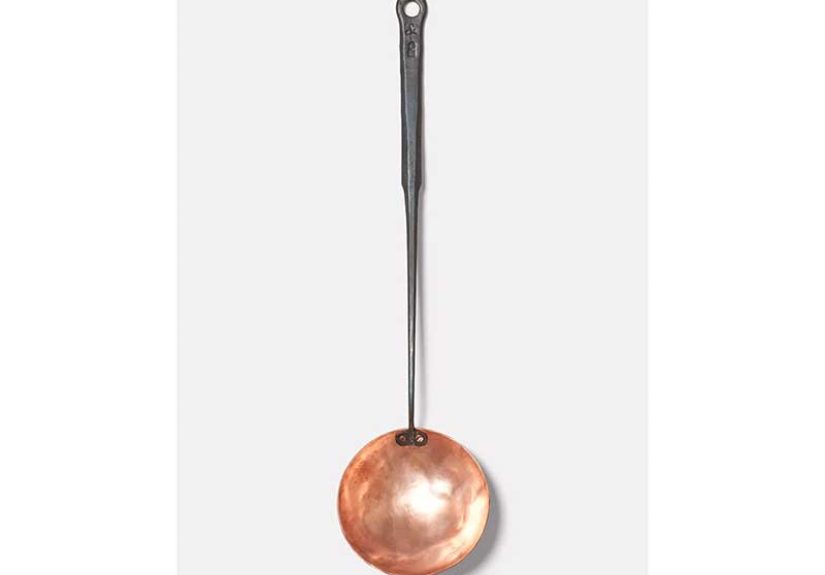
The Original Copper Egg Spoon is a hand-forged specialty cooking spoon shaped to hold and fry a single egg over a fireplace, bed of coals, or gas flame. Think of it as the most elegant one-egg pan you never knew you wanted. It is not a serving spoon, not a decorative prop, and definitely not the kind of utensil you toss into a random drawer between a pizza cutter and three mystery chip clips.
Its broad bowl is designed to cradle one egg, while the long handle keeps your hand at a safer distance from the heat. The copper construction gives it standout visual appeal, but it also serves a practical purpose. Copper responds quickly to heat, which makes it useful for delicate cooking jobs where timing matters. And eggs, as every breakfast enthusiast eventually learns, are tiny edible divas. Too much heat and they toughen. Too little and they sit there looking nervous.
The Story Behind the Spoon
From hearth-cooking curiosity to kitchen legend
The story behind the Original Copper Egg Spoon is part of what makes it so compelling. The design is closely tied to Alice Waters, the celebrated chef behind Chez Panisse and one of the most influential figures in American food culture. The now-famous egg spoon traces back to the early 2000s, when Waters was inspired by hearth-cooking traditions after reading about them in The Magic of Fire by William Rubel.
She reportedly asked a blacksmith to create a spoon that could cook an egg directly in the coals. From that request came an object that was both highly functional and unmistakably personal. Over time, the egg spoon became one of the tools most associated with her kitchen. Later versions, including copper editions, turned the original idea into something collectible, giftable, and deeply desirable to cooks who appreciate design as much as flavor.
That origin story matters because it explains why this object feels different from a gimmicky novelty gadget. It was not invented by a late-night infomercial committee or by somebody who thinks every kitchen problem can be solved with more silicone. It came out of a real cooking tradition: fire, metal, eggs, instinct, and a respect for simple ingredients.
Why Copper Makes So Much Sense
Fast, responsive heat
Copper has long been admired in serious kitchens because it heats quickly and responds fast when the temperature changes. That responsiveness is a big reason copper cookware has such a devoted following. When you are cooking something delicate, that can be a major advantage. An egg is a perfect example. You want enough heat to set the white and maybe crisp the edges, but not so much that the yolk turns chalky and offended.
In a tool as small as an egg spoon, fast heat response makes the experience feel immediate. You can sense the transition from cool metal to cooking surface almost right away. That gives the cook more control, especially over an open fire where heat is lively, uneven, and just chaotic enough to keep your ego in check.
Beauty with a job to do
Copper also brings obvious visual drama. It glows. It catches flame light beautifully. It looks romantic without trying too hard. But the best thing about the Original Copper Egg Spoon is that the beauty is not separate from the function. The object feels luxurious because it does one small task with unusual grace. It is the difference between owning a tool and enjoying a ritual.
How to Cook with an Original Copper Egg Spoon
Using one is simple in theory and slightly humbling in practice. The basic technique is to warm the spoon over heat, add a little butter or oil, crack in an egg, season it, and cook until the white sets and the yolk reaches your preferred level of softness. The spoon can be used over a gentle gas flame or over coals in a fireplace or campfire setting.
- Preheat the spoon gradually rather than blasting it with aggressive heat.
- Add butter or oil once the metal is warm enough for it to melt and shimmer.
- Crack in one egg and keep the spoon steady.
- Season lightly with salt and pepper.
- Adjust the height or angle over the heat as needed.
- Cook until the white is set and the yolk is just how you like it.
The key word here is gradually. This is not a tool for maximum chaos. You are not trying to summon the breakfast gods with a blowtorch. Gentle heat gives you the best chance of getting tender whites, a rich yolk, and that lightly crisped edge that makes fried eggs feel like they know they are special.
Because the cooking surface is small and the heat source is direct, there is a learning curve. Your first egg may be a little crooked. Your second may stick a bit. By the third or fourth, though, you begin to understand the rhythm. That is part of the appeal. The spoon rewards attention.
What the Egg Is Actually Like
A properly cooked egg from a copper egg spoon has a distinct personality. The white can become delicately crisp at the edges while remaining tender near the yolk. The yolk itself stays rich and soft if the heat is managed well. If you are cooking over wood coals, there may also be a faint smokiness that a standard stovetop egg simply cannot fake, no matter how expensive the skillet or how enthusiastic the marketing copy.
This is one reason egg spoons have such a loyal following among fire cooks and design-minded home cooks alike. The result feels intimate. It is one egg, cooked with intention, served immediately. No batch cooking. No meal prep spreadsheet. Just one excellent egg and a brief moment of breakfast glory.
Care and Maintenance
Handle copper gently
Copper is beautiful, but it is not a “throw it in the dishwasher and hope for the best” material. To keep an Original Copper Egg Spoon looking and performing well, gentle care is the right move. Let it cool before washing. Use a soft sponge or cloth. Dry it thoroughly. If the exterior tarnishes, many cooks choose to polish it, while others let the patina develop naturally as part of the object’s character.
Know what copper likes and dislikes
Copper cookware is prized for heat performance, but copper is also reactive. That is one reason copper pieces often require a little more thought than stainless steel workhorses. For an egg spoon, that usually means using it for quick, simple cooking rather than for long simmers or highly acidic ingredients. An egg with butter? Excellent. A lemony tomato reduction that bubbles away for half an hour? That is probably a job for another pan.
Also worth noting: avoid abrasive scrubbers, harsh chemicals, and sudden thermal shock. In other words, do not yank a hot copper spoon off the flame and fling it into cold water like you are ending a dramatic cooking show finale. Let it cool down like a civilized object.
Who Is This Spoon Really For?
The Original Copper Egg Spoon is not for everyone, and that is actually part of its charm. It is ideal for:
- People who love fire cooking and live for that smoky, hands-on experience.
- Home cooks who appreciate beautifully made tools with a story behind them.
- Collectors of artisanal kitchenware and functional design objects.
- Gift buyers shopping for someone who already owns all the normal stuff.
- Anyone who believes breakfast should occasionally feel theatrical in a tasteful way.
It is less ideal for someone who wants to cook six eggs in under two minutes while answering emails and locating a missing school permission slip. This spoon is about presence, not speed. It does not solve weekday chaos. It offers a temporary escape from it.
Is the Original Copper Egg Spoon Practical?
Yes, but only if you use the word practical generously. It absolutely performs a real culinary function. It cooks an egg. It can do so beautifully. It encourages precision and rewards patience. That is practical.
But it is also undeniably emotional. You do not buy a copper egg spoon because your kitchen is missing basic utility. You buy one because you are drawn to objects that make ordinary acts feel memorable. You buy one because a single egg over the fire sounds better than another joyless breakfast bar. You buy one because some tools are allowed to be a little unreasonable, provided they are excellent.
What to Look for If You Are Considering One
Form, balance, and craftsmanship
Not all egg spoons are identical, even when they follow the same basic idea. If you are considering an Original Copper Egg Spoon or a similar handcrafted version, look at the depth and width of the bowl, the handle length, the balance in the hand, and the quality of the forging. A good egg spoon should feel stable, intentional, and safe to maneuver over heat.
Use case matters
Ask yourself where you will actually use it. Fireplace? Gas stove? Campfire? Decorative hook in a kitchen where everyone suddenly asks, “What on earth is that?” The answer matters because the spoon is most satisfying when it fits into real habits. It is easier to love a specialty tool when it has a regular stage.
Final Thoughts
The Original Copper Egg Spoon is one of those rare kitchen objects that manages to be useful, beautiful, historical, and just slightly eccentric. It turns a single egg into a tiny event. It connects modern cooks to older fire-cooking traditions. It reflects the values that made Alice Waters and hearth-inspired cooking culture so influential: simplicity, craftsmanship, and deep respect for ingredients.
No, you do not need one to make breakfast. Humanity has somehow survived without widespread egg-spoon ownership for quite a while. But if you love tools that carry story, skill, and atmosphere in equal measure, the Original Copper Egg Spoon has a very strong case to make. Sometimes the best kitchen purchase is not the most efficient one. Sometimes it is the one that makes you want to cook with more care.
Experience Notes: What Living with an Original Copper Egg Spoon Feels Like
The experience of using an Original Copper Egg Spoon is hard to explain to someone who has only known eggs as a fast weekday food. In an ordinary pan, an egg is often just part of the morning checklist. Coffee, toast, egg, move on. In a copper egg spoon, the egg becomes the whole point. You start by warming the spoon and watching the metal wake up in the light. Then the butter goes in, and suddenly the sound changes everything. It is not loud, but it is unmistakable: a soft, confident sizzle that says breakfast is officially happening and you should probably pay attention.
The first surprise is how intimate the process feels. You are cooking one egg, not a dozen. There is nowhere to hide. In a big skillet, a mediocre egg can blend into the crowd. In an egg spoon, every edge, every wobble, every second of heat exposure matters. That sounds stressful, but it is oddly calming. There is something wonderful about doing one tiny task well. You stop multitasking. You stop scrolling. You stop pretending you can answer messages, make tea, and cook the perfect yolk all at once. The spoon demands a little respect, and that respect ends up making the meal better.
There is also the visual pleasure, which should not be underestimated. Copper catches flame in a way that feels almost theatrical. Over coals, the spoon looks like an object borrowed from another century. Even over a gas burner, it transforms a regular kitchen into a place with slightly more romance and significantly better lighting. It is the kind of tool that makes guests lean in and ask questions. And yes, that can be fun. There is a certain satisfaction in saying, “Oh, that? It is my egg spoon,” as if this is a totally common sentence people say every day.
Of course, the experience is not all effortless magic. There is a learning curve. Some mornings the spoon runs hotter than expected, and your egg reminds you that confidence is not the same thing as control. Other times you nail it: white just set, edges lightly crisped, yolk glowing like it knows it is about to ruin every bland breakfast memory that came before it. When that happens, the payoff feels wildly disproportionate to the simplicity of the food. It is still just an egg, and yet it feels like an achievement.
Over time, living with an Original Copper Egg Spoon becomes less about novelty and more about rhythm. You begin to understand how much butter is enough, how long to preheat, how close to hold it to the flame, when to pull back, and when to let the heat do its thing. You also learn to appreciate the cleanup as part of the ritual. Wipe it down gently. Dry it carefully. Notice the changes in color and surface. Some people polish copper until it gleams like a trophy. Others let it darken a little and wear its use proudly. Either way, the spoon records your cooking life in subtle ways.
That is the real experience of the Original Copper Egg Spoon: not just cooking an egg, but making room for a small act of attention. It is tactile, a little dramatic, occasionally humbling, and far more memorable than it has any right to be. In a kitchen full of efficient tools, this one offers something rarer. It gives you a reason to slow down and enjoy the process. And honestly, one really good egg cooked with care can do a lot for a day.