Table of Contents >> Show >> Hide
- What Is Osteoporosis?
- Why Osteoporosis Is Called “Silent”
- Symptoms: What You Can (and Can’t) Feel
- Causes and Risk Factors
- Diagnosis: How Osteoporosis Is Found
- Treatment: Your Fracture-Risk “Game Plan”
- Prevention: Building Stronger Bones at Any Age
- When to Seek Medical Care Quickly
- Quick FAQ
- Real-Life Experiences: What People Say It’s Like Living With Osteoporosis
- Conclusion
Osteoporosis is the ultimate “quiet quitter” of health problems: it often does its work behind the scenes for years, then shows up dramatically as a broken wrist from a small slip, a vertebra that collapses after lifting a suitcase, or a hip fracture that changes everything. The good news? Osteoporosis is common, measurable, and treatableand you can do a lot (starting today) to reduce fracture risk and keep your bones doing their job: holding you up, letting you move, and not snapping like a stale pretzel.
In this guide, we’ll cover the symptoms you might notice (and the ones you probably won’t), the most common causes and risk factors, how osteoporosis is diagnosed, and the full menu of treatmentsfrom lifestyle fundamentals to medications that strengthen bone and lower fracture risk.
What Is Osteoporosis?
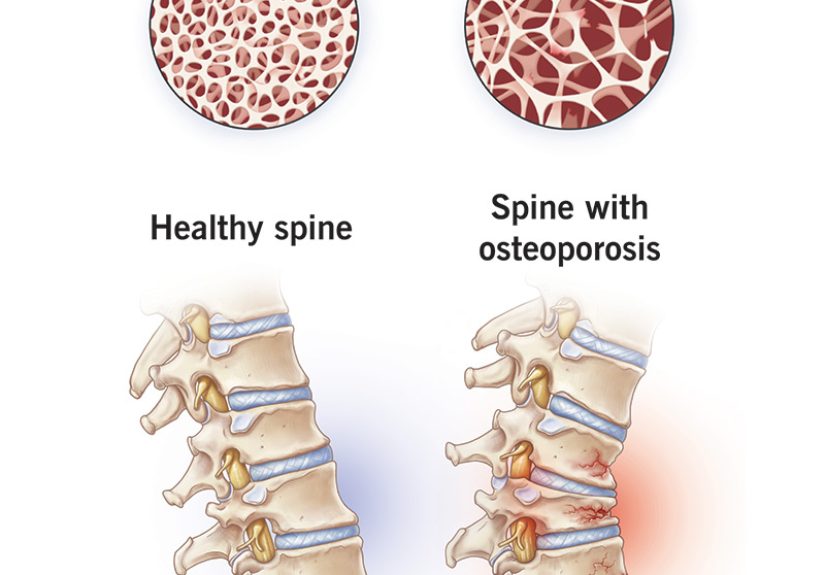
Osteoporosis is a condition where bones become less dense and more fragile, making fractures more likely. Bone is living tissueyour body constantly breaks down old bone and builds new bone. When the breakdown outpaces the rebuild (especially with aging, hormonal changes, or certain medical conditions/medications), bone strength declines. Think of it like a home renovation project where demolition keeps happening but the supplies for rebuilding never arrive.
Why Osteoporosis Is Called “Silent”
Many people with osteoporosis feel perfectly fineuntil a fracture happens. That’s why it’s often described as a “silent” disease. You can’t reliably “feel” low bone density the way you can feel a sore throat or a sprained ankle. Your bones don’t send a calendar invite that says: “Reminder: I’m slowly getting weaker.”
Symptoms: What You Can (and Can’t) Feel
Early osteoporosis usually has no symptoms
Early-stage osteoporosis typically does not cause pain or obvious symptoms. That’s why screening and risk assessment matterespecially as you get older or if you have known risk factors.
Symptoms often show up after bone loss becomes significant
When osteoporosis becomes advanced, signs can include:
- Fractures after minor injuries (e.g., a fall from standing height or less).
- Back pain, sometimes from a vertebral compression fracture.
- Loss of height over time (often subtle until it’s not).
- A stooped posture (sometimes called kyphosis).
A key point: pain isn’t always present even with spinal fractures. Some vertebral fractures can be “silent,” too which is both fascinating and rude.
Causes and Risk Factors
Bone remodeling 101
Your skeleton is more like a construction site than a statue. Cells called osteoclasts break down bone; osteoblasts build it back. During youth and early adulthood, building tends to win. With agingespecially after menopausebone breakdown often pulls ahead.
Primary vs. secondary osteoporosis
Primary osteoporosis is most commonly related to aging and hormonal changes (particularly the drop in estrogen after menopause). Secondary osteoporosis happens when another condition or medication speeds up bone loss or interferes with bone formation.
Major risk factors (the “usual suspects”)
- Older age (risk rises as you get older).
- Female sex and postmenopause (lower estrogen accelerates bone loss).
- Low body weight or small frame.
- Family history of osteoporosis or hip fracture.
- Prior fragility fracture (a fracture from a low-level trauma).
- Smoking and heavy alcohol use.
- Low calcium/vitamin D intake or limited absorption.
- Low physical activity (especially lack of resistance/weight-bearing exercise).
Conditions and medications that can contribute
Several health conditions can raise risk, including some endocrine and gastrointestinal disorders and inflammatory diseases. Long-term use of certain medicationsespecially glucocorticoids (steroids)is a well-known contributor. If you’ve been on steroids for months, that’s not a moral failing; it’s a clinical clue.
Diagnosis: How Osteoporosis Is Found
DXA scan (DEXA) and T-scores
The most common test is a dual-energy X-ray absorptiometry (DXA/DEXA) scan, typically measuring the hip and spine. Results include a T-score, which compares your bone density to a healthy young adult. In general:
- -1.0 or higher: normal bone density
- Between -1.0 and -2.5: low bone density (osteopenia)
- -2.5 or lower: osteoporosis
Risk assessment tools (including FRAX)
Bone density is important, but fracture risk also depends on factors like age, prior fractures, smoking, steroid use, and more. Clinicians often combine DXA results with clinical risk factors to estimate your 10-year fracture risk. One commonly used tool is FRAX, which incorporates risk factors and (optionally) femoral neck bone density to estimate risk.
Who should consider screening?
Screening recommendations vary by organization. In the U.S., a major preventive services guideline recommends:
- Women age 65 and older: screen for osteoporosis to prevent fractures.
- Postmenopausal women younger than 65: screen if they have risk factors that raise fracture risk.
- Men: evidence is considered insufficient to make a universal screening recommendation (your clinician may still screen based on risk).
If you’ve had a fragility fracture, that’s not just “bad luck.” It’s a strong reason to evaluate bone health and discuss treatment options.
Treatment: Your Fracture-Risk “Game Plan”
Osteoporosis treatment is less about chasing a “perfect” bone density number and more about preventing fractures. Most treatment plans combine lifestyle foundations with medications for people at moderate-to-high fracture risk.
1) Lifestyle foundations (not optional, even if you’re on medication)
Nutrition: calcium, vitamin D, and protein
Bones need building materials. Calcium is the mineral that gives bone much of its strength, and vitamin D helps your body absorb calcium. Protein supports both bone and muscle, which matters because muscle helps prevent falls. Many people can meet needs through food; some need supplements based on diet, labs, or medical advice.
Exercise: give your bones a reason to stay strong
Bone responds to load. The most helpful types of movement usually include:
- Weight-bearing aerobic activity (like brisk walking, dancing, stair climbing)
- Resistance training (like weights, bands, or bodyweight strength work)
- Balance and posture training (to reduce fallsthink tai chi, targeted balance drills, or clinician-recommended programs)
If you already have osteoporosis or prior fractures, ask for guidance on safe movementespecially for spine protectionso you’re building strength, not gambling with it.
Fall prevention: the underrated fracture-prevention superpower
Many serious fractures occur after falls. Practical steps include:
- Reviewing medications that may cause dizziness
- Checking vision and hearing
- Improving home safety (lighting, rugs, stairs, grab bars)
- Strengthening legs and practicing balance
Quit smoking, limit alcohol
Smoking is linked with lower bone density and higher fracture risk. Excess alcohol can impair balance and bone health. You don’t need perfectionjust fewer “bone sabotage” habits over time.
2) Medications: when lifestyle isn’t enough (or risk is high)
Medication choices depend on your fracture risk, DXA results, age, sex, other medical conditions, kidney function, and whether you’ve already had fractures. Here are common categories clinicians use in the U.S.:
Bisphosphonates (often first-line)
Bisphosphonates slow bone breakdown and lower fracture risk. Examples include alendronate, risedronate, ibandronate, and zoledronic acid. They come as pills (daily/weekly/monthly depending on the drug) or as an IV infusion (typically yearly or every few years). Your clinician may also discuss a “drug holiday” after several years for some patients, balancing benefits and rare risks.
Denosumab (a twice-yearly injection)
Denosumab is given as an injection every six months and can improve bone density and reduce fracture risk. A crucial detail: you generally should not stop denosumab abruptly without a transition plan, because bone loss can rebound. In real-life terms: if this medication is on your calendar, it needs to stay on your calendar unless your clinician moves you safely to another option.
Anabolic therapies (bone-building medications)
For people at very high fracture riskespecially with multiple fractures or very low bone densityclinicians may use anabolic (bone-building) medications such as teriparatide or abaloparatide. These are typically time-limited courses and are often followed by an antiresorptive medication (like a bisphosphonate) to “lock in” gains.
Romosozumab (select patients, typically higher risk)
Romosozumab is another bone-building option used under selective criteria for certain high-risk postmenopausal patients. It’s commonly discussed as part of an individualized strategy when fracture risk is high and rapid improvement is needed.
SERMs and hormone-based options (select scenarios)
Some patients may use selective estrogen receptor modulators (like raloxifene) or estrogen-based therapies depending on age, menopausal status, symptom profile, and risk factors. These choices require careful conversation about benefits and potential risks (for example, blood clots with certain therapies).
Calcitonin (limited role)
Calcitonin has a more limited role today compared with other options, but it may still appear in discussions for specific scenarios. It’s not typically the go-to choice when the goal is broad fracture prevention.
3) Monitoring and follow-up
Osteoporosis care is not a “set it and forget it” situation. Follow-up often includes:
- Repeating DXA scans at intervals based on risk and treatment plan
- Checking vitamin D levels or other labs if indicated
- Reviewing adherence and side effects
- Updating fall-prevention strategies as you age
Prevention: Building Stronger Bones at Any Age
If you’re young: focus on peak bone mass
Building bone in youth pays interest later. Weight-bearing sports, strength training, adequate nutrition, and avoiding smoking can help maximize peak bone mass. Your future self will quietly thank you (and your present self can still have fun doing it).
If you’re midlife or postmenopausal: protect what you have
This is the “bone budget” phase: you can still make deposits, but you want to reduce withdrawals. Strength training, protein, calcium/vitamin D adequacy, and smart screening decisions matter.
If you’re older: prevent falls like it’s your side quest
Strong bones are important, but preventing falls is often the fastest way to reduce fracture risk. Balance training, safe footwear, home modifications, and regular eye checks can be surprisingly powerful.
When to Seek Medical Care Quickly
Seek prompt medical evaluation if you have:
- Sudden, severe back pain (especially after lifting or a minor fall)
- Hip pain after a fall or inability to bear weight
- Wrist pain/swelling after catching yourself during a fall
- New numbness/weakness or loss of bladder/bowel control with back pain (urgent)
Quick FAQ
Is osteoporosis the same as osteopenia?
Not exactly. Osteopenia means lower-than-normal bone density, but not low enough to meet the diagnostic threshold for osteoporosis. Osteopenia can progress to osteoporosis, especially if risk factors aren’t addressed.
Can you reverse osteoporosis?
Some people can significantly improve bone density and lower fracture risk with a combination of lifestyle changes and medication. “Reverse” isn’t a single yes/no outcome; the real win is fewer fractures and better function.
If I feel fine, do I really need a bone density test?
Possiblybecause osteoporosis can be silent. Screening decisions depend on age, sex, menopausal status, and individual risk factors. Discuss timing with your clinician, especially if you’ve had a fracture or have major risk factors.
Real-Life Experiences: What People Say It’s Like Living With Osteoporosis
Osteoporosis stories tend to start the same way: “I didn’t even know I had it.” Many people describe feeling blindsided because they were active, busy, and not in painuntil a small incident turned into a big fracture. One common experience is the “mystery back pain” that turns out to be a compression fracture. People often say they assumed it was a pulled muscle from gardening, carrying groceries, or reaching into the back seat. When the pain didn’t behave like a normal strainor when a height measurement revealed they’d lost an inchbone health finally entered the chat.
Another frequent theme is the emotional whiplash. A hip or spine fracture can make someone feel older overnight, even if they were hiking last month. Many describe an initial spiral of “Am I fragile now?” followed by a more empowering shift: “Okay, what can I control?” That’s where routines become surprisingly comforting. People who do well long-term often build a simple, repeatable planstrength training two or three days a week, daily protein at breakfast, vitamin D if their clinician recommends it, and a walking habit that feels more like a life upgrade than a medical chore.
Exercise is where the experience gets real. Some folks are nervous at first, especially if they’ve been warned about spine safety or they’ve already had fractures. Many say it helps to work with a physical therapist or trainer familiar with osteoporosis so they learn how to hinge, lift, and strengthen without risky twisting or loaded forward-bending. Once they feel confident, the narrative often changes from fear to capability. People report noticing practical wins: better balance, stronger legs, less fear of falling, and more independence. It’s not “I’m trying to become a superhero” energy. It’s “I want to carry laundry without feeling like I’m auditioning for a cautionary tale.”
Medications bring their own learning curve. Some people do great with bisphosphonates and appreciate the simplicity “one pill a week and I’m done.” Others prefer injections because it removes the weekly reminder. A common experience is needing clear expectations: how long a medication plan might last, what side effects to watch for, and why follow-up matters. People often say they feel calmer once they understand the purposemost osteoporosis meds aren’t about “fixing” bones instantly; they’re about lowering the chance of a life-altering fracture.
Finally, there’s the everyday humor people use to cope. Many joke about becoming “professional trip-avoidance experts”: better lighting, fewer clutter piles, shoes with real traction, and a newfound dislike of slippery socks. And honestly, that’s not paranoiathat’s strategy. Osteoporosis management, at its best, feels less like a punishment and more like a smarter way to live: move well, eat well, build strength, and keep doing the things you love with fewer broken-bone plot twists.
Conclusion
Osteoporosis isn’t just about “getting older.” It’s about bone remodeling, risk factors, and fracture preventionand that means there’s a lot you can do. If you’re at risk, start with the basics: nutrition, strength and balance training, and fall prevention. If your fracture risk is moderate to high, effective medications can meaningfully reduce the chance of broken bones. The best plan is personal, practical, and sustainablebecause your bones are in this for the long haul, and you should be too.