Table of Contents >> Show >> Hide
- The 60-Second Cabinet Glossary (So You Don’t Get Ambushed by Jargon)
- Type #1 (The Big One): Cabinets by How They’re Made
- Type #2: Cabinets by Construction (Framed vs. Frameless)
- Type #3: Cabinets by Material (What They’re Made Of)
- Solid Wood (Great for Doors, Not Always Ideal for Boxes)
- Plywood (Popular for Strong Cabinet Boxes)
- MDF (Smooth, Paint-Friendly, But Don’t Let It Marinate in Water)
- Particleboard (Budget-Friendly, Performance Depends on Quality & Sealing)
- Laminate, Thermofoil, and Veneer (Finish Systems That Change the “Feel”)
- Type #4: Cabinets by Where They Go (Base, Wall, Tall, and Specialty)
- Type #5: Cabinets by Door Style (What Everyone Actually Notices)
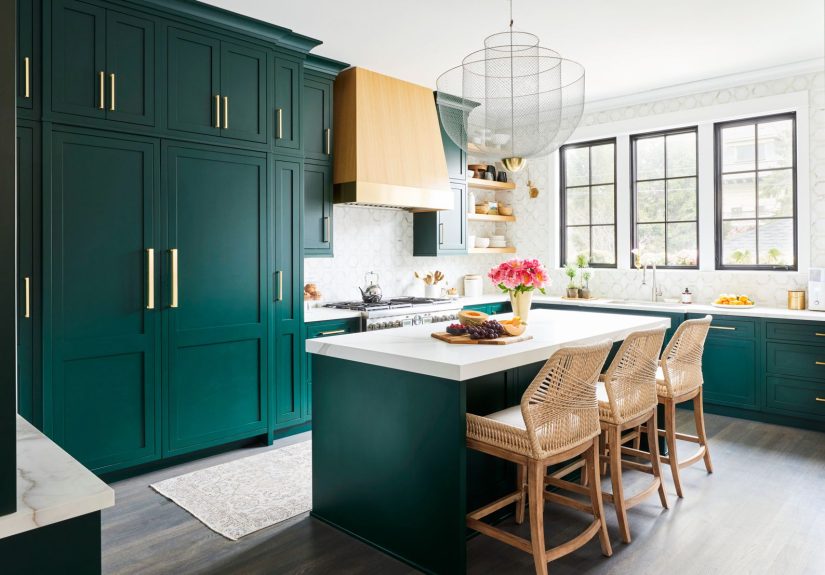
- Shaker (Clean, Versatile, Almost Universally Safe)
- Slab / Flat-Panel (Modern, Minimal, Easy on the Eyes)
- Raised Panel (Traditional, Detailed, Warm)
- Recessed Panel (Classic Without Being Too Formal)
- Inset Doors (High-End, Tailored, Precision Required)
- Glass-Front and Open Shelving Moments (Display, Don’t Hide)
- Finishes and Colors: Paint, Stain, and the Great White Cabinet Debate
- Hardware and Storage Features: The Stuff That Makes Cabinets Feel “Expensive”
- How to Choose the Right Types of Kitchen Cabinets for Your Home
- Measuring and Ordering Tips (Avoid the “Oops” That Costs Real Money)
- Final Take: Cabinets Should Fit Your Life, Not Just Your Pinterest Board
- Real-World Experiences: What Homeowners Wish They Knew (and What You Can Steal From Their Lessons)
- 1) “I thought I wanted open shelving… until I owned open shelving.”
- 2) Drawer bases feel like cheatingin a good way.
- 3) The sink cabinet is the cabinet that gets tested the hardest.
- 4) White cabinets are timeless… and also honest.
- 5) Inset doors are gorgeous, but they’re a commitment.
- 6) Cabinets don’t exist alonelighting and hardware change everything.
- 7) “We underestimated how much storage we’d need.”
- 8) The best cabinet plan matches routines, not trends.
- 9) Delivery day is not the day you want surprises.
- 10) “Good-enough” can be perfect if it’s thoughtfully chosen.
Choosing kitchen cabinets sounds simple until you realize cabinets are basically the kitchen’s
“bones,” “wardrobe,” and “storage therapist” all rolled into one. They decide how your kitchen
works (can you reach the blender without doing yoga?), how it looks (warm and classic or sleek
and modern?), and how long it stays lovable before it starts squeaking like a haunted house.
This guide pulls together the most consistent, practical advice you’ll find across U.S. home
improvement retailers, design publications, and cabinet makersthen translates it into plain English.
We’ll walk through the major types of kitchen cabinets (by budget and build), the key construction
choices that actually affect durability, and the style options that make your kitchen feel like “you.”
The 60-Second Cabinet Glossary (So You Don’t Get Ambushed by Jargon)
Before we dive in, here are the terms that show up in almost every cabinet conversation:
- Cabinet box (carcass): The main cabinet body. This is the part you want sturdy.
- Face frame: A frame attached to the front of the box (common in U.S. framed cabinets).
- Frameless (full-access): No face framedoors and hinges mount directly to the box.
- Overlay: How much the door “covers” the front. Full overlay looks more seamless; partial overlay shows more frame.
- Inset: Doors sit inside the frame opening and close flush. Gorgeous… and picky about precision.
- RTA: Ready-to-assemble cabinets you put together (some are surprisingly solid).
Type #1 (The Big One): Cabinets by How They’re Made
When people say “types of kitchen cabinets,” they usually mean one of these categories:
stock, semi-custom, custom, plus a few modern hybrids. This is where budget, lead time,
and layout flexibility collidepolitely, we hope.
Stock Cabinets (Fast, Affordable, Limited Flexibility)
Stock cabinets are mass-produced in standard sizes and configurations. They’re often available
quickly, and they can be a smart choice for straightforward kitchens with standard ceiling heights and
typical appliance placements.
- Best for: Tight budgets, rentals, quick remodels, standard layouts.
- Trade-off: Fewer sizes and fewer “perfect fit” optionsfillers and panels do a lot of work.
- Pro tip: If your layout is odd (narrow walls, weird corners, older-home surprises), stock can still workjust expect more planning around fillers and accessories.
Semi-Custom Cabinets (The “Goldilocks” Choice)
Semi-custom cabinets start with standard cabinet “bones,” then offer a menu of upgrades:
more sizes, more depths, more finishes, and more storage accessories (pull-outs, organizers, trash
rollouts, spice pull-outs, the whole “my kitchen is finally under control” fantasy).
- Best for: Most homeowners who want a tailored look without full custom pricing.
- Why people love them: You can usually solve common layout annoyances (like a too-narrow pantry gap) without reinventing the entire kitchen.
- Watch for: Lead times can be longer than stockplan around delivery windows.
Custom Cabinets (Made for Your Kitchen, Not “A” Kitchen)
Custom cabinetry is built to your exact space. That means you can match quirky angles,
maximize every inch, and choose details that make your kitchen feel intentionally designed rather than
“assembled from aisle 7.”
- Best for: Older homes, high-end renovations, unusual layouts, or anyone with very specific design goals.
- Biggest advantage: Controlsizes, materials, door styles, storage, finish, and special features.
- Reality check: Custom takes longer and requires more decisions. If you hate decisions, custom can feel like an endless menu with no “chef’s choice” option.
RTA (Ready-to-Assemble) Cabinets (Budget-Friendly, DIY-Dependent)
RTA cabinets arrive flat-packed and get assembled on-site. Quality ranges widelyfrom
“surprisingly great” to “why is this screw made of sadness?” The difference is usually in materials,
hardware, and manufacturing consistency.
- Best for: DIY-friendly homeowners, budget remodels, and people who don’t mind assembly.
- Tips for success: Look for sturdy joinery, solid drawer boxes, and good slides. And be honest about your patience level.
Hybrid Approaches (Mixing Types to Save Money Where It Counts)
A very common “smart remodel” approach is mixing cabinet types:
- Use stock or RTA for most of the kitchen, then upgrade a few focal points (like a pantry wall or island).
- Choose semi-custom for tricky zones (corners, tall pantry runs) and stock elsewhere.
- Go custom only where your home demands it (odd angles, historic trim alignment, specialty built-ins).
Type #2: Cabinets by Construction (Framed vs. Frameless)
Construction style changes how cabinets look, how much access you get inside, and sometimes how easy
they are to install and align.
Framed Cabinets (Classic U.S. Standard)
Framed cabinets have a face frame attached to the front of the box. This style is common in
the U.S. and works beautifully with traditional, transitional, farmhouse, and many classic kitchens.
- Pros: Familiar look, often very forgiving during installation, strong frame at the front.
- Cons: Slightly less “full access” inside because the frame creates an opening.
- Best for: Traditional styles, inset doors, and homeowners who like classic detailing.
Frameless Cabinets (Full-Access / “European Style”)
Frameless cabinets skip the face frame and rely on a sturdy box. The result is a sleeker,
more modern look and typically a wider opening for drawers and shelves.
- Pros: More access and a clean, modern line; great for full overlay doors.
- Cons: Installation needs careful leveling and alignment; box strength matters more.
- Best for: Modern and minimalist kitchens, small kitchens where every inch counts.
Type #3: Cabinets by Material (What They’re Made Of)
Cabinet material choices affect durability, moisture resistance, how well doors stay aligned, and how
nicely finishes hold up. Here’s the practical breakdown homeowners care about most.
Solid Wood (Great for Doors, Not Always Ideal for Boxes)
Solid wood is strong and classic, especially for door frames. But solid wood can expand and contract
with humidity, which is why you’ll often see it used in door frames with center panels designed to “float.”
- Great for: Door frames, face frames, and visible trim details.
- Watch for: Quality of finish and construction matters more than “wood” as a buzzword.
Plywood (Popular for Strong Cabinet Boxes)
Plywood is made of layered wood veneers and is widely used for cabinet boxes because it’s stable,
holds screws well, and resists warping better than many low-cost alternatives.
- Great for: Cabinet boxes, shelves (especially thicker shelves), and durable builds.
- Watch for: Thickness, edge quality, and whether the interior is well-finished and sealed.
MDF (Smooth, Paint-Friendly, But Don’t Let It Marinate in Water)
MDF (medium-density fiberboard) is engineered wood fiber. It’s extremely smoothso painted doors can
look fantastic. It can be a strong choice for painted door panels and some components, but it doesn’t
love prolonged moisture exposure.
- Great for: Painted doors, decorative panels, smooth modern looks.
- Watch for: Sealing, edge banding, and sink/base cabinet protection.
Particleboard (Budget-Friendly, Performance Depends on Quality & Sealing)
Particleboard is made of wood particles and resin. You’ll find it in many budget cabinets and some
“system” cabinet lines. When it’s properly sealed and edge-banded, it can hold up well in normal use.
Where it struggles is repeated water exposure or damage that lets moisture in.
- Great for: Tight budgets, dry zones, and homeowners prioritizing cost and speed.
- Watch for: Swelling risk if water gets into exposed edgesespecially near sinks and dishwashers.
Laminate, Thermofoil, and Veneer (Finish Systems That Change the “Feel”)
Many cabinets use a core material (like MDF or particleboard) with a surface finish:
- Laminate: Durable and easy to clean; great for busy kitchens and contemporary looks.
- Thermofoil: A vinyl film heat-wrapped over a core; smooth and budget-friendly, but heat and damage can be issues near ovens if not designed well.
- Wood veneer: A thin real-wood layer over a coreoften gives a wood look at a lower cost than solid wood.
Type #4: Cabinets by Where They Go (Base, Wall, Tall, and Specialty)
This category is less glamorous, but it’s where function lives. A beautiful kitchen that stores nothing
is basically a showroom you have to cook in.
Base Cabinets
Base cabinets sit on the floor and support countertops. They’re the workhorses: sink bases, drawer
bases, trash pull-outs, and corner solutions live here.
- Smart upgrade: Choose more drawers in base runs when possible. Drawers make items easier to reach than deep shelves.
Wall Cabinets
Wall cabinets mount above counters. They add storage without taking floor space, but height matters.
Too high and you’ll need a step stool; too low and your coffee maker will bonk its head.
- Design tip: Taller uppers can make ceilings feel higher and reduce dust-collecting gaps.
Tall Cabinets (Pantries, Oven Towers, Utility Storage)
Tall cabinets are where you can win back serious organization. Pantry pull-outs, broom closets, and
built-in oven/microwave towers can streamline your kitchen routines.
- Best for: Families, avid cooks, and anyone who’s tired of “pantry archaeology.”
Specialty Cabinets (The “Solve a Problem” Category)
Specialty cabinets exist to fix kitchen pain points:
- Corner cabinets: Lazy Susans, blind-corner pull-outs, or diagonal corner solutions.
- Appliance garages: Hide small appliances without giving up counter access.
- Spice pull-outs: Narrow but mightygreat beside ranges.
- Trash/recycling pull-outs: A life upgrade you’ll notice daily.
Type #5: Cabinets by Door Style (What Everyone Actually Notices)
If cabinet construction is the “engine,” door style is the paint job. It’s the first thing your eyes land on.
These are the most common cabinet door styles you’ll see in American kitchens.
Shaker (Clean, Versatile, Almost Universally Safe)
Shaker doors have a simple frame with a recessed center panel. They work with transitional, farmhouse,
modern, and classic kitchensbasically the “white sneakers” of cabinet doors.
Slab / Flat-Panel (Modern, Minimal, Easy on the Eyes)
Flat-panel doors create a sleek look. They’re common in contemporary and Scandinavian-inspired kitchens,
and they pair beautifully with frameless cabinets and full overlay designs.
Raised Panel (Traditional, Detailed, Warm)
Raised panel doors have a center panel that “pops” forward. If you want a more ornate, classic feel,
raised panel is a familiar favorite.
Recessed Panel (Classic Without Being Too Formal)
Similar to Shaker in concept but often with different proportions and detailing, recessed panel doors
can read traditional or transitional depending on the finish and hardware.
Inset Doors (High-End, Tailored, Precision Required)
Inset doors sit flush within the face frame. The look is crisp and furniture-like, but it demands very
accurate craftsmanship and stable installationbecause inset doors are not interested in your “close enough.”
Glass-Front and Open Shelving Moments (Display, Don’t Hide)
Glass-front doors can break up a wall of cabinetry and make kitchens feel lighter. Just remember:
glass cabinets are like social mediawhat’s inside is visible, so you’ll want it tidy(ish).
Finishes and Colors: Paint, Stain, and the Great White Cabinet Debate
Finish affects maintenance, longevity, and how your cabinets handle real life (fingerprints, spaghetti sauce,
and that one friend who cooks with turmeric like it’s confetti).
Painted Cabinets
Painted cabinets are popular for a reason: they look clean, fresh, and can be modern or classic depending
on door style. They may show wear at high-touch spots over time, especially around knobs and pulls.
Stained Wood
Stain highlights wood grain and brings warmth. It can be forgiving for everyday wear because minor scuffs
don’t always scream for attention the way chips in paint can.
Laminate and High-Performance Surfaces
For busy households, durable surfaces can be a smart move. They’re often easy to wipe down and resist
staining better than some traditional finishes.
Hardware and Storage Features: The Stuff That Makes Cabinets Feel “Expensive”
Two kitchens can use similar cabinet boxes and doors, but hardware and storage details can make one feel
builder-basic and the other feel custom. Consider these upgrades:
- Soft-close hinges and slides: Less slamming, more peace.
- Full-extension drawer slides: You can actually reach the back of the drawer without becoming an amateur contortionist.
- Dovetail drawer boxes: A classic sign of solid drawer construction (not the only good option, but a good one).
- Roll-out shelves: Especially helpful in base cabinets for pots, pans, and small appliances.
- Divider systems: Vertical tray dividers, utensil organizers, and pull-out spice storage keep chaos from multiplying.
How to Choose the Right Types of Kitchen Cabinets for Your Home
If you’re staring at 47 cabinet options and questioning every life choice, use this simple decision map:
Step 1: Decide Your “Big Three” Priorities
- Budget: Do you want the best value today, or the longest lifespan over time?
- Timeline: Are you remodeling fast, or can you wait for lead times?
- Fit: Is your kitchen standard, or does it have quirks that demand customization?
Step 2: Match a Cabinet Type to Your Reality
- Standard suburban kitchen + practical budget: Semi-custom is usually the sweet spot.
- Rental or quick refresh: Stock or RTA, upgraded with great hardware and lighting.
- Old home with uneven walls + detailed trim: Custom (or semi-custom with smart fillers and panels) can save headaches.
- Small condo kitchen: Frameless/full-access cabinets can help maximize storage space and opening width.
Step 3: Don’t Forget “Zone Planning”
Cabinets aren’t just containersthey’re workflow. Group items by zone:
- Cooking zone: Pots, pans, spices, utensils near the range.
- Prep zone: Knives, cutting boards, mixing bowls near the main counter.
- Cleaning zone: Trash, dish soap, towels near the sink and dishwasher.
- Storage zone: Pantry and food storage where it’s easy to access and restock.
Measuring and Ordering Tips (Avoid the “Oops” That Costs Real Money)
- Measure twice, then measure again after coffee. Include ceiling height, window trim, outlet placements, and appliance specs.
- Plan for fillers and panels. They’re not glamorous, but they make layouts work and look finished.
- Think about door swing conflicts. Corners, dishwashers, and fridge doors can create traffic jams.
- Don’t skip toe-kick and crown details. Those finishing touches can make stock cabinets look far more custom.
Final Take: Cabinets Should Fit Your Life, Not Just Your Pinterest Board
The best kitchen cabinets aren’t necessarily the most expensivethey’re the ones that match how you live.
Start by choosing a cabinet category (stock, semi-custom, custom, or RTA), then focus on construction and
materials that will hold up in your kitchen’s “real world.” After that, pick door style and finish that
make you happy every time you walk inbecause you’ll see these cabinets more often than some relatives.
Real-World Experiences: What Homeowners Wish They Knew (and What You Can Steal From Their Lessons)
If you read enough remodel stories, a few themes show up again and againlike a kitchen renovation version of
“groundhog day,” but with more cabinet samples and fewer naps. Here are the most common experiences homeowners
share after choosing (and living with) their kitchen cabinetsso you can learn the lesson without paying the
tuition.
1) “I thought I wanted open shelving… until I owned open shelving.”
Many homeowners love open shelves in photos, but realize later that shelves require consistent tidiness. If you
enjoy a relaxed kitchen (read: you cook a lot and don’t style your dishes like a catalog), consider a compromise:
one or two open shelves, or a few glass-front cabinets to add lightness without putting your entire snack supply on display.
2) Drawer bases feel like cheatingin a good way.
People who switch from mostly-door base cabinets to mostly drawers often say it’s the single biggest “why didn’t I do this sooner”
upgrade. Drawers make it easier to see and reach items, which reduces duplicate buying and the classic mystery:
“We own three whisks, but I can’t find one.”
3) The sink cabinet is the cabinet that gets tested the hardest.
Cabinets near water (especially the sink base) see leaks, drips, and cleaning-product spills. Homeowners frequently wish they’d
protected this zone better: using a waterproof mat, sealing vulnerable edges, adding a pull-out for trash and detergents, and
keeping plumbing access easy. If you’re going to “upgrade one area,” this is a smart candidate.
4) White cabinets are timeless… and also honest.
White cabinets remain popular because they brighten kitchens and work with almost any style. The lived experience? White shows grime,
fingerprints, and scuffs more than mid-tone finishes. Homeowners who stay happy with white cabinets usually do two things:
choose a durable finish and accept that a quick wipe-down becomes part of lifelike brushing your teeth, but for your pantry wall.
5) Inset doors are gorgeous, but they’re a commitment.
People who choose inset often adore the furniture-like look. The “wish I knew” part is that inset requires precision and stable installation.
In older homes where walls and floors aren’t perfectly square, inset can demand more customization and careful adjustment. If your home
has charming quirks, inset can still workyou just want a plan (and a pro) that respects those quirks.
6) Cabinets don’t exist alonelighting and hardware change everything.
Homeowners often report that modest cabinets can look dramatically more expensive with the right supporting cast:
under-cabinet lighting, well-chosen pulls/knobs, and clean trim details. If your budget is tight, putting a little money into
lighting and hardware can deliver a surprisingly “high-end” feel without changing your entire cabinet order.
7) “We underestimated how much storage we’d need.”
Kitchens collect stuff. Not because you’re messy, but because life happens: kids, hobbies, air fryers, stand mixers, holiday platters,
and that one pan you swear you’ll use for soufflé someday. Homeowners who feel best long-term usually build in a pantry solutioneither
a tall cabinet pantry or a bank of pantry-style storageso daily items don’t take over countertops.
8) The best cabinet plan matches routines, not trends.
One of the most useful “experience-based” tips is to map your kitchen based on your habits. Coffee people benefit from a coffee zone
(mugs, filters, machine, sweeteners). Bakers love a baking zone (mixer storage, sheet pans, measuring tools). If you cook nightly,
you’ll appreciate spices and utensils near the range. Trendy layouts fade; convenient routines don’t.
9) Delivery day is not the day you want surprises.
A common homeowner experience: cabinets arrive and something is offwrong hinge direction, damaged door, missing filler, wrong finish sheen.
The “lesson learned” is to inspect early, keep your order list organized, and build buffer time into your schedule. Cabinets are a big purchase,
and catching problems fast can save weeks of stress.
10) “Good-enough” can be perfect if it’s thoughtfully chosen.
Plenty of homeowners end up thrilled with stock or RTA cabinets because they made smart decisions: durable boxes, great slides, lots of drawers,
and a style that fits the home. The happiest kitchens aren’t always the most expensivethey’re the ones that feel easy to live in.