Table of Contents >> Show >> Hide
- What “Painted Stripe Marine & Black” Actually Is
- Why Marine + Black Is a Power Couple (Not a Design Crime)
- Stripes 101: How They Change the Feel of a Space
- Best Ways to Use Painted Stripe Marine & Black in Real Homes
- Color Pairings That Make Marine & Black Look Intentional
- How to Mix Painted Stripes With Other Patterns (Without Chaos)
- Working With Striped Linen Like a Pro
- Care & Longevity: Keeping Linen Stripes Looking Sharp
- Room-by-Room Styling Ideas
- A Fun Twist: Echo the Stripe With Paint (Without Overdoing It)
- Real-World Experiences With Painted Stripe Marine & Black (The Extra )
- Conclusion: A Stripe That Feels Collected, Not Costume
Some patterns whisper. Painted Stripe Marine & Black confidently walks into the room, orders a seltzer with lime, and somehow makes your whole space look more pulled-togetherwithout trying too hard. It’s a hand-painted-style stripe in a deep “marine” hue paired with midnight black, printed on linen, and designed to be mixed, matched, and lived with.
If you’ve ever wanted stripes that feel relaxed (not “boardroom tie”) and graphic (not “kids’ carnival tent”), this is your sweet spot. Let’s break down what it is, why it works, and how to use it in real rooms without accidentally reinventing the optical-illusion maze from a 90s funhouse.
What “Painted Stripe Marine & Black” Actually Is
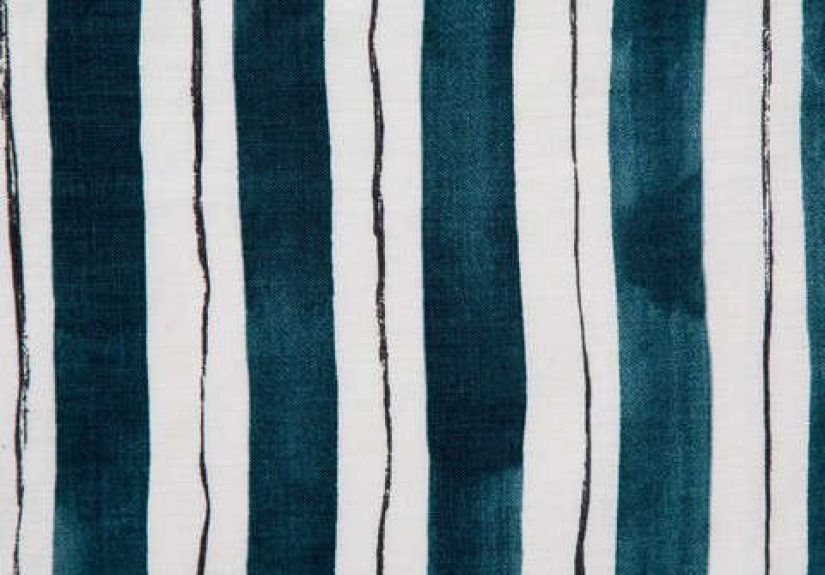
“Painted Stripe Marine & Black” is most commonly known as a printed linen fabric in a painterly stripe patternmeaning the lines have subtle, organic variation instead of looking like a ruler did all the work. That hand-done feel is the whole point: it reads polished, but not precious.
Key characteristics (the practical stuff you’ll care about later)
- Material: 100% Belgian linen (crisp, breathable, naturally textured).
- Look: painterly stripes with slight variationmore “artist’s studio,” less “barcode.”
- Colorway: marine (a deep ocean-leaning hue) + midnight black for contrast and depth.
- Use cases: upholstery accents, pillows, drapery, shades, and soft furnishings that want structure.
- Bonus: stripes are one of the easiest patterns to treat like a “neutral,” even when they’re bold.
Translation: it’s a classic stripe with modern attitude. It plays well with minimalist interiors, coastal rooms that don’t want to look like a gift shop, and even warm, rustic spaces that need a sharper edge.
Why Marine + Black Is a Power Couple (Not a Design Crime)
There’s an old “rule” floating around that says navy (or deep blue) and black shouldn’t mix. Interior designers have been happily breaking that rule for yearsbecause the combo is elegant, grounding, and surprisingly versatile when you balance it with texture and a few warmer notes.
What the colors do in a room
- Marine brings depth without shouting. Depending on lighting, it can read slightly bluer or slightly greenerlike seawater that can’t decide what mood it’s in.
- Black adds definition. It outlines, sharpens, and makes other colors look more intentional (even if you picked them at 11:58 p.m. while doom-scrolling).
The magic move is to keep at least one “softener” in the room: natural wood, warm metals (brass is a fan favorite), creamy whites, or textured neutrals (bouclé, jute, wool). That’s how you get “designed” instead of “dark and angry.”
Stripes 101: How They Change the Feel of a Space
Stripes aren’t just decorationthey’re visual direction. They guide your eye, set rhythm, and can even change how big a room feels. That’s why stripes can look effortlessly chic in one home… and mildly dizzying in another.
Quick orientation cheat sheet
- Vertical stripes: pull the eye upward (great for low ceilings).
- Horizontal stripes: stretch a space wider (great for narrow rooms).
- Wide stripes: feel bold and modern.
- Narrow stripes: feel tailored, classic, and slightly more subtle from a distance.
Painted Stripe Marine & Black sits in that perfect middle zone: strong enough to read as a statement, relaxed enough to avoid looking like you’re auditioning for “The Official Stripe Museum.”
Best Ways to Use Painted Stripe Marine & Black in Real Homes
The smartest way to use a high-contrast stripe is to decide what job it’s doing in your room. Is it the headliner? The supporting actor? The stunt double that takes all the wear and tear?
1) Pillows and cushions (low commitment, high payoff)
If you’re stripe-curious, start here. A couple of Marine & Black pillows can anchor a neutral sofa, give a white bed some structure, or make a reading chair look “boutique hotel” instead of “I bought this during a life transition.”
- On a white or oatmeal sofa: add 2 striped pillows + 1 textured solid (linen, boucle, or velvet).
- On a camel leather chair: one lumbar stripe pillow looks instantly tailored.
- On a bed: pair stripes with a soft coverlet and one organic print (botanical, abstract, or watercolor).
2) Drapery or Roman shades (major impact, still livable)
Striped window treatments create vertical architectureespecially in rooms where the walls are plain. Marine & Black is bold enough to frame a window beautifully, but it still behaves like a neutral when the rest of the palette is calm.
Pro tip: if your room already has a lot going on (gallery wall, patterned rug, wild upholstery), choose stripes for a simpler application like a tailored Roman shade rather than full drapery panels.
3) Upholstery accents (bench cushions, ottomans, dining seats)
Stripes on upholstery look expensivebecause they require confident choices and clean construction. A small upholstered bench in Marine & Black can become the “this house has taste” piece in an entryway or at the foot of a bed.
- Entry bench: stripes + natural wood + matte black hooks = instant organization chic.
- Breakfast nook banquette: stripes on seat cushions with creamy walls and warm lighting.
- Ottoman: stripes add structure, especially in rooms with plush furniture.
4) Table linens (unexpected, and surprisingly cool)
Marine & Black stripes on a table can look modern and graphicespecially with white dishes, simple glassware, and a little greenery. It’s “weekday dinner” energy, but the kind that looks like you planned it.
Color Pairings That Make Marine & Black Look Intentional
The easiest way to make a stripe feel elevated is to repeat one color elsewhere in the room and then add one accent that warms everything up. Marine plays well with a lot of shades, but these combinations are especially foolproof.
Five easy palettes
- Marine + Black + Cream + Brass
Crisp, classic, and quietly luxurious. Great for living rooms and bedrooms. - Marine + Black + Warm Wood + Linen White
A cozy-modern mix that feels grounded, not stark. - Marine + Black + Mustard
Mustard adds glow and energy without turning the room into a cartoon. - Marine + Black + Blush or Coral
Soft pink tones make the stripe feel fresh (and a little fashion-forward). - Marine + Black + Olive + Natural Fiber
Earthy, layered, and perfect if you like “coastal” but hate seashell décor with a passion.
How to Mix Painted Stripes With Other Patterns (Without Chaos)
Here’s the secret: stripes are basically the jeans of patterns. They can go with a lotif you respect scale, color, and breathing room. When designers talk about mixing patterns, you’ll see the same principles repeated because they work.
The “scale ladder” method
- One large-scale pattern: big floral, oversized geometric, or bold abstract.
- One medium pattern: your Painted Stripe Marine & Black (perfect here).
- One small pattern or texture: tiny check, subtle dot, nubby weave, or tonal print.
Three pattern-mixing rules you can actually remember
- Unify with one color: repeat marine or black in at least two places (art, rug detail, lamp base).
- Let one pattern be the “neutral”: stripes often do this job better than you’d expect.
- Add solids to give your eyes a break: not everything needs to perform.
If you’re nervous, start with a simple formula: stripes + one organic print (like a loose botanical) + a solid textured neutral. That combo reads layered and calmlike you hired someone, even if you did it yourself.
Working With Striped Linen Like a Pro
Stripes are stunning, but they can be picky. The pattern wants clean lines, thoughtful seams, and a little planning. The good news: a bit of prep goes a long wayand saves you from the classic “Why do these stripes look crooked?” moment.
Before you buy: swatches are your best friend
Marine can shift depending on light temperature (daylight vs. warm lamps), wall color, and nearby finishes. Always test a swatch against your paint, flooring, and the other textiles in the room. It’s cheaper than buying a whole yard and then emotionally avoiding it in a closet for two years.
About “railroaded” stripes (and why it matters)
Some striped fabrics are produced so the stripe direction runs in a way that makes certain cuts easierespecially for upholstery. If your project involves cushions, benches, or a headboard, ask your workroom how they prefer the pattern oriented and how that impacts yardage.
Pattern matching: when to bother
- Pillows: don’t stress itslight variation looks artisanal and relaxed.
- Drapery panels: match at the leading edge (the part you see most) for a cleaner look.
- Banquettes/bench seats: invest in alignment. Stripes that drift across seams are noticeable.
Care & Longevity: Keeping Linen Stripes Looking Sharp
Linen is a natural fiber with a natural personality. It’s breathable, textured, and yeswrinkles are part of the charm. The goal is “beautifully lived-in,” not “folded like a spreadsheet.”
Everyday care tips
- Vacuum upholstered pieces regularly using a brush attachment to keep dust from embedding.
- Spot treat quickly (your future self will thank you).
- Use gentle washing when the item is made to be laundered (cold water and mild detergent are common go-tos).
- Avoid high heat to reduce shrinkage and color stress.
For removable covers, washing inside-out on a gentle cycle can reduce surface wear and help preserve the visible side. For upholstery you can’t remove, stick to vacuuming, careful spot treatment, and professional cleaning when needed.
Room-by-Room Styling Ideas
Living room: the “tailored but comfy” recipe
Start with a neutral base (cream sofa, natural rug), add one Marine & Black stripe element (pillows or an ottoman), then layer in warmth: wood, leather, brass, and one accent color (mustard, rust, or soft pink). Finish with a plant, because plants make everyone look more responsible.
Bedroom: boutique-hotel calm, minus the lobby music
Use stripes on a lumbar pillow or bench cushion, keep bedding mostly solid, and add texture: quilted coverlet, linen sheets, or a nubby throw. Marine & Black looks especially good with creamy walls and warm bedside lighting.
Kitchen or breakfast nook: graphic and clean
Try striped seat cushions or café curtains. Pair with matte black hardware and natural wood tones. If you want a little extra polish, introduce brass lighting or a warm-toned runner.
Entryway: small space, big payoff
An upholstered bench in Painted Stripe Marine & Black can be the focal point. Add a simple mirror, black hooks, and a woven basket for shoes. Suddenly your entry has “design intention” instead of “mail pile energy.”
A Fun Twist: Echo the Stripe With Paint (Without Overdoing It)
If you love the vibe but want to commit in a different way, consider a painted stripe wall in a powder room, hallway, or kid’s room. Painted stripes can add energy, structure, and a custom feelespecially when you keep the palette simple.
The trick to clean-looking stripes is patience (and painter’s tape). Measure carefully, plan your widths, and don’t rush the drying time unless you enjoy surprise “abstract expressionism” on your walls.
Real-World Experiences With Painted Stripe Marine & Black (The Extra )
In real homes, Painted Stripe Marine & Black tends to show up in the exact places people want impact without regret. That’s why you’ll often see it used on smaller upholstery piecesbanquette cushions, ottomans, and bencheswhere the stripe reads bold but doesn’t dominate your entire field of vision every day. Homeowners and designers often describe the pattern as a “smart neutral,” because even though it’s high-contrast, it behaves like a foundational element. It doesn’t fight for attention the way a busy floral can, and it doesn’t disappear the way a flat solid sometimes does.
One common experience: marine is a little bit of a shape-shifter. In a bright, cool daylight room, it can read crisp and coastal; under warm bulbs at night, it can deepen and feel moodiermore dramatic, more lounge-y. That’s why swatching is such a recurring theme among people who have used the fabric successfully. The best results usually come from pinning a swatch to the wall near the window, then checking it again near the lamp you actually use. (Your ceiling fixture may be the star of your listing photos, but your table lamp is the star of your actual life.)
Another very real lesson: stripes reward clean construction. If a pillow seam drifts, you’ll notice. If a bench cushion is slightly off-square, you’ll notice. The upside is that the finished piece looks custom in a way solids often don’t. People who work with stripes frequently recommend deciding early whether you want “perfectly aligned” or “relaxed and painterly,” then committing to that choice. Perfect alignment is gorgeous on tailored pieces (like a bench or Roman shade). Relaxed placement is charming on casual throw pillowsespecially when the stripe itself is intentionally imperfect and hand-painted in spirit.
Pattern mixing experiences tend to follow a predictable path: first, a little fear; then, one brave purchase; then, sudden confidence. A popular approach is to pair the stripe with one organic print (like a loose botanical) and one texture (like a chunky woven throw). That trio keeps the room from feeling too “theme-y.” And because the palette is marine + black, you can warm it up with brass, oak, or even a small shot of mustard or coral without it looking like you lost a bet at the paint counter.
In households with kids or pets, people often report liking the practicality of darker stripes: minor everyday wear doesn’t show as quickly as it would on pale upholstery. That said, the “real-life” win isn’t that it’s magically stain-proofit’s that it’s psychologically forgiving. When your fabric doesn’t look fragile, you treat your home like a home. You sit on the bench. You use the pillows. You stop acting like the living room is a museum gallery where you’re only allowed to stand and whisper. And that’s the best design outcome of all: it looks great, and you actually live in it.