Table of Contents >> Show >> Hide
- Why the Picardie Shape Works So Well (and Why People Keep Copying It)
- From Glass to Clay: What Changes (and Why You Might Prefer It)
- The California Connection: Picardie-Inspired Tumblers as Studio Pottery
- How to Use Picardie-Inspired Ceramic Tumblers (Beyond “Put Liquid In Cup”)
- What to Look For When Buying Picardie-Inspired Ceramic Tumblers
- Care Tips So They Stay Beautiful (and Don’t Turn Into “One Survived”)
- Style Ideas: How to Make Them Look Like You Did This On Purpose
- Why This Trend Has Staying Power
- Experience: Living With Picardie-Inspired Ceramic Tumblers (A 500-Word Reality Check)
There are certain objects that quietly run the world. Paper clips. Wooden spoons. The one hoodie you “borrowed” in 2019 and never returned.
Add to that list: the French bistro tumblerspecifically the Picardie-style glassfamous for its softly faceted sides, easy grip, and “I belong in a
sunlit café even if I’m standing in my kitchen in sweatpants” energy.
Now imagine that classic silhouette reinterpreted in clay: warmer in the hand, friendlier to hot drinks, and just imperfect enough to feel human.
That’s the charm of Picardie-inspired ceramic tumblersa California detour that turns a humble design icon into a handmade everyday upgrade.
And yes, they’re equally good for espresso at 8 a.m. and wine at 8 p.m. (California efficiency is real.)
Why the Picardie Shape Works So Well (and Why People Keep Copying It)
The Picardie silhouette became beloved because it’s practical in all the ways that matter. The facets aren’t just decoration; they make the cup easier
to hold, especially when condensation turns your glass into a tiny slip-and-slide. The slightly flared rim is comfortable to drink from, and the overall
proportions feel “right” whether you’re pouring water, juice, coffee, or a casual pour of wine.
In the U.S., the Picardie tumbler has earned a reputation as a go-to “everyday glass”the kind you can stack, wash a thousand times, and keep using
without treating it like a fragile heirloom. That durability and utility is part of why so many American home cooks, editors, and restaurants keep
coming back to the shape.
A shape that fits modern habits
American kitchens are multi-taskers: the same cup might hold cold brew at breakfast, water during meetings, and a nightcap after you’ve finally answered
all the texts you ignored. Picardie-style proportions match that rhythm. It’s the opposite of fussy drinkware. No stems, no anxiety, no special occasion
requiredjust a solid vessel that quietly does its job.
From Glass to Clay: What Changes (and Why You Might Prefer It)
Here’s the fun part: when you translate the Picardie idea into ceramics, you’re not making a “ceramic version of glass.”
You’re making a different object with the same design DNA. Clay brings new benefitsand a few tradeoffs worth understanding.
What ceramic does better
- Heat comfort: A ceramic tumbler can feel nicer for hot drinksespecially espresso, cortados, tea, or a small pour of coffee.
- Texture and grip: Handmade facets can be more tactile than molded glassless “factory perfect,” more “crafted.”
- Visual warmth: Glazes soften the silhouette. Even a minimalist white tumbler reads as cozy instead of clinical.
- Small-batch personality: Tiny variations in shape and glaze create that “no two are exactly alike” satisfaction.
Where ceramic asks for a little respect
- Chipping risk: Ceramic can chip if banged hard on stone counters or stacked recklessly.
- Weight: Some ceramic tumblers are heavier than glass, which many people love… until they try to pack eight for a picnic.
- Glaze and care: Most are dishwasher-safe, but handmade pieces may last longer with gentle washing and mindful stacking.
The bottom line: if your drink routine includes hot beverages and you like objects that feel madenot manufacturedPicardie-inspired ceramic tumblers
can be a surprisingly meaningful upgrade.
The California Connection: Picardie-Inspired Tumblers as Studio Pottery
California has a long, recognizable design language: relaxed, functional, modern, and a little sun-kissedeven when the weather is doing its dramatic
“marine layer” performance. It’s a place where craft and utility often share the same address.
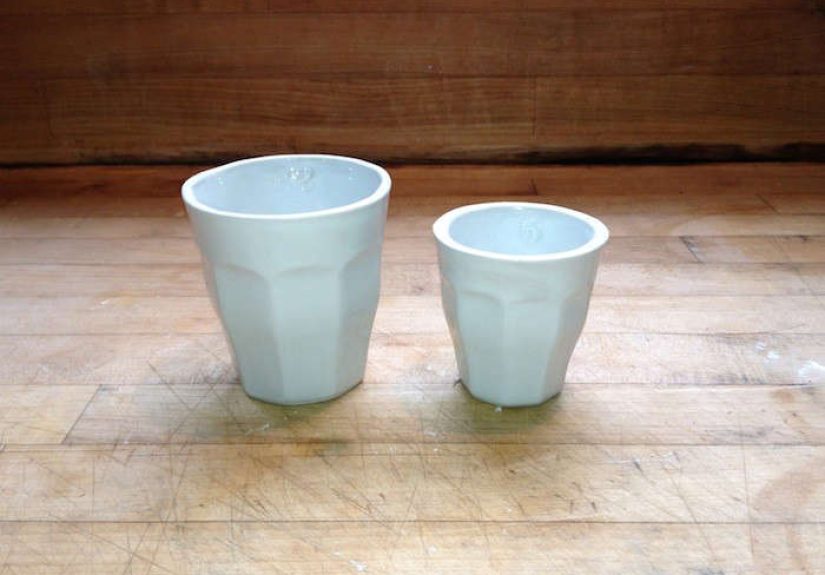
One of the clearest examples of this cross-cultural remix comes from California-based potter Kelly Farley, whose faceted ceramic tumblers
were highlighted as being based on the classic French bistro glass shape. The pitch is wonderfully straightforward:
a tumbler that feels at home with espresso or wine, depending on the time of day. That’s not marketing fluffthat’s an actual lifestyle description.
In other words, the California twist isn’t about reinventing the wheel. It’s about taking a proven form and making it more tactile, more personal,
and more aligned with how people actually live: casually, constantly, and with snacks within arm’s reach.
What “Picardie-inspired” looks like in ceramics
The best interpretations keep the essential geometry: a compact footprint, faceted sides, and a rim that feels comfortable without being precious.
But makers often tweak the details to suit clayslightly thicker walls for durability, a softened foot for stability, or subtle changes to the facets
that create deeper shadows and a more sculptural look.
How to Use Picardie-Inspired Ceramic Tumblers (Beyond “Put Liquid In Cup”)
Sure, they’re tumblers. But the appeal is how effortlessly they slide into real life. Here are specific, highly tested (by people who love snacks)
ways these cups tend to earn their keep.
1) Espresso, cortados, and “coffee that means business”
The smaller ceramic Picardie-inspired sizes are great for espresso and short milk drinks. Ceramic’s heat retention can help keep a shot warmer a bit longer,
and the faceted shape makes it easy to hold without feeling like you’re gripping a thimble of lava.
2) Wine without the performance
The Picardie silhouette has become popular for casual wine service in certain U.S. restaurants because it feels effortless: no stems to snap,
no “is this the correct glass for this grape?” debate. A ceramic tumbler leans even harder into the vibeespecially for weeknight reds,
chilled light-bodied wines, or spritzes that are more “fun” than “formal tasting notes.”
3) Water, iced drinks, and everyday hydration that looks intentional
Facets add grip, and ceramic can make a simple glass of water feel… oddly luxurious. Add ice, citrus, or a cucumber slice and suddenly you’re the kind of
person who “hydrates,” not just “drinks water when reminded.”
4) Desserts and snacks: the secret second job
Ceramic tumblers are excellent for parfaits, ice cream, pudding, berries, or even a “tiny salad” that makes you feel like you’re starring in your own
wellness montage. The shape looks neat and contained, which is basically what everyone wants their life to look like.
What to Look For When Buying Picardie-Inspired Ceramic Tumblers
Handmade ceramics vary more than factory glassware. That’s the pointand also the reason you should shop with a little strategy.
Here’s what matters most if you want tumblers that will age well.
Proportions and capacity
Decide what you’ll use them for most. If you want espresso or tea, look for smaller capacities (roughly 3–6 oz).
If you want water and wine, you’ll likely prefer something around 8–12 oz. Many people end up happiest with a mixed set:
a “small for mornings” and a “large for everything else.”
Wall thickness and rim feel
A too-thick rim can feel clunky; too thin can feel delicate. The sweet spot is a rim that feels smooth and confidentlike it can handle daily life
without needing a pep talk.
Glaze choice and surface behavior
If you drink coffee or tea daily, consider glazes known to resist staining. Matte glazes can be beautiful but may show marks more easily depending on the
formulation. Glossy interiors often clean up faster. A practical compromise: matte outside, glossy inside.
Stackability (a very underrated feature)
One of the reasons people love the original Picardie is how neatly it stores. Some ceramic versions stack well; others are intentionally sculptural and
prefer to be admired individually like small pottery celebrities. If cabinet efficiency matters, check whether the maker designs them to nest.
Care Tips So They Stay Beautiful (and Don’t Turn Into “One Survived”)
Ceramic tumblers can absolutely be everyday workhorsesespecially if they’re well made and properly fired. But they do better with a few simple habits:
- Use a softer landing: If you have stone counters, set tumblers down gently to reduce chipping risk.
- Mind the stack: If stacking, consider a small cloth liner between pieces, especially for matte glazes.
- Skip thermal shock: Don’t go from freezer-cold to boiling-hot instantly. Gradual changes are kinder to ceramics.
- Stain rescue: For coffee/tea stains, a baking soda paste or oxygen-based cleaner often helps (check maker guidance first).
Treat them like daily tools, not museum piecesbut also not like you’re auditioning for a “plates versus gravity” challenge.
Style Ideas: How to Make Them Look Like You Did This On Purpose
The beauty of Picardie-inspired ceramic tumblers is that they’re low-key stylish. They don’t demand a matching set of twelve in identical glaze.
In fact, a little mix-and-match can look more modern.
Easy styling wins
- Monochrome set: Same shape, varied whites/creamsquiet, calm, and very “California minimal.”
- Earth palette: Sand, clay, olive, and charcoal glazesgreat with linen napkins and wooden boards.
- One wildcard: Keep most tumblers neutral, add one bright glaze as a “personality piece.”
- Glass + ceramic pairing: Use glass Picardie tumblers for water and ceramic for hot drinks and wine. It feels curated, not chaotic.
Why This Trend Has Staying Power
Some design trends are basically a costume change. This one isn’t. It’s rooted in function: a proven shape that stores well, holds many beverages,
and feels good in the hand. The California ceramic version adds a second layer: craft.
In a world of disposable everything, a small handmade tumbler is the kind of object that quietly pushes back. It turns daily routines into something
slightly more grounded. Not because it’s expensive or flashybut because it’s thoughtful.
Experience: Living With Picardie-Inspired Ceramic Tumblers (A 500-Word Reality Check)
The first thing you notice isn’t the lookit’s the feel. A Picardie-inspired ceramic tumbler has that satisfying weight that makes a drink feel
more “real,” like you’re not just consuming caffeine, you’re participating in a tiny ritual. I didn’t expect a cup to improve my mood, yet here we are.
The facets do something sneaky: they turn a simple grip into a tactile experience. Your fingers naturally find the grooves, and suddenly holding a drink
feels oddly… secure. Like your beverage is wearing a seatbelt.
Morning test: espresso. The ceramic wins immediately. It’s warm in a comforting way, not the “why is my glass trying to cook me?” way.
A small tumbler is especially nice for short drinks because it doesn’t feel oversized or awkward. I’m not saying it made me more productive,
but I will say I started using words like “agenda” before noon, so draw your own conclusions.
Afternoon test: iced drinks. Here’s where ceramic behaves differently than glass. With glass, you get instant condensation and that classic cold sparkle.
With ceramic, the chill feels softerstill cold, but less aggressively so. It’s like the drink is wearing a sweater.
Also: fewer water rings. If you’ve ever found mysterious damp circles on a table and blamed a ghost, ceramic can reduce your paranormal investigations.
Dinner test: wine. This is where the “bistro shape” makes sense. You don’t baby it. You can swirl a little, you can sip without worrying about snapping a stem,
and it feels casual in the best way. On a weeknight, that’s exactly the point. A ceramic tumbler doesn’t pretend every pour is a formal tasting.
It says, “Relax. You’re eating pasta. This is a good life.”
Practical reality check: you do have to treat them with a touch more care than tempered glass. Not delicate carejust basic adult care.
Don’t toss them into a sink like you’re playing dishwasher basketball. Don’t stack them while half-asleep and late for a meeting.
If the glaze is matte, you’ll learn that metal utensils and tight stacking can leave little marks (most of which clean off, but still).
And if you drink coffee daily, you’ll appreciate a glaze that doesn’t stain easilyor at least one that doesn’t hold grudges.
The unexpected benefit is how quickly they become “your cup.” Not in a possessive way (okay, maybe slightly), but in a practical way:
you reach for the same tumbler because it feels right. It fits your hand. It holds the amount you actually drink. It stacks neatly or sits nicely on the counter.
And because it’s handmade, it has small signs of lifetiny variations that make it feel like an object with a story, not a product with a barcode.
Which is a very California way of saying: yes, a cup can have vibes, and yes, you will care.