Table of Contents >> Show >> Hide
- What Does “Candied” Mean Here?
- Ingredients for the Master Recipe
- How to Make Candied Figs, Apricots, or Pear Tomatoes
- Ingredient-Specific Tips for Best Results
- Common Mistakes to Avoid
- How to Serve Candied Figs, Apricots, or Pear Tomatoes
- Storage Tips
- Why This Recipe Works for SEO and Real Cooks Alike
- Experience Notes: What This Recipe Feels Like in a Real Kitchen
- Final Thoughts
If your kitchen has ever looked like a farmers market and a sugar jar had a very emotional reunion, this recipe is for you. Candied figs, apricots, and pear tomatoes all live in the same delicious neighborhood: glossy, sweet, slightly concentrated, and wildly useful once they are made. Spoon them over yogurt, tuck them next to cheese, pile them onto toast, or stand at the counter eating them one by one like the classy snack goblin you were always meant to be.
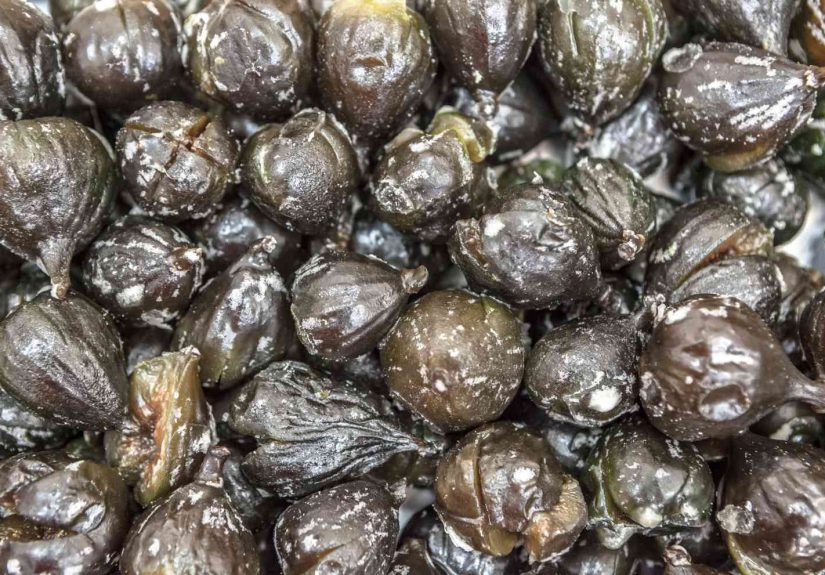
The beauty of this recipe is that it gives you one master method with three ingredient paths. Figs become jammy and elegant. Apricots turn bright, tangy, and almost jewel-like. Pear tomatoes, which are the small pear-shaped tomatoes often treated much like cherry tomatoes, become a sweet-savory little miracle with serious “how is this so good?” energy. The result is part preserve, part dessert topping, part cheese-board showoff.
This article walks you through the ingredients, step-by-step method, ingredient-specific timing, storage tips, serving ideas, and real-world kitchen notes so your batch turns out glossy instead of gummy, flavorful instead of flat, and actually useful instead of becoming that mysterious jar in the back of the refrigerator that no one claims.
What Does “Candied” Mean Here?
In this recipe, “candied” does not mean hard-crack candy or carnival-apple drama. It means the fruit or tomatoes are gently cooked in sugar syrup until they absorb sweetness, lose some water, and develop a shiny, concentrated finish. Think soft, spoonable, and luxurious. For figs and apricots, the syrupy route creates something close to a whole-fruit preserve. For pear tomatoes, the same sweet treatment meets a lower, slower finish so the tomatoes keep their shape and deepen in flavor rather than collapsing into tomato soup with ambitions.
That difference matters. Figs and apricots lean dessert. Pear tomatoes flirt with dessert, then wander happily into savory territory. Put them beside burrata, goat cheese, ricotta toast, roasted meats, or even a grilled sandwich, and suddenly dinner feels like it has a tiny restaurant budget.
Ingredients for the Master Recipe
Base Ingredients
- 1 pound fresh figs, fresh apricots, or pear tomatoes
- 2 cups granulated sugar
- 2 cups water
- 2 tablespoons lemon juice
- 1 strip lemon zest
- Pinch of kosher salt
- 1 cinnamon stick or 1 small piece of vanilla bean, optional
Optional Flavor Boosters
- 2 to 3 cardamom pods for figs
- A tiny splash of orange juice for apricots
- A few thyme leaves or a whisper of black pepper for pear tomatoes
- Superfine sugar for a final light coating, if you want a drier candied finish
Choose produce that is ripe but not collapsing. Figs should feel soft but not mushy. Apricots should be fragrant and give slightly when pressed. Pear tomatoes should be sweet, small, and firm enough to survive gentle cooking. If your tomatoes are split, super watery, or heading toward salsa without permission, save them for sauce instead.
How to Make Candied Figs, Apricots, or Pear Tomatoes
Step 1: Prep the Produce
Wash and dry everything well.
- For figs: Trim the stems. Leave small figs whole, or halve large ones. Pierce each fig once or twice with a toothpick so the syrup can sneak in politely.
- For apricots: Halve and pit them. If your apricots are very tart, do not panic. Sugar is about to become your best friend.
- For pear tomatoes: Leave them whole if they are tiny, or halve them if they are on the larger side. Pierce each one once with the tip of a knife.
Step 2: Make the Syrup
In a wide, nonreactive saucepan, combine the sugar, water, lemon juice, lemon zest, salt, and any optional spices. Bring the mixture to a gentle boil over medium heat, stirring just until the sugar dissolves. Once the syrup is clear, lower the heat.
Step 3: Add the Fruit or Tomatoes
Add your chosen ingredient in a single layer as much as possible.
- Figs: Simmer gently for 15 to 20 minutes.
- Apricots: Simmer gently for 10 to 15 minutes.
- Pear tomatoes: Simmer gently for 8 to 10 minutes only.
The goal is not chaos. The goal is glossy absorption. You want soft bubbling, not a volcanic sugar event. If the syrup boils too hard, delicate fruit breaks down, tomatoes burst, and the whole project starts looking less “candied” and more “well, this will be good on ice cream, probably.”
Step 4: Cool Overnight
Remove the pan from the heat, cover it loosely, and let the mixture cool completely. Then refrigerate it overnight. This rest is where the magic happens. The fruit settles into the syrup, flavor deepens, and the texture improves. Skipping this step is like baking cookies and refusing to let them cool before judging them. Technically possible, emotionally reckless.
Step 5: Repeat the Gentle Simmer
The next day, bring the mixture back to a low simmer.
- Figs: Simmer 10 to 15 minutes.
- Apricots: Simmer 8 to 10 minutes.
- Pear tomatoes: Simmer 5 to 7 minutes.
If the syrup looks thin, keep simmering until it coats the back of a spoon. If it looks too thick too early, add 1 to 2 tablespoons of water. This is not failure. This is cooking. Syrup has moods.
Step 6: Choose Your Finish
Now you have two great options.
Option A: Syrupy Preserve Finish
Spoon the fruit or tomatoes and syrup into clean jars. Cool completely, cover, and refrigerate. This is the best option if you want a spoonable topping for toast, yogurt, cheesecake, roast chicken, or a cheese board.
Option B: Drier Candied Finish
Lift the fruit or tomatoes from the syrup and place them on a parchment-lined rack. Dry them in a 200°F oven for 45 to 90 minutes, depending on the ingredient and size, until tacky but not wet. Figs and apricots can then be rolled lightly in superfine sugar. Pear tomatoes are usually better left uncoated so they stay sweet-savory instead of drifting into tomato candy confusion.
Ingredient-Specific Tips for Best Results
Candied Figs
Figs are naturally honeyed and soft, so they do not need much bullying. Handle them gently and keep the heat modest. Black Mission figs bring deeper flavor; lighter varieties are milder and prettier in the jar. Candied figs are especially good with blue cheese, goat cheese, mascarpone, walnuts, and toasted brioche. They also make plain oatmeal feel like it has a graduate degree.
Candied Apricots
Apricots have a brighter, more tart profile, which makes them excellent for people who like sweet things with backbone. A little orange zest works beautifully here. If using firmer apricots, cook them a bit longer on the first simmer. If using very ripe ones, shorten the time and handle them like they are tiny edible antiques.
Candied Pear Tomatoes
This is the wildcard version, and honestly, the overachiever. Pear tomatoes have enough sweetness to work with sugar, but they also keep a tomato edge that makes them interesting rather than dessert-only. Add thyme, black pepper, or even the smallest pinch of chile flakes for balance. Serve them with burrata, ricotta, grilled bread, roast pork, turkey sandwiches, or a sharp cheddar. They are also ridiculous on a cracker with cream cheese.
Common Mistakes to Avoid
- Using overripe produce: If it is already collapsing, it will not improve in hot syrup.
- Boiling too hard: Fast boiling roughs up texture and can scorch the syrup.
- Skipping the overnight rest: That pause helps the fruit absorb syrup and become glossy.
- Over-reducing the syrup: You want thick and silky, not spoon-sticking caramel cement.
- Treating the tomato version like a standard shelf-stable canning recipe: For tomatoes, safe long-term canning requires a separately tested acidified formula.
How to Serve Candied Figs, Apricots, or Pear Tomatoes
This is where the recipe really earns its keep. Candied fruit is not a one-hit wonder.
- Serve over Greek yogurt, ricotta, or mascarpone
- Spoon onto cheesecake, pound cake, or vanilla ice cream
- Add to oatmeal, overnight oats, or cottage cheese
- Pair with goat cheese, blue cheese, brie, or aged cheddar
- Use candied pear tomatoes on crostini with burrata or whipped feta
- Layer into a turkey, ham, or prosciutto sandwich for sweet-savory contrast
- Chop and fold into grain salads for a little plot twist
Storage Tips
For this article’s version, store the finished candied fruit or pear tomatoes in clean jars or airtight containers in the refrigerator. The syrupy preserve style is best used within about 2 weeks for peak flavor and texture. The drier version can also be refrigerated and will usually hold a bit longer, but texture is best earlier rather than later. For longer storage, freeze portions and thaw them in the refrigerator before serving.
If you want truly shelf-stable jars, especially with tomatoes, use a tested home-preservation recipe written specifically for canning. That is not me being dramatic. That is me wanting your snack plate to remain charming instead of medically educational.
Why This Recipe Works for SEO and Real Cooks Alike
People searching for a candied figs recipe, candied apricots recipe, or candied pear tomatoes recipe are usually looking for one of three things: a clear method, a flexible ingredient list, and realistic storage advice. This recipe covers all three. It uses a master sugar-syrup technique, offers ingredient-specific timing, and explains where the line sits between delicious preserving and food-safety fiction. It also gives you serving ideas beyond “put on toast,” although yes, definitely put it on toast.
Experience Notes: What This Recipe Feels Like in a Real Kitchen
Making candied figs, apricots, or pear tomatoes is one of those kitchen projects that feels oddly luxurious for something built from sugar, water, and patience. The first time most home cooks try it, the syrup seems too thin, the fruit seems too soft, and the entire pan looks suspiciously like it is not doing enough. Then the overnight rest happens. The next day, the fruit looks glossier, the syrup smells deeper, and suddenly the whole project starts making sense. That moment is the emotional turning point of this recipe.
Figs tend to be the most forgiving. They slump into the syrup in a way that feels cooperative, almost smug. They come out tasting like they belong next to a wedge of blue cheese and a dramatic glass of red wine. Apricots are a little brighter and a little sassier. They hold their shape beautifully when treated gently, and they reward patience with a sweet-tart flavor that makes desserts taste sharper and less sugary in the best way. Pear tomatoes are the surprise favorite for many people because they sound strange on paper and then taste completely logical on the plate. The sweetness wakes up their tomato flavor instead of covering it, especially when paired with herbs, soft cheese, or toasted bread.
There is also something satisfying about how the kitchen smells during the process. Figs smell mellow and warm. Apricots smell sunny and floral. Tomatoes, especially with thyme or pepper, smell like summer decided to dress up. None of these versions require advanced pastry-school skills. What they do require is restraint. Stir less. Boil less aggressively. Stop trying to rush the syrup. This recipe rewards people who can leave well enough alone for ten minutes, which is harder than many of us would like to admit.
Another very normal experience is changing your mind about how to use the finished batch. Many cooks begin with dessert dreams and end up using the preserves on savory food. Candied figs migrate to grilled cheese. Apricots end up on roast chicken. Pear tomatoes get spooned over burrata and disappear before dinner is fully plated. That flexibility is part of what makes the recipe worth repeating. It is not a niche holiday craft. It is a practical small-batch preserve that can make ordinary food taste a little more intentional.
Perhaps the best part is that the result feels more impressive than the labor involved. Set out a small bowl of candied figs or apricots next to cheese, nuts, and crackers, and people assume you have done something grand. Spoon candied pear tomatoes over whipped ricotta, and suddenly everyone starts asking questions in the flattering tone usually reserved for people who own linen napkins. In reality, you mostly simmered syrup and waited overnight. That is the kind of kitchen math worth celebrating.
Final Thoughts
If you want one preserving project that can swing sweet, tangy, or sweet-savory without becoming fussy, this is it. Candied figs are rich and elegant. Candied apricots are bright and versatile. Candied pear tomatoes are the charming oddball that ends up stealing the show. Make one version or make all three, then use them on everything from breakfast bowls to cheese boards. Your refrigerator will look smarter, your snacks will taste better, and your toast will finally have the exciting life it deserves.