Table of Contents >> Show >> Hide
- What is a retinal hemorrhage?
- Why does the retina bleed in the first place?
- Causes of retinal hemorrhage
- 1) Diabetes (diabetic retinopathy)
- 2) High blood pressure (hypertensive retinopathy)
- 3) Retinal vein occlusion (blocked retinal veins)
- 4) Retinal tears, detachment, and vitreous traction (PVD)
- 5) Eye trauma or head/chest trauma
- 6) Macular conditions and abnormal blood vessel growth
- 7) Inflammation or infection inside the eye (uveitis and related conditions)
- 8) Blood disorders and systemic illness
- 9) Medications that affect clotting (blood thinners)
- 10) Sudden straining (Valsalva retinopathy)
- Risk factors: Who’s more likely to develop retinal hemorrhage?
- Symptoms of retinal hemorrhage
- When to treat this as urgent
- How retinal hemorrhage is diagnosed
- What usually happens next (briefly)
- How to lower your risk
- Conclusion
- Real-life experiences: What people notice, feel, and learn (about )
- SEO tags (JSON)
Quick note: This article is for general education and isn’t a substitute for medical care. Eyes are wonderfully complicated, and Google is not a board-certified ophthalmologist.
What is a retinal hemorrhage?
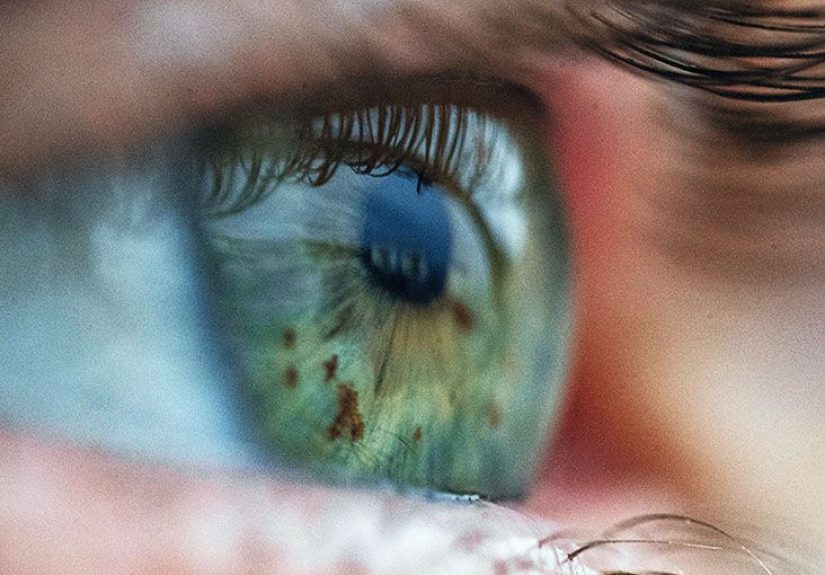
A retinal hemorrhage is bleeding in or around the retinathe paper-thin, light-sensing layer lining the back of your eye. Think of the retina as your eye’s “camera sensor.” When tiny blood vessels in that area leak or rupture, blood can show up as spots, streaks, or larger pools depending on where it lands.
Retinal hemorrhages can be small and silent (found only during an eye exam) or dramatic (sudden blurry vision, dark floaters, or a curtain-like shadow). The key point: a retinal hemorrhage is often a sign of something elselike diabetes, high blood pressure, or a blocked retinal veinrather than a stand-alone diagnosis.
Retinal hemorrhage vs. vitreous hemorrhage
You may also hear about vitreous hemorrhage, which is bleeding into the vitreous (the clear gel filling the center of the eye). Blood in the vitreous can block light and create sudden floaters, haze, or significant vision loss. People often use these terms interchangeably in casual conversation, but they describe different locationsand that matters for evaluation and treatment.
Common “locations” eye doctors describe
- Intraretinal hemorrhage: bleeding within the retina itself.
- Preretinal (subhyaloid) hemorrhage: bleeding on top of the retina, under a thin layer of vitreous interface.
- Subretinal hemorrhage: bleeding under the retina (often discussed in the context of certain macular conditions).
Why does the retina bleed in the first place?
Retinal blood vessels are tiny, delicate, and busylike a dense city road network. They can leak or break when:
- They’re damaged over time (for example, by chronically high blood sugar or high blood pressure).
- Blood flow becomes blocked (like a traffic jam in a retinal vein occlusion).
- They’re pulled or torn (as can happen with vitreous traction or retinal tears).
- Blood doesn’t clot normally (from certain blood disorders or medications).
- Pressure spikes suddenly (like heavy straining in Valsalva retinopathy).
Sometimes a retinal hemorrhage is harmless and resolves. Sometimes it’s a flashing neon sign that your eyeor your whole bodyneeds attention. The trick is knowing which situation you’re in.
Causes of retinal hemorrhage
1) Diabetes (diabetic retinopathy)
Diabetic retinopathy is one of the most common reasons for retinal bleeding. Over time, high blood sugar can damage the retina’s small blood vessels. Early stages may cause leakage and tiny hemorrhages with no symptoms. In more advanced stages, abnormal new vessels can grow; these are fragile and prone to bleeding, sometimes into the vitreous, which can blur or block vision.
Example: Someone with long-standing diabetes might feel their vision is “smudgier” at night, then suddenly notice new dark specks (floaters) after a bleed from fragile vessels. That’s not “just screen fatigue.” That’s your retina filing a formal complaint.
2) High blood pressure (hypertensive retinopathy)
Uncontrolled hypertension can injure retinal arteries and capillaries. Over time, vessel walls can stiffen and narrow, reducing blood flow and increasing the chance of leakage or bleeding. Severe spikes in blood pressure can be particularly risky and may be associated with more dramatic retinal findings.
Because high blood pressure often has no symptoms, the eye can become an unexpected “health dashboard.” An eye exam may reveal changes before you ever feel anything unusual.
3) Retinal vein occlusion (blocked retinal veins)
A retinal vein occlusion happens when a vein draining blood from the retina becomes blockedsimilar to a clogged pipe. Pressure builds behind the blockage, leading to fluid leakage and retinal hemorrhages. Two common types are:
- Central retinal vein occlusion (CRVO): affects the main retinal vein.
- Branch retinal vein occlusion (BRVO): affects a smaller branch vein.
Symptoms can include sudden blurry vision, blind spots, or vision loss in part of your field of view. Risk factors often overlap with cardiovascular issues, such as high blood pressure and diabetes.
4) Retinal tears, detachment, and vitreous traction (PVD)
As we age, the vitreous gel can shrink and pull away from the retinathis is called a posterior vitreous detachment (PVD). PVD itself can be benign, but if the vitreous tugs hard enough, it can cause a retinal tear. Tears can trigger bleeding (sometimes into the vitreous), and they can progress to retinal detachment, which is an emergency.
Classic red flags: a sudden shower of floaters, flashes of light, or a “curtain” moving across your visionespecially after trauma or in people with significant nearsightedness.
5) Eye trauma or head/chest trauma
Direct injury to the eye can cause retinal bleeding. Significant head or chest trauma can also lead to characteristic retinal findings in some cases. If you’ve had a recent injury and notice new visual symptoms, that combination deserves urgent evaluation.
6) Macular conditions and abnormal blood vessel growth
Some retinal and macular diseases involve abnormal blood vessels that can leak or bleed. Certain forms of macular degeneration (especially those involving new vessel growth) can lead to bleeding near or under the retina, affecting central vision.
7) Inflammation or infection inside the eye (uveitis and related conditions)
Inflammation in the eye can involve the retina and its blood vessels. Depending on the type and severity, you may see blurry vision, floaters, light sensitivity, and sometimes hemorrhages as part of a broader inflammatory picture.
8) Blood disorders and systemic illness
Problems affecting the blood’s ability to carry oxygen or clot can contribute to retinal hemorrhages. Examples include:
- Severe anemia (low red blood cells) and related “anemic retinopathy” findings
- Thrombocytopenia (low platelets), which can make bleeding easier
- Leukemia and other blood cancers, sometimes associated with characteristic retinal findings
- Sickle cell disease, which can cause retinal vessel blockage and abnormal new vessel growth
In some systemic conditions, the retina can show distinctive hemorrhages (sometimes described as “white-centered” in certain contexts). Your eye doctor may recommend coordination with your primary care clinician or specialist if the pattern suggests a systemic cause.
9) Medications that affect clotting (blood thinners)
Medications such as anticoagulants and antiplatelet drugs don’t usually create bleeding out of nowhere, but they can increase the amount of bleeding if a fragile retinal vessel breaks from an underlying condition. This is especially relevant when there’s already retinal disease, new vessel growth, or an acute event like a tear-related bleed.
10) Sudden straining (Valsalva retinopathy)
Valsalva retinopathy can occur after a sudden rise in pressure from heavy lifting, intense coughing, vomiting, or straining (yes, even in the bathroom). It typically causes a preretinal hemorrhage, sometimes creating a dramatic central blotch of vision losslike someone placed a red/brown ink spot right over your visual center.
Risk factors: Who’s more likely to develop retinal hemorrhage?
Retinal hemorrhage risk factors often match the risk factors for vascular diseasebecause, spoiler: the retina has blood vessels, and blood vessels respond poorly to chaos.
Health-related risk factors
- Diabetes (especially long duration or poorly controlled blood sugar)
- High blood pressure (especially uncontrolled or severe spikes)
- High cholesterol and cardiovascular disease
- History of retinal vein occlusion or other retinal vascular problems
- Blood disorders (anemia, low platelets, clotting abnormalities)
- Sickle cell disease or other hemoglobin disorders
- Inflammatory eye disease (uveitis and related conditions)
Eye-related risk factors
- Aging (higher risk of vitreous changes and traction)
- Significant nearsightedness (myopia), which can increase risk of retinal tears in some people
- Prior retinal disease (diabetic retinopathy, vein occlusion, macular disease)
- Eye trauma or certain prior eye procedures
Lifestyle and situational risk factors
- Smoking (linked to vascular and retinal disease risk)
- Obesity (often overlaps with diabetes and hypertension risk)
- Intense straining (heavy lifting, severe coughing fits) in susceptible situations
Symptoms of retinal hemorrhage
Here’s the sneaky part: many retinal hemorrhages cause no symptoms at all, especially if they’re small or not near the macula (the central “high-definition” part of the retina). That’s why routine dilated exams are so important for people with diabetes, high blood pressure, or other risk factors.
When symptoms do happen, they often include:
- Floaters (specks, cobwebs, squiggleslike your eye is adding “film grain” you didn’t ask for)
- Blurry or hazy vision
- Blind spots or patches of darkness (scotomas)
- Distorted vision (lines may look wavy if the macula is involved)
- Sudden partial or complete vision loss (especially with larger bleeds or vitreous hemorrhage)
- Flashes of light (more suggestive of vitreous traction or retinal tear than bleeding alone)
Is it painful?
Retinal hemorrhage itself is often painless. If you have significant eye pain, redness, or light sensitivity, that can point toward other issues (like inflammation, elevated eye pressure, or infection) and should be evaluated promptly.
When to treat this as urgent
Call an eye doctor urgently (or seek emergency care) if you experience:
- Sudden vision loss or a major drop in vision
- A “curtain” or shadow moving across your vision
- New flashes with a sudden increase in floaters
- Vision changes after eye/head trauma
- Sudden onset of many dark floaters or a “red haze” (possible vitreous hemorrhage)
These symptoms can indicate a retinal tear, detachment, vein occlusion, or significant bleedingconditions where time really matters.
How retinal hemorrhage is diagnosed
Diagnosis usually starts with a dilated eye exam. From there, your eye doctor may use additional tests to locate bleeding, identify swelling, and figure out the cause:
- Fundus photography to document retinal findings
- Optical coherence tomography (OCT) to evaluate retinal layers and macular swelling
- Fluorescein angiography to assess blood flow and leaking vessels
- Ultrasound if the view is blocked by vitreous hemorrhage and the retina can’t be seen clearly
Because retinal hemorrhages are often linked to systemic health, clinicians may also check (or recommend you check) things like blood pressure, blood sugar/A1C, and sometimes blood counts or clotting studiesdepending on the pattern and your medical history.
What usually happens next (briefly)
Treatment depends on the cause and severity. Options may include:
- Observation for small hemorrhages with stable vision, while addressing underlying risk factors
- Managing the root cause (tightening blood sugar control, treating high blood pressure, addressing cardiovascular risk)
- Eye procedures when needed, such as injections that reduce abnormal vessel growth/leakage, laser treatment for certain retinal diseases, or surgery (vitrectomy) for significant or persistent vitreous bleeding
In many cases, the “eye treatment” and the “whole-body treatment” are a package deal. Your retina is not a separate country with its own lawsit’s part of you.
How to lower your risk
You can’t bubble-wrap your retina (tempting, though). But you can reduce risk by focusing on the big levers:
- Keep diabetes and blood pressure well-controlled with your healthcare team.
- Get regular dilated eye exams, especially if you have diabetes, hypertension, or vascular disease.
- Don’t ignore new symptomsespecially flashes, a sudden flood of floaters, or a curtain-like shadow.
- Use protective eyewear for sports, yard work, and high-risk tasks.
- Work on cardiovascular basics (smoking cessation, movement, and nutrition patterns that support vascular health).
Conclusion
A retinal hemorrhage can be a minor findingor a major warning. The most common causes tie back to diabetes, high blood pressure, retinal vein occlusions, traction or tears, trauma, and less commonly blood disorders or sudden strain. Symptoms range from none at all to floaters, blurry vision, blind spots, and sudden vision loss.
If you notice sudden vision changesespecially flashes, a shower of floaters, or a dark curtaintreat it like the urgent message it may be. When it comes to your eyesight, “I’ll see how it feels tomorrow” is not the vibe.
Real-life experiences: What people notice, feel, and learn (about )
When people talk about retinal hemorrhage, they’re usually not describing “bleeding in the retina” like they’re reading a textbook out loud. They describe momentsthe weird, unsettling, sometimes oddly mundane moments when vision changes and your brain immediately tries to normalize it.
The “pepper in my vision” moment. A common story starts with floaters. Not the occasional one you’ve had since forever, but a sudden increasetiny black dots, squiggles, or cobwebs drifting when you look at a bright wall. People often blame dust, a dirty screen, or being tired. The turning point is usually when the floaters don’t go awayor when they multiply fast. Some describe it as an “ink drop” or “smoke” drifting across vision. That’s often the moment they realize this is not a settings problem.
The “it didn’t hurt, which made it scarier” moment. Many eye emergencies are painless at first. That surprises people because we’re trained to use pain as a danger meter. With retinal bleeding or vitreous hemorrhage, there may be no painjust a sudden change in clarity. People describe covering one eye and realizing the difference is dramatic. That quick self-check (one eye at a time) is a frequent “oh no” trigger that leads them to call for help.
The diabetes wake-up call. People living with diabetes often share a similar theme: early on, there were no symptoms, so eye exams felt optionaluntil they weren’t. Some discover retinal hemorrhages during routine screening and feel blindsided: “How can something be wrong if I see fine?” Others first notice blurry vision or floaters and later learn about diabetic retinopathy. The experience often becomes a turning point: they start taking A1C goals, blood pressure, and follow-up appointments more seriously, not out of fear alone, but because the consequences suddenly feel real.
The heavy-lifting surprise. Valsalva-type stories have a very specific vibe: someone lifts something heavy, has a coughing fit, or strains hardand then notices a sudden central blur or dark blotch. It can feel unfair because the person may be otherwise healthy. The common emotional arc is shock, then relief when they learn it can improve, and finally a new respect for the phrase “don’t hold your breath while lifting.”
The waiting game and anxiety. Even when the medical plan is “monitor and treat the cause,” people often struggle with uncertainty. Floaters can be distracting, and reduced vision can interfere with driving, work, and confidence. Many learn practical coping tricks: improving lighting, using larger text, taking breaks from screens, and asking family for help with tasks that suddenly feel risky. They also learn to ask better questions at appointmentslike what symptoms should trigger an urgent call, what follow-up schedule is appropriate, and what underlying health checks they should prioritize.
If there’s a shared lesson, it’s this: people rarely regret getting their eyes checked promptly. They do regret assuming it would “probably clear up.”