Table of Contents >> Show >> Hide
- What a Rear Brake Caliper Piston Actually Does
- Why Rear Caliper Pistons Can Be Different From Front Ones
- Common Reasons a Rear Brake Caliper Piston Won’t Retract Easily
- Signs Something Is Wrong Beyond Normal Brake Wear
- Why Forcing the Piston Is a Bad Idea
- How Professionals Approach the Problem
- When You Should Let a Shop Handle It
- Practical Tips for Vehicle Owners
- The Biggest Misunderstandings About Rear Caliper Pistons
- Real-World Experiences With Rear Brake Caliper Pistons
- Conclusion
Rear brakes have a funny way of humbling confident do-it-yourselfers. On paper, “retract a rear brake caliper piston” sounds like one of those tidy little jobs you handle in an hour with a wrench, a rag, and the kind of optimism usually reserved for assembling flat-pack furniture. In real life, rear brake calipers often have one extra twist: many are tied to the parking brake system, which means the piston may not simply press straight back the way some front caliper pistons do.
That detail matters. A lot. The wrong approach can damage the caliper, compromise braking performance, or create a bigger repair bill than the one you were trying to avoid in the first place. So while the phrase rear brake caliper piston shows up constantly in repair conversations, the smart move is understanding what the piston does, why rear calipers behave differently, what warning signs suggest trouble, and when the job belongs in professional hands.
This guide takes a safety-first look at the topic. Instead of turning your garage into an accidental brake lab, we’ll break down how rear caliper pistons work, why some need a different retraction method, what can go wrong, and what experienced technicians pay attention to before, during, and after brake service.
What a Rear Brake Caliper Piston Actually Does
A brake caliper piston is the part that translates hydraulic pressure into stopping force. When you press the brake pedal, brake fluid pressure moves the piston outward, pushing the brake pad against the rotor. The rotor slows the wheel, the vehicle decelerates, and everyone remains pleasantly unacquainted with the bumper ahead.
In a rear disc brake setup, the piston’s job is similar to the front, but the hardware around it can be more complicated. Many vehicles integrate the parking brake into the rear caliper itself. That means the piston may be part of a mechanism that not only clamps during normal braking, but also locks the brakes when the parking brake is engaged.
Because of that design, rear pistons are often less cooperative than their front-wheel counterparts. They may require a different tool, a different motion, or a more careful service process. This is where many people discover that brakes are not the best place for improvisation, brute force, or “I saw a guy do it online in 22 seconds.”
Why Rear Caliper Pistons Can Be Different From Front Ones
The Parking Brake Connection
The biggest reason rear caliper pistons can behave differently is the parking brake system. On many vehicles, the rear caliper includes an internal mechanism that must be reset in a specific way during pad replacement or caliper service. In practical terms, that means the piston may not respond well to simple straight-line force.
This is the detail that catches people off guard. They expect the rear piston to retract like a front piston, meet resistance, and assume it just needs more pressure. That assumption can turn a maintenance job into a parts-ordering event.
Electronic Parking Brakes Add Complexity
Modern vehicles with electronic parking brakes raise the stakes even more. Some systems require the brake service mode to be activated before the rear brakes are touched. Without that step, the motorized parking brake mechanism may remain engaged or may not reset correctly. In other words, advanced convenience features can make brake service less convenient for anyone winging it.
Design Varies by Manufacturer
Not every rear caliper is the same. Some retract one way, some another, and some require a service procedure specific to the vehicle platform. That variation is why broad advice about rear brake service can be risky. The exact hardware matters, the parking brake design matters, and the manufacturer’s service method matters.
Common Reasons a Rear Brake Caliper Piston Won’t Retract Easily
When a rear brake caliper piston resists retraction, the problem is not always “someone is doing it wrong.” Sometimes the piston is trying to signal that something upstream or inside the caliper is not healthy.
Corrosion and Contamination
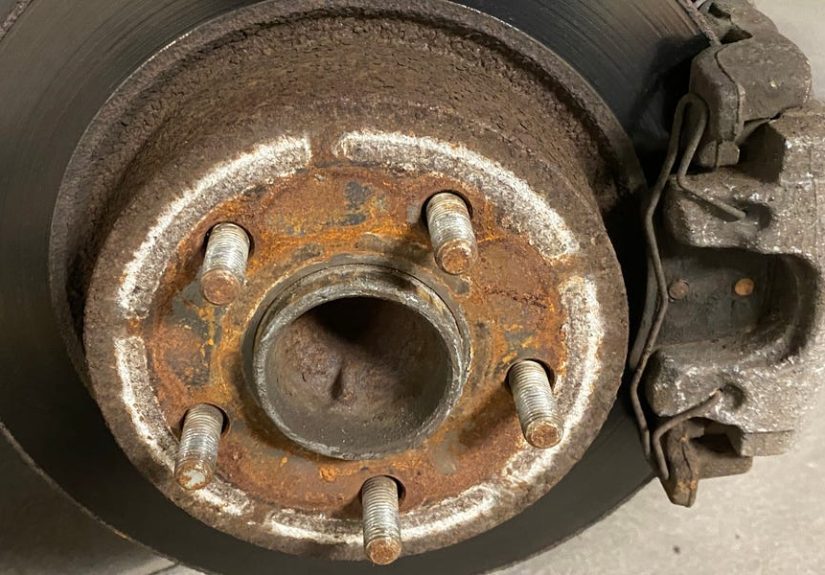
Brake components live a rough life. They deal with moisture, road grime, heat, dust, and winter chemicals that seem personally offended by exposed metal. Over time, corrosion can affect the piston bore, seals, slide pins, or surrounding hardware. If the caliper is binding because of corrosion, forcing the issue does not solve the real problem.
A Sticking Parking Brake Mechanism
Because many rear calipers incorporate the parking brake, a sticking actuator or internal mechanism can make the piston difficult to move. If the parking brake does not release fully, the caliper may drag, overheat, or wear pads unevenly. In that situation, resistance during retraction is a symptom, not the disease.
Brake Hose or Fluid Pressure Issues
Sometimes hydraulic pressure cannot release the way it should. A restricted hose or fluid issue may leave residual pressure in the caliper. The result can look like a stubborn piston, when the real issue is the brake system’s inability to relax properly after braking.
Wrong Assumptions About the Caliper Type
This one deserves its own trophy. A person assumes the rear piston works exactly like the front, applies the wrong retraction method, then wonders why the caliper seems offended. In truth, the piston may simply require a different service approach because of the vehicle’s parking brake design.
Signs Something Is Wrong Beyond Normal Brake Wear
Brake pads wear out. That part is normal. But some symptoms suggest a deeper caliper or piston issue that should not be ignored.
Uneven Pad Wear
If one rear pad is significantly more worn than the other, or one side of the vehicle wears faster, the caliper may not be moving freely. A sticking piston or seized slide hardware can create uneven contact that shortens pad life and reduces braking consistency.
Burning Smell or Excessive Heat
A dragging rear brake can create intense heat. Drivers may notice a hot smell after a short trip, a wheel that feels unusually warm, or signs of heat discoloration. This is not a “keep an eye on it next month” situation. Heat damages pads, rotors, seals, and fluid quality.
Poor Fuel Economy or Sluggish Rolling
A stuck rear caliper does more than wear pads. It can create rolling resistance that makes the vehicle feel sluggish and hurts fuel economy. The car is essentially trying to drive with one foot on the brake. Cars dislike that. Wallets dislike that even more.
Vehicle Pull or Unsteady Braking Feel
If the vehicle pulls, feels unsettled during stops, or has inconsistent rear braking response, the caliper may not be applying or releasing evenly. Braking is one of those systems where “sort of works” is not a reassuring status update.
Why Forcing the Piston Is a Bad Idea
When a rear brake caliper piston will not retract, force is tempting. It is also often the wrong answer. Forcing the piston can damage the internal parking brake mechanism, distort seals, harm the caliper body, or create a leak path that turns a maintenance issue into a safety issue.
Brake systems are built around precision and pressure control. Once parts are bent, gouged, contaminated, or over-stressed, the system may still assemble but no longer perform the way it should. That is a dangerous illusion, because brakes can seem fine in the driveway and fail when heat, speed, or emergency stopping enters the chat.
How Professionals Approach the Problem
Experienced technicians do not start by guessing. They identify the caliper type, confirm whether the vehicle uses an integrated parking brake or electronic parking brake system, check service information, inspect for heat damage and uneven wear, and determine whether the resistance is normal for the design or abnormal because of a fault.
They Verify the Brake System Design
Before touching anything, a professional confirms what kind of rear caliper is on the vehicle. That sounds obvious, but it is the difference between a proper repair and an expensive lesson in why “all brakes are basically the same” is one of the internet’s least helpful myths.
They Inspect the Whole Corner, Not Just One Part
A stubborn piston can be connected to seized slide pins, damaged boots, overheated pads, a worn rotor, a sticking hose, or parking brake issues. Pros look at the entire brake corner because isolated fixes often fail when the actual problem is spread across several parts.
They Know When Replacement Beats Persuasion
If a caliper shows clear signs of internal failure, corrosion, leaking, or mechanical binding, replacement may be the wiser option. There is a point where trying to save a questionable caliper stops being economical and starts being adventurous in all the wrong ways.
When You Should Let a Shop Handle It
There are times when professional service is simply the smart move. If the vehicle has an electronic parking brake, if the piston resists normal service, if there is fluid leakage, if the rotor shows heat damage, or if the brake wear pattern looks uneven and suspicious, a qualified shop can diagnose the system more safely and more accurately.
This is especially true because rear brake issues can overlap with parking brake faults, ABS concerns, and hydraulic problems. What looks like a single stubborn piston may actually be the visible part of a larger brake-system problem.
Practical Tips for Vehicle Owners
Even without performing the repair yourself, you can make better decisions by knowing what to watch for. Pay attention to rear brake noise, smell, drag, heat, and uneven tire-side dust buildup. If one rear wheel seems hotter or dirtier than the other, it may be worth having the brakes inspected sooner rather than later.
It also helps to use the correct replacement parts for the exact vehicle and trim level, because rear brake hardware can vary more than people expect. And if a repair quote includes calipers rather than just pads, ask why. A good shop should be able to explain whether the piston is sticking, the parking brake mechanism is binding, the seals are compromised, or the caliper failed inspection.
The Biggest Misunderstandings About Rear Caliper Pistons
“If It Won’t Move, Just Push Harder”
No. That is how stubbornness becomes a line item on an invoice.
“Rear and Front Calipers Work the Same Way”
Sometimes they are similar, but not always. Rear brake designs frequently add parking brake complexity, which changes service expectations.
“If the Pads Are New, the System Is Fine”
Fresh pads do not cure a seized caliper, damaged slides, contaminated fluid, or a failing parking brake mechanism. New friction material on bad hardware is still bad hardware wearing a cleaner outfit.
Real-World Experiences With Rear Brake Caliper Pistons
Ask anyone who has spent time around brake service, and you will hear the same theme: rear caliper pistons rarely cause trouble in the most convenient way possible. The issue usually shows up on a busy day, in bad weather, or five minutes after someone confidently says, “This should be easy.” Rear brake work has a sense of timing that would be hilarious if it weren’t attached to your transportation.
One common experience is discovering uneven pad wear on a vehicle that never made much noise. The driver assumes everything is fine because the car still stops. Then the rear wheel comes off during routine service, and one pad looks almost new while the other looks like it has been through a small war. That is often the moment people learn that a caliper can be partially stuck long before it becomes dramatically obvious from the driver’s seat.
Another familiar story involves heat. A vehicle comes back from a short drive with one rear wheel much hotter than the other. There may be a faint burnt smell, a little extra brake dust, and a growing suspicion that something mechanical is having a bad day. In many cases, that kind of symptom leads technicians to inspect the rear caliper piston, the slide hardware, and the parking brake function together. The piston becomes the star of the conversation, but it is usually sharing the stage with other worn or sticky parts.
Then there is the classic misunderstanding: someone expects the rear piston to behave like a front piston. They start the job with confidence, discover that the piston is not cooperating, and spend the next few minutes alternating between confusion and bargaining with the laws of engineering. This is not rare. It is practically a rite of passage in the brake world. The rear caliper’s parking brake design is often the plot twist.
Professional technicians often describe rear brake work as a job that rewards patience more than muscle. The best outcomes usually come from identifying the design first, checking for signs of corrosion or leakage, and deciding early whether the caliper is serviceable or already telling you it wants retirement. Shops that see a lot of brake work learn quickly that forcing a bad caliper rarely saves time. It just delays the correct repair until more parts are unhappy.
Vehicle owners share a different lesson: brake problems do not always announce themselves with cinematic drama. Sometimes the first clue is a subtle pull, a drop in fuel economy, an odd smell after parking, or the feeling that the vehicle does not coast as freely as it used to. Those small clues matter. Catching a dragging rear caliper early can prevent rotor damage, pad waste, and the kind of repair estimate that inspires people to stare silently at the service counter for a full ten seconds.
The biggest real-world takeaway is simple. Rear brake caliper pistons are not mysterious, but they do demand respect. The vehicles may be ordinary, the parts may look compact, and the task may sound routine, yet the system itself is central to safety. The smartest experience is not “I forced it and got away with it.” It is “I recognized what the brake system was telling me and handled it the right way.”
Conclusion
Understanding how to retract a rear brake caliper piston starts with understanding that not all rear calipers behave alike. Many are tied to the parking brake, some are complicated by electronic systems, and a piston that resists movement may be warning of a deeper mechanical or hydraulic issue. That is why this is not just a matter of squeezing parts until they surrender.
The safest mindset is a diagnostic one: identify the caliper design, respect the parking brake mechanism, watch for signs of sticking or overheating, and avoid forcing anything that should move in a controlled way. Whether you are talking to a technician, evaluating a repair estimate, or trying to understand why one rear wheel smells hot after a drive, the goal is the samesafe, even, reliable braking.
Brakes are one of the few vehicle systems where confidence should always be backed by caution. A rear caliper piston may be a small component, but when it comes to stopping power, small parts have a habit of making very large decisions.