Table of Contents >> Show >> Hide
- What the Rotavirus Vaccine Does and Why It Matters
- Common Rotavirus Vaccine Reactions and Side Effects
- When Mild Side Effects Are Usually Not an Emergency
- When to Call Your Pediatrician
- When to Get Emergency Help Right Away
- Who Should Not Get the Rotavirus Vaccine, or May Need to Wait
- Why the Timing of the Vaccine Matters
- What Parents Can Do After the Appointment
- Experience-Based Scenarios: What Parents Often Notice After the Rotavirus Vaccine
- Final Takeaway
Note: This article is for educational purposes only and is not a substitute for medical advice, diagnosis, or treatment from your child’s healthcare provider.
Few things spike a parent’s stress level faster than the phrase, “Just keep an eye on them after the vaccine.” Keep an eye on what, exactly? A little fussiness? One dramatic baby burp that deserves an Oscar? A diaper situation that suddenly feels like a science fair project?
The good news is that most babies who get the rotavirus vaccine do just fine. The vaccine is designed to protect infants from a virus that can cause severe diarrhea, vomiting, dehydration, emergency room visits, and hospitalization. In other words, it helps prevent the kind of stomach bug that turns a normal week into a laundry-heavy, sleep-free survival challenge. But like any medicine, it can cause reactions and side effects. Most are mild. A few are rare but important enough that parents should know exactly what to watch for.
This guide breaks down the most common rotavirus vaccine side effects, which symptoms are usually not a big deal, and when it is time to call your pediatrician or head in for urgent care. No panic. No jargon jungle. Just practical information in plain American English.
What the Rotavirus Vaccine Does and Why It Matters
Rotavirus is a highly contagious virus that causes stomach and intestinal illness in babies and young children. Typical symptoms include watery diarrhea, vomiting, fever, and belly pain. The biggest concern is not just the mess. It is dehydration. Babies can lose fluids quickly, and some need hospital care.
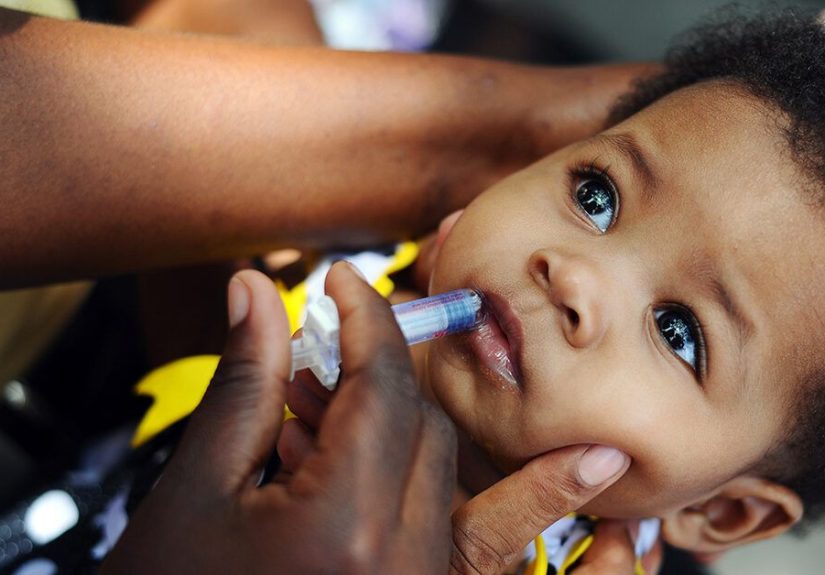
The rotavirus vaccine is given by mouth, not as a shot. That surprises a lot of parents the first time around. Instead of a needle, the baby gets liquid drops swallowed during the visit. In the United States, doctors use two vaccine brands:
- RotaTeq, which is given in a 3-dose series
- Rotarix, which is given in a 2-dose series
Both vaccines are for infants, and timing matters. The first dose needs to start early, and all doses need to be finished while the baby is still under the age limit. That schedule is not random. It is part of how doctors maximize benefit and minimize risk.
Common Rotavirus Vaccine Reactions and Side Effects
Here is the headline parents usually need most: most side effects are mild and temporary. Many babies have no noticeable issues at all. When side effects do happen, they are often short-lived and manageable at home.
Mild side effects that can happen
Common reactions after the rotavirus vaccine may include:
- Fussiness or irritability
- Mild, temporary diarrhea
- Mild, temporary vomiting
- Low-grade fever in some babies
- Decreased appetite or poor feeding for a short time
- Cold-like symptoms such as runny nose in some cases
That list sounds dramatic when written out, but in real life it often looks pretty ordinary: a baby who is extra clingy, spits up more than usual, has one or two looser diapers, or just seems generally annoyed that the world has not organized itself around their nap schedule.
Different vaccine products list slightly different side effects in their prescribing information, so one baby may have a different pattern than another. For example, some clinical data mention fussiness, vomiting, diarrhea, fever, poor appetite, runny nose, wheezing, cough, or even ear infection as reported events. That does not mean every symptom after vaccination was definitely caused by the vaccine. Babies, as many parents learn quickly, are busy little symptom factories on a normal day too.
What mild symptoms usually look like
A normal, non-urgent reaction often starts within a day or so after vaccination and fades on its own. Your baby may still feed, still have wet diapers, and still settle with comfort, even if they are a bit crankier than usual. These mild symptoms are unpleasant, but they are generally not dangerous.
In practical terms, a baby who has one loose stool and then naps like nothing happened is very different from a baby who cannot keep fluids down, screams in pain, and has no wet diapers. One situation is “keep watching.” The other is “call now.”
When Mild Side Effects Are Usually Not an Emergency
Parents often worry that any vomiting or diarrhea after the rotavirus vaccine means something is terribly wrong. Usually, that is not the case. Mild diarrhea, mild vomiting, or brief fussiness can happen and often pass without treatment. If your baby is still drinking, still having wet diapers, and can be soothed, you are usually in watchful-observation territory, not emergency mode.
At home, focus on the basics:
- Offer regular feeds unless your pediatrician says otherwise
- Watch for normal wet diapers
- Monitor energy level and comfort
- Take note of worsening symptoms instead of one isolated episode
- Keep your baby comfortable and avoid overreacting to every weird burp, grunt, or expression that looks like tiny courtroom outrage
If symptoms stay mild and your baby seems otherwise okay, that is reassuring. But “mild” is the key word. Parents should absolutely trust their instincts if things start escalating.
When to Call Your Pediatrician
You do not need to call the doctor for every small reaction. But you should call if symptoms are getting worse, lasting longer than expected, or making you worry about dehydration or pain.
Call your child’s doctor if your baby has:
- Vomiting that becomes frequent or forceful
- Diarrhea that is increasing instead of improving
- Poor feeding or refusal to drink
- Fewer wet diapers than usual
- Dry mouth or dry lips
- Fewer tears when crying
- Sunken eyes or unusual sleepiness
- A fever that concerns you
- Significant belly discomfort or unusual irritability
- Any symptom that feels out of proportion to a routine post-vaccine reaction
Dehydration is the main thing parents and clinicians worry about with vomiting and diarrhea in babies. Infants do not have much room for fluid loss before they start looking worn down. A baby who is drooling normally, making tears, peeing normally, and taking feeds is usually on steadier ground than a baby who looks dry, weak, and uninterested in eating.
When to Get Emergency Help Right Away
This is the section every parent should read before clicking away.
The most important rare risk linked to the rotavirus vaccine is intussusception, a type of bowel blockage in which one part of the intestine slides into another part. It is uncommon, but it can be serious and needs quick medical care.
Warning signs of intussusception can include:
- Sudden, intense stomach pain
- Episodes of severe crying that come and go
- Pulling the legs up toward the chest
- Repeated vomiting
- Blood in the stool
- Weakness, extreme irritability, or an unusually sick appearance
These symptoms often happen within the first week after the first or second dose, but parents are generally advised to stay alert any time after vaccination. If you think your baby might have intussusception, do not sit around debating whether it is gas. Call your healthcare provider right away, and if you cannot reach them, go to the hospital.
Seek emergency help immediately for signs of a severe allergic reaction
- Hives
- Swelling of the face or throat
- Trouble breathing
- Fast heartbeat
- Dizziness, weakness, or collapse
These reactions are very rare, but they require emergency care. Call 911 if you notice these symptoms after leaving the clinic.
Who Should Not Get the Rotavirus Vaccine, or May Need to Wait
The rotavirus vaccine is recommended for most infants, but there are a few important exceptions and precautions.
Babies generally should not get the vaccine if they have:
- A severe allergic reaction after a previous rotavirus vaccine dose
- A severe allergy to a vaccine component
- Severe Combined Immunodeficiency (SCID)
- A previous episode of intussusception
Some babies may also need their dose postponed. If a baby is moderately or severely ill, especially with ongoing diarrhea or vomiting, doctors often wait until the child recovers. On the other hand, a mild illness, such as a little cold, is usually not a reason to delay vaccination.
Parents should also tell the doctor if the baby has immune system problems, certain gastrointestinal abnormalities, or close contact with someone who is severely immunocompromised. In many cases, vaccination is still possible, but the provider may want to review the situation carefully first.
Why the Timing of the Vaccine Matters
Rotavirus vaccine scheduling is not casual. It has guardrails.
- The minimum age for the first dose is 6 weeks
- The maximum age for the first dose is 14 weeks and 6 days
- All doses should be completed by 8 months and 0 days
RotaTeq is typically given at 2, 4, and 6 months. Rotarix is typically given at 2 and 4 months. If a baby starts late or the record is unclear, pediatricians follow catch-up rules very carefully. This is one of those times when “we’ll just do it later” is not a great strategy.
Another detail parents sometimes do not expect: the vaccine virus can be shed in stool for a period after vaccination. That sounds alarming, but for most families it mainly means one thing: wash your hands well after diaper changes. Which, frankly, is always good advice in a house with a baby and questionable diaper diplomacy.
What Parents Can Do After the Appointment
You do not need a hazmat suit, a medical degree, and a four-tab spreadsheet to survive the post-vaccine period. A simple plan is enough.
A smart post-vaccine checklist
- Know which day the vaccine was given
- Expect the possibility of mild fussiness, vomiting, or diarrhea
- Watch for normal feeding and wet diapers
- Use extra caution during the week after the first and second doses
- Know the red-flag signs of intussusception
- Wash hands carefully after diaper changes
- Call your pediatrician if symptoms are worsening or your gut says something is off
Most of the time, the story ends with a mildly grumpy baby, an extra diaper or two, and parents realizing the scary internet was much louder than the actual experience. But the key is knowing the difference between “common reaction” and “rare emergency.”
Experience-Based Scenarios: What Parents Often Notice After the Rotavirus Vaccine
To make all of this more real, it helps to look at the kinds of experiences families often describe after the rotavirus vaccine. These are not individual medical case reports. They are practical, experience-based examples that mirror what pediatricians hear all the time.
Scenario one: A 2-month-old gets the first dose and is fussier that evening. The baby feeds a little slower, spits up once, and seems clingier than usual. By the next morning, things are basically back to normal. This is the kind of mild reaction many parents find stressful in the moment but harmless in hindsight. The baby is still having wet diapers, still wakes to feed, and can be comforted. Usually, this is a “watch and cuddle” situation.
Scenario two: A baby has two looser stools the day after vaccination. No blood, no fever that is climbing, and no obvious belly pain. Parents naturally wonder whether the vaccine caused it or whether it is just regular baby chaos wearing a medical disguise. Either way, if the baby still looks well and stays hydrated, the pediatrician will often recommend monitoring at home. Mild diarrhea after rotavirus vaccination can happen, and it usually passes.
Scenario three: A parent notices the baby is not finishing bottles, the mouth looks dry, and the usual wet diapers are not showing up on schedule. This is where the mood changes. Even if the symptoms started as “mild,” reduced intake and fewer wet diapers move the concern toward dehydration. In this kind of experience, calling the pediatrician is the right move. Babies can change quickly, and parents should not wait for things to become dramatic before asking for guidance.
Scenario four: A baby has sudden crying spells that seem intense and unusual. The crying comes in waves. The baby pulls the legs up, vomits more than once, and looks miserable between episodes. That is not typical post-vaccine fussiness. That is the kind of pattern parents should treat as urgent because it can fit the warning signs of intussusception. Families who know this ahead of time tend to act faster, and speed matters.
Scenario five: A baby lives with a grandparent who has a weakened immune system. The parents hear that the rotavirus vaccine is live and immediately picture disaster. In many homes, the solution is not avoiding the vaccine. It is using careful handwashing after diaper changes and following the pediatrician’s advice. That practical step lowers worry without tossing aside the protection the vaccine offers.
Scenario six: A parent panics because the baby seems totally fine. Strange sentence, but it happens. Some parents expect a reaction and then become suspicious when there is none. In reality, many babies have no noticeable side effects at all. No fever, no vomiting, no protest beyond the ordinary baby complaint department. That is also normal.
These experience-based patterns all point to the same lesson: context matters. One loose stool is different from relentless diarrhea. Brief crankiness is different from repeated, severe pain. A sleepy baby after a long day is different from a weak baby who will not eat and has no wet diapers. Parents do not need to memorize a textbook. They just need to watch for severity, persistence, dehydration, and the classic emergency red flags.
Final Takeaway
The rotavirus vaccine plays a major role in protecting babies from a virus that can cause severe diarrhea, vomiting, dehydration, and hospitalization. Most side effects are mild, short-lived, and manageable. The reactions parents are most likely to notice are fussiness, mild diarrhea, mild vomiting, low-grade fever, or temporary poor feeding.
The big exception is the rare risk of intussusception. Knowing the warning signs, such as severe crying spells, pulling legs to the chest, repeated vomiting, blood in the stool, and a very ill appearance, can help parents get care fast if it is ever needed.
So yes, keep an eye on your baby after the vaccine. Just do it with calm, useful information instead of doom-scrolling and a full emotional collapse over one suspicious diaper.