Table of Contents >> Show >> Hide
- Why Dressing Is Tricky After Shoulder Surgery
- Best Clothes to Wear After Shoulder Surgery
- How to Put On a Shirt After Shoulder Surgery
- What to Wear Home From the Hospital or Surgery Center
- Bras, Undergarments, and Personal Comfort
- Fabric Choices: Soft, Loose, and Breathable
- Dressing With a Sling: Practical Tips
- Clothing to Avoid After Shoulder Surgery
- How to Prepare Your Closet Before Surgery
- Getting Help Without Losing Independence
- Safety Reminders While Dressing
- Conclusion: Dressing After Shoulder Surgery Gets Easier
- Real-Life Experiences: What Dressing After Shoulder Surgery Really Feels Like
- SEO Tags
Getting dressed after shoulder surgery sounds simple until you meet your new roommate: the sling. Suddenly, a regular T-shirt becomes a fabric puzzle, buttons feel like tiny gym equipment, and your closet starts looking less like fashion and more like a boss level in a video game. The good news? With the right clothing choices and a smart routine, dressing after shoulder surgery can become much easier, safer, and far less dramatic.
Whether you had rotator cuff repair, shoulder arthroscopy, shoulder replacement, labrum repair, biceps tendon surgery, or another shoulder procedure, your main goal is the same: protect the healing shoulder while staying comfortable and independent. This guide explains what to wear after shoulder surgery, how to put clothes on with a sling, what to avoid, and how to prepare your wardrobe before surgery day. Think of it as your recovery closet survival guidewith fewer medical mysteries and more practical buttons.
Why Dressing Is Tricky After Shoulder Surgery
Shoulder surgery usually comes with pain, stiffness, swelling, limited range of motion, and some type of sling or immobilizer. In many cases, your surgeon may ask you to wear the sling for several weeks, depending on the procedure and your healing progress. During that time, reaching overhead, pulling fabric behind your back, twisting your arm, or lifting the surgical arm can strain the repair.
That is why dressing after shoulder surgery is not just about comfort. It is part of protecting your recovery. The wrong shirt can tug at your incision. A tight sleeve can press against swelling. A stubborn zipper can make you move your shoulder in ways your surgeon would definitely not applaud. The right clothing, however, lets you get dressed with less pain, fewer awkward movements, and less need to call for backup every morning.
Best Clothes to Wear After Shoulder Surgery
1. Button-Down Shirts Are the MVP
If your closet has button-down shirts, congratulationsyou already own recovery royalty. Front-opening shirts are one of the easiest options after shoulder surgery because you do not have to pull them over your head. Choose shirts that are loose, soft, and large enough to fit over bandages, swelling, and possibly part of your sling setup.
Flannel shirts, oversized cotton button-ups, pajama tops, and short-sleeve camp shirts are all solid choices. If buttons feel difficult with one hand, look for shirts with snaps, magnetic closures, or Velcro-style fasteners. The goal is simple: open in front, easy on the shoulder, no wrestling required.
2. Zip-Up Hoodies and Jackets Work Well
A zip-up hoodie can be a recovery hero, especially if you are chilly at home or heading to a follow-up appointment. Like button-down shirts, zip-up layers open in the front and reduce the need to raise your surgical arm. Choose one that is roomy enough to slide around your sling without squeezing your shoulder.
Avoid tight jackets, stiff denim, narrow sleeves, and anything that requires superhero-level flexibility to remove. Your shoulder is healing, not auditioning for a circus act.
3. Oversized T-Shirts Can WorkBut Choose Carefully
Some people can wear loose T-shirts after shoulder surgery, especially later in recovery. However, T-shirts require more movement than front-opening tops. If you choose a T-shirt, pick one that is oversized, stretchy, and has a wide neck opening. Avoid tight athletic shirts and compression tops unless your surgeon specifically recommends them.
For the first few days or weeks, many patients find button-down shirts easier than pullovers. Once your surgeon or physical therapist clears you for more movement, loose T-shirts may become more practical again.
4. Adaptive Post-Surgery Shirts Can Be Worth It
Adaptive shirts are designed for people recovering from surgery or dealing with limited mobility. Many have side snaps, shoulder openings, or tear-away seams that allow you to dress without lifting the affected arm much. They can be especially helpful if you live alone, have a more restrictive sling, or want to reduce morning frustration.
You do not need to buy a whole new wardrobe. Two or three adaptive shirts may be enough for the early recovery period. If you are on a budget, oversized button-downs from your existing closet can often do the job beautifully.
5. Elastic-Waist Pants Are Your Friend
After shoulder surgery, one-handed dressing becomes the name of the game. Pants with elastic waistbands, drawstrings, or pull-on designs are much easier than jeans with tight buttons or complicated belts. Joggers, sweatpants, soft lounge pants, athletic shorts, and loose pajama pants are all practical choices.
Also consider pockets. You may not want to carry a bag while managing a sling, so pants with pockets can hold your phone, tissues, lip balm, or the mysterious post-surgery snack you suddenly need immediately.
6. Slip-On Shoes Reduce Bending and Straining
Shoes matter more than people expect. After shoulder surgery, tying laces with one hand can feel like trying to solve a tiny rope puzzle before breakfast. Slip-on sneakers, loafers, recovery sandals with good grip, or shoes with Velcro-style straps are easier and safer.
Avoid slippery slippers, unstable flip-flops, and shoes that require serious tugging. Your balance may feel slightly off while wearing a sling, so supportive footwear is more than a fashion choiceit is fall prevention with soles.
How to Put On a Shirt After Shoulder Surgery
The golden rule is simple: dress the surgical arm first and undress it last. This reduces unnecessary movement and helps protect the shoulder. Always follow your surgeon’s specific instructions, especially if you have restrictions on removing your sling.
Step-by-Step: Putting On a Button-Down Shirt
- Sit down in a stable chair before dressing.
- Open the shirt completely and place it on your lap.
- Gently slide the sleeve onto your surgical arm first while keeping that arm relaxed and close to your body.
- Use your non-surgical arm to pull the shirt around your back.
- Slide your non-surgical arm into the other sleeve.
- Button, snap, or fasten the front using your good hand.
- Put the sling back on exactly as instructed by your care team.
Do not rush. Slow dressing is not a personal failure; it is a recovery strategy. If something hurts sharply or pulls on your incision, stop and adjust.
How to Take Off a Shirt
When undressing, reverse the order. Remove the non-surgical arm first, then gently slide the shirt off the surgical arm last. This keeps the recovering shoulder from being pulled backward or upward.
If you are wearing a sling, your surgeon may allow you to remove it briefly for dressing, bathing, or prescribed exercises. However, do not assume. Some procedures require stricter immobilization than others. When in doubt, follow the printed discharge instructions or call your care team.
What to Wear Home From the Hospital or Surgery Center
Plan your going-home outfit before surgery. After anesthesia, pain medication, and the surprise guest appearance of a bulky sling, you will not be in the mood to negotiate with skinny jeans or a fitted pullover.
A strong hospital outfit includes:
- A loose front-opening shirt or oversized button-down
- Soft elastic-waist pants or shorts
- Slip-on shoes with good traction
- A roomy zip-up jacket if the weather is cold
- No complicated jewelry, tight sleeves, or stiff fabrics
Choose comfort over style for surgery day. Your shoulder will not care whether your outfit is runway-ready. It will care whether you can get dressed without tugging, twisting, or inventing new vocabulary in the parking lot.
Bras, Undergarments, and Personal Comfort
For people who wear bras, dressing after shoulder surgery may require extra planning. Traditional back-clasp bras can be difficult or impossible in the early recovery phase. Front-closing bras, soft sports bras with wide openings, camisoles with built-in support, or adaptive bras may be more comfortable.
Some patients prefer going without a bra at home during the first few days, especially if straps irritate the incision area or interfere with the sling. If you need support, choose soft, wire-free options that do not dig into the shoulder, chest, or underarm area.
Underwear should also be easy to manage with one hand. Avoid tight shapewear, complicated fasteners, and anything that requires a tug-of-war. Recovery is not the time for clothing that behaves like a locked suitcase.
Fabric Choices: Soft, Loose, and Breathable
Post-surgery skin can be sensitive, and your incision area may be covered with dressings, tape, or bandages. Choose soft cotton, bamboo blends, modal, fleece, or lightweight jersey fabrics. Breathable materials help reduce sweat and irritation, especially under a sling.
Avoid scratchy wool, stiff denim, tight synthetic fabrics, heavy seams, and clothing that rubs against the incision. If a sling strap irritates your neck or skin, ask your care team whether padding is appropriate. Do not place anything under a strap in a way that changes the sling position unless your doctor or therapist says it is safe.
Dressing With a Sling: Practical Tips
Your sling is there to protect your shoulder, not to make you look like you lost a wrestling match with a seatbelt. Still, wearing one all day can make clothing choices more complicated.
Keep the Sling Over Clothing When Possible
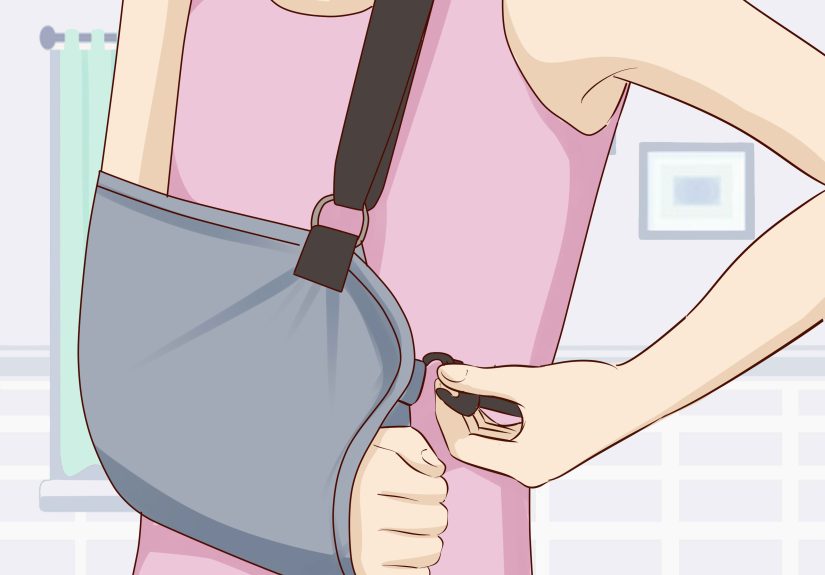
In many cases, the sling is worn over your shirt. This protects your skin from rubbing and keeps the sling cleaner. A soft shirt underneath can prevent irritation around the neck, chest, and elbow.
Check the Fit After Dressing
After you put clothes on, make sure the sling still supports your arm properly. Your elbow should be supported, your wrist and hand should not dangle uncomfortably, and the straps should not feel painfully tight. If your fingers become numb, cold, unusually swollen, or discolored, contact your medical team.
Use Pillows When Sitting
When resting, a pillow under the forearm or elbow can reduce pulling on the shoulder. This is especially helpful while getting dressed, watching TV, or trying to sleep. Your care team may give you specific positioning instructions based on your surgery.
Clothing to Avoid After Shoulder Surgery
Some clothes are simply not worth the battle during early recovery. Avoid:
- Tight pullovers
- Compression shirts
- Back-zip dresses
- Heavy coats with narrow sleeves
- Belts that require two hands
- Back-clasp bras
- Stiff jackets or structured blazers
- Shirts with tiny buttons if your hand is weak or sore
These items can return later. They are not banned forever. They are just temporarily on the “not today, shoulder” list.
How to Prepare Your Closet Before Surgery
The best time to solve dressing problems is before surgery, not the morning after. Set up a small recovery wardrobe in an easy-to-reach place. Place your most comfortable tops, pants, socks, and shoes at waist height so you do not need to reach overhead or bend deeply.
Wash your favorite recovery clothes before the procedure. Remove tags that itch. Practice putting on a button-down shirt with one arm. It may feel silly, but future you may want to send present you a thank-you card.
Make a Simple Recovery Clothing Kit
A practical clothing kit might include three loose button-down shirts, two pairs of elastic-waist pants, one zip-up hoodie, slip-on shoes, soft sleepwear, easy undergarments, and extra laundry help. If you have long hair, add hair ties or headbands that are easy to use with one hand.
Getting Help Without Losing Independence
Needing help after shoulder surgery is normal. In the first few days, you may need assistance with shirts, bathing, meal prep, laundry, and sling adjustment. That does not mean you are helpless. It means your body is healing from a major event and has politely requested a support crew.
If someone helps you dress, ask them to move slowly and avoid pulling your surgical arm. Clear communication matters. Say “pause” if something hurts. Your helper should support the clothing, not yank your arm through the sleeve like a magician pulling scarves from a hat.
Safety Reminders While Dressing
Always follow the instructions from your surgeon, nurse, or physical therapist. Recovery rules can vary depending on the exact procedure, whether tendons were repaired, whether a joint replacement was performed, and how stable the shoulder needs to remain.
Call your doctor if you notice increasing redness, drainage, fever, worsening swelling, severe pain that does not improve, numbness, tingling, or changes in hand color or temperature. Dressing should become easier over time, not suddenly more painful or alarming.
Conclusion: Dressing After Shoulder Surgery Gets Easier
Dressing after shoulder surgery is all about choosing clothes that cooperate with your recovery instead of arguing with it. Front-opening shirts, loose fabrics, elastic-waist pants, slip-on shoes, and a careful dress-the-surgical-arm-first routine can make daily life much smoother.
The first few days may feel awkward, slow, and slightly ridiculous. That is okay. Healing is not a fashion contest. With planning, patience, and the right wardrobe, you can protect your shoulder, reduce pain, and still feel like a functioning human beingnot just a person being held together by pillows and button-down flannel.
Real-Life Experiences: What Dressing After Shoulder Surgery Really Feels Like
One of the biggest surprises after shoulder surgery is how many tiny movements involve the shoulder. Before surgery, putting on a shirt may take ten seconds. After surgery, it can become a full morning project involving strategy, breathing, and possibly a motivational speech in the mirror. Many people say the first few days are the hardest because the arm feels heavy, the sling feels unfamiliar, and even simple tasks require a new routine.
A common experience is learning that “loose” clothing is not always loose enough. A shirt that felt roomy before surgery may suddenly feel tight when there is swelling, a dressing, and a sling involved. Patients often find that going one or two sizes larger makes dressing easier. Oversized shirts may not win a tailoring award, but they can win the recovery Olympics.
Another real-world lesson is that buttons are better than pullovers, but not all buttons are equal. Large buttons, snaps, and magnetic closures are easier to manage with one hand. Tiny buttons can test your patience, especially if your non-surgical hand is not your dominant hand. If you normally rely on your right hand and your right shoulder had surgery, daily dressing can feel like switching your life into “left-handed mode” overnight.
Sleepwear also becomes surprisingly important. Many people prefer sleeping in a loose button-up pajama top or an oversized T-shirt with a wide neck. Some choose to sleep in a recliner or propped up with pillows, depending on their doctor’s instructions and comfort level. The easier your sleepwear is to manage, the less you have to struggle during late-night bathroom trips or early-morning medication schedules.
Going outside brings another clothing challenge: layers. A heavy coat may be impossible to put on normally, so patients often drape a jacket over the shoulders or wear a large zip-up hoodie over the sling. In colder weather, a poncho, cape-style wrap, or oversized front-opening coat can be useful. It may not be your usual look, but recovery fashion has one rule: if it works and does not hurt, it is stylish enough.
Many people also discover that preparation lowers stress. Setting clothes out the night before can make mornings easier. Keeping favorite recovery outfits in one reachable drawer prevents awkward stretching. Doing laundry before surgery helps avoid the tragic moment when the only clean shirt is a tight pullover hiding at the top of the closet.
The emotional side matters too. Dressing slowly can feel frustrating, especially for people who are used to being independent. It helps to treat progress in small wins: buttoning a shirt alone, putting on shoes without help, adjusting a sleeve comfortably, or getting ready for a follow-up appointment without feeling rushed. Each little victory means your routine is becoming more manageable.
In the end, the best experience-based advice is simple: make clothing easy, keep expectations realistic, and ask for help before you are exhausted. Shoulder recovery takes patience. Your wardrobe should support that process, not turn every morning into a fabric obstacle course.