Table of Contents >> Show >> Hide
- Quick Scalp Self-Check (Before You Start Googling “Scalp Zombies”)
- “Pictures” (Without the Gross Pop-Ups): What Scabs and Sores on the Scalp Can Look Like
- 1) Dry flakes and “snow” on the shoulders
- 2) Thick, stuck-on scale (the “helmet” feeling)
- 3) Small bumps that act like acne (but on your head)
- 4) Circular scaly patch + broken hairs (often in kids)
- 5) Oozing sores that dry into “honey” crust
- 6) Intense itching with tiny eggs near the scalp
- 7) One-sided pain + clustered blisters (the “why is my scalp on fire?” vibe)
- Why Scabs Form on the Scalp (Even When You Swear You “Didn’t Scratch”)
- Common Causes of Scabs and Sores on the Scalp (And What They Feel Like)
- Less Common (But Important) Causes
- How a Clinician Figures Out the Cause
- Treatment: What Actually Helps (And What to Skip)
- Prevention and Scalp Care (So You Don’t Keep Repeating This Saga)
- When to See a Doctor (Not “Someday,” Like… Actually)
- FAQ: The Questions Everyone Asks (Quietly, At 2:00 a.m.)
- Real-World Experiences (500+ Words): What People Commonly Learn the Hard Way
- Conclusion
Medical note: This article is for education, not a diagnosis. If you have severe pain, fever, rapidly spreading redness, pus, or sudden patchy hair loss, get medical care.
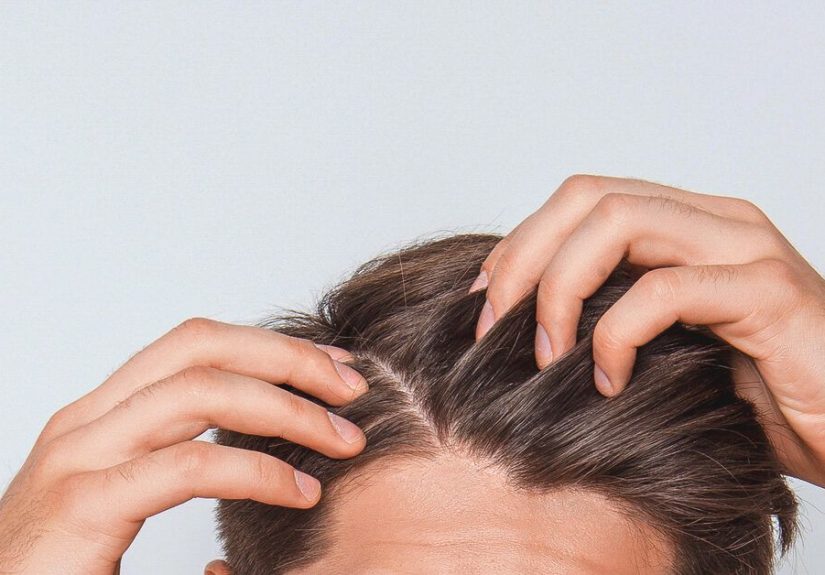
Your scalp is supposed to be a quiet little neighborhood where hair grows and shampoo commercials are born. So when it starts producing scabs, sores, and mystery “crunchy bits,” it’s understandably alarming (and… itchy). The good news: most scabs and sores on the scalp come from common, treatable causes like dandruff, psoriasis, folliculitis, irritation from products, oryestiny freeloaders like head lice.
This guide walks you through what scalp scabs can look like (a “picture guide” using plain-English descriptions), the most likely causes, and treatments that actually helpplus when it’s time to bring in a dermatologist as backup.
Quick Scalp Self-Check (Before You Start Googling “Scalp Zombies”)
- Itchy + flaky? Think dandruff/seborrheic dermatitis or eczema.
- Thick scale + redness + hairline/behind ears involved? Think scalp psoriasis.
- Tender pimples/pustules? Think folliculitis (bacterial or yeast-related).
- Honey-colored crusts or oozing? Think impetigo (bacterial infection).
- One-sided burning pain + blisters? Think shingles.
- Child with patchy hair loss + scaling? Think tinea capitis (scalp ringworm).
“Pictures” (Without the Gross Pop-Ups): What Scabs and Sores on the Scalp Can Look Like
Since we’re not dropping graphic images into your day, here’s a visual-style guide using appearance clues. If you want real photos later, search reputable medical sources using the condition names below (e.g., “tinea capitis MedlinePlus image”).
1) Dry flakes and “snow” on the shoulders
Looks like: white or yellowish flakes, mild redness, itch. Sometimes greasy scale that clings to the scalp.
Common match: dandruff or seborrheic dermatitis.
2) Thick, stuck-on scale (the “helmet” feeling)
Looks like: thick plaques with scale that can look silvery-white; redness underneath; may extend past the hairline.
Common match: scalp psoriasis.
3) Small bumps that act like acne (but on your head)
Looks like: tiny red bumps, pustules, or “whiteheads” around hair follicles; can be sore or itchy; may crust over after scratching.
Common match: scalp folliculitis.
4) Circular scaly patch + broken hairs (often in kids)
Looks like: round or irregular scaly patches, sometimes with black-dot broken hairs; may cause tender swelling; can look like dandruff that picked a fight with your hairline.
Common match: tinea capitis (scalp ringworm).
5) Oozing sores that dry into “honey” crust
Looks like: moist, red areas that weep and then crust; crust is often yellow-golden.
Common match: impetigo (bacterial infection), sometimes layered on top of eczema.
6) Intense itching with tiny eggs near the scalp
Looks like: scratch marks, little scabs, and small oval “nits” stuck to hair shafts (often behind ears and at the neckline).
Common match: head lice.
7) One-sided pain + clustered blisters (the “why is my scalp on fire?” vibe)
Looks like: burning/tingling pain, then grouped blisters that crust. Usually follows a band or patch on one side.
Common match: shingles.
Why Scabs Form on the Scalp (Even When You Swear You “Didn’t Scratch”)
A scab is basically your body’s bandage: it forms when the skin barrier is broken and your immune system starts repairing. On the scalp, that break can happen from:
- Inflammation (psoriasis, eczema, seborrheic dermatitis)
- Infection (bacteria, fungus/yeast, viruses like shingles)
- Irritants or allergies (hair dye, fragranced products, harsh shampoos)
- Mechanical trauma (scratching, tight hairstyles, aggressive brushing)
And yes: the itch–scratch loop is real. Itch triggers scratching; scratching inflames the skin; inflammation triggers more itch. Your scalp becomes a tiny, angry feedback machine.
Common Causes of Scabs and Sores on the Scalp (And What They Feel Like)
Seborrheic Dermatitis (Dandruff’s Meaner Cousin)
Clues: flaky scale (white to yellow), itch, mild redness. Often worse in cold weather, stress, and with oily skin. Can also show up around eyebrows, sides of the nose, and behind ears.
Why it happens: It’s linked to inflammation and overgrowth of a yeast that normally lives on skin (your scalp’s ecosystem got out of balance).
Typical scab scenario: you scratch itchy scale, the skin breaks, and you get little scabsespecially at the hairline or crown.
Scalp Psoriasis (When Skin Cells Hit Fast-Forward)
Clues: thicker plaques, scale that feels “stuck on,” redness underneath, itching and soreness. May extend beyond hairline (“psoriatic crown”) and be accompanied by plaques on elbows/knees or nail changes.
Why it happens: Psoriasis is an immune-driven condition that speeds up skin cell turnover, creating thick scale.
Typical scab scenario: lifting scale too aggressively (or scratching) causes pinpoint bleeding and crusting.
Atopic Dermatitis (Eczema) and Contact Dermatitis (Product Reactions)
Clues: itch, burning, redness, sometimes oozing. Contact dermatitis can flare after a new shampoo, essential oil “miracle” serum, hair dye, or styling product. Eczema often coexists with dry/sensitive skin elsewhere.
Typical scab scenario: irritated skin becomes raw, then crustsespecially near the hairline, behind ears, or where product sits.
Scalp Folliculitis (Inflamed Hair Follicles)
Clues: tender bumps or pustules around hair follicles; can feel sore like your scalp got peppered with tiny pimples. Sometimes worsened by sweat, occlusive hats, heavy pomades, or friction.
Why it happens: Follicles get inflamed from bacteria (often staph), yeast, irritation, or a combo.
Typical scab scenario: bumps crust after you scratch or after pustules drain.
Head Lice (Small, Rude, and Very Itchy)
Clues: intense itch, scalp irritation, scratch scabs, trouble sleeping. Look for nits stuck to hair shafts close to the scalpespecially behind ears and at the nape of the neck.
Typical scab scenario: repeated scratching causes small sores that crust.
Less Common (But Important) Causes
Tinea Capitis (Scalp Ringworm)
Clues: scaly patches, itch, broken hairs, patchy hair lossmost common in children. It can be contagious through close contact, shared hats/brushes, or pets (depending on the fungus).
Why it matters: It usually needs oral antifungal medicine; shampoo alone often isn’t enough.
Impetigo (Bacterial “Honey Crust” Infection)
Clues: oozing sores that dry into yellow/golden crust, sometimes tender. It spreads easilyespecially among kidsand can appear after scratching eczema or insect bites.
Why it matters: Often treated with topical or oral antibiotics depending on extent.
Shingles (Herpes Zoster)
Clues: pain or burning before a rash, then clustered blisters that crust. Typically one-sided. If near the eye/forehead, it’s urgent.
Why it matters: Antiviral treatment early can shorten illness and lower complication risk.
MRSA or Deep Skin Infections (Boils/Abscesses)
Clues: painful, swollen, warm bumps; drainage or pus; sometimes fever. These can start small and escalate quickly.
Why it matters: Abscesses sometimes need medical drainage and targeted antibiotics.
Scarring Inflammatory Conditions (Seek Dermatology Help)
Clues: recurring painful pustules, crusting, and permanent hair loss in patches or expanding areas. Examples include rare forms of chronic folliculitis that can scar.
Why it matters: Earlier diagnosis can help protect remaining follicles.
Non-Healing Sores
If you have a sore that doesn’t heal, bleeds easily, or keeps returning in the same spot, get it checked. The scalp can develop growths and skin cancers like any other sun-exposed area.
How a Clinician Figures Out the Cause
Because many scalp conditions look similar at first glance (flaky is flaky!), clinicians usually combine:
- History: new products, hair dye, stress, recent illness, close contact outbreaks at school/daycare, pets, sweating/hats, immune suppression.
- Scalp exam: distribution (hairline vs crown vs nape), type of scale, presence of pustules, broken hairs, and whether it crosses the hairline.
- Targeted tests (when needed): fungal testing (scraping), bacterial swab/culture for pus, or a small biopsy if diagnosis is unclear or scarring is suspected.
Treatment: What Actually Helps (And What to Skip)
The right treatment depends on the cause, but most plans share three goals:
- Calm inflammation (reduce redness, swelling, itch)
- Control microbes when infection/yeast is involved
- Protect the skin barrier so you stop “re-scabbing”
Step 1: Stop the Damage Loop (Do This First)
- Hands off the scabs (yes, even the “just one” rule). Picking delays healing and can invite infection.
- Cool compresses for itch and burning.
- Gentle cleansing: lukewarm water, avoid harsh scrubbing.
- Trim nails if nighttime scratching is happening.
Step 2: Smart Over-the-Counter Options
If you suspect dandruff/seborrheic dermatitis:
- Rotate anti-dandruff shampoos with different actives (examples: ketoconazole, selenium sulfide, zinc pyrithione, coal tar, salicylic acid).
- Let the shampoo sit for a few minutes before rinsing (think “marinade,” not “drive-thru rinse”).
- Use a bland conditioner on hair ends only if your scalp is sensitive.
If you suspect psoriasis scale:
- Scale softeners (often salicylic acid-based) can help loosen plaques.
- Medicated shampoos may reduce scale and itch, but psoriasis often needs prescription topicals for best control.
If bumps/pustules suggest folliculitis:
- Consider a gentle anti-dandruff shampoo if yeast may be a factor, especially if bumps are itchy and recur with sweat.
- Avoid heavy oils/pomades that trap heat and sweat.
- Warm compresses can soothe tender areas.
If you suspect a product reaction:
- Pause new products for 1–2 weeks (yes, even the “luxury” ones).
- Switch to fragrance-free, dye-free basics. Your scalp is not the place for a chemistry experiment.
Step 3: Prescription Treatments (When OTC Isn’t Cutting It)
For scalp psoriasis: dermatologists commonly use medicated solutions/foams (often corticosteroids) and other targeted topicals; stubborn cases may need additional therapies.
For seborrheic dermatitis: prescription-strength antifungal shampoos/creams and short courses of anti-inflammatory treatments may be used when it’s inflamed and persistent.
For tinea capitis: oral antifungal medication is typically required (especially in children), sometimes paired with antifungal shampoo to reduce spread.
For impetigo: topical antibiotics for limited spots; oral antibiotics for more widespread cases.
For shingles: antivirals work best when started early; pain control matters too.
For lice: OTC or prescription treatments can work, but correct technique and timing (and combing, if advised) are key. Household and close contacts may need attention too.
What Not to Do (Even If TikTok Swears It’s “Detoxing”)
- Don’t pour undiluted essential oils on broken scalp skin. Irritation and burns are real.
- Don’t share brushes, hats, helmets, or hair ties during outbreaks of lice or fungal infection.
- Don’t keep re-dyeing or re-bleaching over an inflamed scalp. Give the skin time to recover.
- Don’t ignore deep pain, swelling, or feverthose aren’t “just dandruff being dramatic.”
Prevention and Scalp Care (So You Don’t Keep Repeating This Saga)
- Wash after heavy sweat (gym hats + sweat can worsen follicle irritation).
- Clean hair tools weekly (brushes, combs, clipper guards).
- Go easy on tight hairstyles that pull and irritate the scalp.
- Patch-test hair dye and avoid applying harsh chemicals to an already-inflamed scalp.
- Manage triggers (stress, harsh products, weather changes) if you have psoriasis or eczema.
When to See a Doctor (Not “Someday,” Like… Actually)
Make an appointment if you have:
- Scalp sores with pus, increasing pain, swelling, or warmth
- Fever or feeling unwell with skin lesions
- Rapidly spreading redness or streaking
- Patchy hair loss, broken hairs, or tender scalp swelling (especially in kids)
- One-sided burning pain with a blistering rash (possible shingles)
- A sore that doesn’t heal after 2–3 weeks
- Recurring “pimple clusters” and any signs of scarring
FAQ: The Questions Everyone Asks (Quietly, At 2:00 a.m.)
Is it dandruff or scalp psoriasis?
Dandruff/seborrheic dermatitis often looks greasy with softer scale and may come with flaking in other oily areas. Scalp psoriasis tends to be thicker, more persistent, and may extend beyond the hairline or show up on elbows/knees.
Are scabs on the scalp contagious?
Scabs themselves aren’t contagious, but the cause might be. Lice, tinea capitis, and impetigo can spread. Psoriasis and seborrheic dermatitis are not contagious.
Can stress cause scalp sores?
Stress doesn’t “create” bacteria or fungus out of thin air, but it can worsen inflammation and itchand trigger flares of psoriasis, eczema, and seborrheic dermatitis. Then scratching does the rest.
Will hair grow back where the scabs are?
If the condition is inflammatory or infectious without scarring (like tinea capitis treated promptly), hair often returns. If there’s scarring damage to follicles, regrowth may be limited. That’s why persistent painful/scabbing areas deserve a professional look.
Real-World Experiences (500+ Words): What People Commonly Learn the Hard Way
Experience #1: “It was just dandruff… until it wasn’t.”
A classic pattern is someone who’s had mild flakes for years, then suddenly the scalp becomes itchy, red, and scabby. The trigger is often a change in routine: winter dryness, a new hair product, or stress. People usually try to “scrub it off,” which feels satisfying for approximately six secondsuntil the scalp gets more inflamed. What helps most in this scenario is a calmer approach: rotate dandruff shampoos with different active ingredients, let them sit a few minutes, and resist the temptation to use nails like a rake. When inflammation is strong, short-term medical treatments can break the cycle faster than brute-force scrubbing.
Experience #2: The Gym Hat Trap (Folliculitis Edition).
Another common story: a person starts working out more (good!), wears a tight cap or helmet (fine!), sweats a lot (normal!), and suddenly gets tender scalp bumps that crust over. That’s often follicle irritation or folliculitis. The “aha” moment is realizing the scalp hates being steamed in a hat for hours. Helpful changes include showering sooner after workouts, washing hats more often than… never, avoiding heavy pomades, and using a gentle antimicrobial or anti-dandruff shampoo a few times a week if yeast seems involved. If bumps are painful, pus-filled, or recurring, clinicians may recommend a targeted treatment plan.
Experience #3: The Hair Dye Surprise (Contact Dermatitis Drama).
Many people can use the same dye for years and then one dayplot twistdevelop a reaction. The scalp (and hairline, ears, and neck) may itch, burn, swell, and ooze. Then scabs appear because the skin barrier is angry and broken. The most useful move here is not “try a stronger dye” (please don’t), but to stop the suspected product, simplify to fragrance-free basics, and get medical guidance. Patch testing can identify specific allergens so you know what to avoid. People often learn that “natural” doesn’t automatically mean “non-irritating,” especially when essential oils get involved.
Experience #4: Kids, School, and the Two Big Contagious Culprits.
In real life, scalp scabs in children often come from either tinea capitis or head lice. Both cause itching and scratching. The difference is in the details: tinea capitis can cause scaly patches and broken hairs; lice leaves nits stuck to hair shafts and itch that tends to be worse behind the ears and at the neckline. Parents often try multiple shampoos before realizing tinea capitis typically needs an oral antifungal to truly clear. For lice, technique matters: correct product use, timing of retreatment if needed, and checking close contacts. Either way, it’s not a moral failingjust biology plus proximity.
Experience #5: Psoriasis Flares and the “Scale-Picking Spiral.”
People with scalp psoriasis often describe a cycle: stress rises, plaques thicken, itch increases, and picking becomes almost automatic while watching TV or working. The picking lifts scale but also tears skin, leaving scabs that sting during washing. What tends to help is softening scale first (so it releases without trauma), then using targeted anti-inflammatory treatments and keeping nails short. Many also find that managing triggers (sleep, stress, alcohol, weather changes) reduces flare frequency. The big lesson: scalp psoriasis responds better to a plan than to a battle.
Conclusion
Scabs and sores on the scalp are usually your skin waving a little flag that says “something is irritating or inflaming me.” Common causes include seborrheic dermatitis (dandruff), scalp psoriasis, folliculitis, eczema/product reactions, and contagious issues like head lice or tinea capitis. The most effective treatment starts with matching the therapy to the causethen breaking the itch–scratch loop so your scalp can actually heal.
If you’re dealing with pain, pus, fever, fast spreading redness, one-sided blistering pain, patchy hair loss, or anything that’s not improving, don’t white-knuckle itget medical help. Your scalp deserves peace.