Table of Contents >> Show >> Hide
- Why Copenhagen Design Feels Like It Belongs in Brooklyn
- The Copenhagen Design Star Moment: A Brooklyn Showroom Worth the Detour
- The Brooklyn Scandinavian Shopping Circuit
- What to Buy When Copenhagen Design Hits Your Cart
- How to Tell “Scandi” from “Scandi-Inspired” Without Becoming a Snob
- Brooklyn Styling Notes: Make Copenhagen Design Work in a New York Apartment
- Conclusion: Brooklyn, Meet Copenhagen (Officially)
- Extra Pages from the Diary: 10 Brooklyn Experiences That Feel Weirdly Copenhagen
Dear diary, today Brooklyn did that thing it always does: it took something impossibly cool from somewhere else, put it on a slightly crooked vintage shelf, and made it feel like it was born here.
This time, the import is Copenhagen designnot the “I bought a hexagon-shaped candle and now I’m Scandinavian” kind (no shade; I love a candle). I mean the real deal: thoughtful proportions, warm minimalism, and that distinctly Danish confidence that says, “Yes, this chair is simple. No, you can’t stop looking at it.”
And the big headline in my personal shopping universe? A Copenhagen-born design brand has planted a flag in Brooklyn, turning the borough into an even more dangerous place for people who whisper “just browsing” while clutching a tape measure. Consider this your Brooklyn shopping guide for anyone chasing Scandinavian design, Danish furniture, and a little hyggewith receipts (emotional ones, mostly).
Why Copenhagen Design Feels Like It Belongs in Brooklyn
Brooklyn and Copenhagen have been flirting for years. Both have strong opinions about coffee. Both believe bikes are a personality. Both like their spaces calm, functional, and quietly flexy. So when Danish and broader Nordic brands expand in New Yorkoften with stores or showrooms that feel more like galleries than retailBrooklyn doesn’t just welcome them. It rearranges its entire Saturday around them.
American design media has been charting this romance for a while. Architectural Digest has unpacked what makes Scandinavian interior design so enduringlight, nature-inspired materials, and an obsession with livability. Fast Company has argued that Scandinavia didn’t just export products; it exported a story about good taste, good living, and good marketing. The New Yorker even chronicled America’s hygge era, back when we collectively decided a blanket and a warm beverage could be a worldview.
Brooklyn took all that and said: “Cute. Now make it work in a 650-square-foot apartment with one closet and a radiator that sounds like a haunted kettle.”
The Copenhagen Design Star Moment: A Brooklyn Showroom Worth the Detour
Let’s talk about the main character: Reform, a Copenhagen-born kitchen brand that opened a flagship showroom in Brooklyn’s DUMBO area (yes, the one with the cinematic views and the “I’m just walking to a meeting” energy). If you’ve ever looked at a kitchen and thought, “I want this to feel calmer, smarter, and less like a storage unit for mismatched mugs,” Reform is your love language.
Diary Entry: 10:12 a.m. Walking into Calm
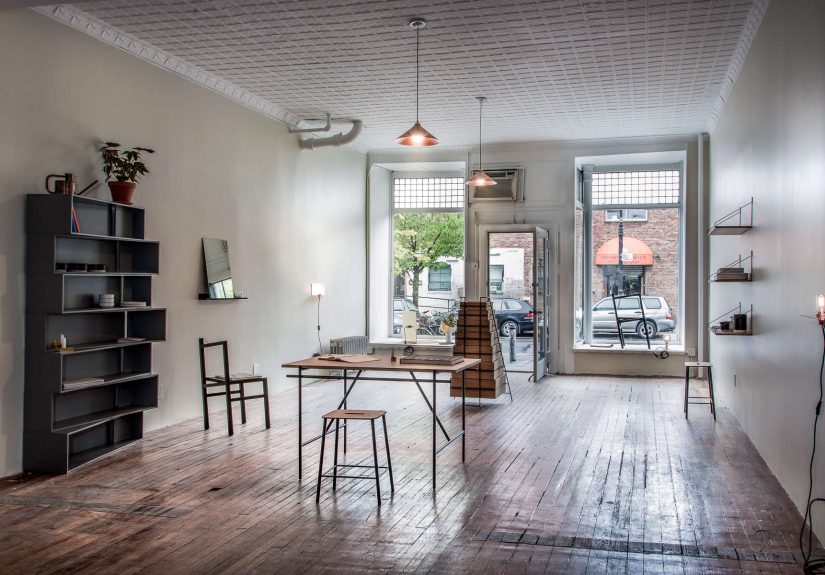
A good design showroom doesn’t shout. It hums. Reform’s vibe is the architectural equivalent of lowering your shoulders when you exhale. The brand’s whole premisecovered by U.S. kitchen-and-design outlets like Kitchen & Bath Businessis high-end-looking kitchens designed to be more attainable, with an emphasis on clean lines, strong materials, and a “we thought about every millimeter so you don’t have to” level of polish.
What makes Reform feel like a Copenhagen export in the best way is how it treats the kitchen as a lived space, not a showroom stage set. Brooklyn kitchens have to multitask: coffee bar, office, dinner party HQ, and sometimes emotional support corner. Reform’s approach fits that reality because it’s rooted in systems and surfaces that are designed to hold upvisually and literally.
Why this matters for shoppers (and not just design nerds)
- It’s aspirational without being alienating. You can imagine it in your home, even if your home is a rental and your landlord thinks “updated kitchen” means “a new sponge.”
- It’s collaboration-forward. U.S. coverage highlights Reform’s partnerships with internationally known designers and studiosthink the kind of names that show up in design festival lineups and architecture group chats.
- It’s a reminder that good design is a daily upgrade. A kitchen that functions well makes everything else feel easier: cooking, cleaning, even the humble act of finding the one pan you actually like.
Shopping tip: If you visit any kitchen showroom, bring photos, rough measurements, and a short list of what drives you nuts. You’ll get more out of the experienceand you’ll be less likely to fall into the trance of beautiful drawers opening and closing like a soothing TikTok loop.
The Brooklyn Scandinavian Shopping Circuit
Now for the fun part: once your brain has been recalibrated by Copenhagen-level calm, Brooklyn offers plenty of places to chase that feelingwhether you’re after Nordic home decor, Scandinavian furniture, or just a well-designed object that makes your keys feel fancy.
Stop 1: Greenpoint’s Nordic Nest Energy
Trade and retail press like Designers Today have spotlighted a Greenpoint showroom that’s built around the Scandinavian lifestyleless “buy this lamp” and more “welcome to the church of good lighting.” The appeal is range: modern Nordic brands, minimalist accessories, and the kind of storage solutions that make you believe you could become a person who folds laundry immediately.
These spaces often lean into hygge not as a buzzword but as a retail experience: warm wood, tactile textiles, and a pace that encourages lingering. And honestly? In a city that moves at “double espresso” speed, browsing in a Scandinavian showroom feels like a wellness practice.
Stop 2: Williamsburg’s “Minimalism, but Make It Brooklyn”
Brooklyn’s relationship with Scandinavian style isn’t only about furniture. Fashion and retail design publicationsincluding Voguehave covered Copenhagen brands opening in Williamsburg with launch events that feel like art nights disguised as store openings. It’s a reminder that Copenhagen design isn’t limited to sofas and shelving; it’s also about how a space is staged, how materials are used, and how sustainability gets baked into the aesthetic.
On the sustainability front, Architectural Digest has pointed to Scandinavian retail design that embraces upcycling and reused materialsnot as a lecture, but as a visual idea. Recycled plastics, vintage pieces, and clever reworking of old materials become design features, not footnotes. Brooklyn loves that. It’s practically the borough motto: “If it has a second life, it’s cooler.”
Stop 3: Downtown Brooklyn for Playful Danish “Treasure Hunting”
Not every Danish design moment has to be serious. Years back, U.S. retail announcements (via outlets like PR Newswire) highlighted Danish variety retailers opening in Brooklyn with a promise of affordable, quirky objects and rotating newness. This is the Copenhagen design spirit in its mischievous form: functional, colorful, and delightfully unnecessary in a way that becomes totally necessary the second you see it.
Think: clever kitchen gadgets, party supplies that make you want to host a dinner even if your table is also your desk, and small home goods that feel like stocking stuffers for your own adulthood.
What to Buy When Copenhagen Design Hits Your Cart
Buying Scandinavian design can go one of two ways: you purchase one “forever” piece that anchors your home, or you buy twelve small things because they were “only” $18 each. Both are valid. Here’s how to shop smart without draining your bank account or turning your apartment into a minimalist museum you’re afraid to sit in.
1) The anchor piece: storage that behaves
If Copenhagen design has a superpower, it’s making storage look like architecture. Modular shelving, clean-lined cabinets, and systems that scale with your life are the quiet heroes of Danish home decor. In Brooklyn, where every inch matters, storage is not boringit’s survival.
2) Lighting that flatters your entire existence
Scandinavian lighting isn’t about drama; it’s about mood. Soft, layered light makes a room feel bigger and warmer. It also makes leftover pizza look slightly more intentional. If you take one idea from Nordic interiors, let it be this: overhead lighting is not a personality.
3) Small indulgences: the “hygge multipliers”
- Wool throws and textured cushions
- Simple ceramic mugs that make coffee taste better (science-ish)
- Minimalist trays that corral clutter into “styling”
- Hardware upgrades (knobs and pulls) that change the whole vibe
How to Tell “Scandi” from “Scandi-Inspired” Without Becoming a Snob
Let’s be honest: the U.S. has been in a Scandinavian design phase for a long time. 1stDibs has written about how America’s love for Nordic craftsmanship goes back generations, while Fast Company has noted that part of the appeal is myth-makingan idea of Scandinavian life that’s equal parts design philosophy and great branding.
So how do you shop it thoughtfully?
Look for these signals
- Material honesty: wood that looks like wood, stone that looks like stone, finishes that age well.
- Joinery and weight: drawers that glide, hinges that don’t complain, pieces that feel stable.
- Timeless proportions: not trendy for trend’s sakebalanced shapes that won’t scream “2024!” in two years.
- Sustainability that’s visible: reused materials, upcycling, and design choices that reduce waste without sacrificing beauty.
And if you love something that’s “inspired by” Scandinavian design? Buy it. Your home isn’t a museum. It’s a living organism that occasionally spills seltzer.
Brooklyn Styling Notes: Make Copenhagen Design Work in a New York Apartment
Design publications like Domino thrive on solving small-space problems, and Brooklyn is basically one big small-space laboratory. Here’s how to bring Copenhagen style home without turning your place into a beige waiting room.
Keep the base calm, then add personality
Scandinavian interiors often start with a quiet backdrop: light walls, natural wood, clean silhouettes. Brooklyn’s twist is adding a little gritvintage art, a bold rug, a weird lamp you found at a flea market and now treat like a pet.
Use “soft minimalism,” not “empty minimalism”
Hygge isn’t about owning nothing; it’s about owning what makes life feel good. Layer textures: linen, wool, warm woods, matte ceramics. It’s minimalism with a heartbeat.
Choose multipurpose everything
Brooklyn apartments demand furniture that multitasks. A bench that’s also storage. A shelf that’s also a room divider. A coffee table that holds books, candles, and the illusion that you have your life together.
Conclusion: Brooklyn, Meet Copenhagen (Officially)
Copenhagen design landing in Brooklyn isn’t a takeoverit’s a collaboration. Brooklyn brings the edge, the humor, the lived-in charm. Copenhagen brings the restraint, the craft, the calm confidence that even your junk drawer could be organized if you just believed harder.
Whether you’re visiting a Copenhagen-born kitchen showroom in DUMBO, hunting for Scandinavian furniture in Greenpoint, or scooping up playful Danish objects downtown, the thread is the same: design that improves daily life. Not design that intimidates. Not design that performs. Design that helps you live better, in a borough where living better sometimes means fitting a dining table, an office, and a social life into one room.
And if you leave Brooklyn with nothing but one beautifully made mug? Congrats. You’ve started a collection. That’s how it happens.
Extra Pages from the Diary: 10 Brooklyn Experiences That Feel Weirdly Copenhagen
I promised you experiencesnot just shopping adviceso here are the moments that made this whole “Copenhagen design in Brooklyn” day feel like a mini trip abroad, minus the jet lag and the part where you pretend you understand currency conversion.
1) The Tape Measure Confidence Boost. There’s something empowering about walking into a design showroom with a tape measure in your pocket. You may not know what “matte lacquer” truly means, but you can confidently announce, “My wall is 61 inches,” like you’re presenting a closing argument. Copenhagen design energy is partly this: measurements are love, and planning is romance.
2) The Drawer Glide Test. In Brooklyn, we test everything: coffee, bagels, neighborhood loyalty. In a Scandinavian showroom, you test drawers. You open and close them slowly, listening for that silent, buttery glide. If the drawer closes like a whisper, your nervous system relaxes. If it slams, your soul briefly leaves your body.
3) The “Calm but Grand” Feeling. The best Danish-influenced spaces have this paradox: they’re quiet, but they still feel important. You don’t need neon signage or loud branding. A beautiful material palette does the talking. It’s a reminder that Brooklyn doesn’t always need to be maximal to be memorable.
4) The Soft-Serve Version of Minimalism. You know that stereotype of Scandinavian minimalism being cold? Not here. The Brooklyn adaptation is warm: creamy neutrals, textured wood, gentle lighting. It’s minimalism that wants you to sit down, not minimalism that wants to scold you for owning a backpack.
5) The Hygge Snack Intermission. Somewhere between showrooms and shops, you take a break. Maybe it’s a cardamom bun. Maybe it’s a strong coffee. The point is: Scandinavian lifestyle isn’t only about objects. It’s about pacing. Brooklyn can be intense; a Nordic-style pause feels rebellious in the best way.
6) The “One Perfect Object” Moment. You spot it: a lamp, a vase, a piece of hardwaresimple, functional, and inexplicably irresistible. This is Copenhagen design’s quiet superpower. It doesn’t beg for attention. It just sits there looking correct, and suddenly your brain says, “I must own this to become my best self.”
7) The Sustainable Flex. Brooklyn loves a good story. Scandinavian design often comes with one: reused materials, upcycling, objects built to last. When sustainability is baked into the aesthetic, it doesn’t feel preachyit feels like a design upgrade. You’re not just buying something pretty; you’re buying something that’s trying to behave responsibly in the world. (A rare trait in 2026.)
8) The Apartment Reality Check. You leave inspired, then remember your apartment is small and your hallway is basically a suggestion. Copenhagen design doesn’t break under that realityit adapts. The best pieces are compact, modular, and meant to work hard. Brooklyn demands usefulness, and Scandinavian design meets it with elegance.
9) The Compliment That Matters. Someone comes over and says, “Your place feels so calm.” Not “big.” Not “expensive.” Calm. That’s the Copenhagen-Brooklyn crossover goal: a home that feels like a deep breath in a borough that rarely stops moving.
10) The Walk Home with Lighter Shoulders. Even if you didn’t buy anything major, you go home with new ideas: better storage, warmer lighting, less visual noise, more texture. Great design shopping isn’t always about spendingit’s about seeing what’s possible. Copenhagen design in Brooklyn doesn’t just sell you stuff; it sells you a slightly better way to live with your stuff.
And that’s the real souvenir.