Table of Contents >> Show >> Hide
- Quick snapshot: what “The Sword in the Stone” actually is
- How these rankings work (so you can argue with me properly)
- Where the movie ranks in the real world (critics, fans, and the great “it’s fine” consensus)
- Ranking #1: The 8 best scenes (ranked by “rewatch joy”)
- Ranking #2: The 7 most essential characters (ranked by “who carries the movie”)
- Ranking #3: The songs (ranked by “do you randomly hum it later?”)
- Ranking #4: The biggest opinions that decide whether you love this movie
- So… how should “The Sword in the Stone” rank among Disney classics?
- Viewer experiences: of “what it feels like” to watch and rank this movie
- Final verdict
- SEO Tags
Disney’s The Sword in the Stone has a funny superpower: it’s the movie everyone vaguely remembers (Merlin! Madam Mim! squirrels having a confusingly intense romance!) yet almost nobody agrees where it belongs in the Disney canon. Some viewers call it an underrated comfort-classic. Others shrug and say, “It’s basically a collection of magical after-school specials with an owl who’s perpetually one eye-roll away from quitting.”
This article is a playfulbut deeply researchedset of rankings and opinions on the film: the best scenes, the most rewatchable characters, the songs that actually stick, and the big debates that keep this 1963 animated feature popping up in “most overlooked Disney movies” conversations. If you’re here for a definitive answer, I have great news: you’ve chosen the least definitive movie in the most definitive way possible. Let’s rank it anyway.
Quick snapshot: what “The Sword in the Stone” actually is
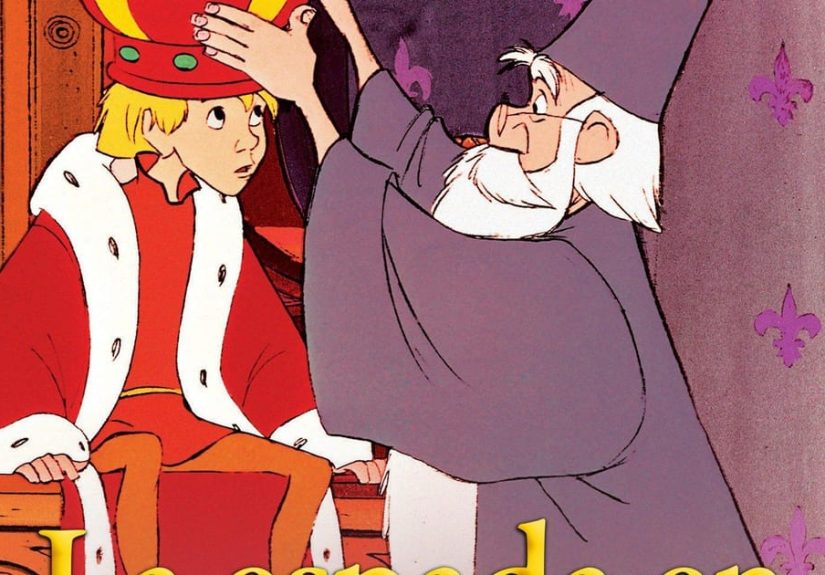
The Sword in the Stone is Disney’s animated take on the early life of King Arthurbefore he’s King Arthur, when he’s a scrawny kid nicknamed Wart learning how not to get flattened by history. Merlin’s educational philosophy is basically: “If you can survive being turned into a fish, a bird, and a squirrel, you can survive leadership.”
- What it’s about: Wart’s messy, magical “curriculum” in brains-over-brawn, culminating in the famous sword moment.
- Why it stands out: It’s more comedy-forward than epic, with episodic lessons and an all-timer wizard duel.
- Why it’s divisive: Some people love the loose, gag-driven structure; others want a stronger emotional arc.
How these rankings work (so you can argue with me properly)
I scored each category using a mix of (1) critical reception patterns from major review aggregators, (2) recurring audience talking points from family-review sites, and (3) craft factors that matter in animation rewatchability: character clarity, comedic timing, visual invention, and “quote-ability.” No single list on the internet is treated as “the truth”because if the internet agreed on Disney rankings, it would spontaneously combust.
The rubric (in plain English)
- Rewatch factor: Does the scene/character/song get better the 3rd time, or does it start feeling like a sugar crash?
- Animation advantage: Does it do something only animation can do?
- Story impact: Does it move Wart’s “learning to be worthy” journey forward?
- Vibe: Yes, “vibe” counts. This movie is 30% wizardry, 70% vibe.
Where the movie ranks in the real world (critics, fans, and the great “it’s fine” consensus)
On modern score aggregators, The Sword in the Stone tends to land in the “generally favorable, not wildly beloved” zonerespectable, but rarely crowned. That fits the film’s personality: it’s charming and clever, but it doesn’t swing for the sweeping emotional gut-punch some Disney classics deliver.
This split is also why it shows up all over rankings listssometimes mid-pack, sometimes surprisingly low, occasionally defended like it’s an unfairly benched athlete. Critics often praise the humor and the inventive set-pieces (especially the duel), while the most common knocks are pacing and a thin through-line. Parents and kids, meanwhile, often agree it’s entertaining, but they don’t always agree on which parts are “cute” versus “why are these animals flirting so aggressively?”
Ranking #1: The 8 best scenes (ranked by “rewatch joy”)
-
The wizard duel: Merlin vs. Madam Mim
The film’s undisputed heavyweight champion. It’s fast, creative, and packed with personalityeach transformation feels like a punchline and a tactical move. It’s also the clearest example of “animation doing animation things.” -
Wart’s first “school day” with Merlin
The chaos of a wizard trying to run a lesson plan is inherently funny. Merlin’s version of structure is… optimistic. The humor lands because it’s character-based: Merlin is brilliant, but also distractible and stubborn. -
The fish lesson (brains over brawn, underwater edition)
Simple concept, strong execution. It’s danger + lesson + comedy without overstaying its welcome. It also helps the movie’s core themeleadership isn’t about being the biggest thing in the pond. -
Archimedes’ sustained laughing fit
A masterclass in comedic rhythm. The owl’s laughter is practically a scene-long victory lap for animation timing. It’s also weirdly relatable: sometimes your friend fails so spectacularly you temporarily become a broken machine. -
The “modern muddle” anachronism jokes
Merlin’s time-traveling awareness lets the movie wink at the audience without feeling too smug. It’s one of the reasons the film still feels lighter and more contemporary than you’d expect from 1963. -
The bird lesson (with the hawk chase energy)
It’s not the deepest segment, but it’s exciting and cleanly staged. If you’re watching with kids, this is often a “pay attention!” moment. -
The squirrel sequence (aka “Disney romance speedrun”)
The movie abruptly becomes a tiny, chaotic rom-com. It’s memorablesometimes for sweet reasons, sometimes for baffled reasons. Either way, you remember it. That counts. -
Pulling the sword
The payoff is iconic by premise alone. The film’s version is more understated than some audiences expect, but it’s still satisfying: Wart wins not by swagger, but by being the kid who kept showing up and learning.
Ranking #2: The 7 most essential characters (ranked by “who carries the movie”)
-
Merlin
The engine of the movie. He’s the rare mentor who’s both wise and a walking disaster in domestic life. His contradictions are the point: intelligence isn’t neat. -
Archimedes
The comic counterweight. He says what the audience is thinking, especially when Merlin gets carried away. Also: elite grump performance. -
Madam Mim
She doesn’t need a long screen time to become legendary. Mim shows up, detonates the plot, and leaves the film with a higher fun-per-minute ratio. -
Wart (young Arthur)
Wart works because he isn’t “chosen” by coolnesshe’s chosen by decency and curiosity. He’s an underdog without being a cliché. -
Sir Ector
Big “exhausted dad” energy. He’s not a villain; he’s a man trying to run a household in a medieval economy with zero emotional support resources. -
Sir Kay
The classic bully-sibling archetype. He functions as a pressure test: Wart’s kindness isn’t theoreticalit’s practiced under stress. -
King Pellinore
Often overlooked, but he adds texture to the world and a specific kind of fussy, cartoon nobility that fits the film’s comedic tone.
Ranking #3: The songs (ranked by “do you randomly hum it later?”)
The film’s music is an interesting case: it doesn’t aim for the giant, Broadway-style emotional set pieces Disney would later become famous for. Instead, it uses songs as character toolslittle bursts of mood, comedy, and explanation.
-
“Higitus Figitus”
Pure wizard-brand nonsense in the best way. It’s catchy, silly, and perfectly expresses Merlin’s “learning is fun if you don’t ask too many questions” vibe. -
“A Most Befuddling Thing”
The movie’s sweetest song momentoddly sincere, a little melancholy, and surprisingly effective at capturing childhood confusion. -
“That’s What Makes the World Go Round”
A clever, breezy number that fits the film’s episodic structure and “lesson-of-the-day” format. -
“Mad Madam Mim”
It does exactly what it needs to do: announce chaos, sell a character, and keep the pacing punchy. -
Opening/legend material (“The Legend of the Sword in the Stone”)
Sets the storybook tone and primes the audience for folklore. It’s more functional than earwormbut it’s solid scaffolding.
Ranking #4: The biggest opinions that decide whether you love this movie
Opinion battle #1: “Episodic = charming” vs. “episodic = thin”
If you need a tight, escalating plot, this film can feel like a magical variety show: fish lesson, bird lesson, squirrel feelings, wizard duel, sword moment, roll credits. But if you like character comedy and bite-sized set pieces, the episodic nature is the appeal. It’s a Saturday morning adventure in feature-length clothing.
Opinion battle #2: Merlin is either delightful or stressful
Merlin’s genius is that he’s not a serene, perfect mentor. He’s impatient, cluttered, occasionally petty, and absolutely convinced he’s right (which, to be fair, he often is). Some viewers find that refreshing; others find it exhausting. Both reactions are valid. He’s basically a walking group project.
Opinion battle #3: The squirrel sequence is either adorable or “why is this here?”
The squirrel segment is infamous for a reason: it’s bold, emotional, and unexpectedly intense for a movie that’s mostly jokes and lessons. For some viewers it’s the heart of the film. For others, it’s a detour that hijacks the tone. Either way, it’s the scene most likely to make adults glance at each other like, “Are we watching the same movie as the kids?”
So… how should “The Sword in the Stone” rank among Disney classics?
Here’s my take: it’s not in the top tier of Disney animated features if your criteria is emotional scope, cinematic ambition, or soundtrack dominance. But it’s absolutely in the upper-middle tier if your criteria is comedic personality, rewatchable set pieces, and “comfort movie” energy.
My overall placement (with honest caveats)
- Best at: character comedy, magical invention, and one of Disney’s most entertaining duels.
- Weaker at: momentum, emotional depth, and giving Wart a fully rounded internal arc.
- Most likely to win you over if: you like lighter, gag-driven Disney and you enjoy Merlin/Archimedes bickering like an old married couple.
Viewer experiences: of “what it feels like” to watch and rank this movie
If you want the most fun possible experience with The Sword in the Stone, don’t watch it like you’re grading a term paper. Watch it like you’re attending Merlin’s classcurious, slightly confused, and ready for your lesson plan to be replaced by a surprise hawk chase.
One of the best ways to revisit the film is to make it a “ranking night.” Before you hit play, pick three categories to judge: (1) funniest moment, (2) most creative piece of animation, and (3) scene you totally forgot existed. Then, as you watch, keep a running list (on your phone, a sticky note, or the back of a napkin like a medieval scholar). The movie almost dares you to do this because it’s built out of distinct chunkseach segment wants to be voted on.
Families often have a hilarious split reaction. Kids usually lock onto the transformationsfish, bird, squirrelbecause the stakes are immediate and visual. Adults tend to latch onto Merlin’s “I have seen the future and I am not impressed” attitude, plus Archimedes’ constant frustration. That dynamic turns the movie into a two-track comedy: one track for the kids (action, animals, slapstick) and one track for the grown-ups (sarcasm, anachronism jokes, and the deeply relatable chaos of trying to teach someone who keeps getting interrupted by life).
The wizard duel is the moment that unites everyone. Even if you were half-watching, you sit up. It’s the scene that feels like the animators saying, “Okay, now watch what we can do.” It also changes the energy of the whole film. Before the duel, it’s mostly education and mischief; during the duel, it becomes a full-on magical showdown that still feels playful instead of grim. It’s action without the heavinesslike a roller coaster that also tells jokes.
And then there’s the squirrel sequence, which is the ultimate conversation starter. Some viewers experience it as surprisingly tenderWart learning what love feels like, Merlin admitting he can’t out-magic emotions, and the bittersweet reality that growing up includes confusing feelings you didn’t ask for. Others experience it as “This movie just switched genres without warning.” Either way, it becomes the scene people talk about afterward, which is a strong sign it’s doing something memorable.
Finally, the ending lands differently depending on your mood. If you expect a triumphant finale, it may feel quick. If you’ve been enjoying the film as a series of lessons, the sword moment feels like a quiet confirmation: Wart didn’t earn the throne by being the toughest kid in the courtyardhe earned it by becoming the kind of person who listens, learns, and stays decent when other people aren’t.
Final verdict
The Sword in the Stone is a comedy-first Disney classic with a legendary duel, a lovable mentor who’s equal parts genius and mess, and a structure that feels like a storybook of “what leadership lessons look like before the crown.” If you rank Disney movies by emotional fireworks, it won’t win the tournament. If you rank them by rewatchable charm and animated inventiveness, it quietly pulls the sword more often than people expect.