Table of Contents >> Show >> Hide
- Introduction: A Friendly Look at Sunsoil CBD
- What Is Sunsoil?
- Sunsoil CBD: Pros
- Sunsoil CBD: Cons
- Sunsoil Product Types Explained
- Who Might Consider Sunsoil?
- How to Evaluate Sunsoil CBD Safely
- Sunsoil vs. Other CBD Brands
- 500-Word Experience-Based Section: What Using a Brand Like Sunsoil Can Feel Like
- Final Verdict: Is Sunsoil CBD Worth Considering?
Note: This article is for general consumer education only. CBD products are not appropriate for everyone, and anyone considering CBD should talk with a qualified healthcare professional first, especially if they take medications, are pregnant, have liver concerns, or are shopping for a minor.
Introduction: A Friendly Look at Sunsoil CBD
Sunsoil is a Vermont-based CBD company known for organic hemp, full-spectrum formulas, and a simple product lineup. In a CBD market that can feel like a jungle wearing a lab coat, Sunsoil stands out for trying to keep things straightforward: hemp extract, carrier oil, batch testing, and relatively accessible pricing.
That said, CBD is not a magic button, a guaranteed sleep switch, or a tiny bottle of universal life improvement. The U.S. Food and Drug Administration has stated that CBD products are not approved as dietary supplements or conventional food ingredients, and it continues to warn brands that make unsupported medical claims. So, this Sunsoil CBD review takes a balanced approach: what the brand does well, where shoppers should be cautious, and how to evaluate its product types without treating them like miracle cures.
What Is Sunsoil?
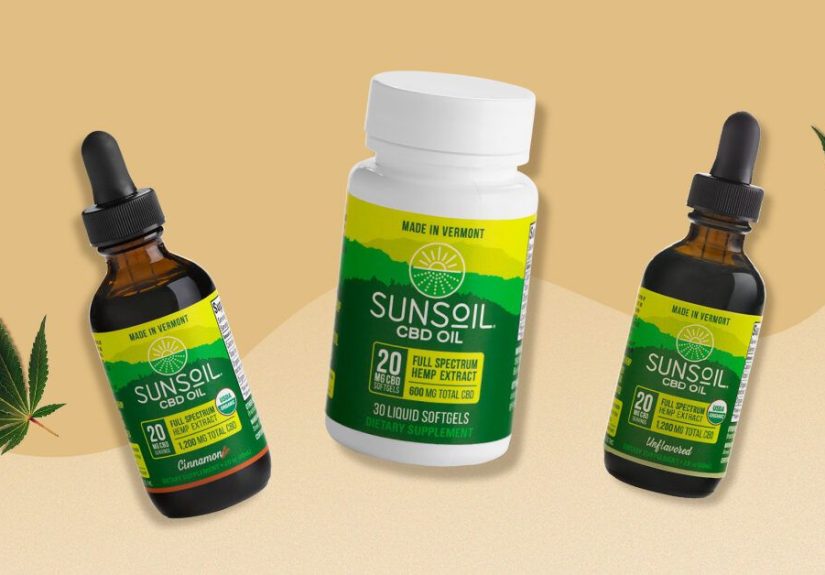
Sunsoil is a CBD brand associated with Vermont-grown hemp and full-spectrum hemp extract. The company highlights organic farming practices, third-party testing, and simple ingredient lists. Its public materials emphasize that each batch is tested for potency and purity through ISO-accredited labs before products are released.
Most Sunsoil products are built around full-spectrum CBD, meaning they may contain CBD plus other naturally occurring hemp compounds, including trace levels of THC within legal hemp limits. For some adult consumers, full-spectrum hemp extract is appealing because it keeps more of the plant’s natural profile intact. For others, the trace THC content may be a drawback, especially for people who are drug tested or who prefer to avoid THC entirely.
Sunsoil CBD: Pros
1. Simple Formulas
One of Sunsoil’s biggest strengths is simplicity. Some CBD products read like a chemistry exam with a side of fruit flavoring. Sunsoil’s oils and capsules generally focus on recognizable ingredients such as hemp extract and coconut-derived carrier oil. That can make the brand easier to evaluate for consumers who dislike overly complicated supplement-style products.
2. Organic Hemp Focus
Sunsoil has built much of its identity around organic hemp and Vermont farming. Organic sourcing matters to many CBD shoppers because hemp is a crop that interacts closely with soil. Cleaner farming practices and stronger agricultural standards can help support product quality, although consumers should still review batch-specific lab reports rather than relying on marketing language alone.
3. Third-Party Testing
Third-party testing is one of the most important quality signals in the CBD industry. Sunsoil says its products are tested by independent ISO-accredited labs for potency and purity. This is valuable because CBD labels across the broader market have not always matched what is inside the bottle. A certificate of analysis can help confirm cannabinoid content and screen for contaminants such as heavy metals, pesticides, and residual solvents.
4. Straightforward Product Types
Sunsoil’s lineup has historically focused on familiar CBD formats such as oils, capsules, softgels, and gummies. That makes the brand easier to understand than companies with endless specialty blends. For adult consumers who already know they want a basic CBD format, fewer choices can actually be a relief. Decision fatigue is real; sometimes the best shopping experience is not being asked to choose between 47 flavors of “calm.”
5. Value-Oriented Positioning
Compared with many boutique CBD brands, Sunsoil has often positioned itself as a more affordable full-spectrum option. Price matters because CBD can become expensive quickly, especially when used regularly. However, shoppers should compare cost per milligram of CBD, not just the sticker price on the bottle.
Sunsoil CBD: Cons
1. Full-Spectrum CBD Is Not for Everyone
Full-spectrum CBD can contain trace THC. Even when the amount is within legal hemp limits, it may still be a concern for people who undergo drug testing or who want to avoid THC for personal, medical, or professional reasons. Anyone in that situation should be very cautious and ask a healthcare professional before using full-spectrum CBD.
2. CBD Has Real Safety Questions
The FDA has raised concerns about CBD’s potential effects, including possible liver injury, interactions with medications, and uncertainty around long-term daily use. CBD can also cause side effects such as sleepiness, digestive discomfort, or changes in appetite in some people. In other words, “plant-derived” does not automatically mean “risk-free.” Poison ivy is plant-derived too, and nobody is putting that in a wellness smoothie.
3. Not a Cure or Treatment
CBD brands should not claim that over-the-counter hemp products can diagnose, treat, cure, or prevent diseases. Consumers should be skeptical of any review, influencer post, or product page that promises dramatic medical results. A responsible Sunsoil CBD review should make this clear: CBD may interest some adults, but it is not a replacement for medical care.
4. Limited Options for THC-Free Shoppers
Because Sunsoil is known mainly for full-spectrum hemp products, it may not be the best match for people specifically looking for broad-spectrum CBD or CBD isolate. Shoppers who want no detectable THC should look for products with clear THC-free lab reports and confirm those reports are current.
5. Product Availability Can Change
CBD product lines change often. Flavors, strengths, package sizes, and formulas may vary over time. Before purchasing any CBD product, adult consumers should review the current label, serving size, ingredient list, and certificate of analysis directly from the brand or retailer.
Sunsoil Product Types Explained
CBD Oils
CBD oil is usually the most flexible format because serving sizes can be adjusted more easily than capsules or gummies. Sunsoil oils are commonly associated with full-spectrum hemp extract and a carrier oil. Some consumers like oils because they can be taken in smaller or larger amounts depending on guidance from a professional. The downside is taste. Natural hemp flavor can be earthy, grassy, and slightly boldlike a lawn decided to become a supplement.
CBD Capsules and Softgels
Capsules and softgels are convenient because the serving size is pre-measured. They are also easier for people who dislike the taste of hemp oil. The trade-off is less flexibility. You cannot easily split a softgel the way you might measure a smaller serving of oil. Capsules may also take longer to feel noticeable because they pass through digestion first.
CBD Gummies
Gummies are popular because they are familiar and easy to take. However, they deserve extra caution. Any cannabis-derived product that looks like candy should be stored securely and kept away from children and pets. Gummies may also contain added sugars, flavors, or other ingredients that some shoppers prefer to avoid.
Who Might Consider Sunsoil?
Sunsoil may appeal to adult consumers who want a simple full-spectrum CBD product from a brand that emphasizes organic hemp and lab testing. It may also appeal to shoppers who dislike overly flashy wellness branding and prefer a more practical, no-confetti approach.
However, Sunsoil may not be ideal for people who need to avoid THC, people subject to drug testing, people who are pregnant or breastfeeding, people taking medications that may interact with CBD, or anyone looking for a product to treat a medical condition. Those groups should get professional medical guidance rather than relying on online reviews.
How to Evaluate Sunsoil CBD Safely
Check the Certificate of Analysis
A certificate of analysis, often called a COA, is one of the most important documents in CBD shopping. It should show cannabinoid potency, THC levels, and contaminant screening. Make sure the COA matches the product batch. A lab report from three years ago is about as useful as a weather forecast from last Thanksgiving.
Read the Ingredient List
Simple ingredients are easier to evaluate. Look for allergens, added sweeteners, gelatin, flavorings, or carrier oils that may not fit your preferences. If a product has a long list of mystery ingredients, that is a reason to slow down.
Look for Responsible Claims
Trustworthy CBD brands avoid promising cures. Be cautious with language that sounds too dramatic, especially claims about anxiety disorders, chronic pain, cancer, sleep disorders, or other medical conditions. Responsible CBD content should talk about potential, limitations, and safetynot miracles in a bottle.
Consider Drug Testing Risks
Full-spectrum hemp products may contain trace THC. While legal hemp products must stay within federal THC limits, using full-spectrum products does not guarantee a negative drug test. Anyone who is tested for work, sports, school, or legal reasons should be extremely careful.
Sunsoil vs. Other CBD Brands
Compared with many CBD brands, Sunsoil’s strongest selling points are simplicity, organic hemp messaging, and transparency around testing. Some competitors offer more specialized formulas, such as broad-spectrum CBD, isolate products, minor cannabinoid blends, or terpene-focused options. Sunsoil’s approach is more basic, which can be either a strength or a limitation depending on the shopper.
If you want a full-spectrum CBD oil with a short ingredient list, Sunsoil may be worth researching further as an adult consumer. If you want THC-free CBD, luxury flavors, highly targeted blends, or topical products with complex botanical formulas, another brand may fit better.
500-Word Experience-Based Section: What Using a Brand Like Sunsoil Can Feel Like
Reading about CBD online can feel overwhelming because every brand seems to promise calm, balance, relief, and a lifestyle where your kitchen counters are somehow always clean. A more realistic experience with a brand like Sunsoil starts with the label. The first thing many careful shoppers notice is that the products are not trying to look like a futuristic science potion. The packaging and formulas tend to feel practical, simple, and grounded.
For someone comparing CBD oils, Sunsoil’s full-spectrum approach may feel appealing because it keeps the product close to the hemp plant’s natural profile. But that same feature may also create hesitation. Trace THC is not just a tiny footnote; it can matter for drug testing, personal comfort, and legal or workplace concerns. A thoughtful consumer experience includes asking, “Is full-spectrum actually right for me?” instead of assuming more plant compounds automatically means better.
The taste of natural CBD oil is another real-world detail. Hemp oil can taste earthy, nutty, grassy, and a little intense. Some people do not mind it. Others make the face people make when they accidentally drink orange juice after brushing their teeth. Flavored versions may help, but taste is personal. Capsules or softgels can be easier for people who want to avoid flavor altogether.
Another practical experience is reviewing lab reports. This step is not glamorous, but it is important. A consumer who takes a few minutes to check potency, THC level, and contaminant testing will usually feel more confident than someone who buys based only on attractive branding. In the CBD world, the lab report is the backstage pass. It tells you what is actually going on behind the marketing curtain.
Sunsoil’s value angle can also shape the experience. CBD can be expensive, and lower cost per milligram may be attractive for adults who have already discussed CBD with a professional and know what kind of product they are looking for. Still, price should not be the only factor. A cheap CBD product without clear testing is not a bargain; it is a question mark with a discount sticker.
The most balanced way to think about Sunsoil is this: it appears designed for adult consumers who want a straightforward full-spectrum CBD option without excessive bells and whistles. It is not the flashiest brand, and that may be the point. But CBD is still a substance that deserves caution. The best experience comes from treating it seriously, checking documentation, avoiding unrealistic claims, and getting medical advice when needed.
Final Verdict: Is Sunsoil CBD Worth Considering?
Sunsoil is a recognizable CBD brand with a focus on full-spectrum hemp extract, organic sourcing, simple formulas, and third-party testing. Its strengths include transparency, affordability, and a less complicated product lineup. Its weaknesses include limited appeal for THC-free shoppers, the broader safety uncertainties around CBD, and the need for consumers to carefully check current product labels and lab reports.
For adult shoppers who have already decided CBD may be appropriate for them after professional guidance, Sunsoil may be a brand worth researching. For anyone seeking a guaranteed result, a medical treatment, or a THC-free option, caution is the smarter path. CBD deserves curiosity, but it also deserves common sense.