Table of Contents >> Show >> Hide
- Meet Tum Natakorn Ulit: Colorful Comics, Heavy Feelings
- Why “Unexpected Turns” Work So Well in Short Comics
- 18 Best Tum Natakorn Ulit Comics, Explained (Without Stealing the Art)
- 1) Soldier boy
- 2) Insert coin here
- 3) Hello again
- 4) Hi and goodbye
- 5) My precious…
- 6) Cat’s vision
- 7) Almost a miracle until…
- 8) Hug Hug
- 9) Mr. Santa, do you see me?
- 10) Pick colors for your nature
- 11) Only God(zilla) knows
- 12) I choose you, you eat me
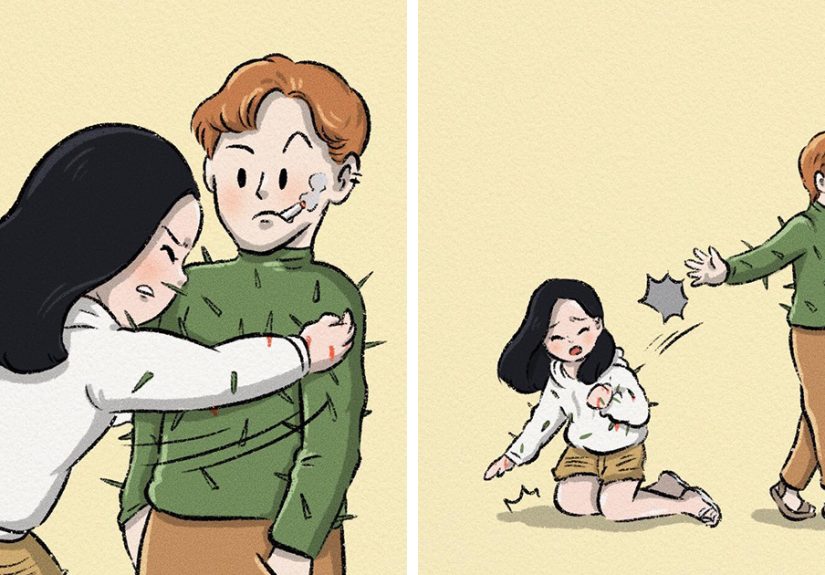
- 13) No matter how high it is
- 14) And they all lived happily ever after?
- 15) Happiness Begins
- 16) Same hand that hold you
- 17) A flower that fits the soul
- 18) Bonus pick: The Butterfly and Her Fly
- What Tum’s Comics Teach Writers and Creators
- Reader’s Guide: How to Enjoy Bittersweet Comics Without Spiraling
- Experiences: 500+ Words of What This Kind of Comic Can Do to a Person (In the Best Way)
- Conclusion: Why These Comics Keep Getting Shared
Some comics make you laugh. Some make you think. And then there are the sneaky ones that do boththen casually
kick your heart down a flight of stairs, whisper “sorry,” and hand you a tissue like it’s a normal way to end a
story.
That’s the particular superpower behind Thai illustrator Tum Natakorn Ulit, whose colorful,
soft-textured comics became widely shared for one simple reason: they don’t go where your brain thinks they’re
going. You glance at the first panel, make a neat little prediction (as humans do), and thenplot twist. It’s not
always “ha-ha” funny, either. Often it’s “oh wow… I need to stare at the wall for a minute” funny.
In the Bored Panda feature that introduced many readers to Tum’s work, the vibe is clear from the start:
these are heart-wrenching stories told in bright candy colors, where a surprising turn doesn’t exist just
to be cleverit exists to reveal something tender, painful, or deeply human. Tum has explained that a lot of his
inspiration comes from his own hurt and lived experiences, which he reshapes into comics as a way to express what
words can’t always hold.
Meet Tum Natakorn Ulit: Colorful Comics, Heavy Feelings
Tum Natakorn Ulit is an artist from Bangkok, Thailand, known for comics that look gentle on the surface and then
quietly reveal a bittersweet punchlinesometimes hopeful, sometimes tragic, often both at once.
What makes his work stick isn’t just the twist; it’s the intention behind it. In the Bored Panda piece, he talks
about translating pain into storiesalmost like turning a sharp, private feeling into something shareable and
strangely comforting. And that “comforting” part matters more than people realize: he’s described a moment where
a friend called him after reading a comic, emotional and relieved, because the story made them feel less alone.
That reaction helped pull Tum out of a darker stretch, and reinforced the idea that these drawings can be a kind
of therapyboth for the artist and the reader.
Why “Unexpected Turns” Work So Well in Short Comics
1) Your brain loves a setup… and hates being wrong (in a fun way)
Sequential storytelling is basically a controlled magic trick. A comic sets a rhythm: panel, panel, panelthen a
final beat that re-frames everything. When it’s done well, you get that satisfying mental click where the story
snaps into focus. Artists and teachers often talk about how readers follow predictable visual paths on a page, and
creators can use that “flow” to guide attention and land an ending cleanly.
2) Tragedy can be strangely enjoyable (yes, really)
There’s a long-running philosophical puzzle sometimes called the “paradox of tragedy”: why do people seek out art
that makes them sad? One explanation is that the experience can be meaningful, even pleasurable, when we feel
emotions at a safe distancelike getting a deep emotional workout without real-world damage.
3) Humor and heartbreak use similar mechanics
A lot of humor boils down to expectation + violation + relief. Psychology researchers have described humor as a
moment where something “violates” what we expect, but in a way that still feels safe or “benign.” Tum’s comics
sometimes do a bittersweet version of thatsurprise, but with tenderness instead of a punchline.
4) Color isn’t decorationit’s emotional shorthand
Bright color palettes can soften hard topics, making them approachable. And there’s evidence that people do, in
fact, associate certain colors with emotions in fairly consistent ways across many studies (for example, lighter
colors trending positive and darker colors trending negative, with common associations like yellow–joy and
black–sadness).
5) Art can function as coping
Creative expression is often used in mental health contexts, and research reviews describe art therapy as a tool
that can support psychological well-being and symptom relief in different populations. That doesn’t mean a comic
is “therapy” in a clinical sensebut it helps explain why readers may feel regulated, seen, or steadied by a story
that names a feeling without preaching.
18 Best Tum Natakorn Ulit Comics, Explained (Without Stealing the Art)
Quick note: the original Bored Panda post showcases the comics as images. Since you’re publishing this as a blog
post, the smart (and legal) move is to describe what makes each comic memorable rather than
reproducing the panels. So below you’ll get “spoiler-light” summariesenough to understand the emotional turn,
not enough to ruin it.
1) Soldier boy
This one starts with a familiar story shape: duty, bravery, the idea of “doing what you must.” The twist doesn’t
glamorize heroismit questions the cost, and it does it in a way that feels intimate rather than political. It’s
the kind of strip that makes you realize how often we romanticize sacrifice… right up until the bill arrives.
- Why it hits: empathy first, message second.
- Unexpected turn: the “victory” doesn’t feel like winning.
2) Insert coin here
The setup feels playfulalmost like a joke about transactions and small choices. Then it slides into a bigger
point: how modern life can turn feelings into vending-machine logic. Put in effort, get love. Put in money, get
status. Put in… yourself, get emptiness.
- Why it works: simple metaphor, sharp landing.
- Unexpected turn: the “purchase” isn’t what you think.
3) Hello again
A warm greeting is one of the most ordinary human momentsand that’s exactly why this strip stings. It plays with
reunion energy, the hope of a reset, and the quiet reality that “again” doesn’t always mean “better.” Sometimes it
means repeating a lesson you didn’t want to learn twice.
4) Hi and goodbye
This comic understands something brutal: sometimes you meet someone at the exact wrong time. The twist doesn’t
feel like shock for shock’s sakeit feels like the emotional truth of fleeting connections. One moment you’re
building a story in your head; the next moment you’re carrying only the ending.
5) My precious…
The title sounds cute. Possibly even nerdy. And then the strip does what Tum does best: it takes attachmentsweet,
normal, humanand shows the shadow side. When “precious” becomes possession, protection becomes control. The
surprise is less about the plot and more about recognition: oh… I’ve seen this.
6) Cat’s vision
If you’ve ever wondered what your pet “thinks” about your life, this one starts in that cozy curiosity. Then it
flips the lens. The comic becomes less about animals and more about perspectivehow love can be constant even when
humans are chaotic, distracted, and complicated.
7) Almost a miracle until…
This strip is basically a one-sentence horror story disguised as hope. It captures that moment where you finally
believe things are turning aroundand then the universe clears its throat. The ending is sudden, but the feeling
is familiar: the fear of trusting good news.
8) Hug Hug
“A hug fixes everything” is the kind of slogan we want to believe. This comic agrees… and disagrees. The twist is
tender rather than cynical, pointing out that comfort is real, but it doesn’t erase consequences. Sometimes a hug
is a bridge. Sometimes it’s a goodbye with extra warmth.
9) Mr. Santa, do you see me?
Holiday stories are supposed to sparkle. This one is for anyone who has ever felt invisible in the middle of a
crowdespecially during a season that can magnify loneliness. The unexpected turn isn’t “gotcha”; it’s a quiet
reminder of who gets overlooked, and what “magic” can’t fix by itself.
10) Pick colors for your nature
This comic plays with identity like it’s a paint palette: choose your vibe, choose your life. Then it asks a
sharper questionhow much of who we are is chosen versus assigned? It’s bright, playful, and oddly philosophical
in the way only a short comic can be.
11) Only God(zilla) knows
A title like this signals humor, and yes, there’s a wink. But underneath the joke is uncertainty: the human need
for answers in a world that doesn’t hand them out neatly. The twist lands like a shrug from the universefunny,
slightly rude, and accurate.
12) I choose you, you eat me
It starts like devotion. It ends like a warning. This strip captures a dynamic many people recognize: pouring
yourself into somethinglove, work, approvaluntil it becomes predatory. The twist is blunt, and that’s the point.
13) No matter how high it is
This comic uses scaleheight, distance, difficultyto talk about ambition and risk. It starts inspirational,
almost like a motivational poster. Then it reminds you that climbing has consequences, and “high” can be both
triumph and danger. The ending doesn’t judge you; it just tells the truth.
14) And they all lived happily ever after?
Fairy tales promise neat endings. Real life offers sequels. This strip pokes at the myth of permanencehow we want
“happily ever after” to mean “no more work.” The twist suggests that happiness isn’t a finish line; it’s
maintenance. Sometimes it’s repair.
15) Happiness Begins
The phrase sounds like a slogan you’d see on a mug. Tum uses that expectation and then complicates it. In this
comic, happiness isn’t a grand achievement; it’s a small decision, a shift in focus, or a tiny act of kindness
that changes the direction of a day.
16) Same hand that hold you
This one explores trust in a way that’s almost physically felt. The “same hand” idea suggests protectionuntil it
doesn’t. The twist is uncomfortable because it’s real: the people who can comfort you are often the people who
can hurt you the most.
17) A flower that fits the soul
Tum loves gentle metaphorsflowers, softness, quiet symbolsand then he uses them to say something heavy.
This comic feels like a gift at first: a perfect match, a beautiful sign. The turn asks whether “fit” is about
destiny… or about growth, timing, and what you’re willing to nurture.
18) Bonus pick: The Butterfly and Her Fly
Bored Panda later featured Tum’s longer, thought-provoking story “The Butterfly and her Fly,” which begins as a
sweet friendshipcomplete with a rescue from dangerand then refuses to give you the easy ending you were hoping
for. If you want a masterclass in “beautiful setup, heartbreaking turn,” this one belongs on the list.
What Tum’s Comics Teach Writers and Creators
Keep the cast small and the emotion big
Many of these strips work because they don’t over-explain. They use a small number of characters (sometimes not
even human ones) and let the final panel do the emotional math. That restraint is a superpower: readers fill in
the blanks with their own memories.
Use “cute” as a Trojan horse
Bright colors and soft textures lower a reader’s defenses. Then the comic can safely introduce grief, regret,
loneliness, or moral discomfort without making people slam the tab shut. It’s not manipulationit’s accessibility.
Comics, as a medium, have often been praised for being approachable and forgiving, a place where storytelling and
icon-like visuals can carry meaning even without realism.
Make the twist feel inevitable in hindsight
The best “unexpected turns” don’t feel random; they feel like the story was quietly preparing you all along. The
ending re-frames earlier panels so your brain thinks, “I should’ve seen that,” even if you absolutely couldn’t.
That’s craft.
Reader’s Guide: How to Enjoy Bittersweet Comics Without Spiraling
If you’ve ever read an emotional comic at 1:00 a.m. and then stared into the darkness like a Victorian poet,
you’re not alone. Here are a few practical ways to keep the experience nourishing instead of draining:
- Pair heavy with light: Read a few bittersweet strips, then follow with something purely silly. Even brief laughter is linked with stress relief and improved mood in health guidance and research discussions.
- Share the one that “gets you”: A comic can be an emotional shortcut: “This is what I mean, without me having to explain it.”
- Don’t speed-run sadness: These stories are small; that doesn’t mean you need to binge them. Take breaks.
- Notice the hope: Even when the ending hurts, Tum’s work often leaves a sliver of meaningsomething to hold.
Experiences: 500+ Words of What This Kind of Comic Can Do to a Person (In the Best Way)
Reading Tum Natakorn Ulit’s comics is a little like opening a fortune cookie that contains emotional realism instead
of a vague promise about your “great opportunities.” You start with a simple momentsomeone reaching out, someone
smiling, someone hopingand your brain relaxes because it recognizes the pattern. Then the last panel arrives and
the pattern breaks. Not in a chaotic way, but in the way real life breaks patterns: quietly, unexpectedly, and
often right when you thought you were safe.
A lot of readers describe a specific physical reaction to this kind of storytelling. You feel it in the chest
first: the tiny squeeze that signals, “Oh no… this is about something real.” That reaction is part of why short
comics can be so powerful. You don’t have 300 pages to build a world; you have a few panels to build a feeling.
In sequential art, the gaps between panels are where the reader does the workyour mind supplies motion, tone, and
what happened “off-screen.” When a creator places the twist on the final beat, your mind rushes backward and
re-reads the whole thing in a new light. That re-framing is the hook. It’s also the ache.
There’s also a social experience around comics like these that’s worth talking about, especially for people who
live online (so… everyone). You don’t just “consume” the stripyou either bookmark it, screenshot it, or send it
to someone with a message like, “This made me think of you,” or “I didn’t know how to say this, but this says it.”
In that moment, the comic becomes a form of communication. It’s not just art; it’s a tiny emotional bridge. That
aligns with what Tum has said about realizing his work could help others feel less alone, after a friend reacted
strongly to one of his comics.
And here’s the weirdly comforting part: even when the twist is sad, it can still be satisfying. That sounds
backwards until you remember that humans have always sought out stories that stir negative emotionstragedies,
heartbreak ballads, tearjerker moviesbecause those stories can make pain feel structured and meaningful. There’s
a philosophical debate about why tragedy can be enjoyable at all, and one recurring theme is that art creates a
safe distance: we can experience fear, pity, grief, or regret without being destroyed by them.
Finally, if you’re a creatorwriter, illustrator, or someone who doodles feelings in the margins of your notebook
Tum’s work can change how you think about “making something good.” His comics are proof that you don’t need a
complicated plot to be profound. You need clarity. You need honesty. You need the courage to end a story where it
actually ends, not where you wish it would. And you need enough softnesscolor, humor, tendernessto make the hard
truth bearable. In a sense, the bright palette isn’t a contradiction. It’s an invitation: “Come closer. This might
hurt, but you’ll recognize yourself here.”
Conclusion: Why These Comics Keep Getting Shared
Tum Natakorn Ulit’s comics don’t go viral because they’re loud. They go viral because they’re accurate. They take
everyday hopeslove, safety, belonging, “happily ever after”and then show the twist reality sometimes adds. But
they don’t leave you in the dark. Even when the ending is bittersweet, there’s usually a thread of meaning: a hint
of forgiveness, a reminder to value what’s in front of you, a small push toward compassion.
If you’re looking for comics that are colorful on the outside and honest on the insidestories that can make you
laugh, wince, and maybe text someone you missthis is the kind of work that earns the tissues.